


Short answer: If your AC is blowing truly hot air, it usually points to a cooling failure (refrigerant, compressor, or electrical issue). Warm air can be normal during peak Las Vegas heat, but it should still be 15-20°F cooler than room temperature.
Las Vegas essentials and desert challenges
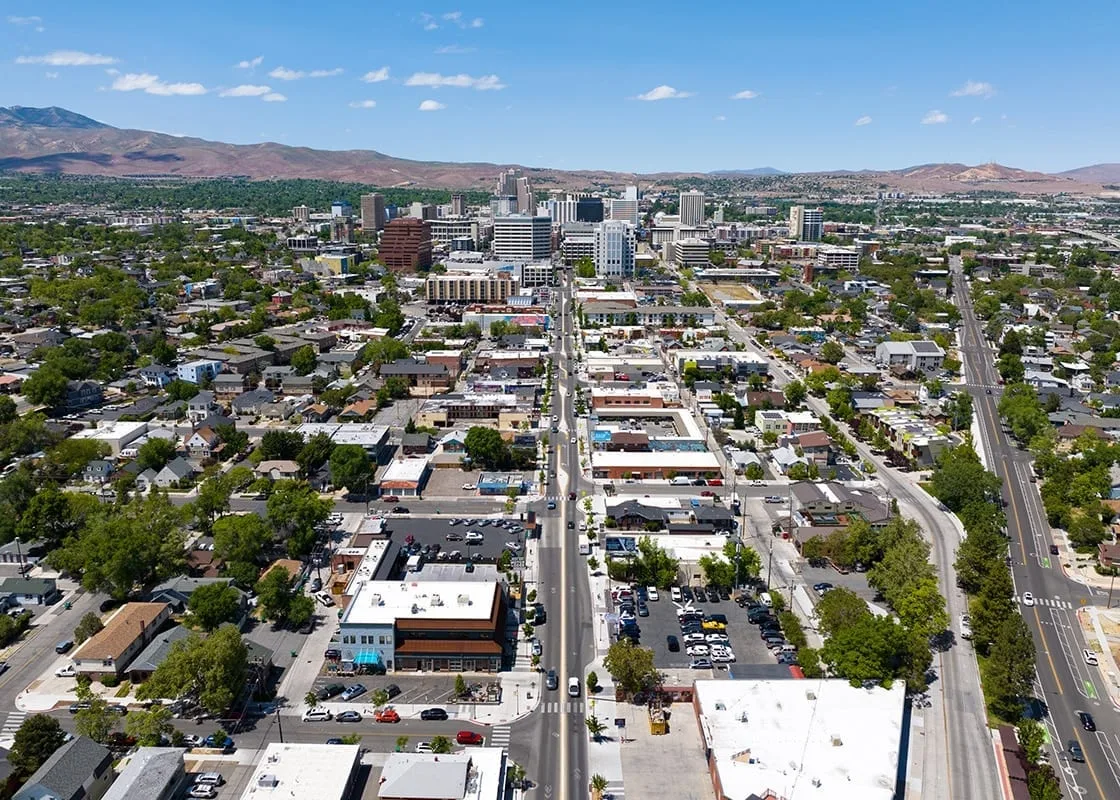
In Las Vegas, extreme heat, dusty winds, and long run times make ACs more likely to blow warm or hot air. Filters clog faster, outdoor coils get packed with dust, and rooftop or attic installations see higher temperatures that reduce efficiency. Quick diagnostics and proper maintenance matter more here than in mild climates.
Understanding “AC Blowing Hot Air”
What “hot” vs “warm” air really means
When your air conditioner starts blowing air that feels hot or even just warm, it’s easy to panic. But not all “hot air” is created equal. Warm air coming from your vents might simply mean the system is struggling to keep up with the intense desert heat, especially in Las Vegas, where summer temperatures can soar. However, truly hot air often signals a mechanical or electrical failure within the unit. Think of your AC like a car engine. If it’s just running a little hot, it might be low on coolant or need a tune-up. But if it’s overheating, you need to pull over immediately. Similarly, warm air might be a sign to check filters or settings, while hot air usually means a deeper issue requiring professional attention. With Southern Nevada experiencing its hottest summer on record in 2024—averaging 96.2°F according to the National Weather Service—the line between warm and hot air can blur quickly as systems are pushed to their limits. For a walkthrough on AC not cooling or blowing hot air in Las Vegas, including common causes and solutions, homeowners can consult our detailed pillar page. During such extreme conditions, even a well-functioning unit may struggle, leading to a temporary increase in air temperature as it works overtime to cool your home. It’s essential to monitor your AC's performance closely during these peak heat periods. Homeowners should consider investing in smart thermostats that can provide real-time data on system performance and alert you to any irregularities. This proactive approach can help you catch potential issues before they escalate into costly repairs.Signs it’s a true cooling failure
True cooling failure means the AC is no longer removing heat from your home. Common signs include vents blowing air that’s close to or above room temperature, unusual noises from the compressor, or the unit cycling on and off rapidly. Sometimes, ice buildup or restricted airflow on the evaporator coil can cause the AC to blow warm or hot air. Learn more about how to prevent this in our Dirty Evaporator Coil guide. Another clear indicator is a sudden spike in your electricity bill without a corresponding increase in use. For example, if your thermostat is set to 72°F but the air coming out is 80°F or higher, it’s a red flag. This usually points to issues like refrigerant leaks, compressor failure, or electrical faults. Ignoring these signs can lead to complete system breakdown, especially during peak heat seasons in Las Vegas. Additionally, homeowners should be aware that some cooling failures can result from simple issues like a tripped circuit breaker, which can often be resolved with a quick reset. Regularly checking your thermostat calibration can also help ensure that the temperature readings are accurate. If the thermostat is malfunctioning, it may not signal the AC to turn on when needed, leading to uncomfortable indoor temperatures. Keeping a close eye on these details can save you time and money in the long run.Desert-specific factors in Las Vegas
Las Vegas’s desert climate intensifies AC strain. The combination of extreme heat, low humidity, and frequent dust storms means units face unique challenges. Dust and sand can clog filters and coils faster than in more temperate climates, reducing efficiency and causing overheating. Moreover, the city’s record-breaking heat waves have led to a 172% increase in heat-related complaints to Nevada OSHA in July 2023 compared to the previous year, highlighting how critical reliable cooling is for residents and workers alike (Nevada Current). Homeowners must understand that desert conditions accelerate wear and tear on AC units, making regular maintenance not just a recommendation but a necessity. This includes scheduling professional cleanings to remove accumulated dust and debris that can hinder performance. Additionally, the positioning of your outdoor unit can greatly affect its efficiency. Units placed in direct sunlight may struggle more than those in shaded areas. Homeowners should consider landscaping options that provide some natural shade, which can help reduce the workload on the AC and prolong its lifespan.Emergency vs non-emergency situations
Not every instance of hot air blowing from your AC requires an emergency call. If you notice warm air but the system is still running and there are no unusual sounds or smells, you can perform some basic checks before calling a technician. However, if the unit emits burning smells, sparks, or shuts down completely, it’s time to treat it as an emergency. For example, the American Red Cross of Southern Nevada reported responding to 32 home fires in July 2025, many linked to poorly maintained AC units. They urge residents to maintain their systems to reduce fire risks (American Red Cross of Southern Nevada). Understanding the difference between minor issues and serious problems can save you from unnecessary panic and potential hazards. It’s also wise to familiarize yourself with your system’s warranty and service agreements. Some warranties may include emergency service provisions, allowing you to access professional help without incurring additional costs during a critical situation. Knowing your rights and responsibilities can empower you to act swiftly and effectively when issues arise.Safety notes near electrical and refrigerant
Air conditioners operate with high-voltage electricity and refrigerants that can be hazardous if mishandled. Never attempt to open or tamper with electrical panels or refrigerant lines unless you are a licensed HVAC technician. Refrigerants can cause frostbite or respiratory issues if leaked. Always shut off power to the unit at the breaker before inspecting any components. If you smell a strong chemical odor or notice oily residue near the unit, these could be signs of refrigerant leaks, which require immediate professional attention. Additionally, it’s important to keep the area around your AC unit clear of debris and vegetation to ensure proper airflow and reduce the risk of accidents.DIY checks vs when to call
Simple checks like verifying thermostat settings, inspecting filters, and ensuring outdoor units are free of debris are safe and often effective first steps. If your AC is running but still not cooling effectively, our AC Not Cooling guide explains the common causes and steps to restore proper cooling. However, if these don’t resolve the issue or if you detect electrical problems, strange noises, or refrigerant leaks, call a licensed HVAC technician. Local HVAC demand surges during Las Vegas heat waves as homeowners experience no cold air from their systems. Attempting complex repairs without proper training can void warranties and pose safety risks. It’s crucial to recognize your limitations and know when to seek professional help to avoid exacerbating the problem. Moreover, keeping a log of any issues you encounter can be beneficial when discussing problems with a technician. Detailed notes on when the issue occurs, any unusual sounds, and previous maintenance can help the technician diagnose the problem more efficiently, potentially saving you time and money.Potential repair costs at a glance
Repair costs vary widely depending on the issue. Minor fixes like replacing filters or resetting breakers might cost under $100. More complex repairs such as refrigerant recharging or compressor replacement can range from $300 to over $1,500. Good: DIY filter changes and thermostat checks (free to $50). Better: Professional cleaning and minor repairs ($150–$400). Best: System replacement or major component repair ($3,000+), especially if your unit is over 10 years old. Understanding these ranges helps homeowners decide when repairs are worthwhile or when investing in a new, more efficient system is a better long-term choice. Additionally, many HVAC companies offer financing options for larger repairs or replacements, making it easier for homeowners to manage unexpected costs without sacrificing comfort.Risks of running the unit while hot
Continuing to run an AC that’s blowing hot air can cause further damage. Overheating compressors or blocked coils strain the system, potentially leading to costly failures. Additionally, it wastes electricity and increases your utility bills. In extreme cases, malfunctioning units can pose fire hazards, especially if electrical components are compromised. The American Red Cross’s recent warnings about fire risks underline the importance of timely maintenance and repair. Homeowners should also consider installing smoke detectors and carbon monoxide detectors in key areas of the home as an added layer of safety.Peak-season considerations
Las Vegas’s peak cooling season coincides with the hottest months, when repair demand spikes and HVAC technicians are busiest. Delaying service during this time can mean longer wait times and higher costs. Planning maintenance in spring or fall can prevent emergencies during summer heat waves. HVAC industry professionals emphasize the importance of proactive service to help homeowners stay ahead of potential issues rather than just reacting to breakdowns. Scheduling regular check-ups not only extends the life of your unit but can also enhance its efficiency, leading to lower energy bills. Additionally, consider investing in a maintenance contract with a local HVAC provider. These contracts often include regular inspections, priority service during peak seasons, and discounts on repairs, providing peace of mind and ensuring your system remains in optimal condition throughout the year.Warranty implications
Many AC warranties require regular professional maintenance and prohibit DIY repairs beyond basic tasks like filter changes. Ignoring these terms can void warranties, leaving homeowners responsible for full repair or replacement costs. Always document maintenance visits and keep receipts. Before attempting any repair yourself, check your warranty’s fine print to avoid costly surprises. Understanding the specific requirements of your warranty can help you navigate potential issues more effectively and ensure you remain covered in case of a significant malfunction. Maintenance takeaway: Schedule annual professional tune-ups before summer to keep your warranty valid and your system reliable. Regular maintenance not only helps in identifying potential problems early but also improves the overall efficiency of your AC unit, ensuring that you stay cool even during the hottest days.Quick Checks Any Homeowner Can Do
Thermostat mode and setpoint verification
First, ensure your thermostat is set to “Cool” mode and the temperature setpoint is below the current room temperature. It’s a common mistake to leave the thermostat on “Heat” or “Fan” only, which results in warm air blowing. For example, if your thermostat is set at 75°F but the room is already 78°F, the AC won’t activate. Double-checking these settings can save unnecessary service calls.Fan “Auto” vs “On” setting
The fan setting controls whether the blower runs continuously or only when cooling. Setting the fan to “On” means air circulates constantly, which can feel warm if the AC compressor isn’t running. “Auto” mode runs the fan only during active cooling cycles. Switching to “Auto” can help you determine if the compressor is working properly. If air feels hot even in “Auto,” it’s a sign of a cooling failure.Dirty or blocked air filter
A clogged air filter restricts airflow, reducing cooling efficiency and causing the system to overheat. Filters should be checked monthly during peak seasons and replaced every 1-3 months depending on usage and dust levels. In the dusty Las Vegas environment, filters can clog quickly. A simple visual inspection can reveal if your filter is gray or covered in debris, signaling a replacement is overdue.Circuit breaker and disconnects
Sometimes the issue is as simple as a tripped circuit breaker or a switched-off disconnect near the outdoor unit. Resetting breakers or turning switches back on can restore power and cooling. Always exercise caution and ensure your hands are dry when working near electrical panels.Outdoor unit power switch
Many outdoor condensers have a dedicated power switch on or near the unit. It can be accidentally turned off during yard work or maintenance. Confirm this switch is in the “On” position before calling for repairs.Blocked outdoor coil or debris
Leaves, dirt, and other debris can accumulate on the outdoor coil, reducing heat transfer and causing the system to blow warm air. Regularly clearing debris with a soft brush or garden hose (with power off) improves efficiency. This simple maintenance step can prevent overheating and extend your unit’s lifespan.Indoor supply/return airflow
Ensure supply vents are open and return grilles are unobstructed. Closed or blocked vents reduce airflow, causing the system to work harder and potentially blow warm air. For example, furniture or curtains blocking vents can cause uneven cooling and strain the system.Condensate safety switch tripped
Some AC systems have a condensate safety switch that shuts off the unit if the drain pan overflows, preventing water damage. A clogged drain line can cause this switch to trip, stopping cooling. Clearing the drain line or resetting the switch (usually near the indoor unit) can restore operation. If unsure, call a professional.Vent/zone position and closed rooms
In zoned systems, closed vents or doors can disrupt airflow balance, causing some areas to receive warm air. Ensure vents are open and doors ajar to promote even cooling.Try a 10–15 minute test run
After performing these checks, run the system for 10–15 minutes on “Cool” and “Auto” fan mode. If the air remains warm or hot, it’s time to call a technician. Maintenance takeaway: Regularly inspect filters, vents, and outdoor units as part of a monthly routine to catch issues early.Most Common Causes (and Simple Fixes)
Incorrect thermostat settings
Incorrect thermostat settings are a surprisingly common cause of warm air. Setting the thermostat to “Heat” or “Fan” only, or having the temperature set above room temperature, will prevent cooling. Fixing this is as simple as switching to “Cool” mode and lowering the setpoint. For programmable thermostats, ensure schedules are correctly programmed to avoid accidental heating during summer months.Clogged filter reducing airflow
A clogged air filter chokes airflow, causing the evaporator coil to freeze and the system to blow warm air once the ice melts. This issue is easily preventable by replacing filters regularly. Good: Replace filters every 3 months. Better: Replace every month during peak heat. Best: Use high-quality pleated filters designed for desert dust. Ignoring filter maintenance can lead to costly repairs and reduced system lifespan. In dusty Las Vegas, this is a frequent cause of AC failure. Maintenance takeaway: Set a calendar reminder to check and replace filters monthly during summer.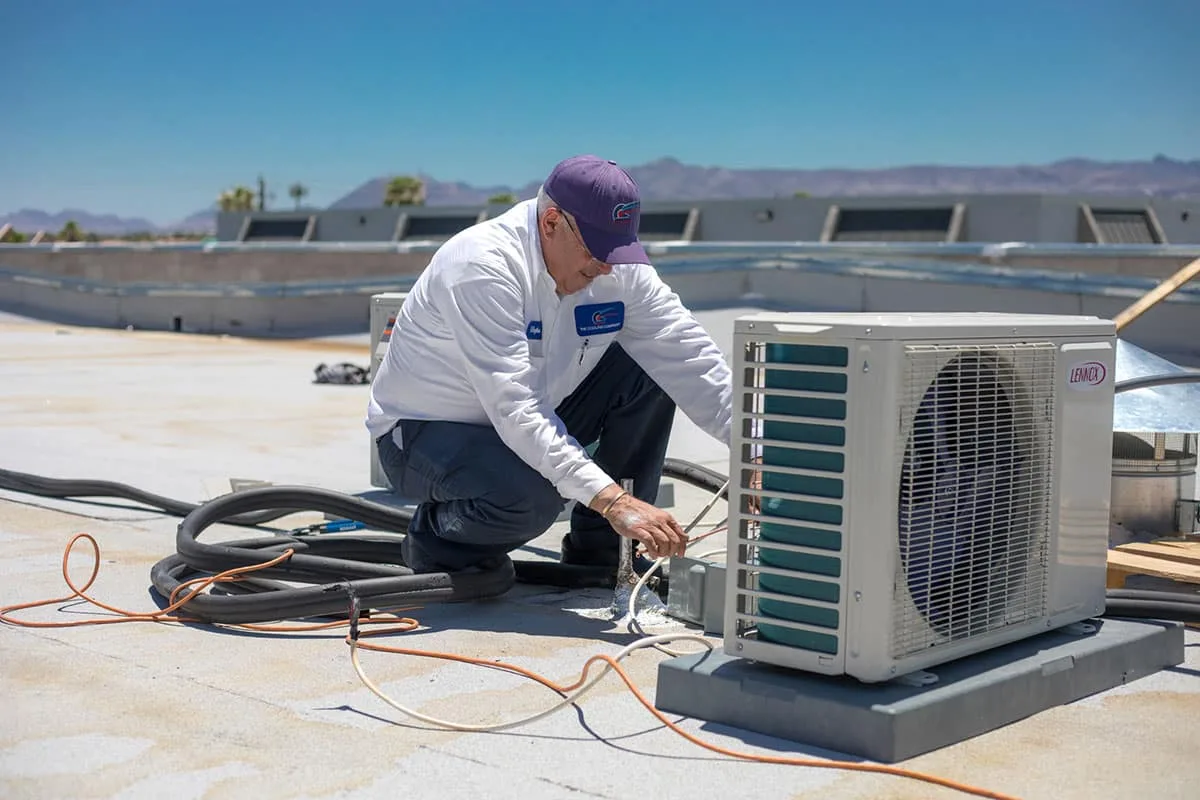
Cost drivers when hot air turns into a repair
- Root cause: refrigerant leaks, failed capacitors, or compressor issues drive the biggest price swings.
- System access: attic and rooftop units in Las Vegas add labor time and safety setup.
- Parts availability: legacy refrigerants and older parts can raise costs or delay repairs.
- After-hours demand: peak-heat emergency calls often cost more during July and August.
Decision guidance: keep troubleshooting or call a pro
- DIY checks are enough if the fan is on “On,” the filter is clogged, or the breaker tripped.
- Call same-day service if air is hotter than room temperature, the outdoor unit is silent, or you smell burning.
- Plan a replacement consult if your system is 12+ years old and blowing hot air repeatedly.
Prevention checklist for Las Vegas homeowners
- Replace filters every 30-45 days during summer.
- Rinse outdoor coils after dust storms (power off first).
- Schedule a spring tune-up before peak heat.
- Verify thermostat calibration and keep vents open.
Neighborhoods we help most often
We regularly respond to hot-air calls in Summerlin, Spring Valley, Paradise, Enterprise, Henderson, Green Valley, Silverado Ranch, Centennial Hills, The Lakes, and North Las Vegas. Local run times and attic temps vary by neighborhood, so a tech will confirm airflow and charge on site.
Why homeowners trust The Cooling Company
- Serving Las Vegas since 2011
- 55+ years combined experience
- Licensed, EPA-certified technicians
- 100% satisfaction guarantee
- BBB A+ rated
- Lennox Premier Dealer
Service area map
Ready for Reliable Comfort?
You may qualify for federal tax credits and rebates that reduce your upfront cost.
Related service: Experiencing AC problems in Las Vegas? Explore our AC repair and AC maintenance services for Las Vegas homeowners.
Need HVAC Service in Las Vegas?
The Cooling Company provides expert HVAC service throughout Las Vegas, Henderson, and North Las Vegas. Our licensed technicians deliver honest assessments, upfront pricing, and reliable results.
Call (702) 567-0707 or visit AC repair, maintenance, heating, or installation for details.