

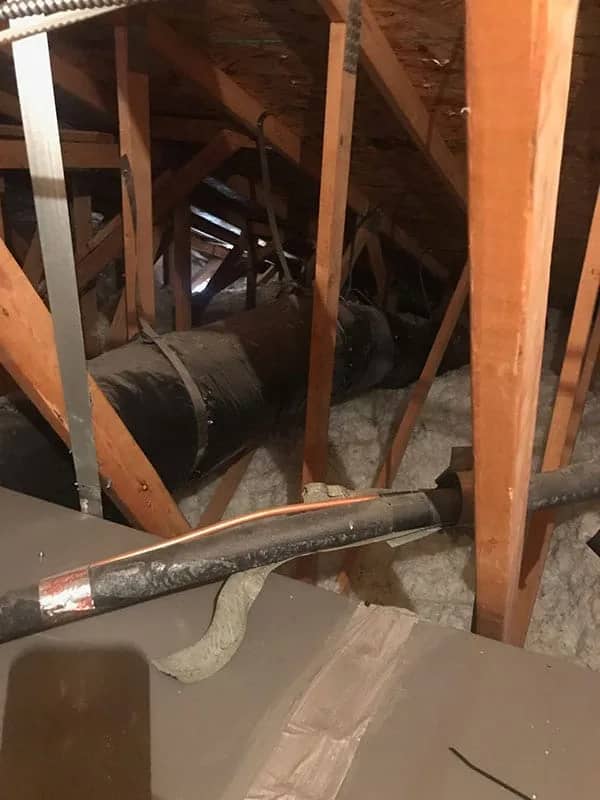
AC Breakdown Warning Signs in Las Vegas
Short answer: The most common signs of an AC breakdown are weak airflow, warm air from vents, and longer cooling cycles. If any of these show up in Las Vegas heat, schedule service quickly to avoid a full system failure.
What can change repair urgency and cost
- Whether the system is still cooling or completely down
- Time of day and after-hours response needs
- Refrigerant leaks vs. electrical or airflow issues
- Age of the system and parts availability
- Access to the air handler, attic, or rooftop unit
Top AC Breakdown Indicators
- Slow cooling: The system runs longer but rooms stay warm.
- Warm air: Air from vents is not cold.
- Weak airflow: Reduced air pressure from vents.
- Short cycling: AC turns on and off repeatedly.
- Unusual noises: Grinding, buzzing, or rattling.
What These Signs Usually Mean
- Dirty filters or clogged coils
- Low refrigerant or leaks
- Failing blower motor or capacitor
- Thermostat or control issues
- Ductwork leaks or airflow restrictions
Why Fast Action Matters in Las Vegas
Las Vegas summers regularly reach 110°F or higher, with heat indices that can make indoor temperatures dangerous if AC fails. High summer temperatures can push a struggling system into a full breakdown. When your AC shows warning signs during peak heat months (June through September), waiting even a few days can lead to complete system failure. Early repairs are almost always less expensive than emergency service or full replacement.
In Las Vegas, AC systems run nearly continuously during summer months, working 12-18 hours per day to maintain comfort. This extreme workload means minor issues escalate quickly. A system showing warning signs in May could fail completely by July if not addressed. The desert climate also accelerates wear on components—dust storms clog filters faster, high temperatures stress electrical components, and extended runtimes shorten equipment lifespan.
What a quality diagnostic should include
- Airflow measurement and temperature split testing
- Refrigerant pressure checks and leak inspection
- Electrical testing for capacitors and contactors
- Thermostat and control verification
- Coil cleanliness inspection (critical in dusty Las Vegas conditions)
- Ductwork integrity check for leaks that waste cooling
Las Vegas Heat and Monsoon Impact
Extreme afternoon heat and monsoon humidity add load and increase runtime. Systems that are already underperforming often fail during the hottest weeks of July and August. Las Vegas experiences two distinct challenges: dry heat that pushes systems to maximum capacity, and monsoon season (typically July-August) that adds humidity, making cooling even more difficult.
During heatwaves, Las Vegas AC systems can run continuously for days without shutting off. This non-stop operation creates excessive wear on compressors, capacitors, and motors. When combined with dust and debris from desert winds, systems that might last 15 years in milder climates often need replacement after 10-12 years in Las Vegas. The combination of extreme heat, dust, and extended runtime makes preventive maintenance essential for Las Vegas homeowners.
What to Do Before You Call
- Replace the air filter if it is dirty
- Make sure vents are open and unobstructed
- Check the thermostat settings and batteries
When to Shut the System Off
- Burning smell or electrical odor
- Grinding or metal-on-metal noise
- Ice forming on the indoor coil
- Breaker trips repeatedly
Helpful resources for Las Vegas homeowners
- Air conditioner not cooling
- AC not blowing hard
- What’s included in an AC diagnostic
- Air conditioning maintenance
- AC repair
Prevention Tips to Avoid AC Breakdowns
Preventing breakdowns is far less expensive than emergency repairs, especially in Las Vegas where summer failures can be dangerous. Follow these prevention strategies to keep your system running reliably.
Regular Maintenance Schedule
- Annual tune-ups: Schedule professional maintenance every spring (March-April) before peak cooling season begins
- Filter replacement: Check filters monthly during summer, replace every 30-45 days in Las Vegas due to dust accumulation
- Coil cleaning: Have evaporator and condenser coils cleaned annually—dust buildup is rapid in desert conditions
- Duct inspection: Check for leaks and damage every 2-3 years, especially in attics where extreme heat accelerates wear
Seasonal Preparation
- Pre-summer inspection: Test your system in late spring to catch issues before heatwaves arrive
- Clear outdoor unit: Remove debris, trim vegetation, and ensure at least 2 feet of clearance around the condenser
- Check insulation: Ensure attic insulation is adequate—poor insulation makes AC work harder
- Programmable thermostat: Use a smart thermostat to reduce runtime during peak hours and extend equipment life
Daily Habits
- Monitor performance: Notice if cooling takes longer or bills increase unexpectedly—early warning signs
- Keep vents clear: Don't block supply vents or returns with furniture or curtains
- Use ceiling fans: Fans help distribute cool air, allowing you to set the thermostat 2-3°F higher
- Avoid extreme settings: Setting the thermostat too low (below 70°F) forces excessive runtime and wear
Las Vegas-Specific Considerations
- Dust storm preparation: After dust storms, check and clean filters immediately—dust can clog filters in hours
- Shade the outdoor unit: If possible, provide shade for the condenser (without blocking airflow) to reduce heat stress
- Monitor during heatwaves: During extreme heat (110°F+), check system performance daily and have emergency contact ready
- Consider system age: Systems over 12 years old in Las Vegas may need replacement planning—preventive replacement avoids emergency failures
Maintenance takeaway: Regular maintenance prevents 80% of breakdowns. A spring tune-up costs far less than emergency repairs during peak season.
Repair vs Replace Guidance
If the unit is 12 to 15 years old and has frequent repairs, replacement may be the more reliable option. In Las Vegas, systems typically last 10-12 years due to extreme operating conditions. For newer systems (under 10 years), targeted repairs and maintenance usually restore performance. For systems over 12 years old with multiple repairs, replacement often provides better long-term value and reliability.
Las Vegas Heatwave Triage Checklist
- Note indoor temperature and how quickly it rises when the system stops.
- Check if upstairs rooms lose cooling first, which points to airflow issues.
- Document odd noises or odors to help speed diagnosis on arrival.
- Share access details for gated communities to avoid dispatch delays.
No-Cool Emergency Checklist for Las Vegas Homes
If your AC stops cooling completely during a Las Vegas heatwave, follow this checklist to stay safe and help technicians respond faster:
- Check indoor temperature: Set the thermostat to cooling and note the current indoor temperature. If it's above 85°F and rising, this is an emergency.
- Replace the filter: If it's visibly dirty, replace it immediately—this fixes many no-cool situations.
- Check the breaker: Reset once if tripped. Do not keep resetting if it trips again—this indicates an electrical problem.
- Document symptoms: Take photos of any ice, water leaks, or error codes before shutting off the system.
- Check outdoor unit: Ensure the condenser fan is spinning and the unit isn't making unusual noises.
- Stay cool: Use fans, close blinds, and stay hydrated while waiting for service. In extreme heat, consider relocating to a cooler area if service will be delayed.
After-Repair Performance Report
- Temperature split and airflow readings after the fix.
- Root cause summary and parts replaced.
- Preventive steps to avoid repeat breakdowns.
- Estimated timeline for next maintenance visit.
FAQs About AC Breakdowns
Is weak airflow always a blower motor issue?
No. It can also be clogged filters, duct leaks, or a frozen coil.
How fast should an AC cool a room?
Most systems should reduce temperature noticeably within 15 to 30 minutes.
Can an AC keep running if it is failing?
Yes, but it usually costs more in energy and can cause bigger damage.
When should I stop running the AC?
If you smell burning, hear grinding, or see ice on the coils, shut it off and call for service.
Do you offer emergency AC repair?
Yes. We provide fast response across Las Vegas, Henderson, and North Las Vegas.
Should I reset the breaker if it trips?
Reset it once. If it trips again, leave it off and call for service to avoid electrical damage.
Can low refrigerant cause long runtimes?
Yes. Low charge reduces cooling capacity and makes the system run longer to keep up.
Need HVAC Service in Las Vegas?
The Cooling Company provides expert HVAC service throughout Las Vegas, Henderson, and North Las Vegas. Our licensed technicians deliver honest assessments, upfront pricing, and reliable results.
Call (702) 567-0707 or visit AC repair, maintenance, heating, or installation for details.
Share This Page
Need AC Repair Now?
Don't wait for a complete breakdown in Las Vegas heat. If you're seeing warning signs, schedule service today to avoid emergency repairs and higher costs.
We can diagnose the issue and restore cooling fast. Our certified technicians serve Las Vegas, Henderson, North Las Vegas, and surrounding areas with same-day service available.
Call (702) 567-0707 or visit AC repair to schedule your service appointment.