


Short answer: In 2025, most Las Vegas homeowners pay about $800-$2,300 to replace an AC compressor, with higher costs for larger or variable-speed systems and hard-to-access installs.
Las Vegas essentials and desert challenges
Compressor failures spike in Las Vegas during long heat waves when units run nonstop and condenser coils are coated with desert dust. Rooftop and attic systems also run hotter, which shortens compressor life and can increase labor costs for repairs.
See our AC repair cost guide for current estimates.
When an air conditioner’s compressor fails, it’s often the most expensive repair a homeowner faces. The compressor is essentially the heart of the AC system, responsible for pumping refrigerant and enabling cooling. Deciding whether to repair or replace it can feel overwhelming, especially with rising costs and new regulations affecting HVAC equipment prices. In 2025, replacing a residential AC compressor typically ranges from $1,200 to $2,800, but many factors influence this price. Understanding these nuances helps homeowners make informed decisions that balance cost, efficiency, and long-term comfort. According to heatingnewsjournal.com, these costs can vary widely based on system size and type. If your system is down right now, schedule fast AC repair so a tech can confirm whether the compressor is worth saving.
Quick Answer and Typical Ranges
Most projects land ~$800–$2,300 (avg ≈ $1,200)
For the majority of homeowners, replacing an AC compressor will cost between $800 and $2,300, with the average hovering around $1,200. This range covers typical single-stage compressors installed in standard-sized residential systems. For example, a 2.5-ton unit in a moderate climate might fall comfortably in this bracket. The price includes parts, labor, and refrigerant handling but can vary based on brand and warranty status. A common objection is that this seems expensive for a single component. However, the compressor is a complex piece of machinery, often requiring specialized tools and expertise to replace safely. Attempting a DIY fix is not advised due to the risk of refrigerant leaks and electrical hazards. Furthermore, many homeowners may not realize that the compressor is essentially the heart of the air conditioning system, responsible for circulating refrigerant and maintaining the desired temperature in the home. A malfunctioning compressor can lead to a cascade of issues, including reduced efficiency and increased energy consumption, which can ultimately impact the overall comfort of the living space. One actionable tip: schedule annual tune-ups to catch compressor issues early and extend its lifespan. Regular maintenance can help identify wear and tear before it leads to a complete breakdown, ensuring that your system runs smoothly when you need it most.High-end cases $2,600–$3,000+
Some compressor replacements push beyond $2,600, especially in larger homes or systems with advanced compressor types like two-stage or variable speed models. These compressors offer better efficiency and comfort but come with a higher upfront cost. Additionally, installations in difficult locations—such as rooftop units or attic systems—can add to labor expenses. The complexity of these installations often requires more time and specialized skills, which can further drive up the overall cost. For instance, a homeowner with a 4-ton variable-speed compressor in a hot southern climate might see costs near $3,000 due to both equipment and installation complexity. The recent 30% cost increase from new refrigerant regulations also factors into these higher prices. Additionally, homeowners should consider the long-term benefits of investing in a high-end compressor. These models not only provide superior temperature control and humidity management but can also significantly lower energy bills over time. With energy efficiency ratings becoming increasingly important, many homeowners find that the initial investment pays off through lower utility costs and increased home value. Moreover, the choice of compressor can also influence the overall environmental impact of your HVAC system. Opting for energy-efficient models can reduce your carbon footprint, aligning with a growing trend towards sustainability in home improvement. As technology advances, many manufacturers are now offering compressors that utilize eco-friendly refrigerants, further enhancing their appeal to environmentally conscious consumers.What Drives Compressor Price
Tonnage and compressor type (single/two-stage/variable)
The size of your AC system, measured in tons, directly influences compressor cost. A ton represents 12,000 BTUs of cooling capacity. Smaller systems (1.5 to 2 tons) require less powerful compressors, costing less to replace. Larger systems (3.5 to 4 tons) need bigger, more robust compressors, which are pricier. Compressor type also matters. Single-stage compressors operate at full capacity or off, while two-stage units can run at low or high speeds, improving efficiency. Variable speed compressors adjust output continuously for optimal comfort and energy savings but come with a premium price. For example, a single-stage compressor for a 2-ton system might cost $900 to $1,400, while a variable speed compressor for a 4-ton system could exceed $2,500. Not sure what size system you have or need next time? Start with our AC size guide on what size AC unit you need.Access and location (roof/attic/long lines)
Where your compressor is located affects labor costs. Units installed on the roof or in an attic require more time and effort to access safely, increasing installation charges. Long refrigerant lines between indoor and outdoor components also complicate the job, sometimes necessitating additional refrigerant or line replacement. A homeowner with a rooftop unit in a multi-story building might pay an extra $300 or more in labor compared to a ground-level installation. This is due to the need for specialized equipment and safety precautions. Regular maintenance to keep access points clear and safe can reduce unexpected labor costs during repairs.Refrigerant recovery, evacuation, recharge
Modern HVAC systems use refrigerants that must be carefully recovered and handled during compressor replacement. Federal regulations require technicians to evacuate the old refrigerant, which may be costly due to environmental and safety protocols. After installing the new compressor, the system must be recharged with the correct amount of refrigerant, often weighed precisely to manufacturer specifications. New refrigerant types mandated by recent federal rules have increased equipment and service costs by up to 30% since 2023, according to industry data. This is a significant factor in the overall price homeowners face. Proper refrigerant handling is not a DIY task. Licensed HVAC professionals have the training and equipment to manage these substances safely and legally.Warranty status (parts vs. labor)
Whether your compressor is under warranty can dramatically affect out-of-pocket costs. Some warranties cover parts but exclude labor, while others may cover both. Knowing your warranty details before repair helps set realistic expectations. For example, if parts are covered but labor is not, you might pay only for installation, which could range from $400 to $800. Without any warranty, you’re responsible for the full cost of parts and labor, which can push the bill above $2,000. Keep warranty documents handy and review them annually to understand coverage and avoid surprises. More on warranty impacts below.Warranty impact (what you actually pay)
Parts warranty active → labor only
When your compressor parts warranty is still active, you typically pay only for labor. This can significantly reduce your expense. For example, if the compressor part costs $1,000 but is covered, you might pay $400 to $800 for labor depending on complexity and location. This scenario is common within the first 5 to 10 years of a system’s life, especially if you purchased an extended warranty. It’s a good reason to register your equipment and keep proof of purchase. One homeowner’s case: a 7-year-old system’s compressor failed, but parts were under warranty. The technician charged $600 for labor, saving the homeowner over $1,000.No parts warranty → parts + labor
If the parts warranty has expired, you pay both for the compressor and labor. This is the most common situation for older systems. The total cost can range from $1,200 to $2,800 or more depending on system size and other factors. In this case, a compressor replacement on a 3-ton system might cost $1,500 for parts plus $700 for labor, totaling $2,200. This can be a tough pill to swallow but is often necessary to restore cooling. Homeowners should weigh this cost against the age and condition of the entire system before deciding.Repair the compressor or replace the system
When repair makes sense (<10 yrs, parts warranty, healthy coils/controls)
Repairing the compressor is often the best choice when the system is relatively young-typically under 10 years-and other components like coils and controls are in good shape. If the compressor is still under parts warranty, repair is usually more cost-effective. For example, a homeowner with a 6-year-old AC experiencing a single compressor failure but no other issues might opt for repair. This extends the system’s life without the expense of a full replacement. HVAC experts advise weighing repair costs carefully but acknowledge that repair is often wise in these cases.When full change-out wins (age, repeated failures, legacy refrigerant, SEER2 upgrade)
Replacing the entire AC system makes sense when the compressor is old (10+ years), has failed multiple times, or uses outdated refrigerants like R-22, which are being phased out. If you are not sure where your system is on the timeline, check our AC lifespan guide on how long an AC unit lasts before major parts start failing.Additionally, new systems meeting SEER2 standards offer better energy efficiency, potentially lowering utility bills significantly over time. For instance, a homeowner with a 15-year-old unit facing a second compressor failure might save money long-term by investing in a new system. The upfront cost is higher but includes a full warranty and improved performance. When you are leaning toward a change-out, visit our service page on when to replace your AC and how to choose a new system before you sign anything. Upgrading to a SEER2-compliant system also prepares your home for stricter efficiency regulations and hotter summers, as noted by industry analysts.What a proper compressor job includes
Recover, replace, new filter-drier, deep vacuum, weigh-in charge, verify subcool/superheat/airflow
A professional compressor replacement is more than just swapping parts. It begins with recovering the old refrigerant safely, then removing the faulty compressor. A new filter-drier is installed to keep contaminants out of the system. Next, the technician performs a deep vacuum to remove moisture and air, which can damage the system. The refrigerant is then recharged to the exact manufacturer specifications, often measured by weight. Finally, critical performance metrics like subcooling, superheat, and airflow are verified to ensure optimal operation. Skipping any of these steps can lead to premature failure or poor efficiency. Trusting a licensed HVAC technician ensures all these procedures are followed correctly.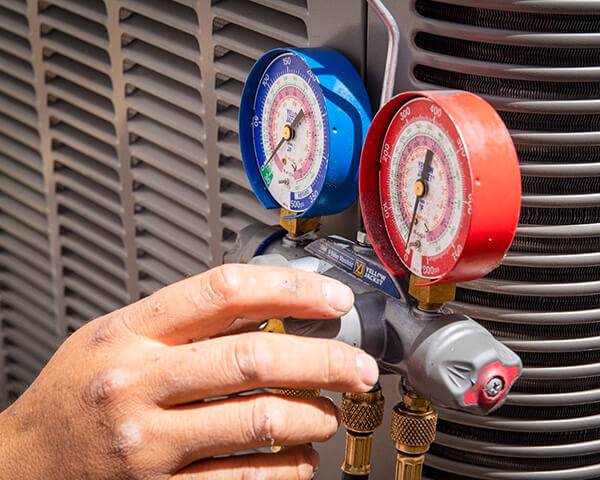
Price scenarios (quick map)
Small 1.5–2 ton $700–$1,400
Small systems, common in apartments or smaller homes, generally cost between $700 and $1,400 for compressor replacement. These units are simpler and require less refrigerant and labor. Example: A 1.5-ton single-stage compressor replacement in a northern climate might cost $900, including labor and refrigerant recharge.2.5–3 ton $900–$2,100
Mid-sized systems, typical for average single-family homes, fall in the $900 to $2,100 range. The variation depends on compressor type and installation complexity. Example: A 3-ton two-stage compressor replacement on a ground-level unit might cost $1,800, factoring in refrigerant recovery and warranty status.3.5–4 ton $1,100–$2,300+
Larger systems for bigger homes or hotter climates often exceed $2,300, especially with variable speed compressors or difficult installations. Example: A 4-ton variable speed compressor on a rooftop unit could exceed $2,800 after including labor and refrigerant costs.FAQs
How long does it take?
Replacing an AC compressor typically takes 4 to 8 hours, depending on system complexity and accessibility. Rooftop or attic units may require additional time for safe handling. Attempting a DIY replacement is not recommended due to the technical and safety challenges involved.Can a bad capacitor mimic a bad compressor
Yes, a failing capacitor can cause symptoms similar to a bad compressor, such as the AC not starting or running inefficiently. Capacitors are much less expensive and easier to replace, so it’s wise to have a technician diagnose the problem before assuming compressor failure.Does refrigerant type change the cost
Absolutely. Newer refrigerants mandated by federal regulations are more expensive and require specialized handling, increasing repair and replacement costs by up to 30% since 2023, according to industry data. Older refrigerants like R-22 are being phased out, making repairs on legacy systems more costly and difficult.Next steps
When facing a compressor issue, start by checking your warranty status and system age. If your unit is under 10 years old and parts are covered, repair is often the best route. For older systems or repeated failures, consider a full system replacement to benefit from improved efficiency and compliance with new standards. Always hire a licensed HVAC technician for diagnosis and repair to ensure safety and proper refrigerant handling. Regular maintenance, including annual tune-ups, can extend compressor life and prevent costly failures. Finally, keep in mind that investing in a high-efficiency SEER2-compliant system may have a higher upfront cost but can deliver substantial savings on energy bills and improve home comfort for years to come.Decision guidance: repair vs replace in Las Vegas
- Repair makes sense when the system is under 10 years old, coils are clean, and the parts warranty is active.
- Replacement wins when the unit is 12+ years old, uses legacy refrigerant, or has repeated compressor/electrical failures. Check our brand hub to compare replacement options from Lennox, Carrier, and other top brands.
- Get a second opinion if the compressor diagnosis is based on a single symptom like hard starting or loud humming.
Prevention: extend compressor life
- Change filters monthly during peak heat to protect airflow.
- Keep the condenser coil clean after dust storms.
- Schedule annual tune-ups to verify refrigerant charge and electrical health.
- Use a quality surge protector to protect compressor electronics.
Neighborhoods we serve for compressor diagnostics
We frequently handle compressor diagnostics in Summerlin, Henderson, North Las Vegas, Spring Valley, Enterprise, Paradise, Green Valley, Centennial Hills, Silverado Ranch, and The Lakes. Local access and rooftop installs can affect labor time, so we confirm scope onsite.
Why homeowners trust The Cooling Company
- Serving Las Vegas since 2011
- 55+ years combined experience
- Licensed, EPA-certified technicians
- 100% satisfaction guarantee
- BBB A+ rated
- Lennox Premier Dealer
Service area map
Ready for a Cool, Efficient Home?
You may qualify for federal tax credits and rebates that reduce your upfront cost.
Related reading:
- Compare HVAC Brands for Las Vegas
- Lennox Common Problems and Solutions
- Carrier Common Problems and Solutions
Need HVAC Service in Las Vegas?
The Cooling Company provides expert HVAC service throughout Las Vegas, Henderson, and North Las Vegas. Our licensed technicians deliver honest assessments, upfront pricing, and reliable results.
Call (702) 567-0707 or visit AC repair, maintenance, heating, or installation for details.