


Short answer: In Las Vegas, AC maintenance should include monthly filter checks, regular coil and drain care, and a professional tune-up each spring before peak heat. Desert dust, long runtimes, and sudden heat spikes make maintenance more urgent here than in milder climates.
Las Vegas Essentials & Challenges
Las Vegas systems face extreme summer runtimes, wind-driven dust, and sudden humidity spikes during monsoon season. Outdoor units often sit in direct sun and collect debris from landscaping and nearby construction. These local conditions make filters clog faster, coils get dirtier, and drain lines grow algae more quickly—so maintenance needs to be more frequent than the national average.
Why AC Maintenance Matters
Your AC cools by moving heat. Anything that blocks airflow or insulates the coils—dust, pet hair, pollen—forces longer run times to reach the same temperature. That means higher energy bills, uneven rooms, and extra wear on parts like the compressor and blower motor. Regular maintenance removes those obstacles so air moves freely and heat transfers efficiently. The result: faster cool-downs, steadier temperatures, quieter operation, and far fewer repair surprises.AC Maintenance Checklist (Overview)
Use this at-a-glance table to plan your routine. It shows what to do, who should do it, and how often. If you want the full, step-by-step breakdown a technician follows, see our Full HVAC tune-up checklist.| Task | Who | When | How-To |
|---|---|---|---|
| Replace/clean air filters | Homeowner | Every 1–3 months (monthly in peak use) | Filter cleaning guide |
| Clear debris around outdoor unit (2–3 ft clearance) | Homeowner | Monthly | Outdoor coil basics |
| Rinse condenser coil / light coil cleaning | Homeowner (gentle rinse); Pro for deep clean | Every 3–6 months | Coil cleaning guide |
| Flush condensate drain line | Homeowner | Monthly in cooling season | Drain line guide |
| Indoor unit care (split AC: filters, louvers, coil face) | Homeowner / Pro if heavy buildup | Every 3–6 months | Split AC cleaning |
| Electrical, refrigerant & performance checks | Professional | Annually (spring) | AC tune-up overview |
Cleaning & Preventive Care
Filters: Restore Airflow, Cut Dust
Filters trap dust and allergens before air reaches the coil. When clogged, they choke airflow, drive up run time, and can even cause the indoor coil to ice. Check monthly during heavy use; replace disposables or wash reusables with mild soap and water, then let them dry completely before reinstalling. Step-by-step help: How to Clean AC Filter.Coils: Keep Heat Moving
The indoor evaporator coil absorbs heat; the outdoor condenser coil releases it. If dirt coats either surface, heat can’t move efficiently. After you shut off power at the breaker, you can do a gentle rinse of the outdoor coil from the inside out; avoid pressure washers, which bend fins. For deep cleaning or delicate indoor coils, follow this guide or hire a pro: How to Clean AC Coils.Drain Line: Stop Leaks and Musty Odors
Cooling creates condensation that should flow through a small PVC drain. Algae and dust form sludge that blocks it, causing water damage and musty smells. Each month, pour ¼–1 cup of distilled white vinegar into the access port and let it sit. If you see water pooling, use a wet/dry vacuum on the outdoor drain outlet to pull the blockage. Full steps here: How to Clean AC Drain Line.Split (Ductless) Systems: Clean Both Sides
Ductless units need care at the indoor cassette (wash the mesh filters, wipe louvers, gently clean the coil face) and the outdoor condenser (clear debris, lightly rinse the coil, keep 2–3 feet of clearance). This prevents odors and keeps airflow quiet and strong. See: How to Clean Split AC. Prefer a single overview before you dive in? Start here: How to clean AC.Professional AC Tune-Ups
Some checks require tools and measurements homeowners don’t typically have. During a professional tune-up, a licensed technician verifies refrigerant levels, tightens electrical connections, tests capacitors and contactors, measures airflow and temperature split, and calibrates controls. That combination protects the compressor, improves efficiency, and reduces the chance of peak-season failures.- What Is an AC Tune-Up? — Clear definition and what’s included.
- When Is It Time for an AC Tune-Up? — Nine signs it’s time to schedule.
- HVAC Tune-Up Checklist — The 18 steps techs use to confirm safe, efficient operation.
- Spring HVAC Checklist — Everything to do before the first heat wave.
Troubleshooting & Repairs
If cooling performance drops, start with simple checks: make sure the thermostat is on “cool,” replace or clean the filter, clear debris from around the outdoor unit, and flush the drain line. Listen for new noises (squeal, rattle, buzz), look for ice on the indoor coil or refrigerant line, and confirm air is moving from every register. If problems remain after these steps, it’s time for diagnostics and a professional visit.Seasonal Maintenance Tips
Spring: Book your tune-up before schedules fill, replace filters, rinse the outdoor coil, and pour vinegar into the drain line. Test cooling for 10–15 minutes and verify steady condensate dripping outside. Summer: Keep 2–3 feet of clearance around the outdoor unit, rinse grass clippings off the coil, and use smart thermostat schedules. If indoor humidity stays high, change the filter and consider a tune-up to check airflow and charge. Fall/Winter: For cooling-only condensers, protect the top from falling debris (don’t wrap the sides tightly—trapped moisture can corrode). Heat pump systems should remain uncovered so they can breathe while heating.How Often Should You Service Your AC?
Plan on one professional tune-up per year before summer. Add a second check if you live in a hot/humid climate, rely on the system most of the year, have multiple shedding pets, or notice recurring filter clogs, rising energy bills, or uneven cooling. Unsure about timing? See the cues in When Is It Time for an AC Tune-Up?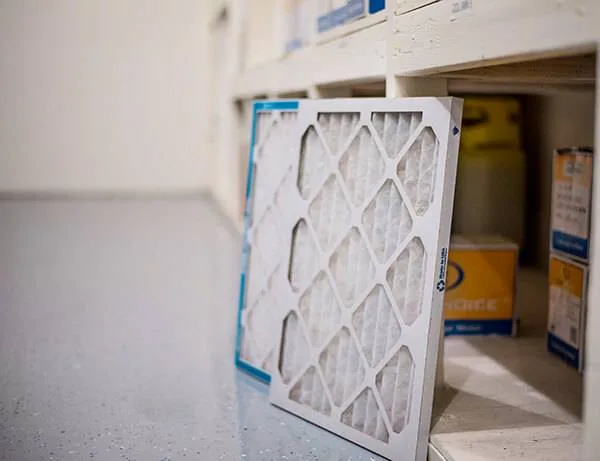
Cost & Time at a Glance
A homeowner maintenance session (filters, outdoor coil rinse, drain flush, debris clearing) typically takes 45–90 minutes. A professional tune-up usually runs about an hour and adds electrical testing, refrigerant measurements, and performance checks. Compared with emergency repair costs, routine care is the most economical way to protect comfort and equipment life.Common Mistakes to Avoid
- Working with power on: Always shut off the breaker before opening panels or rinsing coils.
- Pressure-washing coils: High pressure crushes fins and can force water into electronics; use a gentle hose and coil cleaner.
- Reinstalling damp filters: Moist filters can grow mold; let washable filters dry completely.
- Ignoring the drain line: A monthly cup of vinegar helps prevent clogs, odors, and leaks.
- Blocking vents: Keep supply and return paths open to prevent icing and short-cycling.
Quick Reference Calendar
- Monthly (peak season): Check/replace filters; verify outdoor clearance; flush ¼–½ cup vinegar into the drain line.
- Every 3–6 months: Rinse condenser coil; wipe indoor unit louvers; vacuum supply/return grilles.
- Annually (spring): Schedule a professional tune-up; deep-clean coils as needed; test electrical components; verify refrigerant and temperature split.
Cost Drivers for AC Maintenance in Las Vegas
Pricing varies by system size, access, and how much buildup has accumulated. Rooftop or attic units often take longer to access, and heavy dust or pet dander can add cleaning time. Older systems may require electrical testing, capacitor checks, or deeper coil cleaning. Add-ons like duct inspection, drain line clearing, or filter upgrades also affect the total.Decision Guidance: DIY vs Pro Maintenance
Handle filters, outdoor debris clearing, and drain-line flushing yourself. Call a pro for refrigerant checks, electrical testing, fan capacitor diagnostics, or if you see ice on coils, hear buzzing, or smell burning. If your system struggles on the first hot week, schedule a tune-up before it becomes an emergency visit.Prevention: The Local Maintenance Rhythm
Book a tune-up in March or April, replace filters monthly from May through September, and rinse the outdoor coil after dust storms. Keep 24–36 inches of clearance around the condenser and avoid shading it with heat-trapping materials like thick fencing. A steady routine prevents mid-summer breakdowns when schedules are tightest.Neighborhoods We Commonly Serve
- Summerlin
- Spring Valley
- Henderson
- Green Valley
- Centennial Hills
- Enterprise
Trust & Guarantees
- Serving Las Vegas since 2011
- 55+ years combined experience
- Licensed, EPA-certified technicians
- 100% satisfaction guarantee
- BBB A+ rated
- Lennox Premier Dealer
Find Us on the Map
Share This Page
Keep Your AC Running at Peak Performance
Regular cleaning plus an annual tune-up is the proven formula for a cool, efficient, long-lasting air conditioner. Use this guide as your roadmap, lean on the linked how-to tutorials for step-by-step help, and bring in a professional for electrical and refrigerant diagnostics. Ready to keep your system running like new? Visit our AC maintenance page to schedule expert care today.Need HVAC Service in Las Vegas?
The Cooling Company provides expert HVAC service throughout Las Vegas, Henderson, and North Las Vegas. Our licensed technicians deliver honest assessments, upfront pricing, and reliable results.
Call (702) 567-0707 or visit AC repair, maintenance, heating, or installation for details.