


Short answer: If your AC in Las Vegas is blowing hot air, start with thermostat mode, filter condition, and breaker status. If airflow is weak, the outdoor unit is off, or ice is forming, shut the system down and call a licensed tech—desert heat can damage compressors quickly.
Las Vegas Essentials & Challenges
Las Vegas heat pushes systems to run long hours, and dust storms clog coils and filters faster than most climates. When temperatures spike above 105°F, even small issues like a clogged filter can turn into “hot air” symptoms. Monsoon humidity can also ice coils and make weak airflow feel worse indoors.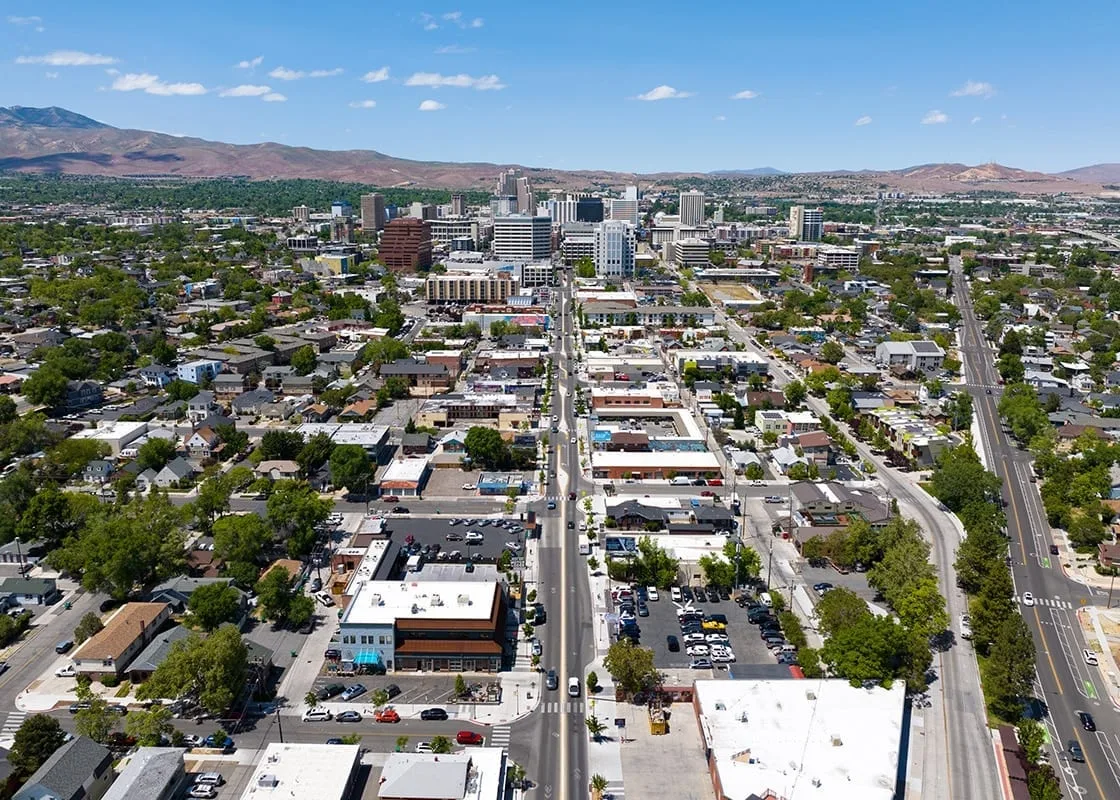
Understanding Cooling Failures
Types of Cooling Problems
When an air conditioner (AC) stops cooling effectively, the issue can manifest in several ways. Sometimes the unit blows hot air, other times warm air, or no air at all. If you want to look at why your AC might be blowing hot air and how to fix it, check out this guide on AC Blowing Hot Air. Each symptom points to a different underlying problem. For example, hot air might indicate a refrigerant leak or compressor failure, while warm air could be due to clogged filters or thermostat issues. No air at all often signals electrical or mechanical failures. Las Vegas residents face unique challenges due to the desert climate, where AC systems work overtime. Understanding these types helps homeowners identify the problem faster and decide on the next steps. The extreme heat can lead to increased wear and tear on components, making it vital for homeowners to stay vigilant and proactive about their cooling systems. Regularly checking the unit’s performance can prevent minor issues from escalating into costly repairs. According to The Cooling Co., AC repairs in Las Vegas typically range from $300 to $1,500, depending on the issue. This wide range reflects the diversity of cooling problems and their complexity. Homeowners should be prepared for the possibility of unexpected costs, especially during the peak summer months when demand for repair services surges.Hot Air vs Warm Air vs No Cooling
Hot air coming from vents usually means the AC is running but failing to cool. This could be due to low refrigerant levels or a faulty compressor. Warm air suggests the system is struggling—perhaps the thermostat is set incorrectly or the air filter is dirty. No cooling at all often results from power issues or a broken fan. For a detailed look at why an AC may stop cooling entirely and what to do, see our Air Conditioner Not Cooling guide. Imagine your AC as a car engine: hot air is like the engine running but overheating, warm air is the engine running inefficiently, and no cooling is the engine not starting at all. Each scenario demands a different approach. Homeowners should familiarize themselves with these symptoms to act quickly. For instance, if hot air is blowing, checking the refrigerant levels or inspecting the compressor could be the first steps before calling a technician.Common Causes Overview
Several factors can cause AC cooling failures. The most common include dirty air filters, thermostat malfunctions, refrigerant leaks, electrical issues like tripped breakers, and mechanical failures such as a broken contactor or capacitor. In Las Vegas, the extreme heat often accelerates wear and tear on these components. Regular maintenance is crucial, as it can help identify these issues before they become significant problems. Expert insights emphasize the importance of proactive maintenance. It’s not just about restoring cold air but preventing future breakdowns. Scheduling routine check-ups can ensure that your AC system runs smoothly, ultimately saving you money in the long run by avoiding major repairs.Emergency vs Non-Emergency
Not all cooling failures require immediate emergency service. For example, a dirty filter causing reduced airflow is a non-emergency and can be fixed with simple maintenance. However, if the AC is blowing hot air during a Las Vegas summer heatwave, it can be an emergency due to health risks from heat exposure. Knowing when to call for emergency help is crucial. If the AC stops working entirely on a 110°F day, waiting could lead to heat exhaustion. Conversely, minor issues like thermostat missettings can wait until regular business hours. Understanding the severity of your AC problem can help you prioritize repairs and avoid unnecessary costs, ensuring that your home remains a safe haven during the sweltering summer months.Safety Considerations
AC repairs involve electrical components and refrigerants, which can be hazardous. Attempting repairs without proper knowledge risks electric shock or refrigerant exposure. For instance, handling refrigerants requires certification due to environmental regulations. In Las Vegas, new rules on refrigerants have increased costs and complexity. As Armust News reports, prices have risen 30% to 40% due to these regulations and coolant shortages. Homeowners should be aware of these changes and consider them when budgeting for repairs or replacements, as the evolving landscape of HVAC regulations can significantly impact overall costs.When to DIY vs Call Pros
Simple tasks like checking thermostat settings or replacing air filters are safe for most homeowners. However, troubleshooting electrical components, refrigerant handling, or compressor issues should be left to licensed HVAC professionals. DIY repairs can save money but risk voiding warranties or causing further damage. For example, a frozen evaporator coil might look like a simple ice problem, but underlying causes require professional diagnosis. It’s essential for homeowners to recognize their limits and understand when it’s time to call in the experts to avoid exacerbating a minor issue into a major repair.Cost Implications
Repair costs in Las Vegas vary widely. Minor fixes like filter replacement may cost under $100, while compressor replacements can exceed $1,000. The recent price hikes due to refrigerant rules have pushed average repair costs into the $300–$1,500 range. Homeowners often hesitate to invest in repairs, fearing high costs. However, delaying fixes can lead to system damage, increasing long-term expenses. It’s crucial to weigh the immediate costs of repair against the potential for more significant expenses down the line, as neglecting small issues can lead to larger, more complex problems that are much more costly to resolve.System Damage Risks
Ignoring cooling problems risks permanent damage. For instance, running an AC with low refrigerant can damage the compressor, leading to costly replacements. Electrical faults left unattended may cause fires or system failures. Regular maintenance can mitigate these risks, extending system lifespan, which in Las Vegas typically ranges from 10 to 15 years according to The Cooling Company. Homeowners should consider investing in annual maintenance plans that include routine checks and cleanings, as these can significantly enhance the reliability and efficiency of their cooling systems.Desert Climate Factors
The desert environment intensifies AC wear. High temperatures mean systems run longer and harder, increasing the chance of breakdowns. Dust and sand also clog filters and coils faster than in milder climates. Understanding this helps homeowners plan more frequent inspections and cleanings to maintain efficiency and avoid unexpected failures. Additionally, using high-quality air filters designed for desert conditions can help reduce the amount of dust entering the system, ultimately prolonging its life and improving indoor air quality.Peak Season Challenges
Las Vegas summers push AC systems to their limits. Peak demand can lead to longer repair wait times and higher service costs. During these months, a minor problem can quickly escalate into an emergency if not addressed promptly. Scheduling seasonal inspections before summer can prevent many issues and ensure the system is ready for peak use. Regular seasonal inspections could prevent many emergency failures entirely. Homeowners should also consider investing in a backup cooling solution, such as portable air conditioners or fans, to have on hand in case of an unexpected breakdown during the hottest days of summer. Maintenance takeaway: Schedule seasonal inspections before summer to catch issues early and avoid costly emergency repairs.Basic Troubleshooting Steps
Thermostat Verification
Start by checking the thermostat settings. Ensure it is set to “cool” mode and the temperature is below the current room temperature. Sometimes, the thermostat may be accidentally set to “heat” or “fan only,” causing confusion. A practical example: A homeowner found their AC not cooling only to discover the thermostat was set to 80°F on a 95°F day. Adjusting it to 72°F restored cooling immediately. It’s also worth noting that some thermostats have a delay feature that prevents the unit from turning on immediately after a setting change, which can lead to further misunderstanding. If the AC doesn’t start cooling right away, give it a few minutes before assuming there’s a problem.Air Filter Inspection
Dirty or clogged air filters restrict airflow, reducing cooling efficiency. Filters should be inspected monthly during peak use and replaced every 1–3 months depending on dust levels. In Las Vegas, dust accumulation is rapid due to the desert environment. A clogged filter can cause the evaporator coil to freeze, leading to further cooling issues. Additionally, using high-efficiency particulate air (HEPA) filters can significantly improve indoor air quality, capturing more allergens and pollutants. Homeowners should consider their specific environment when selecting filters, as those living in high-pollen areas may need to change their filters more frequently.Circuit Breaker Check
Check the breaker panel for any tripped breakers. AC units draw significant power and can trip breakers during overloads or short circuits. Resetting a tripped breaker can restore power but if it trips repeatedly, professional inspection is needed. Example: A breaker tripped due to a failing capacitor, causing the AC to stop cooling. Resetting the breaker only provided temporary relief until the capacitor was replaced. It’s also advisable to familiarize yourself with the breaker panel layout; knowing which breaker corresponds to the AC unit can save time during troubleshooting. If there are frequent trips, it may indicate an underlying electrical issue that requires immediate attention from a qualified electrician.Power Supply Confirmation
Ensure the AC unit is receiving power. Check that the outdoor unit is plugged in and the disconnect switch is on. Power outages or electrical faults can interrupt AC operation. Sometimes, the outdoor unit’s power supply is overlooked, leading to unnecessary service calls. Additionally, it’s important to inspect the power cord for any signs of wear or damage, as frayed wires can lead to shorts or complete power loss. If the unit appears to be receiving power but still isn’t functioning, it may be beneficial to check for any blown fuses in the disconnect box, which can often be a quick fix.Outdoor Unit Observation
Inspect the outdoor condenser unit for debris, dirt, or obstructions. Blocked airflow reduces cooling capacity. Clear leaves, dirt, and other debris regularly to maintain efficiency. In Las Vegas, sandstorms can quickly coat condenser fins, so cleaning after storms is essential. Regular maintenance not only improves efficiency but can also extend the lifespan of the unit. Homeowners should consider scheduling professional cleanings at least once a year, especially before the peak summer months, to ensure the unit is operating at its best. Furthermore, ensuring that there is adequate space around the unit—typically at least two feet of clearance—can help maintain optimal airflow and prevent overheating. Maintenance takeaway: Regularly inspect and clean filters and outdoor units to maintain airflow and efficiency.Common Problems and Solutions
Dirty or Clogged Filter
Filters trap dust and debris but need regular replacement. A clogged filter reduces airflow, forcing the system to work harder and potentially freezing the evaporator coil. Solution: Replace filters every 1–3 months. For dusty environments like Las Vegas, monthly checks are advisable.Incorrect Thermostat Settings
Thermostat errors are common and easily fixed. Incorrect mode, temperature, or dead batteries can stop cooling. Solution: Verify settings, replace batteries annually, and consider upgrading to a programmable thermostat for better control and energy savings.Tripped Breakers
Electrical overloads can trip breakers, cutting power to the AC. This often signals underlying electrical issues. Solution: Reset the breaker. If it trips again, call a professional to diagnose and fix the root cause.Frozen Evaporator Coil
Ice buildup on the evaporator coil blocks airflow and stops cooling. Causes include dirty filters, low refrigerant, or blower issues. Learn more about keeping coils clean and maintaining optimal AC performance in our Dirty Evaporator Coil guide. Solution: Turn off the AC to thaw the coil, replace filters, and call a technician to check refrigerant levels and blower function.Low Refrigerant Levels
Refrigerant absorbs heat, enabling cooling. Leaks reduce refrigerant, causing hot air output and possible compressor damage. Solution: Only licensed HVAC technicians should handle refrigerant. Repairs involve leak detection, sealing, and recharging. Due to new refrigerant regulations, costs have risen significantly in Las Vegas.Failed Capacitor
The capacitor provides the initial jolt to start the compressor and fan motors. A failed capacitor prevents the AC from running correctly. Solution: Replacement by a professional is required. Symptoms include humming noises or the fan not spinning.Broken Contactor
The contactor controls power flow to the compressor and fan. A broken contactor stops the AC from operating. Solution: Professional diagnosis and replacement are necessary. Signs include the unit not turning on despite power availability. Maintenance takeaway: Address minor issues promptly to avoid costly repairs and extend system lifespan.Cost Drivers for Hot-Air AC Repairs
Costs vary with the root cause and how long the system has been running in a failed state. Refrigerant leaks require leak detection and proper repairs before recharging. Electrical failures like capacitors and contactors are usually less expensive if caught early. Compressor damage, blower motor failure, or coil replacement typically increases total cost because of parts and labor complexity.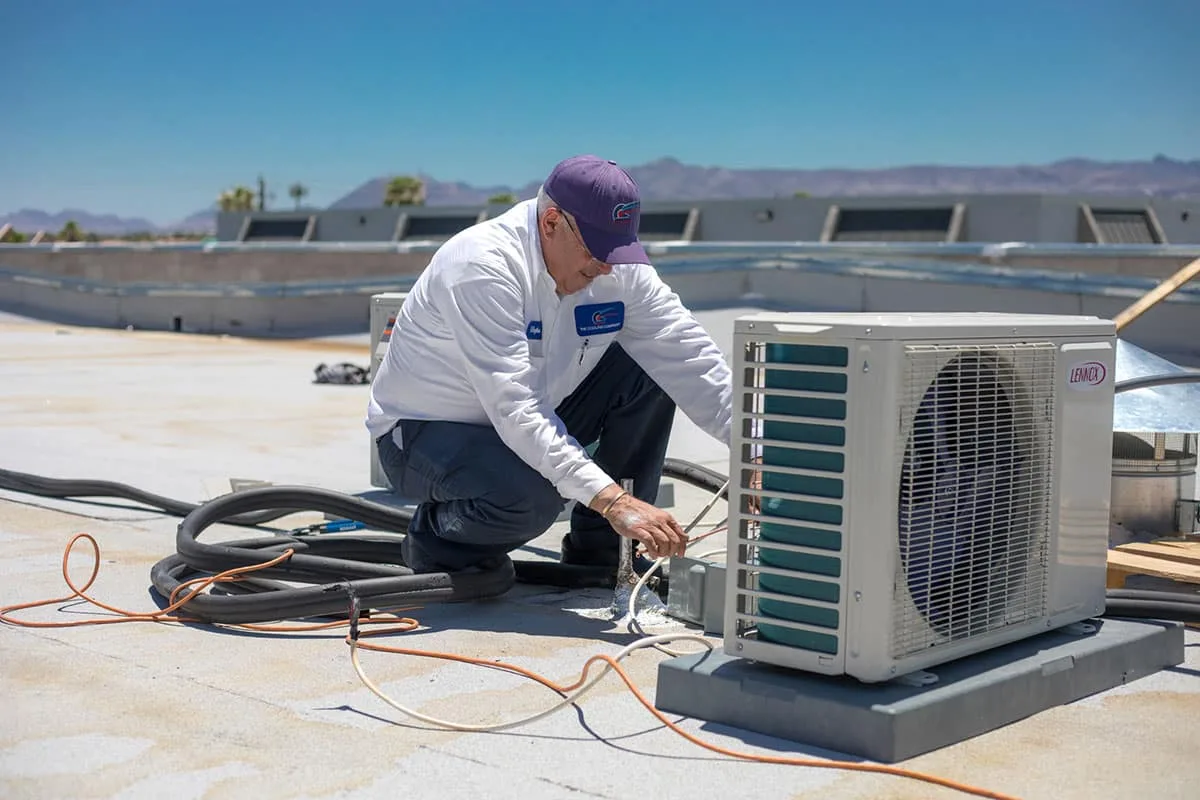
Decision Guidance: When to Call a Pro
DIY checks are appropriate for thermostat settings, filters, vents, and breaker resets. Call a pro if the outdoor unit won’t run, you see ice on refrigerant lines, or the system cycles but never cools. In Las Vegas, running a system with low refrigerant or a struggling compressor can cause rapid damage in extreme heat.Prevention: Avoid Hot-Air Failures
Replace filters monthly during peak season, rinse outdoor coils after dust events, and schedule a spring tune-up before the first major heatwave. Keep condenser airflow clear and avoid shutting supply vents, which raises pressure and contributes to icing or overheating.Neighborhoods We Commonly Serve
- Downtown Las Vegas
- Paradise
- Sunrise Manor
- North Las Vegas
- Silverado Ranch
- Mountains Edge
Trust & Guarantees
- Serving Las Vegas since 2011
- 55+ years combined experience
- Licensed, EPA-certified technicians
- 100% satisfaction guarantee
- BBB A+ rated
- Lennox Premier Dealer
Find Us on the Map
Share This Page
Ready for Reliable AC Solutions?
You may qualify for federal tax credits and rebates that reduce your upfront cost.
Need HVAC Service in Las Vegas?
The Cooling Company provides expert HVAC service throughout Las Vegas, Henderson, and North Las Vegas. Our licensed technicians deliver honest assessments, upfront pricing, and reliable results.
Call (702) 567-0707 or visit AC repair, maintenance, heating, or installation for details.