


Short answer: If your AC is running but not cooling in Las Vegas, check thermostat mode, filter condition, vents, and the outdoor unit first. If the system ices up, cycles without cooling, or the outdoor fan won’t run, shut it down and schedule a professional diagnostic.
Las Vegas Essentials & Challenges
Desert dust, long cooling seasons, and intense afternoon heat load make AC performance issues show up faster in Las Vegas. Homes with west-facing windows or poor attic insulation often see rapid temperature gains, which can mask or worsen cooling problems. Keeping filters and coils clean is critical in this climate.
Overview and quick answers
Is the AC running but not cooling
Sometimes your AC might seem broken, but is it just blowing warm air, completely hot air, or not cooling at all? It can be hard to tell what’s really going on. Our guide on AC Not Cooling or Blowing Hot Air in Las Vegas breaks down the difference, helping you pinpoint the problem and decide whether it’s a simple fix, a maintenance issue, or an urgent repair. When your air conditioner runs but fails to cool, it’s a frustrating signal that something’s off. The fan might be blowing air, but if it’s not cold, the problem could stem from several sources—from a simple thermostat setting to more complex mechanical issues. Before calling a technician, it’s worth verifying if the unit is truly running as expected or just cycling on and off. One quick way to check is to listen for the outdoor unit’s compressor. If it’s silent or making unusual noises, the system might be struggling to compress refrigerant, a key step in cooling. According to the International Energy Agency, inefficient or malfunctioning air conditioners contribute significantly to global electricity use, making timely fixes important not only for comfort but also for energy savings [IEA report]. Homeowners often wonder if running the AC continuously will worsen the problem. While constant operation can strain the system, turning it off abruptly without diagnosing the issue may lead to bigger repairs. It’s best to perform basic checks first, which are outlined below.What is the supply air temperature
Supply air temperature refers to the temperature of the air blowing out of your AC vents. Ideally, this should be significantly cooler than the room air—typically around 15 to 20 degrees Fahrenheit lower. If the air coming from the vents is only slightly cooler or not cool at all, it indicates a cooling deficiency. For example, if your room temperature is 80°F and the supply air is 75°F, the system isn’t removing enough heat. This could be due to low refrigerant levels or dirty coils. Measuring this temperature difference with a simple thermometer can give you immediate insight into your AC’s health. Additionally, understanding the temperature differential can help you gauge the overall efficiency of your system and whether it may be time for an upgrade or more extensive repairs.Any ice on lines or coil
Ice buildup on refrigerant lines or evaporator coils is a common symptom of AC problems. It usually means the system isn’t circulating refrigerant properly or airflow is restricted. Ice acts like insulation, preventing heat exchange and causing the AC to lose cooling power. Imagine trying to cool a drink with a frozen straw—the cold can’t flow effectively. If you notice ice, it’s a sign to shut off the system to avoid compressor damage and investigate causes such as clogged filters or low refrigerant. In some cases, ice formation can also be a result of excessively humid conditions, which can overwhelm the system's ability to dehumidify while cooling. Therefore, monitoring humidity levels in conjunction with temperature can provide a more comprehensive view of your AC's performance.Is the filter dirty or collapsed
A dirty or collapsed air filter restricts airflow, forcing the system to work harder and reducing cooling efficiency. Filters trap dust and debris, but over time they clog and become less effective. This can cause the evaporator coil to freeze and the AC to underperform. Replacing or cleaning filters every 1-3 months during heavy use is a simple, cost-effective maintenance step. Many homeowners overlook this, but it’s one of the easiest fixes to improve cooling and protect your system’s lifespan. Additionally, investing in high-efficiency particulate air (HEPA) filters can enhance air quality and further reduce the burden on your AC system, making it a win-win for both health and efficiency.Are supply and return vents open
Closed or blocked supply and return vents can drastically reduce airflow, leading to poor cooling. Return vents pull warm air into the system, while supply vents deliver cooled air back into rooms. If either is obstructed, the AC cannot cycle air properly. Check that all vents are fully open and unobstructed by furniture or curtains. This quick check often resolves uneven cooling issues without needing professional help. Furthermore, consider the layout of your space; sometimes, relocating furniture or adjusting the placement of vents can significantly improve airflow and comfort in different areas of your home.Is the outdoor unit hot or blocked
The outdoor condenser unit dissipates heat from your home. If it’s hot to the touch or blocked by debris like leaves, dirt, or plants, it can’t release heat efficiently. This causes the system to overheat and reduces cooling performance. Regularly clearing around the unit and gently cleaning fins can prevent overheating. In May 2024, G&D Chillers introduced a propane-based chiller highlighting the industry’s push for sustainable, efficient outdoor units that reduce environmental impact. Moreover, landscaping choices around the unit can also play a role; selecting plants that require minimal maintenance can help keep the area clear and ensure optimal airflow year-round.What was the last maintenance
Knowing when your AC was last serviced helps diagnose current issues. Regular maintenance—typically annual—is crucial for peak performance and longevity. It includes cleaning coils, checking refrigerant levels, inspecting electrical components, and replacing filters. Neglecting maintenance can lead to inefficiencies and breakdowns. If it’s been over a year, scheduling a professional tune-up is advisable. Additionally, keeping a detailed log of maintenance activities can help track the history of your unit, making it easier to identify patterns or recurring issues that may need addressing.When did the issue start
Identifying when the cooling problem began can pinpoint causes. Sudden failure might indicate a refrigerant leak or electrical fault, while gradual decline often suggests dirty components or wear and tear. For example, if the AC stopped cooling after a storm, debris or power surges could be factors. Tracking the timeline aids technicians in accurate diagnosis. Moreover, documenting any unusual behavior or sounds leading up to the issue can provide valuable insights that may assist in troubleshooting and ultimately lead to a quicker resolution.When to shut the system off
Shut off the AC immediately if you notice ice buildup, strange noises, burning smells, or if the system cycles rapidly without cooling. Continuing to run the unit under these conditions risks severe damage and costly repairs. Turning off the system also prevents excessive energy waste. Remember, air conditioning accounts for nearly 20% of building electricity use globally, according to the International Energy Agency. Efficient operation is key to reducing this footprint. Additionally, consider investing in smart thermostats that can help monitor and optimize your system's performance, further enhancing energy efficiency and comfort. Maintenance takeaway: Regularly inspect your AC’s filters, vents, and outdoor unit to catch issues early and maintain cooling efficiency.Common causes and symptoms
Clogged filter and low airflow
Air filters trap dust and allergens but become clogged over time, restricting airflow. Reduced airflow means less warm air reaches the evaporator coil, causing inefficient cooling and potential coil freezing. Consider a homeowner who noticed weak airflow and uneven cooling in their home. After replacing a heavily clogged filter, airflow improved immediately, restoring proper cooling. This simple fix costs $10-$30 and can be done safely by most homeowners. Ignoring clogged filters can shorten your AC’s lifespan and increase energy bills. For better results, choose filters rated MERV 8-13, balancing filtration and airflow. If you want to examine why your AC might be blowing hot air and explore detailed fixes, see our guide on AC Blowing Hot Air: Causes, Fixes & Prevention (Las Vegas Guide).Dirty evaporator or condenser coils
Coils are essential for heat exchange. Evaporator coils absorb heat from indoor air, while condenser coils release it outside. Dirt buildup acts like insulation, reducing efficiency and causing the system to overheat. Dirty coils often cause the AC to run longer without cooling effectively. A professional coil cleaning, typically costing $100-$200, restores performance and can prevent premature system failure. Consider scheduling coil cleaning every 1-2 years, especially in dusty or polluted environments.Frozen coil and icing signs
Ice on coils or refrigerant lines signals airflow problems or low refrigerant. When airflow is restricted, the evaporator coil gets too cold, freezing moisture from the air. Similarly, low refrigerant reduces pressure, causing freezing. Frozen coils reduce cooling and can damage compressors if ignored. Homeowners should turn off the AC and allow ice to melt before attempting fixes. Persistent icing requires professional diagnosis.Low refrigerant from a leak
Refrigerant is the lifeblood of your AC’s cooling process. Leaks reduce refrigerant levels, diminishing cooling capacity and causing the system to overwork. Signs include weak cooling, hissing sounds, and ice buildup. Refrigerant leaks must be repaired by licensed technicians due to environmental regulations and safety. The Global Air Conditioner Market is increasingly focusing on sustainable refrigerants to reduce environmental impact, as 47% of global HFC use is from building ACs, with leakage contributing heavily to global warming.Duct leakage and loose boots
Leaky or disconnected ducts allow cooled air to escape before reaching rooms, causing uneven cooling and wasted energy. Loose boots-the connections between ducts and vents-can also leak air. Homeowners experiencing hot spots or high energy bills should inspect accessible ducts for visible damage. Sealing ducts with mastic or metal tape improves efficiency and comfort. Professional duct sealing can cost $300-$1,000 but often pays back in energy savings. This is especially important as urbanization drives increased AC demand, highlighted in recent market growth reports [Ken Research]. Maintenance takeaway: Replace filters regularly and schedule coil cleanings to maintain airflow and prevent icing.How to choose next steps
What you can DIY safely
Homeowners can safely replace or clean air filters, open vents, and clear debris around the outdoor unit. Checking thermostat settings and resetting breakers are also simple steps. These actions cost little and can restore cooling quickly. However, avoid handling refrigerant, electrical components, or internal coil cleaning without professional training. Doing so risks injury, voids warranties, and may violate regulations.What to check before calling
Before calling a technician, verify that the thermostat is set to “cool” and at a temperature lower than room temperature. Ensure circuit breakers are on and that outdoor units are free of obstructions. Document any unusual noises, odors, or patterns in cooling failure. This information helps technicians diagnose problems faster, potentially reducing service costs.Thermostat and power sanity checks
Thermostat malfunctions can mimic AC failures. Check batteries if applicable and confirm the thermostat is communicating with the system. Power issues such as tripped breakers or blown fuses are common culprits for sudden shutdowns. Replacing a thermostat or resetting breakers is often a good first step before scheduling repairs.When to schedule maintenance
Annual professional maintenance is recommended to keep your system running efficiently and avoid unexpected breakdowns. Maintenance includes cleaning coils, checking refrigerant, inspecting electrical connections, and testing system performance. Scheduling maintenance before peak cooling seasons ensures your AC is ready for heavy use, extending its lifespan and improving energy efficiency.When to request coil cleaning
If your AC runs longer than usual, cools unevenly, or you notice visible dirt on coils, it’s time for a coil cleaning. Dirty coils reduce efficiency and can cause system overheating. Regular cleaning every 1-2 years is a good rule of thumb, especially in dusty areas. Professional cleaning restores heat exchange efficiency and reduces energy consumption.When charge verification is needed
Low refrigerant charge is a common cause of poor cooling. If you suspect a leak or notice ice buildup, have a licensed technician verify refrigerant levels and repair leaks. Recharging refrigerant without fixing leaks is a temporary fix and environmentally harmful. New refrigerants like propane-based options introduced by companies such as G&D Chillers offer sustainable alternatives, reducing climate impact.When to ask about duct sealing
If your home has uneven cooling or high energy bills despite a functioning AC, duct leakage may be the cause. Request a duct inspection and sealing from your HVAC provider. Properly sealed ducts improve comfort and reduce wasted energy. Sealing ducts is especially important in older homes or those with recent renovations.When to call after-hours
Call after-hours for AC issues that pose safety risks, such as burning smells, electrical sparks, or complete system failure during extreme heat. Prompt response prevents damage and protects occupants. For non-emergency issues, scheduling regular business hours is usually sufficient and more cost-effective. Maintenance takeaway: Know your limits: DIY filter changes and vent checks are safe; refrigerant and electrical work require licensed professionals.Cost Drivers for “Not Cooling” Diagnostics
Costs depend on the underlying issue and how much troubleshooting is required. Simple fixes like filters or thermostat replacements are low cost. Electrical testing, capacitor replacement, or contactor repairs are mid-range. Refrigerant leaks, compressor issues, or coil replacement can raise costs due to parts, labor, and refrigerant regulations.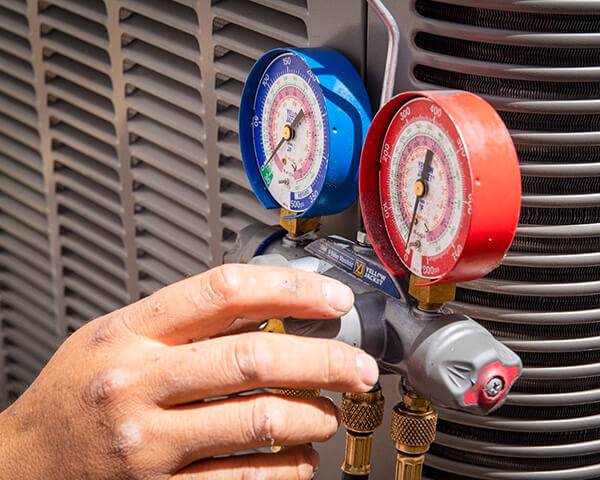
Decision Guidance: Repair vs Replace vs Wait
If the unit is under 10 years old and the issue is airflow or electrical, repair usually makes sense. If the system uses older refrigerant or has repeated summer failures, it may be time to consider replacement and improved efficiency. Avoid “waiting it out” during triple-digit heat—running a failing system can turn a small repair into a major replacement.Prevention: Reduce Recurring Cooling Issues
Change filters monthly from May through September, keep return vents clear, and rinse the outdoor coil after dusty or windy days. Schedule a spring tune-up so issues are addressed before the first heat wave. Consistent maintenance reduces icing, short-cycling, and reduced airflow problems.Neighborhoods We Commonly Serve
- Summerlin South
- Spring Valley
- Henderson
- Green Valley Ranch
- Enterprise
- Centennial Hills
Trust & Guarantees
- Serving Las Vegas since 2011
- 55+ years combined experience
- Licensed, EPA-certified technicians
- 100% satisfaction guarantee
- BBB A+ rated
- Lennox Premier Dealer
Find Us on the Map
Share This Page
Ready for Cool Comfort? Schedule with The Cooling Company
Learn about available federal tax credits and rebates for energy-efficient HVAC equipment.
Related service: Experiencing AC problems in Las Vegas? Explore our AC repair and AC maintenance services for Las Vegas homeowners.
Need HVAC Service in Las Vegas?
The Cooling Company provides expert HVAC service throughout Las Vegas, Henderson, and North Las Vegas. Our licensed technicians deliver honest assessments, upfront pricing, and reliable results.
Call (702) 567-0707 or visit AC repair, maintenance, heating, or installation for details.