

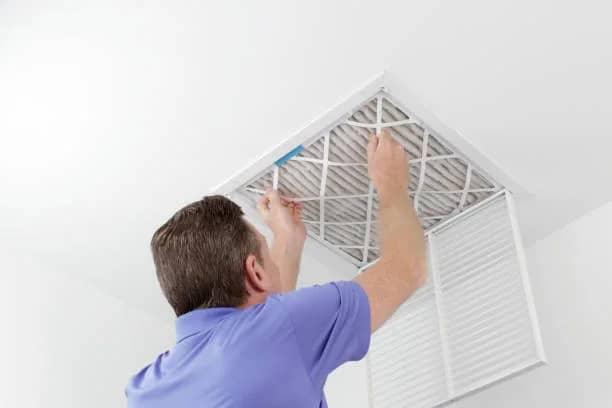
Short answer: AC pricing by size in Las Vegas is driven by tonnage (capacity), efficiency (SEER), and installation complexity. The right size prevents short-cycling and high bills, while oversizing or undersizing increases long-term costs in desert heat.
See our SEER ratings guide to understand efficiency and savings.
Las Vegas Essentials & Challenges
Because Las Vegas homes face long cooling seasons, correct sizing matters more than in cooler regions. High attic temperatures, sun exposure, and insulation quality can push required tonnage upward. Older ductwork or leaky returns also affect sizing and increase installed cost.
Understanding AC Sizing and Pricing
What Are Tons and BTUs in AC Terms
When discussing air conditioners, the terms "tons" and "BTUs" often come up, but what do they really mean? A "ton" in AC terminology refers to the cooling capacity of the unit. One ton equals 12,000 BTUs (British Thermal Units) per hour, which is the amount of heat required to melt one ton of ice in 24 hours. Think of it as the unit’s power to remove heat from your home. For example, a 3-ton AC unit can remove 36,000 BTUs of heat per hour. It’s like having a powerful fan that can cool a large room efficiently. Understanding these measurements helps homeowners select the right size unit for their space, ensuring comfort without overspending. Additionally, the cooling capacity needed can vary based on factors such as the number of windows, the orientation of your home, and even the number of occupants. Therefore, a thorough assessment of these elements can lead to a more tailored solution, enhancing both comfort and energy efficiency. Get your AC installed right the first time with professional AC installation in Las Vegas, sized for efficiency, comfort, and long-term savings.How Size Affects AC Pricing
The size of an AC unit directly influences its price. Larger units with higher tonnage and BTU ratings cost more upfront due to the increased materials and technology required. For instance, a 1.5-ton system will be significantly less expensive than a 5-ton system. However, the price isn’t just about the unit itself; installation complexity and efficiency ratings also play roles. In 2024, the average cost to install an AC unit was around $5,967, with most homeowners spending between $3,905 and $8,028 depending on size and features, according to HomeAdvisor. For brand-specific pricing at each tonnage, see our HVAC brand hub. This range highlights how size affects overall costs. Furthermore, energy efficiency ratings, such as SEER (Seasonal Energy Efficiency Ratio), can significantly impact long-term operating costs, making it essential to consider not just the initial investment but also the potential savings over the lifespan of the unit. Investing in a more efficient model may result in a higher upfront cost but can lead to substantial savings on energy bills.Las Vegas Sizing Requirements
Las Vegas’s hot desert climate demands careful consideration when sizing an AC unit. High temperatures and low humidity mean your system needs to be robust enough to cool efficiently during scorching summer months. Typically, homes in Las Vegas require larger capacity units compared to cooler regions. Local HVAC professionals often recommend sizing based on square footage combined with factors like insulation quality and sun exposure. For example, a 2,000 square foot home might need a 3.5 to 4-ton system to maintain comfortable indoor temperatures. This sizing ensures the unit can handle peak heat without constantly running. Additionally, the orientation of the house and the type of windows installed can greatly affect cooling needs. Homes with large, south-facing windows may require additional capacity to counteract the heat gain from sunlight, further emphasizing the importance of a comprehensive evaluation during the sizing process.Common Sizing Mistakes to Avoid
One frequent error is oversizing the AC unit. Many homeowners believe bigger is better, but an oversized system will short-cycle—turning on and off frequently—which wastes energy and wears out components faster. Conversely, undersized units struggle to cool the space, running continuously and driving up energy bills. For example, installing a 5-ton unit in a 1,200 square foot home might seem like a quick fix, but it will lead to uneven cooling and higher utility costs. Proper sizing avoids these pitfalls and extends the lifespan of your system. Homeowners should also be aware of the importance of regular maintenance, as neglecting routine checks can exacerbate issues related to improper sizing. A well-maintained system, regardless of size, will perform better and more efficiently, helping to mitigate some of the drawbacks associated with incorrect sizing.Professional Sizing vs Rules of Thumb
While rules of thumb like “20 BTUs per square foot” provide a rough estimate, professional sizing uses detailed calculations considering insulation, window placement, and local climate. HVAC technicians perform Manual J load calculations to determine the exact cooling load needed. This precision prevents costly mistakes. For instance, a professional might recommend a 3-ton unit for a home where a rule of thumb suggests 3.5 tons, saving the homeowner money upfront and in energy costs over time. It's also worth noting that these calculations take into account not just the physical dimensions of the space but also the lifestyle of the occupants. For example, a home with multiple electronic devices or frequent cooking may require additional cooling capacity, which a professional can identify through a thorough assessment.Why Proper Sizing Matters
Proper sizing ensures your AC unit performs efficiently, maintains comfort, and lasts longer. An accurately sized system balances cooling capacity and energy consumption, preventing wear and tear from overuse or short-cycling. Consider a homeowner who installed an undersized unit; they might experience hot spots and high energy bills. Proper sizing eliminates these issues, providing consistent comfort and cost savings. Moreover, a correctly sized unit can improve indoor air quality by maintaining optimal humidity levels, which is especially important in climates like Las Vegas, where dry air can lead to discomfort and health issues. This balance of temperature and humidity is crucial for creating a pleasant living environment.Cost of Incorrect Sizing
Incorrect sizing can lead to increased repair costs and premature replacement. Oversized units may fail early due to frequent cycling, while undersized units run nonstop, straining components. In Las Vegas, where AC use is heavy, these costs add up quickly. Investing in professional sizing upfront can save thousands in repairs and energy bills over the system’s lifespan. Additionally, the environmental impact of inefficient units should not be overlooked. Units that operate inefficiently contribute to higher greenhouse gas emissions, making proper sizing not just a financial decision but also an environmentally responsible one.Size Impact on Energy Bills
The size of your AC unit directly affects your energy consumption. An oversized unit uses more electricity during each cycle, while an undersized unit runs longer, both leading to higher bills. Upgrading from a 10 SEER to a 16 SEER unit, for example, can save $300 or more annually, depending on usage and rates. Proper sizing combined with high efficiency is key to lowering costs. Moreover, understanding your energy consumption can empower homeowners to make informed decisions about their cooling needs, potentially leading to further savings through energy-efficient upgrades or changes in usage patterns.Comfort Issues from Wrong Size
Comfort suffers when your AC unit is the wrong size. Oversized units cool quickly but don’t run long enough to dehumidify, leaving the air clammy. Undersized units struggle to reach desired temperatures, causing uneven cooling and discomfort. For example, a large unit in a small space might create cold spots near vents but leave other areas warm. Proper sizing ensures even temperature distribution and humidity control. Additionally, a well-sized unit can operate more quietly, as it won’t have to work as hard to maintain the desired temperature, contributing to a more pleasant indoor environment. Homeowners should also consider the impact of airflow and ductwork design, as these elements is essential for the overall effectiveness of the AC system.Warranty Implications of Sizing
Many manufacturers require proper sizing for warranty validity. Incorrectly sized units may void warranties if damage results from improper installation or operation. Always consult with your installer and verify that sizing meets manufacturer guidelines. This protects your investment and ensures coverage if issues arise. Additionally, maintaining documentation of the installation process and any professional assessments can be invaluable should warranty claims need to be made in the future. Understanding the terms of your warranty can provide peace of mind, knowing that your investment is safeguarded against unforeseen complications.AC Prices by Tonnage
1.5 Ton AC Unit Prices
Small homes or apartments often require a 1.5-ton AC unit. These units typically cost between $2,500 and $4,000 installed, depending on efficiency and brand. They’re ideal for spaces up to 600 square feet. Good: Basic 1.5-ton units with standard SEER ratings fit tight budgets. Better: Mid-range units offer improved efficiency and quieter operation. Best: High SEER models with smart controls provide maximum savings and comfort.2 Ton System Costs
For slightly larger spaces, a 2-ton system is common. Installation costs range from $3,000 to $5,000. These units suit homes around 800 to 1,000 square feet. Choosing a higher SEER rating can reduce energy bills long-term, making the initial investment worthwhile. Always consider local climate demands, especially in Las Vegas heat. For more details on pricing, efficiency, and installation, see our 2 Ton AC Price guide.2.5 Ton AC Pricing
A 2.5-ton unit fits mid-sized homes, roughly 1,000 to 1,200 square feet. Prices typically fall between $3,500 and $5,500 installed. This size balances cost and capacity for many homeowners. For more detailed pricing, features, and efficiency options, see our 2.5 Ton AC Price guide. Upgrading to a 16 SEER unit at this size can yield significant annual savings, especially in hot climates.3 Ton Unit Prices
Three-ton units are popular for average-sized homes, around 1,200 to 1,500 square feet. Installation costs generally range from $5,800 to $7,800, according to HomeGuide. These systems offer solid performance for typical households. For more detailed pricing, specifications, and efficiency options, see our 3 Ton AC Price guide. Good: Standard efficiency models. Better: Units with variable speed compressors. Best: High-efficiency systems with advanced filtration and smart thermostats.3.5 Ton System Costs
For homes between 1,500 and 1,800 square feet, 3.5-ton units are common. Costs can vary from $6,000 to $8,000 installed. These systems handle larger spaces and maintain comfort during peak heat. Consider the balance between upfront cost and long-term savings when selecting efficiency levels.Larger Capacity Systems
4 Ton AC Unit Pricing
Four-ton units are suitable for homes around 1,800 to 2,200 square feet. Installation costs typically range from $7,000 to $9,000. These units provide robust cooling for larger living spaces. Higher efficiency models may push costs closer to $10,000 but offer substantial energy savings in Las Vegas’s hot climate. For full details on 4 ton AC pricing, see our 4 Ton AC Price guide.4.5 Ton System Costs
For even larger homes, 4.5-ton systems cost between $7,500 and $9,500 installed. These units are less common but necessary for homes with extensive square footage or poor insulation. Investing in professional sizing is critical at this level to avoid overspending and inefficiency.5 Ton AC Prices
Five-ton units, often used in homes over 2,200 square feet, range from $7,000 to $9,500 on average. Complex installations or high-efficiency models can push costs up to $12,000, especially in markets like Las Vegas, where sources report higher prices for advanced systems. Good: Standard units for large homes. Better: High-efficiency models with zoned controls. Best: Premium systems with smart home integration and superior filtration.Commercial Size Considerations
Commercial properties require larger capacity systems beyond 5 tons, often customized to specific building needs. These installations involve complex ductwork and zoning to maintain efficiency. Costs vary widely, and professional consultation is essential. Commercial units prioritize durability and continuous operation.Multi-Zone System Options
Multi-zone systems allow different areas of a home or building to be cooled independently, improving comfort and efficiency. These systems often combine multiple smaller units or use ductless mini-splits. While more expensive upfront, multi-zone setups reduce energy waste by cooling only occupied spaces.Dual System Alternatives
Dual systems use two separate AC units to handle different zones or floors. This approach offers redundancy and tailored comfort but increases installation complexity and cost. Homeowners with large or multi-story homes benefit from this flexibility.Package Unit Sizing
Package units combine heating and cooling components in one outdoor unit, saving indoor space. They come in various sizes, typically from 1.5 to 5 tons, and are popular in areas with limited indoor space. Pricing aligns with tonnage but may include additional installation costs due to specialized ductwork. Maintenance Takeaway: Regardless of size, regular maintenance-such as cleaning filters, checking refrigerant levels, and inspecting ductwork-ensures your AC unit runs efficiently and lasts longer. Scheduling annual professional tune-ups is a wise investment to protect your system and your wallet.Cost Drivers Beyond Tonnage
Installed price depends on more than size. High-efficiency equipment, variable-speed systems, electrical upgrades, duct modifications, and difficult attic access all add to total cost. Local permits, code compliance, and removal of old equipment are also common line items in Las Vegas.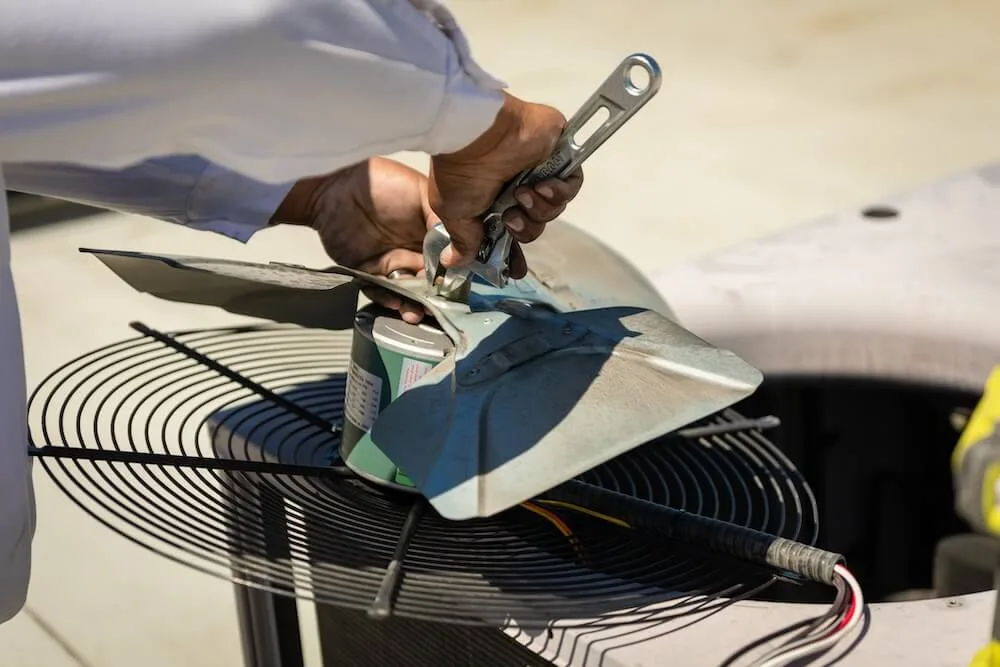
Decision Guidance: How to Choose the Right Size
Start with a Manual J load calculation and ask your contractor to explain insulation, window exposure, and duct leakage assumptions. If a quote is based only on square footage, request a full load analysis. The best decision balances comfort, humidity control, and long-term operating costs—not just upfront price.Prevention: Avoid Oversizing and Early Failures
Oversized units short-cycle and wear out faster, while undersized units run nonstop and struggle in extreme heat. Proper sizing, sealed ducts, and regular maintenance prevent premature failures and protect warranties. Replace filters monthly in summer and schedule spring tune-ups before peak demand.Neighborhoods We Commonly Serve
- Summerlin
- Henderson
- Green Valley
- Aliante
- Centennial Hills
- Southern Highlands
Trust & Guarantees
- Serving Las Vegas since 2011
- 55+ years combined experience
- Licensed, EPA-certified technicians
- 100% satisfaction guarantee
- BBB A+ rated
- Lennox Premier Dealer
Find Us on the Map
Share This Page
Ready for Perfect Comfort? Let The Cooling Company Help!
Learn about available federal tax credits and rebates for energy-efficient HVAC equipment.
Related reading:
Need HVAC Service in Las Vegas?
The Cooling Company provides expert HVAC service throughout Las Vegas, Henderson, and North Las Vegas. Our licensed technicians deliver honest assessments, upfront pricing, and reliable results.
Call (702) 567-0707 or visit AC repair, maintenance, heating, or installation for details.