
Leaks, damage, and emergency repair
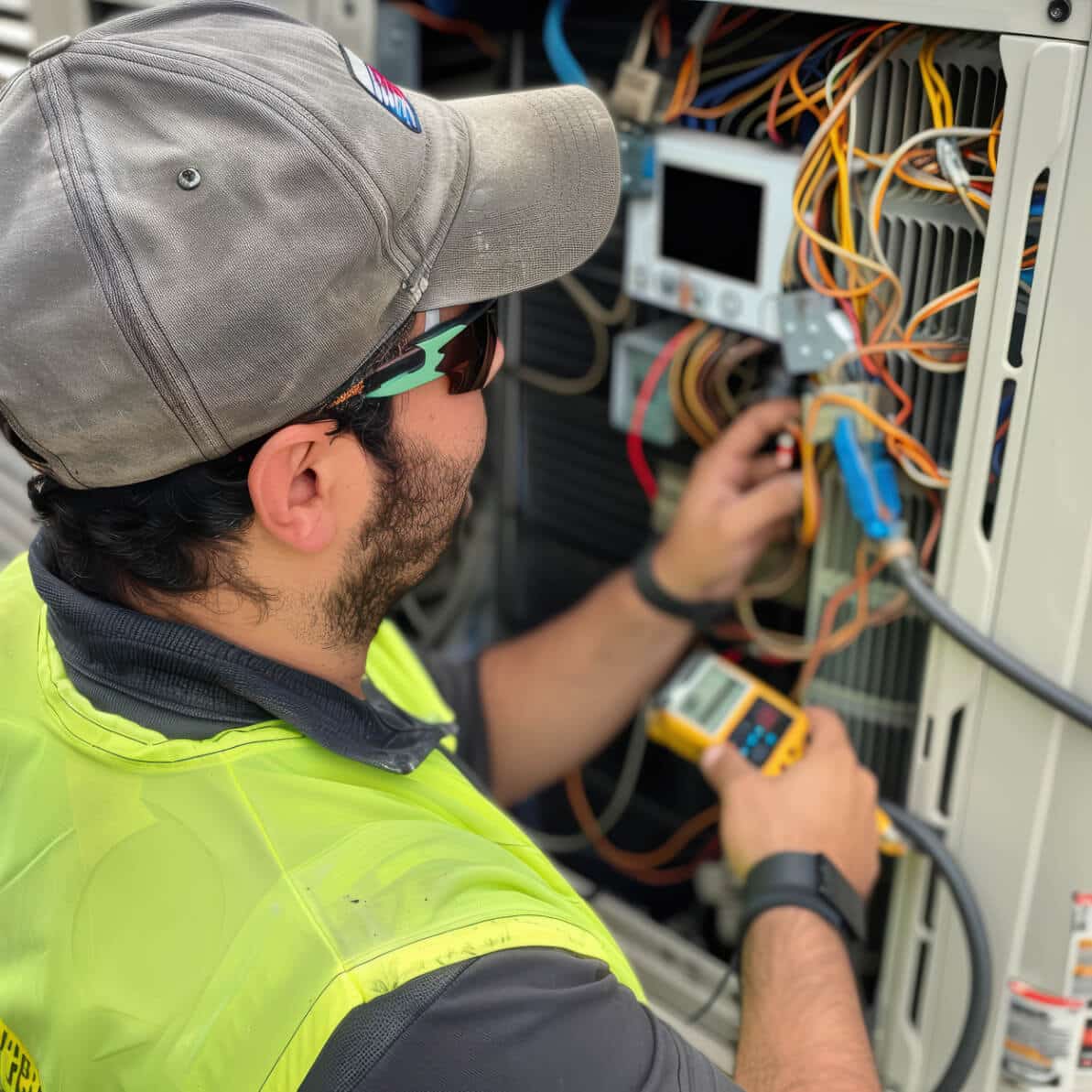
Emergency AC Leak? Don’t wait for water damage to get worse. Call or schedule AC Repair now with The Cooling Company’s certified technicians for fast, reliable service in Las Vegas.How ACs Create Water
Short answer: Air conditioners cool indoor air by removing heat and moisture. This moisture condenses on the evaporator coil, much like water droplets forming on a cold glass on a hot day. The condensed water, known as condensate, then drips into a drain pan and is routed outside through a drain line. This process is essential for maintaining indoor comfort and humidity control.
Desert Climate Condensation
Las Vegas experiences a desert climate with very hard water, measuring around 280–290 parts per million in total hardness according to the Las Vegas Valley Water District. This hardness can contribute to mineral buildup in AC drainage systems, complicating condensate management. The high mineral content can lead to scaling on the evaporator coil, which may reduce the unit's efficiency and increase the likelihood of leaks. Despite the dry outdoor air, indoor environments can generate enough moisture to create significant condensate, especially during the hot summer months when air conditioners run continuously. Proper drainage is critical to prevent water from pooling and causing leaks. Furthermore, activities such as cooking, showering, and even breathing contribute to indoor humidity levels, which can amplify the condensate production, necessitating efficient drainage solutions to handle the increased load.Normal Vs Excessive Water
Under normal operation, an AC unit produces a predictable amount of condensate that the drainage system can handle efficiently. Excessive water production typically signals a problem such as a clogged drain line, malfunctioning components, or improper installation. Regular maintenance checks can help ensure that the unit is functioning optimally, thus preventing issues that could lead to excessive water production. For example, if an AC system is oversized or running inefficiently, it may cycle on and off frequently, leading to irregular condensate production and potential overflow. If your AC is running but still not cooling properly, check our AC Not Cooling guide for common causes and practical fixes. Regular inspections help identify these issues before water damage occurs. Homeowners should also be aware of the signs of inefficiency, such as increased energy bills or inconsistent cooling, which can indicate that the system is not operating as it should.Drainage System Components
The drainage system includes the drain pan, drain line, P-trap, and venting components. Each plays a role in safely directing condensate away from the AC unit and the home’s interior. The drain pan collects water from the evaporator coil, while the drain line carries it outside or to a designated disposal area. Understanding these components can help homeowners troubleshoot issues more effectively. Proper sizing and routing of these components are essential to prevent backups or leaks. For instance, a poorly sloped drain line can cause water to pool and overflow, leading to damage. Additionally, ensuring that the P-trap is functioning correctly is crucial, as it prevents sewer gases from entering the home while allowing condensate to flow freely. Regular checks can help maintain these components and ensure they are clear of debris and functioning as intended.Common Leak Locations
Leaks often occur at the drain pan, along the drain line, or where connections are loose or damaged. Cracks in the drain pan or disconnected drain lines are frequent culprits. In some cases, condensation can accumulate behind walls or in ceilings if the drainage system fails silently. Identifying the exact leak location requires careful inspection, sometimes aided by professional leak detection methods. Homeowners should be proactive in monitoring their systems, as early detection can save significant repair costs. Moreover, areas around the AC unit should be kept clear and dry to facilitate easy access for inspections and repairs. Regularly checking the surrounding area for any signs of moisture can help catch leaks before they escalate into larger issues. It's also advisable to maintain a clean environment around the unit to prevent debris from clogging the drainage system.Water Damage Risks
Water leaks from AC systems can cause significant damage to homes if left unresolved. Moisture accumulation can stain ceilings, warp drywall, and damage insulation. The risk is heightened in homes with hard water, where mineral deposits can exacerbate drainage issues. Homeowners often underestimate how quickly water damage can escalate, turning a minor leak into a costly repair. In fact, the longer water is allowed to seep into materials, the more extensive the damage can become, leading to structural issues that may require major renovations. Additionally, water damage can create an environment conducive to pests, such as termites and rodents, which can further compromise the integrity of the home. Therefore, addressing water leaks promptly is not just about preventing cosmetic damage; it is also about safeguarding the overall health of the property.Mold Growth Concerns
Persistent moisture creates an ideal environment for mold growth, which poses health risks and can be costly to remediate. Mold spores thrive in damp, dark areas such as attics, behind walls, and under flooring where condensate may leak unnoticed. The presence of mold can lead to respiratory issues and other health problems, particularly for individuals with allergies or compromised immune systems. Regular maintenance and prompt leak repairs are crucial to prevent mold-related problems. Homeowners should consider investing in dehumidifiers or air purifiers to help control indoor humidity levels, especially in areas prone to moisture accumulation. Additionally, ensuring proper ventilation in bathrooms and kitchens can further mitigate the risk of mold growth.Structural Damage Potential
Beyond cosmetic damage, water leaks can compromise structural elements like wooden beams and subfloors. Over time, this can weaken the home’s integrity and lead to expensive renovations. The effects of water damage are often not immediately visible, as they can manifest over time, making it essential for homeowners to remain vigilant about their AC systems and any signs of leaks. Moreover, the presence of water can lead to rusting of metal components and deterioration of insulation, which can further exacerbate energy inefficiency in the home. Regular inspections and maintenance not only protect the aesthetic aspects of the home but also ensure that its structural integrity remains intact, thereby preserving its value over the long term.Insurance Implications
Homeowners insurance policies may cover sudden water damage but often exclude damage resulting from neglect or lack of maintenance. Ignoring AC condensate issues could jeopardize claims related to water damage. It's vital for homeowners to familiarize themselves with their insurance policy details and understand what is covered in the event of water damage. Documenting regular maintenance and addressing leaks promptly helps ensure coverage remains valid. Keeping detailed records of inspections, repairs, and any maintenance performed can serve as evidence of responsible homeownership, which may be beneficial in case of an insurance claim. Additionally, some insurance providers may offer discounts for homes with well-maintained HVAC systems, further incentivizing proactive care.Emergency Indicators
Signs of an emergency include visible water pooling near the AC unit, unusual odors, ceiling stains, or sudden drops in cooling efficiency. These symptoms warrant immediate professional inspection to prevent further damage. Homeowners should also be aware of any unusual sounds coming from the AC unit, as they can indicate mechanical issues that may lead to leaks. Delaying repairs can lead to mold growth and structural issues that are far more expensive to fix. It’s advisable for homeowners to have a trusted HVAC technician on hand for emergencies, ensuring that they can respond quickly to any issues that arise. Being proactive about AC maintenance and repairs can save time, money, and stress in the long run.
Primary Condensate Problems
Clogged Drain Lines
Clogged drain lines are the most common cause of AC water leaks. Biofilm, algae, and mineral deposits accumulate inside the pipes, restricting water flow and causing backups. This can lead to overflow and water damage. Regular cleaning of drain lines is recommended to prevent clogs. Some homeowners use a mild bleach solution or vinegar to clear minor buildups, but persistent clogs require professional service.Cracked Drain Pans
Drain pans can crack or rust over time, especially in older systems or those exposed to hard water. A cracked pan leaks water directly into the ceiling or flooring below, often unnoticed until damage appears. Replacing damaged drain pans promptly is essential. Modern pans made of corrosion-resistant materials offer better durability and peace of mind.Improper Installation Slope
The drain line must be installed with a slight downward slope to ensure gravity-assisted drainage. If the slope is insufficient or reversed, water can stagnate, increasing the risk of clogs and overflow. Correcting slope issues usually requires professional adjustment but is vital for long-term system health.Disconnected Drain Lines
Drain lines can become disconnected due to poor installation, vibration, or accidental impact. When disconnected, condensate spills freely inside the home, causing immediate water damage. Securing all connections during routine maintenance helps prevent this problem.Frozen Coil Overflow
When an evaporator coil freezes, melting ice can produce excessive water that overwhelms the drainage system. Freezing often results from low refrigerant levels or airflow restrictions. If recurring problems persist despite repairs, replacement may be the most cost-effective solution—see our AC Replacement Cost / Vegas Price Guide 2025 for typical Las Vegas pricing and guidance. Addressing the root cause of coil freezing is necessary to prevent recurring leaks and maintain cooling efficiency.Drain Line Issues
Biofilm Accumulation
Biofilm is a slimy layer of bacteria and organic matter that forms inside drain lines. It traps debris and fosters algae growth, which can block water flow. Biofilm buildup is common in humid conditions and can be difficult to remove without professional tools. Routine flushing of the drain line with appropriate cleaning agents reduces biofilm and keeps water flowing freely.Algae Growth Patterns
Algae thrive in moist, dark drain lines, especially in climates like Las Vegas where hard water minerals provide nutrients. Algae can form dense mats that completely block pipes. Using algaecide treatments or installing UV light systems can help control algae growth in commercial and residential AC systems.Mineral Deposits
Hard water in Las Vegas contributes to mineral deposits, such as calcium and magnesium, accumulating inside drain lines and pans. These deposits narrow the drainage path and promote clogs. Water softening systems or periodic descaling treatments can mitigate mineral buildup and extend the life of drainage components.P-Trap Problems
The P-trap is a U-shaped section of drain line designed to hold water and prevent sewer gases from entering the home. If the P-trap dries out or becomes clogged, odors and leaks can occur. Regularly running water through the P-trap and inspecting it during maintenance ensures it functions properly.Vent Requirements
Proper venting of the drain line prevents airlocks and promotes smooth water flow. Without adequate venting, water can back up or drain slowly, increasing leak risk. Ensuring compliance with local building codes for vent installation is important for system reliability.Line Sizing Issues
Drain lines that are too narrow or too wide can cause drainage problems. Narrow lines clog easily, while overly large lines may not maintain proper water velocity, leading to sediment buildup. Selecting the correct line size based on AC capacity and local standards optimizes drainage performance.Routing Problems
Drain lines routed through tight spaces, sharp bends, or long distances are prone to clogging and leaks. Proper routing minimizes these risks by maintaining smooth, direct water flow. During installation or repairs, evaluating and improving line routing can prevent future condensate problems. Maintaining a clean and properly installed condensate drainage system is essential for preventing water leaks and protecting your home. Regular inspections and timely repairs not only safeguard your property but also enhance your AC’s efficiency and lifespan. For professional assistance with leak detection and maintenance, services in Las Vegas typically cost around $120 on average, according to recent industry data reported in 2025. Investing in expert care can save thousands in water damage repairs and energy costs over time.Protect Your Home with Expert AC Leak Solutions
See why homeowners trust us — view our quality and reliability guide.
Need HVAC Service in Las Vegas?
The Cooling Company provides expert HVAC service throughout Las Vegas, Henderson, and North Las Vegas. Our licensed technicians deliver honest assessments, upfront pricing, and reliable results.
Call (702) 567-0707 or visit AC repair, maintenance, heating, or installation for details.