
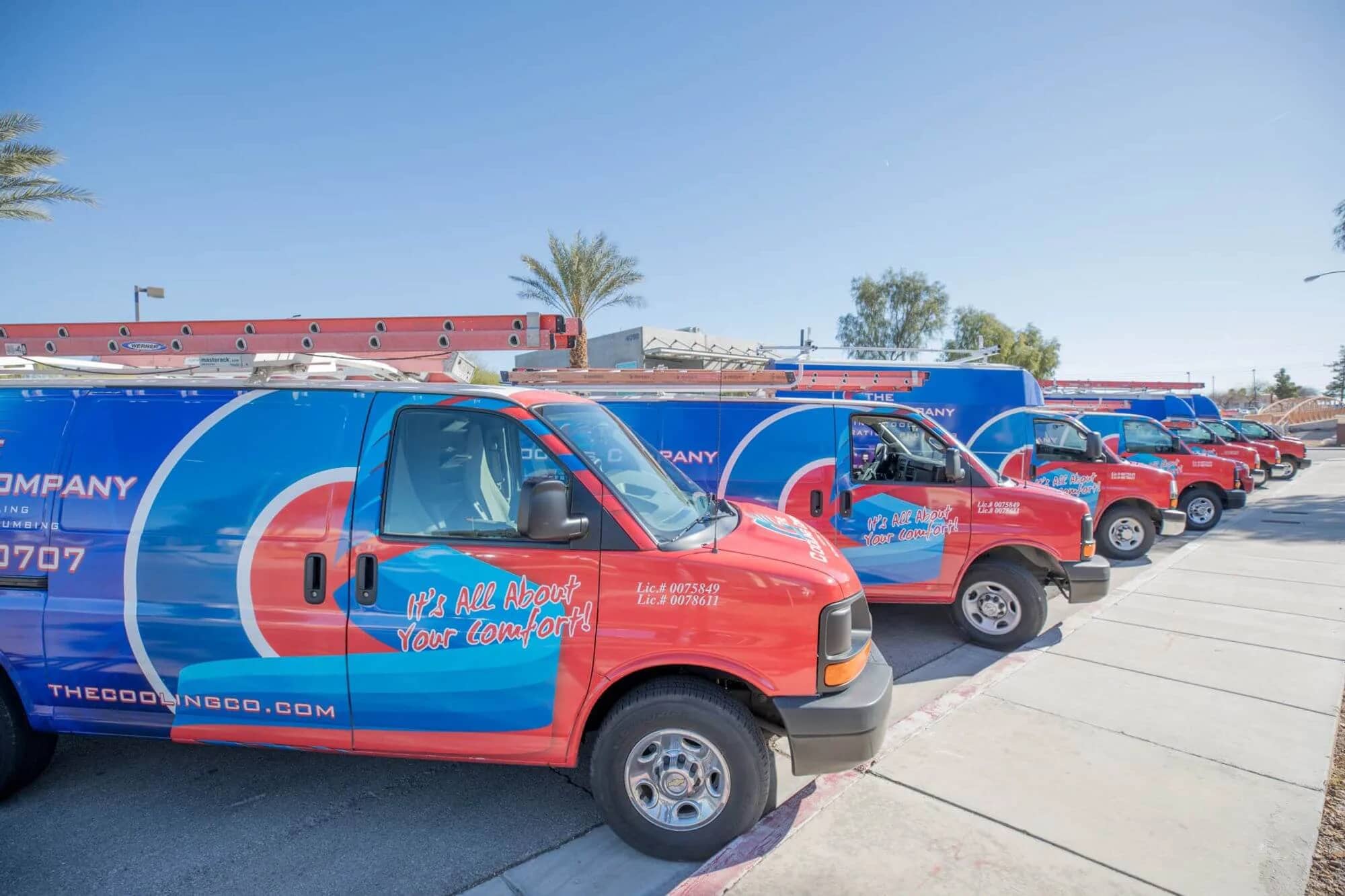
> By: The Cooling Company
Key Takeaways
- Verify licenses, EPA 608 certification, and local desert experience.
- Compare total lifecycle cost, not just upfront price.
- Confirm rooftop logistics, warranty steps, and fast parts access.
- Require written SLAs for emergency response during heat waves.
Ask contractors about licenses, EPA 608 certification, local desert experience, and written lifecycle bids. Confirm rooftop logistics, warranty terms, spare-part plans, and emergency SLAs. Score proposals with a simple weighted card. Choose a firm proven in Las Vegas heat before summer arrives. (ASHRAE Technical Resources)
How should property owners start vetting contractors?
Start local and practical when you vet HVAC companies in Las Vegas. Look first for a business license, proof of insurance, and clear contact info. Ask how many local installs they complete each year and whether they keep crews here seasonally.
Next, prioritize clear written communication and references. Request recent Las Vegas or Henderson client names and phone numbers. Insist on documents that prove claims before any work begins to avoid surprises during peak summer heat.
Are they licensed and insured?
Always confirm both contractor and trade licenses before accepting a bid. Ask the company to show a current Nevada contractor license and general liability insurance certificate. Verify policy limits and coverage dates to avoid gaps.
If you need extra proof, call the insurer listed on the certificate. Contractors who resist sharing these documents should be passed over. Licensed and insured firms cut your liability and show higher standards.
Do they hold EPA Section 608 certification?
Request proof that hvac technicians who handle refrigerant hold EPA Section 608 certification. Ask which level they hold: Type I, II, III, or Universal. The correct level depends on the systems they service.
A certified tech follows safe refrigerant handling rules. That lowers leak risk and keeps you compliant with federal rules. Avoid firms without certified staff for refrigerant work.
Which manufacturer certifications do they have?
Ask which brands the company is certified to install and repair. Request copies of manufacturer certificates and dates of the last training. Confirm factory support for warranty cases and parts access.
Technicians with brand training often get faster parts and better technical help. This can speed repairs and reduce downtime during a heat wave. Favor firms with recent and relevant manufacturer ties.
What should I compare in written bids?
Compare scope, equipment, and timeline first when you review bids. Good proposals list model numbers, efficiency ratings, labor hours, start dates, and testing steps. Look for clear warranty language and payment milestones.
Also compare lifecycle cost estimates, not just sticker price. Ask for energy use, maintenance, and likely repair costs over the equipment life. A dependable bid helps you budget and avoid surprise expenses.
Does the bid include total cost of ownership?
Ask contractors to provide a simple total cost of ownership (TCO) table. The table should show purchase price, estimated energy use per year, maintenance costs, and projected repair costs. Request assumptions they used.
If your numbers show a faster payback for a higher-efficiency unit, that can guide your choice. Require numeric comparisons, not vague savings claims, to make a clear decision.
Are equipment capacities right-sized for desert load?
Confirm the contractor used local design conditions in their load calculations. Ask for the design cooling load in tons and the standards used. Right-sized units match heat load and avoid short cycling.
Oversized equipment wastes energy and reduces humidity control. Undersized gear fails prematurely in Las Vegas summer. Have the tech show calculations so you can verify the math. (ASHRAE Technical Resources)
What refrigerant and efficiency ratings are proposed?
Ask which refrigerant the proposed equipment uses and whether it meets current EPA rules. Also request SEER, EER, or IEER ratings for each unit. These numbers affect operating cost and future compliance.
Higher efficiency often lowers utility bills, but payback varies. Compare estimated annual energy cost differences and include rebate opportunities in your decision.
Is a maintenance contract itemized in the quote?
Request a clear maintenance plan that lists visit frequency and tasks. The plan should say whether filters, coils, belts, and refrigerant checks are included. Ask about emergency service terms in the contract.
Itemized maintenance makes budgeting simpler and protects warranties. Compare service levels and response benefits to find the best value over the equipment life.
Do they explain lifecycle cost vs upfront price?
Ask the company to walk you through trade-offs between lower upfront cost and higher running costs. Request at least two scenarios and a payback table. This helps you pick a balanced option.
If a firm cannot explain assumptions or provide numbers, treat that as a red flag. Choose contractors who give clear, realistic comparisons.
How do installations differ for commercial RTUs?
Rooftop unit installs add logistics that ground units do not have. Contractors must plan crane lifts, curb compatibility, roof protection, and structural load checks. Delays often come from poor rooftop planning.
A thorough installation plan covers crane timing, permits, staging, and occupant communication. Ask for a written schedule that lists safety measures, roof anchors, and scaffold needs to avoid damage and downtime.
Can they handle rooftop unit curb and crane needs?
Ask whether the contractor arranges crane permits and hires certified crane operators. Confirm experience with rooftop curbs, curb adapters, and wind or seismic restraints. These details affect safety and schedule.
Request documented roof load calculations and proof of any required structural reinforcement. A firm that manages lifts and curbs reduces the risk of roof harm and costly delays.
Do they coordinate with building engineers?
Confirm the contractor will meet with your building engineer or facilities team. Ask who reviews drawings, signs off on roof penetrations, and approves structural changes. Clear roles avoid surprises.
Early coordination prevents rework and keeps electrical, structural, and mechanical teams aligned. A signed approval path speeds inspections and project closeout.
Will they test airflow and duct design post install?
Ask whether airflow, static pressure, and duct leakage tests are included. Request written reports showing measured CFM and adjustments made. These tests verify system performance.
Balancing and airflow reports provide proof that tenants will get expected temperatures. Require documented balancing as part of project handover.
How do they prevent refrigerant leaks in summer?
Ask about leak-prevention practices like pressure testing, proper brazing, and vibration isolation. Verify that technicians follow manufacturer charging procedures and use correct insulation. High temps raise refrigerant pressure risks.
Routine vibration checks and pressure monitoring reduce mid-summer failures. Contractors who document leak prevention show better quality control and lower emergency risk.
What warranty coverage and exclusions apply?
Request full warranty text and a written summary of parts and labor coverage. Ask about compressor coverage, labor limits, and exclusions for deferred maintenance or improper use. Know how to file claims.
A clear warranty path speeds repairs and reduces disputes. Ask for contact names and timelines for warranty responses to avoid delays during heat events. (ASHRAE Technical Resources)
Are commissioning and performance tests included?
Confirm that startup, controls setup, and performance testing are part of the bid. Ask for tests under load, temperature differential checks, and control logic verification. Commissioning finds early issues before handover.
Documentation from commissioning protects owners and installers. Require signed checklists that list pass/fail status and corrective steps taken.
How is startup tuning handled for peak loads?
Ask whether technicians tune setpoints, sequences, and economizer logic for desert conditions. Verify that they can simulate peak loads or test during the hottest part of day when safe. Tuning reduces early failures.
Request a written tuning log and any recommended seasonal adjustments. That record helps operations staff maintain consistent comfort during summer spikes.
Do they offer preventative maintenance plans?
Ask about service tiers and the tasks in each level. The plan should list cleanings, inspections, and replacement schedules for filters, belts, and coils. Frequency matters in dusty desert air.
Compare plans by tasks and response benefits. Choose a plan that reduces emergency work and keeps systems at expected efficiency.
What spare parts strategy supports fast repairs?
Confirm whether the contractor stocks critical spare parts locally. Ask for typical delivery times and preferred suppliers. Fast parts access shortens outage time.
Request a parts list for critical components like compressors, control boards, and starters. A firm with staged inventory eases heat wave strain on tenant comfort.
When should I replace vs repair?
Base the replace-versus-repair choice on age, repair history, and efficiency loss. Consider if repairs have become frequent or if a major component failed. Replacement may save money long term.
Also check refrigerant type and upcoming efficiency rules. If a unit uses an obsolete refrigerant or shows major wear, a planned replacement reduces risk of mid-summer emergencies.
What signs mean system replacement is needed?
Watch for frequent failures, rising energy bills, and lost cooling capacity. Rusted coils, repeated compressor issues, or obsolete refrigerant types also point to replacement. Loud noises and uneven zones are warning signs.
If repair estimates approach half the cost of a new unit, replacement often makes financial sense. Discuss tenant impact and staged replacement to spread capital costs.
How do you estimate remaining equipment life?
Estimate life using age, maintenance history, and component condition. Rooftop units commonly last 15 to 20 years with good care. Review run hours and past major repairs for clarity.
A professional inspection that lists remaining life and near-term risk helps budget phased replacements. Use that report to prioritize which units to replace first.
Can retrofits improve efficiency without replacement?
Ask whether controls upgrades, VFDs, or economizer fixes help your unit. Some retrofits pay back quickly and improve comfort. Others only delay needed replacement.
Balance retrofit costs against the unit’s remaining life. Choose retrofits that lower energy and extend life sensibly rather than masking deep wear.
How to evaluate service and emergency support?
Service and emergency support are vital during Las Vegas heat. Confirm 24/7 availability, documented response times, and summer surge plans. Parts access and trained staff cut downtime.
Also check technician training and remote monitoring options. Companies that invest in stock and training respond faster and keep systems more reliable through extreme heat. (ASHRAE Technical Resources)
Do they offer 24/7 emergency response?
Ask whether emergency dispatch is handled in-house or by subcontractors. Confirm contact methods and typical dispatch windows during peak times. Response promises must be in writing for clarity.
Request examples of past heat-wave emergency work. Reliable local firms will show how they prioritized clients and reduced tenant impact during heat events.
What are service contract response SLAs?
Request written SLAs that define response timing for emergencies, urgent issues, and routine work. Ask about credits or penalties if SLAs are missed. Clear SLAs set expectations.
Make sure the SLA fits your building needs. For critical sites, demand faster response and documented penalties to protect tenant comfort.
Will they use OEM parts on repairs?
Clarify whether the company uses OEM or aftermarket parts. Ask when aftermarket parts might be used and get written approval limits. OEM parts often protect warranties.
Weigh higher part cost against longer life and fewer callbacks. Prefer OEM parts for major components like compressors and controls.
Can they provide remote monitoring options?
Ask about cloud-based monitoring that tracks runtime, temperatures, and alerts. Confirm who receives alerts and the process for escalation. Remote data helps spot issues early.
Monitoring can cut trips and detect trends that save energy. Request example dashboards and sample alerts to see usability.
What training do technicians receive annually?
Request details on annual training hours and topics covered. Confirm manufacturer trainings, refrigerant updates, and safety refreshers. Training quality shows investment in staff skills.
Technicians who train regularly handle modern controls and new refrigerant rules better. Ask for training records for lead techs and service managers.
How do they manage seasonal tune ups?
Ask for a written tune-up checklist and timing for pre-summer visits. The checklist should include coil cleaning, refrigerant checks, and control verification. Dusty desert air makes this vital.
Confirm whether tune-ups are bundled in service contracts or sold as add-ons. Regular tune-ups cut emergency failures and keep efficiency high.
Do they provide energy use or savings estimates?
Request modeled energy savings for proposed equipment or controls. Ask for baseline data and simple payback calculations. Real savings estimates should state assumptions clearly.
Prefer firms that show methodology and conservative savings. Avoid vendors who promise large savings without data.
Are rebates and local incentives included?
Ask whether the contractor identifies local utility rebates or incentive programs. Confirm who completes and files paperwork and what timelines apply. Incentives lower your net cost.
A knowledgeable firm speeds rebate approval and helps you capture all available funds. Don’t assume rebates are automatic - confirm steps clearly.
How is preventative maintenance scheduled?
Request the contractor’s scheduling system and record keeping method. Ask whether they use digital logs, reminders, and mobile reports. Predictable scheduling prevents missed tasks.
Digital records simplify audits and warranty claims. Choose firms that provide clear reports and calendars for all planned work. (ASHRAE Technical Resources)
Can they service both residential and commercial systems?
Put simply, ask whether the contractor runs dedicated teams for commercial RTUs and residential HVAC. Confirm that techs servicing commercial systems have the right certifications and experience.
A mixed portfolio is fine if the firm staffs separate, trained crews. Verify that commercial techs know rooftop logistics and building controls.
What documentation is provided after service?
Ask for written service reports that list work done, parts used, and recommended follow-ups. Confirm whether digital copies and timestamps are provided. Paperless records speed audits.
Clear reports help future diagnostics and warranty claims. Choose vendors who supply thorough, time-stamped documentation.
Do they provide transparent, itemized invoices?
Request sample invoices and confirm parts, labor, and travel are listed separately. Ask about markup rates and subcontractor charges. Itemized bills prevent disputes.
A clear invoice helps you track costs and justify charges to stakeholders. Avoid companies with vague billing practices.
How do they handle emergency heat wave surges?
Ask whether the company hires temporary crews, stages extra trucks, or extends hours during forecasted heat waves. Confirm parts staging plans and surge staffing models. These steps reduce wait times.
Get examples of past surges and how the firm kept service levels high. A contractor with proven surge plans will protect tenant comfort better.
Get a free on-site evaluation
Request on-site evaluations during cooling hours to see real system performance. Ask vetted firms to run load checks, inspect ducts, and note access or roof issues. A good evaluation yields a clear executive summary.
Plan 60 to 90 minutes for a single rooftop unit inspection. For multiple units, phase assessments and rank units by age and failure risk. Written findings make bid comparisons fair and precise.
How do I request quotes from vetted firms?
Call or email The Cooling Company to schedule a free on-site evaluation. Mention building type, approximate unit sizes, and preferred dates. For fastest local response, request our Las Vegas, Henderson, or North Las Vegas team.
If you are outside our service area, ask any local contractor for NATE-certified technicians and EPA 608 credentials. NATE certification helps ensure skilled work and reduces installation errors.
What documents should I have ready for estimates?
Gather model numbers, maintenance logs, warranty papers, and recent service invoices before the visit. Include roof photos and access notes. Providing past energy bills helps produce accurate payback estimates.
Bring a list of comfort complaints and known recurring issues. The more detail you give upfront, the more accurate and comparable the written bids will be.
Final checklist
Verify licenses, EPA 608 certification, and local heat experience before shortlisting contractors. Compare written bids focused on lifecycle cost, right-sized equipment, and clear warranty paths. Score proposals using a weighted card and on-site inspections.
Confirm rooftop logistics, crane and curb planning, and parts availability. Require written SLAs for emergency response and clear, itemized invoices. Document everything and keep digital service records for audits and warranties.
Contact The Cooling Company for Las Vegas area service
Call The Cooling Company at 17029308411 to schedule a free on-site evaluation in Las Vegas, Henderson, or North Las Vegas. Our NATE-certified technicians deliver detailed written bids, lifecycle cost analysis, and rapid summer readiness plans. We stage parts and staff extra crews during heat waves to cut downtime.
If you are outside our area, ask local contractors for NATE certification and EPA 608 credentials. Consider our service areas for future projects and call 17029308411 to discuss phased replacements or preventative maintenance plans.
About The Cooling Company
The Cooling Company has been serving the Las Vegas valley with professional HVAC services for over a decade. Our team of licensed, NATE-certified technicians specializes in air conditioning repair, heating system maintenance, and complete HVAC installations. We're committed to providing honest, reliable service with upfront pricing and a 100% satisfaction guarantee on all work performed.
- Phone: (702) 930-8411
- Reviews: 4.9/5 stars (500 reviews) - See reviews
Service Areas
We proudly serve homeowners and businesses throughout the Las Vegas metropolitan area, including Las Vegas, Henderson, and North Las Vegas. Our service technicians are available for same-day appointments in most areas, with emergency service available 24/7 for urgent HVAC issues.