

Best HVAC Systems for Las Vegas: Comfort and Efficiency
Short answer: The best HVAC system is properly sized with Manual J, matched to your ducts, and tuned for desert run times.

What can change the best choice
- Home size, layout, and sun exposure
- Duct condition and airflow balance
- Efficiency goals vs. upfront budget
- Heat pump vs. gas availability
- Noise and comfort preferences
What Makes a System “Best”
- Right‑sized equipment (Manual J)
- High‑efficiency ratings for long summers
- Sealed ducts and balanced airflow
Top System Types for Vegas
- Heat pump systems for efficient heating + cooling
- Furnace + AC combos for fast heating
- Ductless mini‑splits for zoned comfort
For detailed brand comparisons across all system types, visit our HVAC brand hub or use the side-by-side comparison tool.
Las Vegas-Focused Priorities
- Correct sizing to avoid short cycling in extreme heat
- Sealed ducts to reduce attic losses
- Commissioning data for airflow and charge
How to Compare Quotes
Ask for model numbers, efficiency ratings, and a written scope that includes commissioning and airflow checks.
Las Vegas HVAC System Context: Why It's Different Here
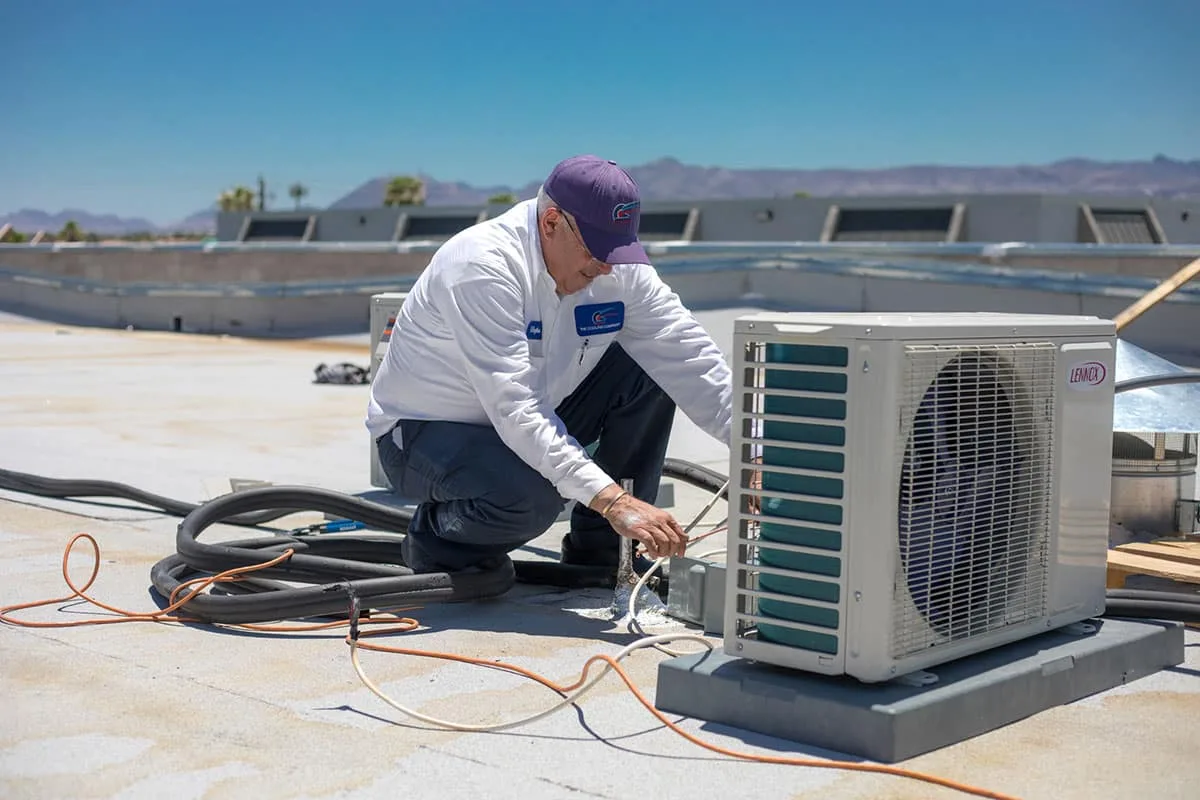
Las Vegas presents unique challenges for HVAC systems that affect both system selection and performance. Understanding these local factors helps you choose the right system and maintain it effectively.
Extreme Heat and Extended Runtime
Las Vegas summers regularly exceed 110°F, forcing AC systems to run 18+ hours per day for months at a time:
- Design temperatures: Cooling load calculations must account for 115°F+ design temps, not standard 95°F
- Extended runtime: Systems that might run 6-8 hours elsewhere run 18+ hours here, requiring higher capacity
- Short cycling risk: Oversized systems short cycle in extreme heat, reducing efficiency and comfort
- Component wear: Extended runtime accelerates wear on compressors, fans, and electrical components
Desert Environment Challenges
- Dust and debris: Desert winds carry fine dust that clogs filters monthly and coats coils faster than other climates
- Low humidity: While reducing some issues, dry air increases static electricity and dust accumulation
- Monsoon season: July-September humidity spikes add cooling load and require systems sized for peak conditions
- UV exposure: Intense sunlight degrades outdoor unit components faster, requiring UV-resistant materials
- Attic installations: Many Las Vegas homes place units in attics where temperatures exceed 150°F, requiring specialized equipment
Temperature Swings and Energy Bills
Las Vegas experiences dramatic day/night temperature swings:
- Daily swings: 70°F mornings to 110°F+ afternoons test system responsiveness
- Seasonal changes: March-October cooling season means efficiency improvements pay back faster
- NV Energy rates: High summer rates make efficiency improvements more valuable
- Dust impact: Dirty filters and coils increase energy bills by 10-30% during peak season
Main Cost Drivers for HVAC Systems
- System type: Heat pumps ($4,000-12,000) vs. furnace + AC ($5,000-10,000) vs. ductless mini-splits ($3,000-8,000)
- Efficiency ratings: Higher SEER2 (cooling) or HSPF2 (heating) add 10-40% to equipment cost
- System size: Larger homes require more capacity, increasing both equipment and installation costs
- Ductwork condition: Leaky or undersized ducts require repair ($1,500-5,000) before new installation
- Electrical upgrades: Heat pumps may need new breakers or 200A service ($1,500-4,000)
- Zoning systems: Multi-zone controls add $1,500-4,000 but improve comfort in two-story homes
- Attic installations: Attic work adds difficulty and may require specialized equipment
- Permits and inspections: Plan $300-800 for permits and required testing
HVAC System Selection Checklist
Before choosing an HVAC system, verify:
- ✓ Manual J load calculation completed for proper sizing
- ✓ Duct condition evaluated and repairs planned if needed
- ✓ Home insulation levels and air sealing assessed
- ✓ Gas availability vs. electric rates compared
- ✓ Electrical service capacity verified for heat pumps
- ✓ Zoning needs identified for multi-level or large homes
- ✓ Efficiency goals balanced with upfront budget
- ✓ Commissioning plan includes airflow and charge verification
Maintenance Tips for Las Vegas HVAC Systems
- Monthly filter replacement: Desert dust clogs filters faster—change monthly during peak season (March-October)
- Annual tune-ups: Schedule AC service in spring (March-April) and heating service in fall (October)
- Coil cleaning: Clean evaporator and condenser coils annually to maintain efficiency
- Duct inspection: Check for leaks and seal gaps to reduce energy waste
- Outdoor unit maintenance: Keep area clear of debris and trim vegetation for proper airflow
- Thermostat programming: Set back temperatures when away to save energy
- Monitor energy bills: Track monthly costs to spot efficiency problems early
- Pre-monsoon prep: Service system before July to handle humidity spikes
Helpful resources for Las Vegas homeowners
- HVAC sizing and load calculations
- SEER ratings explained
- AC installation cost
- Repair or replace decision guide
- AC installation
- Compare HVAC Brands for Las Vegas
- Side-by-Side Brand Comparison Tool
FAQs About HVAC Systems
Is a heat pump a good choice in Las Vegas?
Yes. Heat pumps are efficient in mild winters and provide cooling in summer.
Do I really need a Manual J?
Yes. Proper sizing prevents short cycling and comfort issues.
How important are ducts to system performance?
Very. Leaky or undersized ducts can erase efficiency gains.
Should I choose a higher SEER2 unit?
Higher SEER2 can save energy, but duct condition and sizing still matter.
How long does a full system replacement take?
Most installs take 1 day, with longer timelines for duct or electrical upgrades.
Need HVAC Service in Las Vegas?
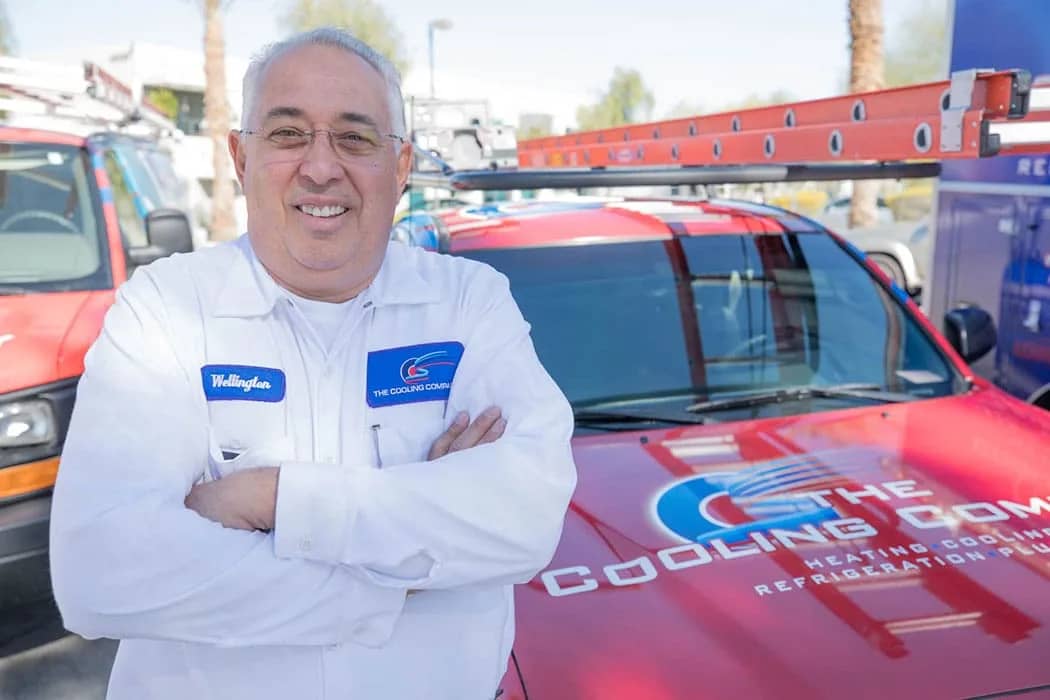
The Cooling Company provides expert HVAC service throughout Las Vegas, Henderson, and North Las Vegas. Our licensed technicians deliver honest assessments, upfront pricing, and reliable results.
Call (702) 567-0707 or visit AC repair, maintenance, heating, or installation for details.
Share This Page
Zoning Systems for Multi-Level Las Vegas Homes
Two-story Las Vegas homes commonly experience 5-10°F temperature differences between floors due to heat rising, attic heat transfer to upper floors, and solar gain on upper-level windows. Zoning systems solve these comfort challenges more efficiently than running a single system harder.
How Zoning Works: Zoning systems divide homes into 2-4 temperature zones (typically upstairs/downstairs, or main living/bedrooms/bonus rooms), each with its own thermostat and motorized dampers in ductwork. When a zone calls for cooling, its dampers open while others partially or fully close, directing airflow where needed. This prevents overcooling downstairs to cool upstairs or wasting energy cooling unoccupied spaces.
Zoning Benefits in Las Vegas Climate:
- Energy savings: Cool only occupied zones, saving 20-30% vs. whole-house cooling
- Comfort improvement: Eliminate hot upstairs bedrooms common in two-story homes
- Extended equipment life: Systems run shorter cycles to satisfy individual zones rather than continuous operation trying to cool entire homes to upper-floor thermostat setpoint
- Flexible scheduling: Set different temperatures for sleeping areas (cooler) vs. living areas (slightly warmer) based on occupancy and preference
Zoning System Costs and Installation:
- Basic 2-zone system: $1,500-2,500 added to new HVAC installation
- Advanced 3-4 zone system: $2,500-4,000 added to new installation
- Retrofit zoning on existing systems: $2,000-3,500 (requires ductwork modifications)
- Smart zoning with wireless sensors: $3,000-5,000 (includes remote sensors and smart controls)
Zoning Considerations: Not all existing duct systems support zoning—undersized return ducts or improperly designed layouts may require modifications ($1,000-3,000) before zoning installation. Systems also need variable-speed or two-stage equipment to handle reduced airflow when zones close—single-stage systems can experience high static pressure and reduced efficiency with zoning. Discuss zoning during initial system design for best results and lowest costs.
Alternative to Zoning - Ductless Mini-Splits: For homes with extremely poor ductwork or where zoning costs approach $4,000-5,000, consider ductless mini-split systems instead. A 2-3 zone mini-split costs $4,000-7,000 installed and provides superior zone control without duct modifications. Mini-splits also eliminate duct losses entirely, often providing better efficiency than zoned ducted systems.
HVAC Commissioning: Ensuring Promised Performance
Proper commissioning verifies your new HVAC system performs as designed and delivers promised efficiency and comfort. Unfortunately, many installations skip critical commissioning steps, leaving systems operating at 60-80% of rated capacity.
What Proper Commissioning Includes:
Airflow Verification: Technicians measure actual airflow (CFM) at the air handler and compare to manufacturer specifications. Proper airflow is 350-450 CFM per ton of cooling—undersized ducts or incorrect fan speeds reduce airflow by 20-40%, cutting capacity and efficiency. Commissioning identifies and corrects these issues before you accept the installation.
Refrigerant Charge Verification: Proper charge requires superheat and subcooling measurements, not just pressure readings. Overcharged or undercharged systems (even by 10%) lose 20%+ efficiency and strain compressors. In Las Vegas's extreme heat, accurate charge is critical—systems that work fine at 95°F fail at 115°F when improperly charged. Commissioning ensures optimal charge at installation, preventing callbacks and efficiency losses.
Duct Pressure Testing: Commissioning includes duct blaster testing to verify duct leakage is under 6% of total airflow (California Title 24 standard, good benchmark for Las Vegas). Leaky ducts waste 20-40% of cooling capacity into attics—fixing leaks during commissioning prevents perpetual energy waste. Testing costs $150-300 but identifies issues while contractors are still on-site and responsible for corrections.
Temperature Split Verification: Measure supply and return air temperatures to verify 15-20°F split under design conditions. Smaller splits indicate insufficient charge, airflow restrictions, or undersized equipment. Larger splits may indicate oversized equipment or excessive duct losses. Documenting baseline temperature splits helps diagnose future issues—if splits change from 18°F at installation to 12°F two years later, refrigerant leaks or airflow restrictions need addressing.
Static Pressure Measurements: Duct static pressure should be under 0.5" WC for residential systems—higher pressures indicate restrictions that reduce airflow and efficiency while increasing noise and equipment wear. Commissioning identifies high static pressure before installation is complete, allowing duct modifications before you pay the final bill. Post-installation duct changes cost 3-5× more than corrections during initial installation.
System Documentation: Commissioning reports should include equipment model and serial numbers, measured airflow and static pressure, refrigerant charge pressures with superheat/subcooling, temperature splits at multiple supply vents, thermostat programming and settings, filter size and MERV rating, and recommended maintenance schedule. This documentation provides baseline data for future service visits and warranty claims.
Commissioning Value Proposition: Comprehensive commissioning costs $200-500 when included in installation or $400-800 as a retrofit service. However, it verifies you receive the full efficiency and capacity you paid for—a $7,000 system operating at 70% capacity due to installation errors effectively becomes a $4,900 system in performance. Commissioning ensures you get what you paid for and establishes accountability if performance falls short.
Smart Home Integration for HVAC Systems
Modern HVAC systems integrate with smart home platforms for enhanced control, automation, and energy management beyond standalone thermostats.
Voice Control Integration: Systems compatible with Amazon Alexa, Google Assistant, or Apple HomeKit allow voice commands for temperature adjustments, mode changes, and schedule modifications. This hands-free control is especially convenient when entering homes with arms full of groceries or during meal preparation when hands are occupied. Setup is typically simple with compatible smart thermostats—no additional equipment needed beyond the smart thermostat and existing voice assistant devices.
Whole-Home Automation Scenarios: Advanced smart home platforms (Home Assistant, SmartThings, Hubitat) enable automation beyond basic scheduling. Examples include: automatically raising AC temperature when garage doors open (prevents cooling the outdoors), lowering temperature 30 minutes before bedtime based on sleep schedules, adjusting setpoints based on outdoor temperature forecasts, pausing cooling when windows/doors open (using contact sensors), and coordinating with ceiling fans and window blinds for optimal comfort and efficiency.
Energy Monitoring and Optimization: Smart thermostats with utility connections provide real-time energy cost tracking and optimization. Systems automatically reduce cooling during peak pricing hours (1-7 PM) when electricity costs 30-50% more, pre-cool homes before peak hours begin, and resume normal operation when rates drop. This peak-shaving strategy saves $40-80 monthly during summer for homes on NV Energy time-of-use plans—payback for smart thermostat investment in 3-6 months.
Remote Monitoring and Alerts: Connected systems notify you of issues before they become failures—filter replacement reminders based on runtime hours rather than arbitrary monthly schedules, abnormal runtime alerts that signal efficiency problems, temperature deviation warnings if home doesn't reach setpoint (early failure detection), and power outage notifications if systems go offline unexpectedly. Early warnings prevent minor issues from cascating into expensive failures during peak heat.
Integration Considerations: Not all HVAC systems support advanced smart integration—verify compatibility before purchasing smart thermostats or home automation platforms. Some proprietary systems (like some Carrier or Trane controls) require specific thermostat models that limit third-party integration. Ask contractors about smart home compatibility during system selection to avoid discovering limitations after installation.
Need a System Recommendation?
We help Las Vegas homeowners choose, install, and maintain the best HVAC systems for their homes. Our technicians perform Manual J load calculations, evaluate duct condition, compare operating costs, and recommend systems matched to your budget and comfort needs. We offer AC installation, heating installation, AC repair, heating repair, and AC maintenance services.
Call (702) 567-0707 to schedule a consultation or visit air conditioning service to learn more.