


Short answer: Check vents for airflow, blockages, and dust, then confirm filters and duct insulation are intact. In Las Vegas, desert dust and extreme heat make vent inspections critical—clogged vents can spike energy bills by 20-30% during summer. These steps catch many comfort and efficiency problems early.
What can cause vent issues
- Closed or blocked supply and return vents
- Dirty filters restricting airflow
- Leaky or disconnected duct runs
- Collapsed insulation or moisture in ducts
- Damaged or dirty grilles

Las Vegas Essentials & Challenges
Desert dust and long cooling seasons in Las Vegas make vent problems show up faster. After wind events or construction activity, returns load up quickly and airflow drops. Attic ductwork can also see extreme heat and insulation compression, which increases temperature loss between the unit and the rooms it serves. In older neighborhoods with mixed remodels, duct runs may be undersized or patched, creating uneven airflow from room to room.
When the seasons change, it’s a good idea to inspect your HVAC vents throughout the home with a handy screwdriver. Check for leaks, blockages, filters that may be clogged inhibiting the airflow, or dirt and dust that has gathered in the grilles over the previous months. During this inspection, ensure that the insulation around the air ducts is intact and not causing temperature inconsistencies or condensation that may lead to mold. That way, you can ensure that your central heating and air system is functioning properly for the coming season.
Higher Than Normal Energy Bills
In Las Vegas, vent and duct problems can dramatically increase energy costs. During summer, when AC systems run 8-12 hours daily, restricted airflow forces systems to work harder, consuming 20-30% more energy. A typical $300-400 monthly cooling bill can jump to $360-520 with vent issues. Duct leaks in hot attics waste cooled air, making the system run longer to maintain setpoint. For more detail, see our guide on ductwork and HVAC efficiency. Regular vent inspections and filter changes can prevent these cost spikes.
Cost Drivers for Vent-Related Repairs
- Duct sealing: $300-800 for typical residential duct sealing; $1,500-3,500 for full duct replacement
- Vent cleaning: $150-400 for professional vent and duct cleaning
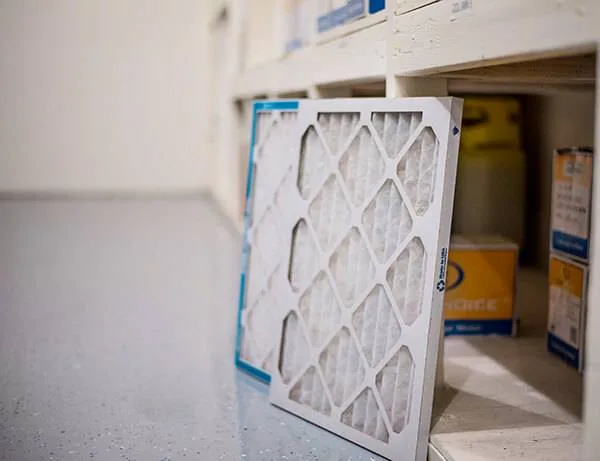
- Filter replacement: $20-60 for quality filters; replace every 30-60 days during peak cooling season
- Insulation repair: $200-600 for attic duct insulation repair or upgrade
- Grille replacement: $50-150 per vent grille if damaged or missing
Measure Airflow and Temperature Differences
This quick section explains simple ways to quantify airflow and temperature differences so you can better describe the problem to a technician.
- Step 1: Tools you can use
- Infrared thermometer or two cheap digital thermometers
- Lightweight tissue or ribbon to test airflow
- Optional: handheld anemometer for CFM readings
- Step 2: Test during steady state
- Run your system 15 to 20 minutes before testing so temperatures stabilize.
- Measure the return grille temperature near the thermostat and the supply vent temperature in the same zone.
- Step 3: Interpret results
- Cooling mode normal delta T (return minus supply): 15 to 20°F. If delta T is under 10°F, suspect low airflow, dirty coils, or low refrigerant.
- Heating mode typical delta T is 20 to 30°F depending on system type.
- Step 4: Report findings
- Record room location, supply temp, return temp, and whether airflow felt weak. These measurements help The Cooling Company diagnose issues faster during a service visit.
Las Vegas tip: During extreme outside temperatures, delta T can shift slightly. Always compare readings to manufacturer recommendations or ask our technicians to verify if readings are outside normal ranges.
If your energy bills spike or some rooms are hotter or colder than others, vents and ductwork are often the cause. As Las Vegas homeowners know, long, hot summers put heavy strain on AC systems and expose duct problems quickly. Before you call for service, do these targeted checks to see whether vents are to blame.
- Check each vent for airflow
- Open every supply grille and turn on the system to cooling or heating. Use the back of your hand or a tissue to feel the flow. Weak or no flow at several vents is a sign of blockages, closed dampers, or a failing blower.
- Note which rooms (for example, living room, master bedroom, garage-converted rooms common in Summerlin or Henderson) feel different and mark them.
- Measure the temperature split
- Use an inexpensive infrared thermometer or two indoor thermometers. Measure the temperature of a supply vent and the return grille. In cooling mode, a healthy system usually has a 15 to 20°F difference between return and supply. Smaller splits can point to low refrigerant, airflow restriction, or duct leaks.
- Track the thermostat and runtime
- If your AC runs longer than normal but doesn't reach setpoint, vents/duct leaks may be leaking cooled air into attics or crawlspaces. In older North Las Vegas and older central Las Vegas houses, duct insulation can degrade and create heat gain.
Vent Inspection Checklist for Las Vegas Homes
Use this checklist quarterly, especially before summer and after dust storms:
- Visual inspection: Remove and inspect 2-3 vent grilles with a screwdriver for visible debris, dust buildup, or damage
- Duct integrity: Shine a flashlight into the duct; note holes, disconnected joints, or insulation gaps
- Attic ducts: Verify insulation around ducts in attics is intact (R-8 minimum) and not compressed or damaged by extreme heat
- Airflow test: Feel airflow at each vent—weak or no airflow indicates blockages or duct leaks
- Temperature check: Measure supply and return temperatures; delta T should be 15-20°F in cooling mode
- Filter condition: Check filter for excessive dust buildup; replace if dirty (every 30-60 days in summer)
- Obstructions: Ensure furniture, rugs, or curtains aren't blocking vents
- Moisture signs: Look for water stains, mold, or condensation around vents
- Temporary fixes: If you see gaps or holes, temporarily seal with foil HVAC tape, then schedule professional mastic or duct replacement
Expert tip: Desert dust in Las Vegas clogs filters faster than in humid climates. Replace filters every 30-60 days during peak cooling months and consider high-MERV filters only if your system supports them. For more on basic system checks before you call, see our guide on Heater or AC Won’t Turn On: What to Check Before Calling a Pro.
Remove Air Vent Obstructions
Blocked vents reduce comfort and increase energy cost. Furniture, rugs, curtains, or storage boxes often obstruct vents without homeowners realizing it. In Las Vegas homes where living spaces can be rearranged seasonally, follow these practical steps.
- Reposition furniture, do not cover registers
- Move sofas, dressers, or area rugs at least 12 inches away from supply and return grilles to allow free airflow. If you must block a vent temporarily, do not close more than 10 to 15 percent of total system airflow as this can strain the blower.
- Use vent deflectors and extenders properly
- Magnetic deflectors can redirect flow under couches or into corners, but do not use them to close returns. Blocking return vents can lead to pressure imbalances and reduce efficiency.
- Inspect duct interiors safely
- Use a flashlight and a flexible inspection mirror to look down supply ducts for fallen insulation, rodent nesting, or debris. If you find loose fiberglass or rodents, stop and call a licensed technician.
Tools to Have on Hand (H4)
- Screwdriver to lift grilles
- Flashlight and inspection mirror
- Light gloves and a dust mask (Las Vegas dust can be gritty)
- Foil HVAC tape or duct mastic for temporary sealing
Safety note: Do not use ordinary cloth duct tape to repair ducts. For durable, safe repairs use HVAC foil tape or mastic, or hire a pro for replacement sections. If vents are blocked and you still have poor heating or cooling, check our troubleshooting post Heater Not Turning on in House: 7 Quick Checks to Fix It Today for additional diagnostics.
Decision Guidance: DIY Checks vs. Pro Repair
Homeowners can safely check filters, clear vent obstructions, and compare room temperatures. Call a pro if you find disconnected duct runs, visible mold, persistent moisture, or airflow loss across multiple rooms. If your system runs nonstop without reaching setpoint during a Las Vegas heat wave, schedule diagnostics before compressor stress causes higher repair bills.
Who Should You Call For HVAC Repairs Or Maintenance?
Some vent and duct problems are DIY-friendly, but many require a licensed HVAC technician. The Cooling Company recommends hiring a licensed, insured technician for repairs, duct replacement, deep cleaning, or when you detect mold, water in vents, or electrical smells.
- What to ask when you call
- Are you licensed in Nevada and insured?
- Do you provide a written estimate and guarantee?
- Can you handle duct sealing, insulation, and indoor air quality issues?
- Do you offer maintenance plans or seasonal specials?
- When to call immediately
- Water coming through vents, visible mold, burning odors, or no airflow at all. These are signs of urgent problems that can harm your home or health.
Homeowner Prep Checklist Before a Technician Arrives (H4)
- Note affected rooms and times when issues occur
- Have recent energy bills handy to show rising usage
- Remove obstacles around access panels and vents
- Photograph any visible damage or mold to share with the tech
Local note: The Cooling Company serves Las Vegas neighborhoods including Summerlin, Spring Valley, and North Las Vegas. If you are planning larger work like furnace replacement, compare options with our Residential Furnace Installation Spring Valley: Get a Free Quote Today or check cost estimates in Furnace Cost Las Vegas: Save with Local to budget properly. For brand-specific needs, see our Bryant Furnace Repair Las Vegas guide.
Dealing With Water, Condensation, and Mold in Vents
Water in vents or visible mold is a health and performance issue that needs prompt attention. In the Las Vegas climate, sudden AC condensation or clogged drain lines can push moisture into ducts.
- Common causes
- Clogged condensate drain line or pan
- Insufficient duct insulation causing condensation in unconditioned attics
- High indoor humidity from pools, humidifiers, or recent water leaks
- Immediate homeowner actions
- Turn off the system if you see active water pooling or heavy mold growth.
- Photograph the damage and note when you first saw signs.
- Do not try bleach or DIY spray inside ducts. These can damage duct materials and spread spores.
- When to call The Cooling Company
- Visible mold, water coming through vents, persistent mildew odor, or if multiple rooms are affected. Our licensed technicians will locate the moisture source, clean or replace affected duct sections, re-insulate as needed, and recommend steps to prevent recurrence.
Actionable prevention: Ensure attic ducts are insulated to at least R-8 or higher where required, and clear access to condensate lines so they can be flushed annually. For related furnace issues or heating checks, see Why Is My Heat Not Turning On: Quick Checks to Fix It Right Now.
Prevention and Maintenance Tips
Regular maintenance schedule:
- Monthly: Check and replace filters during peak cooling season (May-September); inspect vents for visible dust buildup
- Quarterly: Full vent inspection using the checklist above; check for obstructions and airflow issues
- After dust storms: Inspect return vents immediately; replace filters if heavily clogged
- Before summer: Professional duct cleaning and inspection; verify insulation integrity
- Before winter: Check heating vents and ensure return vents are clear for proper airflow
Las Vegas-specific prevention:
- Use high-quality filters (MERV 8-11) that can handle desert dust without restricting airflow
- Consider upgrading to a media filter or electronic air cleaner if dust is a constant problem
- Seal gaps around vent grilles to prevent dust infiltration
- During monsoon season, check for condensation and ensure condensate drains are clear
- Monitor energy bills—sudden increases may indicate vent or duct problems
- Schedule professional duct cleaning every 2-3 years, or more often if you notice excessive dust
Ready to Fix Your Vent Issues?
Don't let vent problems drive up your energy bills or reduce comfort. The Cooling Company provides comprehensive vent and duct inspection, cleaning, and repair services across the Las Vegas Valley. Our licensed technicians understand the unique challenges Las Vegas systems face, from desert dust to extreme temperature swings.
Why choose The Cooling Company for vent and duct services:
See why homeowners trust us — view our industry awards and certifications.
- Same-day service available in most areas
- Licensed, EPA-certified technicians with Nevada HVAC licenses
- Comprehensive duct inspection and airflow testing
- Professional duct sealing and insulation services
- Transparent pricing with written estimates before work begins
- Experience with all duct types and configurations
- Serving Las Vegas, Henderson, North Las Vegas, Summerlin, and surrounding areas
For vent inspection and duct repair service, call (702) 567-0707 or Schedule Now. We also offer preventive maintenance and AC installation services to keep your system running efficiently.
Neighborhoods We Commonly Serve
- Summerlin
- Spring Valley
- Henderson
- Green Valley
- Centennial Hills
- Enterprise
Trust & Guarantees
- Serving Las Vegas since 2011
- 55+ years combined experience
- Licensed, EPA-certified technicians
- 100% satisfaction guarantee
- BBB A+ rated
- Lennox Premier Dealer
Find Us on the Map
Need HVAC Service in Las Vegas?
The Cooling Company provides expert HVAC service throughout Las Vegas, Henderson, and North Las Vegas. Our licensed technicians deliver honest assessments, upfront pricing, and reliable results.
Call (702) 567-0707 or visit ductwork, duct repair, duct cleaning, or duct inspection for details.