

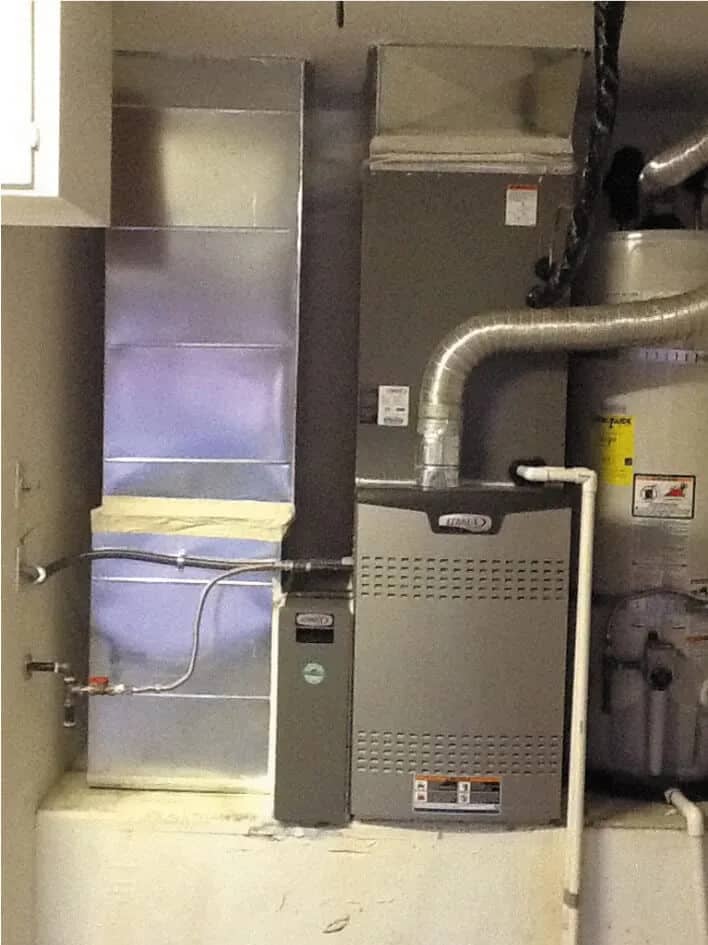
Short answer: Cut commercial HVAC maintenance contract costs by matching scope to critical assets, capping parts markup (10–25%), negotiating emergency rate caps, and requiring BAS monitoring with clear SLAs. In Las Vegas, where extreme heat loads, dust loading, and peak demand charges drive up costs, these strategies can reduce annual contract spend by 15–30% while improving service quality. Focus on asset audits, parts pricing transparency, and multi-year commitments for better rates.
What can change commercial HVAC contract costs
- Las Vegas commercial heat load and peak demand requirements
- Dust loading requiring more frequent maintenance visits
- Monsoon season impacts on rooftop units
- Energy bills and peak demand charges
- Contract scope and asset criticality matching
- Parts markup policies and emergency rate multipliers
- SLA requirements and response time guarantees
Key Takeaways
Start with an asset audit and match contract scope to unit criticality. Ask for ASHRAE 180‑aligned PM tasks and a clear parts pricing policy. Require BAS access and measured SLAs so you pay for real value, not for one‑size‑fits‑all promises. Review proposals line by line. Check parts markup, overtime multipliers, travel fees, and refrigerant clauses. Use pilot periods and multi‑year terms to trade predictability for lower rates. Require NATE or OEM training for techs who will touch critical equipment.- Match contract scope to critical assets and ASHRAE 180 PM tasks.
- Cap parts markup and emergency multipliers to avoid surprise invoices.
- Add BAS monitoring and clear SLAs to reduce downtime and emergency dispatches.
Why cut HVAC contract costs before summer?
Summer is the busiest season for HVAC failures in many regions. Prepare now to avoid emergency premiums and long waits during heat waves. Auditing assets and contracts before peak load helps you spot gaps and reduce price volatility. Start by listing each rooftop unit, chiller, and packaged system with age, tonnage, and runtime. That data lets you assign risk and pick coverage only where it matters. Doing this saves money compared with blanket managed‑service pricing for low‑risk gear.What raises summertime failure risk?
High outdoor temps and long runtimes push refrigerant and compressor stress. Dirty coils and clogged filters reduce heat transfer and raise motor amps. Poor sequencing or failed controls can cause system starvation and lead to shutdowns during hot afternoons. In Las Vegas, commercial buildings face extreme heat loads with rooftop temperatures often exceeding 130°F during peak summer. Dust loading from desert conditions accelerates filter clogging and coil fouling. Monsoon season can deposit debris on rooftop units, further reducing efficiency. These factors combine to increase failure risk and drive up emergency repair costs during peak season. Inspect trending data from last summer, if available. Look for spikes in energy use, frequent starts, and repeated trips. Those signs point to units that should get higher service levels before summer begins.How do you audit assets quickly?
Start with a one‑page asset list that captures make, model, serial number, tonnage, location, and age. Walk the roof or mechanical room to verify nameplate data and note visible wear or oil leaks. Take photos for later review. Use basic runtime logs or BAS summaries for the past 12 months. Prioritize units with high run hours, repeated alarms, or known refrigerant work. That helps you decide which assets need managed service versus PM‑only plans.Which units are critical and why?
Critical assets keep operations running or protect occupant comfort in key zones. Examples include kitchen exhaust units, data center cooling, or HVAC for medical areas. Losing those units causes revenue loss or safety issues. Assign a criticality score such as Critical, Important, or Low. Use that score to set response windows and spare parts stocking. That approach stops you from overpaying to fully insure low‑value equipment. (Building America Solution Center HVAC Guides)How are commercial HVAC contracts priced?
Contract pricing blends fixed fees and variable charges. Fixed fees give budget predictability. Variable charges shift repair risk to the owner. Understanding that mix helps you pick the right plan for your site and cash flow. Contractors price by asset count, complexity, travel time, and local labor rates. They also factor parts policy, overtime rules, and whether BAS monitoring is included. Ask for examples of typical emergency invoices to see how variable costs can add up.What main factors drive pricing?
Labor rates, parts markup, and PM frequency are primary drivers. Travel time and after‑hours work push costs higher. Complexity such as chillers or chilled water pumps raises the contract baseline because they need specialist staff and parts. In Las Vegas, commercial HVAC contract pricing often includes premiums for:- More frequent filter changes due to dust loading (monthly vs. quarterly)
- Peak season emergency response guarantees
- Rooftop unit access requiring lifts or specialized equipment
- Monsoon season preparation and cleanup
- Peak demand reduction strategies and controls optimization
What is time-and-material vs flat fee?
Time‑and‑material billing charges hourly labor and parts as used. It can be cheaper for low‑use buildings with few failures. Flat‑fee agreements cover defined tasks for a set price and give budget certainty. Choose T&M if failures are rare and you can tolerate variable monthly bills. Select flat fee when uptime is key and you want predictable monthly costs, especially during peak seasons.How does equipment age affect bids?
Old systems usually need more frequent PM and parts replacement. That raises annual fees. Contractors also price for uncertainty when documentation is missing or parts are obsolete, which increases risk loading. Plan for stepped increases as equipment ages. Expect a noticeable jump in quotes for systems older than 15 years or for those using phased‑out refrigerants. Budget accordingly or plan for staged replacement.Can bundled parts and labor save money?
Bundling key parts and labor into a separate line item often reduces unit pricing. That approach gives faster response times and lower per‑repair costs. However, you must define covered parts and limits to avoid surprise exclusions. Request a sample bundle list and outage scenarios. Compare bundled vs pay‑as‑you‑go totals using your asset failure history. Bundles can work well for chiller compressors and starter packs if you have past failure data.Which contract level fits my building?
Pick a contract level that aligns with your building's tolerance for downtime. Low‑risk retail spaces may use basic PM plans. Critical facilities such as data centers need managed services and inventory on hand. Match coverage, not ego. Balance budget and risk by assigning different levels across assets. Use PM‑only for low criticality, blended plans for mid‑tier assets, and fully managed services for assets that must not fail. That mix cuts overall cost while protecting uptime.When is basic preventive maintenance enough?
Basic PM suits single RTU sites or non‑critical offices where downtime is tolerable. A basic plan covers filter changes, belts, basic checks, and annual coil inspections. It keeps units running but offers limited emergency support. (Building America Solution Center HVAC Guides) Choose basic PM when spare parts are easy to source and replacement is affordable. Add emergency caps or hourly limits if the owner wants a safety net during peak months.What does a full-service managed contract include?
Managed contracts typically include scheduled PM, emergency labor, many parts, controls monitoring, and performance reporting. They often carry uptime guarantees and faster emergency response windows. Those perks raise the annual fee. Use managed service for campuses, healthcare, or mission‑critical sites. Require clear definitions for covered parts, repair limits, and exclusions to avoid disputes when a major failure occurs.Should rooftop units use a separate plan?
Grouping similar RTUs can get volume pricing and simplified PM schedules. That often lowers per‑unit costs. However, separate plans can make sense when some RTUs are critical and others are low priority. Split RTUs by criticality and location. Keep high‑priority rooftop units on managed plans and move low‑risk units to a PM‑only bucket. That approach reduces total contract spend while protecting key zones.Can controls upgrades cut long-term costs?
Upgrading controls or adding sequencing often reduces runtime and prevents simultaneous starts. That lowers energy use and reduces runtime stress on equipment. Payback can occur within a few years for many sites. Prioritize simple upgrades like setpoint optimization and night setback first. Those changes tend to cost less and deliver quick energy savings that offset part of the maintenance fee.How to negotiate and reduce fees?
Negotiate specific contract items rather than asking for a generic lower price. Use competition, pilot periods, and performance terms to drive better value. Small concessions on both sides yield predictable savings. Trade multi‑year commitments for lower yearly fees, or offer a guaranteed number of service hours in exchange for reduced hourly rates. Ask vendors to show math behind parts pricing and emergency multipliers before you sign.What negotiation levers reduce labor rates?
Offer predictable scheduling, multi‑year terms, or volume guarantees to lower hourly labor rates. Contractors can plan staffing with those commitments and pass savings to you. Cap overtime and travel fees to limit spike risk. Consider sharing a small monthly emergency‑hour pool with the contractor. That spreads peak season risk and can reduce after‑hours rate multipliers during heat waves or storms.How do you limit markup on parts?
Require a published parts price list with a fixed markup cap. Ask vendors to use dealer net or provide real invoice copies for major parts. Owner‑supplied spares with contractor access can also limit costs for big items. Negotiate discounts for major components like compressors or control boards. Setting a parts markup ceiling of 10–25% often prevents large unexpected bills after a major failure. (DOE Better Buildings HVAC)Can contract terms cap emergency charges?
Yes. Add explicit caps on emergency hourly rates and define what counts as after‑hours work. Include a fixed overtime rate rather than a vague multiplier to avoid surprises during peak heat. Also include a set number of 'emergency hours' per year in the scope. That gives better predictability and prevents runaway invoices during prolonged heat events.How to use pilot periods to test vendors?
Run a 3–6 month pilot on a subset of assets to evaluate PM quality, responsiveness, and reporting. Score vendors on first‑time fix rate, PM completion quality, and clarity of invoices. Use that data to pick a long‑term partner. Keep pilot goals simple and measurable. Compare actual emergency spend and energy trends to vendor promises before committing to campus‑wide managed service.
What should I require in an SLA?
SLA terms must be clear, measurable, and tied to credits or remedies. Vague commitments invite disputes. Define response times, uptime metrics, measurement methods, and credit formulas in plain language. Include BAS access, reporting cadence, and a list of covered parts. Require contractor audit rights to inventory only with notice. Those items make measurement and enforcement practical and reduce billing arguments.What response times are realistic?
Set emergency response under four hours for critical systems. Non‑critical issues can have 24–48 hour windows. Make sure you define business hours and after‑hours in the contract so both sides agree on timing. Also require a first‑call remote triage within one hour if BAS monitoring is in place. Remote triage can often fix issues without a truck roll, saving time and money.How should uptime be measured?
Measure uptime per critical asset with agreed telemetry sources such as BAS data or metering. Use percent availability per month and exclude planned maintenance windows. State the calculation method in the SLA. Require the contractor to share raw telemetry for disputed events. That transparency avoids finger‑pointing after incidents and speeds up credit calculation.Which penalties or credits make sense?
Use proportional service credits for missed response or uptime targets. Tie credits to repair time and real impact metrics. Avoid punitive fines that can lead to long disputes and slow repairs. Make credit calculation objective and automatic when possible. That reduces administrative friction and keeps both parties focused on performance.What reporting frequency is useful?
Monthly performance and energy reports help spot trends. Quarterly business reviews let you adjust KPIs and priorities. Keep reports short and focused on exceptions and action items to maintain value. (Building America Solution Center HVAC Guides) Ask for sample report formats during bidding so you can compare clarity and usefulness. Choose vendors who provide clear, weather‑normalized energy numbers.Should BAS access be required?
Yes. Contractor access to BAS enables remote triage and faster fixes. That lowers truck rolls and emergency spend. Grant limited, audited access with clear security rules to protect your network. Also require alerts for key alarms and the ability to run simple trending reports. These features speed diagnosis and often prevent full failures.What spare parts stocking levels work?
Stock critical spares for compressors, starters, and control boards when downtime costs justify it. Use a joint critical‑spare list and review it annually. That balances inventory cost against risk of long lead times. Small sites can get lower cost by keeping an emergency parts fund rather than bulky stock. Large campuses should negotiate vendor‑held stock with clear billing terms for use.How to verify technician certifications?
Require proof of NATE certification or OEM compressor and chiller training for techs who will work on critical gear. Ask for resumes and recent project references as part of the bid package. Verify certificates before start of work. Include a clause requiring replacement of personnel who fail to meet certification or performance standards. That keeps quality high and reduces risk of shop learning on your equipment.Request a tailored cost review
Gathering accurate input data is the key step before you ask for firm quotes. Prepare an asset list, recent energy bills, and a history of failures. That allows contractors to give apples‑to‑apples bids and realistic annual estimates. Use the scoring method from earlier to assign criticality and match proposed service levels to each asset. That scoring helps you compare bids on value, not just price. Reduces the chance of hidden costs after the contract starts.How to prepare cost data for a quote?
Create a spreadsheet with unit ID, make, model, age, tonnage, runtime, last service, and known issues. Add past emergency invoices and a photo or two for odd access issues. This level of detail speeds accurate quoting. Also include current BAS tags and meter points if you have them. Contractors with that data can model energy impacts and give better savings estimates tied to proposed controls work.Next steps and contact options
Commercial HVAC Contract Cost Reduction Checklist
- ✓ Complete asset audit with age, tonnage, runtime, and criticality scores
- ✓ Match contract scope to asset criticality (don't over-insure low-risk units)
- ✓ Request ASHRAE 180‑aligned PM task lists
- ✓ Cap parts markup at 10–25% and require pricing transparency
- ✓ Negotiate emergency rate caps and define after-hours clearly
- ✓ Require BAS access and monitoring for remote triage
- ✓ Set clear SLAs with measurable response times and uptime targets
- ✓ Consider multi-year commitments for better rates
- ✓ Use pilot periods to test vendor quality before full commitment
- ✓ Review energy bills to understand peak demand patterns
- ✓ Plan for Las Vegas-specific factors: dust loading, monsoon season, peak demand
Prevention Tips for Las Vegas Commercial Buildings
- Pre-summer asset audit: Identify critical units before peak season to prioritize coverage
- Dust management: Negotiate more frequent filter changes in contract (monthly during peak)
- Monsoon readiness: Ensure contract includes pre-monsoon inspections and post-storm cleanup
- Peak demand optimization: Require controls sequencing and peak shaving strategies
- Energy monitoring: Request monthly energy reports to track efficiency trends
For a Las Vegas area tailored cost review, call The Cooling Company at (702) 567-0707. The Cooling Company serves Las Vegas, Henderson, and North Las Vegas with NATE‑certified techs and ASHRAE‑aligned PMs. We understand Las Vegas commercial heat loads, dust loading, monsoon season impacts, and peak demand charges. Ask for a free asset audit and a line‑by‑line proposal review to spot savings. Our commercial HVAC maintenance agreements are tailored to your building's needs and include preventive maintenance, emergency response, and energy optimization strategies.
If you are outside our area, ask local vendors for NATE‑certified technicians and BAS experience. Use the checklists above to vet bids. When ready, reach out to local experts with a prepared asset list to get true apples‑to‑apples quotes.
Need Commercial HVAC Service in Las Vegas?
The Cooling Company specializes in commercial HVAC services throughout Las Vegas, Henderson, and North Las Vegas. Our NATE‑certified technicians understand the unique challenges Las Vegas commercial buildings face: extreme heat loads, dust loading, monsoon season impacts, and peak demand charges.
Our commercial HVAC services include:
- Commercial HVAC maintenance agreements with cost optimization strategies
- Asset audits and contract cost reviews
- Emergency commercial HVAC repair with fast response times
- Energy audits and peak demand reduction strategies
- Controls upgrades and sequencing optimization
- Commercial HVAC installation and replacement
Call (702) 567-0707 or Schedule Now to discuss your commercial HVAC maintenance contract needs and get a tailored cost review.
Local essentials and challenges
Las Vegas contracts should account for rooftop exposure, long cooling seasons, and service access logistics. Desert dust loads filters quickly, monsoon storms add debris and drain issues, and peak demand charges punish poor performance. Contracting for timely filters, coil cleaning, and controls monitoring protects comfort and avoids peak-season emergency premiums.
Key cost drivers to compare
- Asset count, tonnage, and criticality by building zone
- PM frequency (monthly filters vs quarterly full checks)
- Parts markup caps and included consumables
- Emergency response windows and after-hours multipliers
- BAS monitoring scope, reporting cadence, and KPI tracking
- Rooftop access requirements (lifts, permits, escorts)
Decision guidance for selecting a contract
- Use basic PM for low-risk retail zones with redundant cooling.
- Choose managed service for critical spaces like server rooms and kitchens.
- Request a pilot period on the most failure-prone RTUs before full rollout.
- Align SLAs to actual downtime risk instead of generic response promises.
Prevention to protect contract value
- Schedule pre-summer inspections in May to avoid peak heat failures.
- Keep a priority spare-parts list for compressors, boards, and motors.
- Log filter pressure drop and replace before airflow loss spikes energy use.
- Verify BAS alarms weekly during heat waves for early fault detection.
Neighborhoods we serve around Las Vegas
We support commercial sites across Summerlin, Downtown, Arts District, Spring Valley, Enterprise, Green Valley, Silverado Ranch, Centennial Hills, and The Lakes. Each area has different roof access and runtime patterns, so we tailor contract scope to actual conditions.
Trust and guarantees
- Serving Las Vegas since 2011 with 55+ years of combined experience
- Licensed, EPA-certified technicians with commercial BAS experience
- BBB A+ rated and Lennox Premier Dealer
- Upfront pricing and a 100% satisfaction guarantee on work performed
Visit our Las Vegas location
Share This Page
About The Cooling Company
The Cooling Company has been serving the Las Vegas valley with professional HVAC services for over a decade. Our team of licensed, NATE-certified technicians specializes in air conditioning repair, heating system maintenance, and complete HVAC installations. We're committed to providing honest, reliable service with upfront pricing and a 100% satisfaction guarantee on all work performed.- Phone: (702) 567-0707
- Reviews: 4.8/5 stars (780+ reviews) - See reviews
Service Areas
We proudly serve homeowners and businesses throughout the Las Vegas metropolitan area, including Las Vegas, Henderson, and North Las Vegas. Our service technicians are available for same-day appointments in most areas, with emergency service available 24/7 for urgent HVAC issues.References
- U.S. Department of Energy (Energy.gov) (accessed 2026-01-03)
- U.S. Environmental Protection Agency (EPA) (accessed 2026-01-03)
- ASHRAE (Standards and guidance) (accessed 2026-01-03)
- ENERGY STAR (Heating & cooling) (accessed 2026-01-03)
Need HVAC Service in Las Vegas?
The Cooling Company provides expert HVAC service throughout Las Vegas, Henderson, and North Las Vegas. Our licensed technicians deliver honest assessments, upfront pricing, and reliable results.
Call (702) 567-0707 or visit commercial HVAC, AC repair, maintenance, or installation for details.