


Understanding Condenser Fan Motors And Blower Motors
How A Central HVAC System Moves Air And Heat
A central HVAC system really has two jobs: moving indoor air and moving heat. Indoors, air is pulled from rooms, passed across a cold or hot coil, and then pushed back through ducts. Outdoors, heat absorbed from inside is dumped into the outside air through the condenser coil. The blower motor handles the indoor air movement, while the condenser fan motor handles outdoor heat rejection. A helpful way to picture it is to think of the blower motor as the lungs of the home’s duct system and the condenser fan motor as the radiator fan on a vehicle. The blower keeps conditioned air circulating through every register. The condenser fan makes sure the outdoor unit can get rid of heat fast enough so the refrigerant loop continues to operate efficiently.Where The Condenser Fan Motor Lives Outside The Home
The condenser fan motor sits in the outdoor unit, usually on top, driving the large fan blade that pulls air through the condenser coil. When the air conditioner runs, this fan should spin steadily, drawing cooler outdoor air through the hot coil and expelling warmer air out the top or sides. Without that constant airflow, the coil overheats and refrigerant cannot release its heat effectively. Las Vegas dust, intense sun, and high rooftop temperatures are tough on this component. Windblown debris can clog the coil, forcing the motor to work harder, while prolonged sun exposure can raise motor temperatures. Over time, bearings, windings, and capacitors in the condenser fan motor can weaken, making the fan slow, noisy, or completely unresponsive.Where The Blower Motor Lives Inside The Home
The blower motor is usually located in the indoor furnace or air handler cabinet-often in a closet, attic, or garage. It turns a wheel or “squirrel cage” that pulls air from return ducts, pushes it across the heating or cooling coil, and then drives it into the supply ducts. When the system is in cooling mode, this is the motor responsible for the rush of cold air you feel at the vents. Because the blower motor handles all the home’s airflow, it is especially sensitive to dirty filters and blocked returns. Restricted airflow forces the motor to work harder, raising its temperature and shortening its life. In Las Vegas, where air conditioning runs heavily during long hot seasons, that extra runtime compounds any hidden strain on the blower.How These Two Motors Work Together For Comfort
During cooling, the indoor blower motor and outdoor condenser fan motor are designed to operate as a matched pair. The blower pulls warm air from the house and moves it across the cold evaporator coil. The refrigerant inside that coil absorbs heat and carries it outdoors. There, the condenser fan motor forces outside air across the condenser coil so the refrigerant can release its heat and continue the cycle. If either motor fails or slows down, the balance of the system is upset. A weak blower might leave rooms with uneven temperatures, while a failing condenser fan can cause the refrigerant loop to overheat. Either way, the thermostat may keep calling for cooling while comfort steadily declines and mechanical stress rises.Why Technicians Mention These Motors During Repairs
When a technician talks about “your fan motor,” it is natural for homeowners to be unsure whether the blower or the condenser fan is meant. Each motor is a common failure point and a noticeable cost item on estimates, especially in Las Vegas where harsh weather increases wear. With condenser fan replacement commonly running in the mid-hundreds of dollars as Manta’s Las Vegas data shows, and blower replacement often sitting in a similar price band, clarity about which motor is involved matters. Technicians highlight these motors because they sit at the intersection of comfort, energy use, and repair cost. They are relatively accessible compared with internal compressor components, yet their failure can shut down the entire system. Understanding which motor is being discussed helps homeowners ask better questions and evaluate repair options more confidently.Common Terms Homeowners Hear During Motor Visits
Several technical terms tend to appear when professionals diagnose motor problems. “Single-speed” and “multi-speed” describe how many airflow settings a motor can provide. “ECM” stands for electronically commutated motor, a more efficient, variable-speed design used in many modern blowers. Words like “shorted windings,” “seized bearings,” and “failed capacitor” refer to internal electrical or mechanical failures that stop a motor from turning or starting. Even if each term is not memorized, recognizing that they describe either how the motor controls speed or what part inside has failed can reduce confusion. Asking the technician to translate any unfamiliar phrase into plain language is always reasonable and can reveal useful context about longevity and energy use.When People Typically Search For This Comparison
Most homeowners do not think about the difference between a condenser fan motor and a blower motor until something goes wrong. Common triggers include an outdoor unit running loudly with no cooling effect, vents blowing weak air, or repeated tripped breakers. Online searches often occur after a preliminary diagnosis from a technician, when a homeowner is comparing estimates or second opinions. That timing explains why knowing these components ahead of time creates an advantage. Recognizing basic functions and failure symptoms can shorten diagnostic conversations and reduce the risk of agreeing to a repair that does not address the root cause.How This Guide Helps Las Vegas Homeowners Decide Next Steps
This guide focuses on the specific stressors and costs common in Las Vegas homes. High outdoor temperatures, dust, and long cooling seasons shape both how these motors fail and how quickly small issues escalate. By linking symptoms to likely components, and components to rough cost ranges and efficiency options, homeowners gain a more structured way to evaluate repair recommendations. The goal is not to turn residents into technicians, but to give them enough clarity to ask precise questions, prioritize safety, and weigh repair versus replacement with less guesswork.Common Questions or Objections
Homeowners often wonder whether a noisy motor can simply be ignored, whether a stronger or “bigger” motor will cool the house faster, or whether replacing a motor should wait until the entire system is upgraded. Another common concern is paying for repeated motor repairs when a deeper airflow or maintenance issue is actually to blame. Addressing those questions starts with accurately identifying which motor is failing and confirming that basic airflow items-filters, vents, and coils-are not quietly undermining every new part that gets installed.Quick Safety Reminder Before Troubleshooting On Your Own
Both condenser fan motors and blower motors are powered by high-voltage electricity and typically controlled through multiple safety switches. Before attempting any visual check, the system should be fully powered down at the thermostat and at the breaker, not just “set to off” at the wall control. Removing access panels or touching wiring without training carries shock and fire risks. Basic checks such as confirming that filters are clean, supply vents are not blocked by furniture, and the outdoor unit is not buried in debris are generally safe for homeowners. Any work that involves opening equipment cabinets, testing capacitors, or resetting breakers that trip repeatedly is better left to a licensed technician who has the tools to diagnose the underlying fault.
Key Differences Between Condenser Fan Motors And Blower Motors
Location And Role In The Heating And Cooling Cycle
The condenser fan motor is strictly an outdoor component, part of the air conditioning condenser or heat pump unit. Its role is to move outdoor air across the condenser coil so refrigerant can release absorbed indoor heat. The blower motor, by contrast, stays indoors and moves air through the furnace or air handler cabinet and into the duct system, serving both heating and cooling modes. That divide means outdoor fan problems tend to show up as poor cooling with the outdoor unit running loudly or excessively hot, while blower issues usually appear as weak or absent airflow from indoor vents, regardless of whether the system is set to heat or cool.Airflow Versus Heat Rejection Responsibilities
The blower motor’s primary responsibility is volume: pushing enough air to supply every room, maintain even temperatures, and protect coils from freezing or overheating. The condenser fan motor’s responsibility is heat rejection: ensuring enough air passes over the hot outdoor coil to carry away the heat removed from inside the home. From an energy perspective, standard blower motors tend to operate at relatively modest efficiencies-around 52 percent-while advanced, high-efficiency blower motors can reach about 72 percent efficiency according to research summarized by the American Council for an Energy-Efficient Economy. That extra efficiency in the blower can reduce electricity use for air circulation, even when the outdoor unit remains unchanged.How Each Motor Affects Comfort And Safety
A failing blower motor often produces immediate comfort problems indoors: certain rooms may feel stuffy, some vents may barely move air, or the system may cycle off quickly because the coil cannot exchange heat properly. In heating mode, inadequate airflow can also overheat the furnace, triggering safety limits that shut the system down. A failing condenser fan motor affects both comfort and system protection in different ways. Poor outdoor heat rejection can cause the refrigerant pressures to climb, pushing the compressor toward dangerous operating conditions. Safety controls may shut the condenser off, or, in worse cases, the compressor may suffer damage if the unit continues to run without adequate cooling airflow across the coil.How Weather And Las Vegas Climate Stress Each Motor
Las Vegas’ extreme heat places severe thermal stress on condenser fan motors. When ambient temperatures soar, the outdoor unit’s components operate much closer to their maximum rated temperatures. Dust and grit circulating in desert winds can accumulate on fan blades and coils, increasing drag and reducing airflow, which forces the motor to work harder. Indoors, long cooling seasons mean blower motors may run for extended hours during peak months. If filters are not changed regularly or returns are partially blocked, the blower must overcome higher resistance to keep air moving. Over time, this combination of heat, runtime, and resistance can deform plastic fan wheels, wear bearings, and degrade motor windings, raising the likelihood of failure.When One Motor Can Fail Without The Other
Although both motors often age together, they commonly fail at different times. A condenser fan motor might fail due to outdoor conditions while the indoor blower continues to operate normally, leading to the familiar situation of indoor air still circulating but not getting any cooler. Conversely, a blower motor can fail while the outdoor unit continues running, causing the coil to freeze or the furnace to overheat because the refrigerant or heat exchanger cannot transfer heat to moving air. Recognizing that these components can fail independently helps during troubleshooting. Hearing the outdoor unit but not feeling indoor airflow often points toward the blower, while feeling indoor airflow but noticing the outdoor fan sitting still often points toward the condenser fan motor.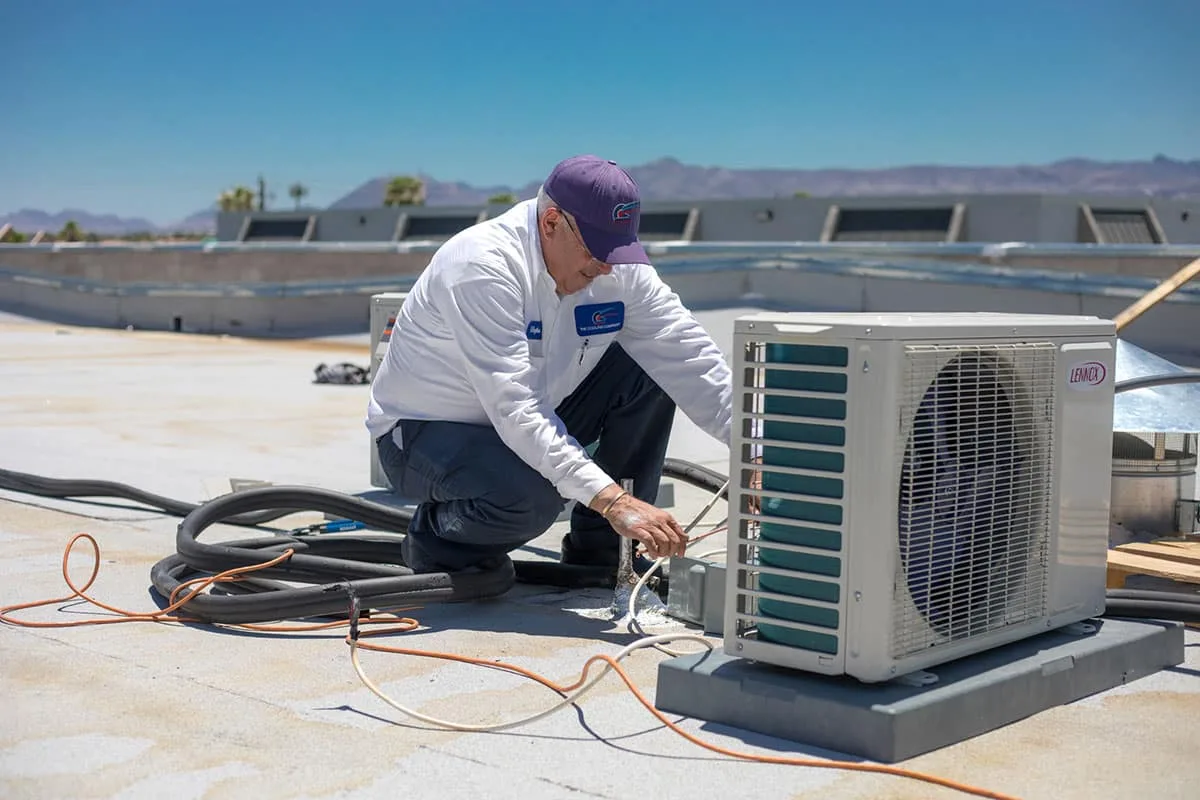
Symptoms Of Condenser Fan Motor Failure
Outdoor Unit Humming But Fan Not Spinning
One of the most common symptoms of a failing condenser fan motor is an outdoor unit that hums or buzzes while the fan blades sit motionless. The compressor may start, creating the humming noise, but the fan motor cannot overcome internal electrical or mechanical problems. Sometimes the fan may twitch or move sluggishly, then stall completely. Homeowners occasionally attempt to “push start” the fan with a stick, which can be dangerous and does not address the underlying failure. A motor that cannot start on its own is a clear sign that professional diagnosis is needed, since both the motor and its capacitor may be compromised.Top Of The Condenser Feeling Extremely Hot
When the condenser fan motor is not moving enough air, heat builds up in the outdoor unit’s cabinet. The top panel may feel unusually hot to the touch, and the air blowing from the unit may seem hotter and more forceful than usual. This indicates that the condenser coil and compressor are rejecting heat into an already overheated compartment. If this condition persists, internal components can overheat and trip safety devices or suffer permanent damage. Shutting the system down at the thermostat and calling for service is the safest response when the outdoor unit feels excessively hot and the fan operation seems abnormal.AC Running But Not Removing Much Heat
A subtle but important symptom is an air conditioner that appears to run normally yet struggles to lower indoor temperature. If the outdoor condenser fan is slowing down, intermittently stopping, or failing under higher temperatures, the refrigerant loop may not be rejecting enough heat, even though the compressor is still powered. In this scenario, vents might still blow air and the thermostat may show the system as “cooling,” but indoor temperatures drift upward during hotter parts of the day. Observing the outdoor fan behavior when the thermostat calls for cooling can help distinguish between airflow problems indoors and heat rejection problems outdoors.Breakers Tripping Or Safety Switches Opening
Electrical strain from a failing condenser fan motor sometimes shows up as tripped breakers or outdoor service disconnects that shut the unit down. A motor that draws too much current or short-circuits internally can repeatedly trip protection devices. Resetting breakers without understanding why they tripped can lead to more severe damage, particularly to the compressor. When repeated tripping coincides with unusual fan behavior, the motor and capacitor become prime suspects. A licensed technician can measure electrical draw and insulation resistance to confirm whether the fan motor, capacitor, or related wiring is at fault.Burning Smells Or Unusual Noises From The Outdoor Unit
Grinding, squealing, or rattling noises at the top of the condenser often indicate that fan bearings or mounts are failing. Electrical burning smells can signal overheating windings, damaged insulation, or arcing connections. Since the condenser sits outdoors, these sounds and smells are sometimes overlooked until cooling performance drops sharply. Any burning odor deserves immediate attention, as it suggests components are operating beyond their safe temperature range. Shutting off the system and scheduling prompt service helps limit collateral damage to wiring, capacitors, and the compressor itself.How Long You Can Safely Wait Before Calling For Service
With condenser fan motor issues, delay carries real risk. Running an air conditioner without adequate condenser airflow can overheat the compressor and shorten its life dramatically. Because compressor replacement is far more expensive than fan motor replacement, continuing to operate the system while the fan is stalling or stopped is rarely worth the risk. If the outdoor fan is not spinning, or if breakers are tripping in association with condenser operation, it is wise to shut the system down and call for service rather than trying to limp through another hot day. Short rest periods or temporary resets do not solve the underlying mechanical or electrical problem.What Diagnostics A Technician Performs Outside
During a condenser fan motor service visit, a technician typically checks whether power is reaching the motor, measures voltage and current draw, tests the capacitor that helps the motor start, and inspects the fan blade and bearings for physical damage. Visual signs such as burned wiring, swollen capacitors, or leaking lubrication can quickly narrow down the cause. Technicians may also evaluate the condition of the condenser coil and surrounding airflow. A heavily clogged coil or blocked louvers can mimic motor failure symptoms by reducing airflow so much that the unit overheats, even when the motor itself is functioning correctly.Typical Repair Versus Replacement Decisions Outdoors
Once the problem is identified, the decision usually centers on whether to replace just the capacitor or the entire condenser fan motor assembly. Capacitors are relatively low-cost parts, but a motor showing signs of age, noise, or overheating often justifies full replacement to avoid repeat visits. With average condenser fan motor replacement in Las Vegas running about $416 and common prices ranging from $113 to $967 based on Manta’s regional cost estimates, many homeowners choose motor replacement when labor is already scheduled and the existing motor shows clear wear. For aging systems, technicians may also discuss the broader context: how often repairs have occurred recently, whether the outdoor unit uses older technology, and the potential benefits of efficiency upgrades such as variable-speed condenser fan motors. Research from the U.S. Department of Energy indicates that variable-speed condenser fan motors can reduce power draw by about 58 percent compared with traditional designs according to DOE motor energy savings analysis. When a system is nearing the end of its serviceable life, that kind of efficiency gain can tip the balance toward planning for a more comprehensive upgrade instead of repeating major repairs.
Decision Checklist: Which Motor Needs Repair?
Short answer: Use this checklist to help identify which motor is failing and determine next steps:
Condenser Fan Motor Symptoms
- Outdoor unit humming but fan not spinning
- Top of condenser feels extremely hot
- AC running but not removing much heat
- Breakers tripping or safety switches opening
- Burning smells or unusual noises from outdoor unit
- Fan blade visible but not moving when system runs
Blower Motor Symptoms
- Weak or no airflow from indoor vents
- Some rooms feel stuffy while others are comfortable
- System cycles off quickly (safety limit triggered)
- Loud grinding or squealing from air handler
- Filter is clean but airflow still weak
- Indoor unit running but no air movement
When to Call Immediately
- Condenser fan not spinning during heat wave (compressor damage risk)
- Burning smell from either motor
- Repeated breaker trips
- Complete loss of cooling during extreme heat
What Drives Motor Replacement Costs in Las Vegas
Understanding cost factors helps you budget for repairs and recognize when pricing is reasonable.
For more information, see our guide on HVAC maintenance checklist.
For more information, see our guide on AC troubleshooting guide.
For more information, see our guide on common HVAC problems.
For a detailed cost breakdown, see our HVAC pricing guide.
Component Costs
- Condenser fan motor: $113-$967 (average $416) depending on motor type and accessibility
- Blower motor: $300-$900 (average $560) depending on ECM vs. standard motor
- Capacitors: $50-$200 if only capacitor needs replacement
- Labor: $75-$150/hour depending on technician certification
Factors Affecting Cost
- Motor type: ECM/variable-speed motors cost more than standard motors
- Accessibility: Attic or rooftop installations add labor time
- System age: Older systems may require custom solutions or upgrades
- Peak season: June-September repairs may cost 10-20% more due to demand
- Emergency service: After-hours or same-day service adds $100-$300
Prevention Tips: Extending Motor Life in Las Vegas
Regular maintenance prevents most motor failures and extends system life, especially in Las Vegas's harsh climate.
Monthly Maintenance Tasks
- Filter replacement: Change filters monthly during cooling season to prevent blower motor strain
- Outdoor unit inspection: Check for debris, vegetation, and dust buildup around condenser
- Visual checks: Look for unusual noises, vibrations, or visible damage
- Register check: Ensure supply and return vents are open and unobstructed
Seasonal Professional Maintenance
- Spring tune-up: Clean condenser coils, check condenser fan operation, inspect blower motor bearings
- Fall tune-up: Test both motors, check capacitors, inspect electrical connections
- Annual inspection: Professional evaluation of motor condition and efficiency
Early Warning Signs to Address
- Unusual noises: Grinding, squealing, or rattling indicate bearing wear
- Reduced airflow: Weak airflow suggests blower motor problems or filter issues
- Rising energy bills: Inefficient motors increase electricity consumption
- Intermittent operation: Motors that start and stop may indicate capacitor or electrical issues
Ready for Reliable HVAC Solutions?
Don't let a failing condenser fan motor or blower motor compromise your comfort in the Las Vegas heat. The Cooling Company is here to provide swift, expert HVAC services tailored to your home's needs. Our certified technicians deliver precise diagnostics and solutions, ensuring your system operates at peak efficiency.
We understand the unique challenges Las Vegas presents—extreme heat, desert dust, monsoon storms, and extended cooling seasons. Our professional maintenance plans include regular motor inspections, cleaning, and tune-ups to prevent problems before they start. We also offer 24/7 emergency service for when problems arise.
With our satisfaction promise and Lennox Premier Dealer status, you can trust in quality repairs and installations. Plus, take advantage of our Platinum Package membership for year-round peace of mind. Contact Us today to schedule service or learn more about our maintenance plans.
Share This Page
Related service: Need HVAC help in Las Vegas? Explore our heating services and AC repair services for Las Vegas homeowners.
Need HVAC Service in Las Vegas?
The Cooling Company provides expert HVAC service throughout Las Vegas, Henderson, and North Las Vegas. Our licensed technicians deliver honest assessments, upfront pricing, and reliable results.
Call (702) 567-0707 or visit AC repair, maintenance, heating, or installation for details.