

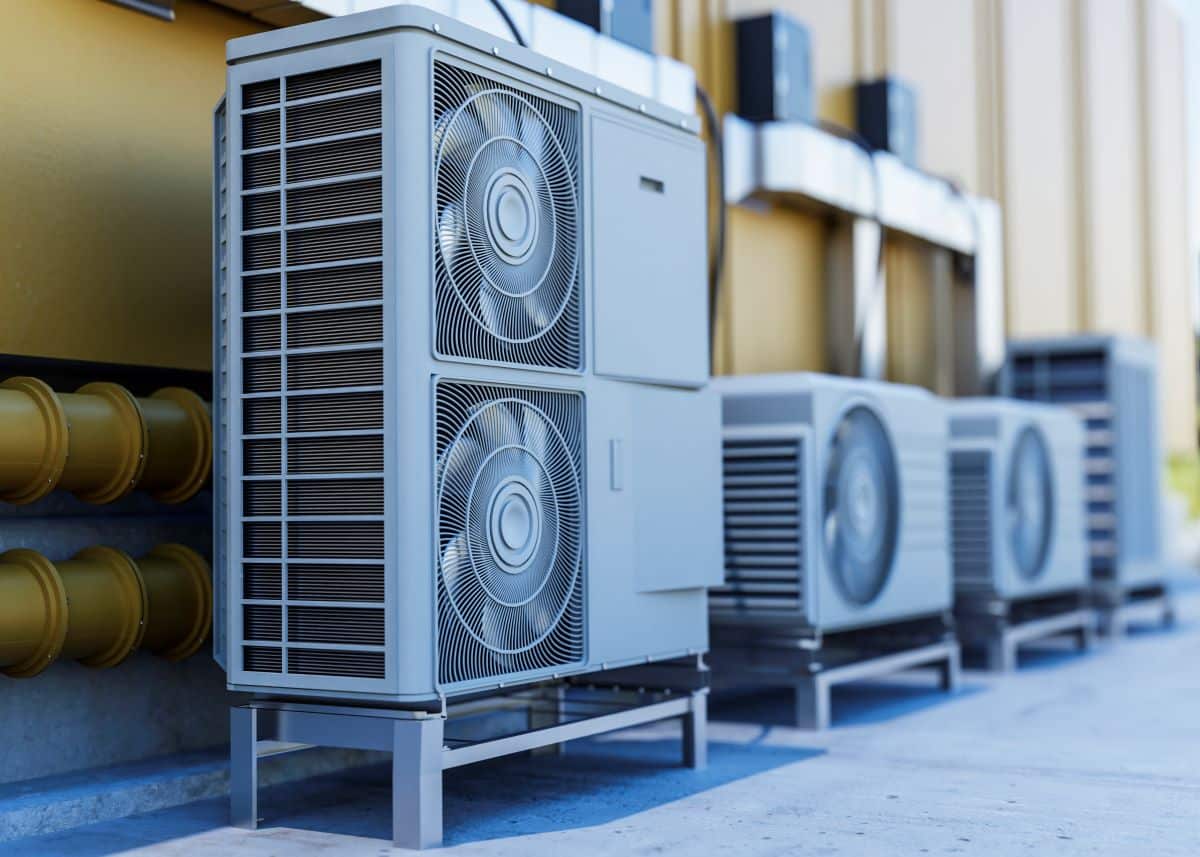
Short answer: In Las Vegas, many homeowners are discovering that swapping a gas furnace for a modern electric heat pump can cut annual heating costs by about 30% while shrinking greenhouse gas emissions roughly 60%, according to a regional analysis by the Southwest Energy Efficiency Project (SWEEP). Those are not small changes; they reshape monthly bills and long‑term environmental impact in a city that relies heavily on air‑conditioning but still needs dependable winter heat. This guide walks through what “going electric” really means, how it works in Las Vegas’ desert climate, and what to expect from your ductwork and electrical panel when planning a conversion. For context, it also helps to understand what a code-compliant furnace installation in Las Vegas looks like when permits, design, and commissioning are all handled correctly.
Try our energy savings calculator to see how much you could save.
Quick Answers and Big Picture
What Does Converting Gas Furnace to Electric Really Mean?
Converting from gas to electric heat usually means replacing the gas furnace with either a heat pump air handler or an electric resistance furnace, while keeping much of the rest of the system-ductwork, registers, and often the thermostat. The gas line to the old furnace is capped or removed, the flue is no longer needed, and the new equipment relies entirely on electricity to provide heat. In practical terms, the home still feels like a central forced‑air system: a blower pushes heated air through ducts to the rooms, filters still trap dust, and the thermostat still calls for heat or cooling as needed. What changes is the fuel source and the efficiency with which that fuel is turned into comfort.Why Las Vegas Homes Are Asking About Going Electric
Across Nevada’s climate zone, detailed modeling by SWEEP shows that heat pumps can reduce heating costs by roughly 17–30% and cooling costs by about 30–43% compared with a typical combination of gas furnace and conventional air conditioner, when appropriately sized and installed for the region’s conditions according to a technical report prepared for the Nevada Division of Environmental Protection. For homeowners used to high summer electric bills and rising gas prices, that kind of operating‑cost improvement is hard to ignore. Electrification is also part of a bigger regional and national shift. Replacing combustion appliances indoors reduces combustion byproducts inside the living space and aligns a home with local clean‑energy goals. As the electric grid adds more renewable power over time, each kilowatt‑hour used for heating tends to carry less associated carbon pollution, so an all‑electric system can grow cleaner across its lifespan without any equipment change in the home.Heat Pump vs Electric Furnace What Is the Difference?
An electric resistance furnace creates heat directly from electricity-think of it as a supersized version of a toaster or space heater with a powerful blower. A heat pump, in contrast, moves heat rather than generating it, functioning like a reversible air conditioner that can pull heat from outside air even on cool desert nights and deliver it indoors. Because moving heat uses far less energy than creating it, heat pumps typically deliver much more heat output per unit of electricity than resistance furnaces in Las Vegas’ moderate winter climate. That difference is what drives most of the operating‑cost savings attributed to heat pumps in regional studies, and it is why many experts consider resistance furnaces a niche solution rather than the primary path for gas‑to‑electric conversions.Can I Use My Existing Ductwork?
In many Las Vegas homes, the existing ductwork can stay in place when moving from a gas furnace to an electric system, provided it is in reasonable condition and sized appropriately. The new air handler or furnace connects to the existing supply and return trunks, and room registers continue to serve the same spaces. However, a conversion is a good moment to evaluate whether ducts leak, are poorly insulated, or are undersized for the airflow a modern heat pump prefers. Correcting these issues can be as important as the new equipment in determining how comfortable each room feels on the hottest and coldest days.Do I Need an Electrical Panel Upgrade?
Some homes can support a new electric heating system without panel work, while others need substantial electrical upgrades. A heat pump that largely relies on efficient compression technology may add only a modest load relative to the existing air‑conditioning system, whereas a large electric resistance furnace or big auxiliary heat strips can draw a great deal more current when running. Evaluating this properly requires a load calculation on the electrical service, considering existing large appliances and any planned additions such as vehicle charging or induction cooking. When the main panel is already near its safe capacity, upgrading the service before or during a gas‑to‑electric conversion often becomes the prudent path.Is Converting From Gas to Electric Worth It in Las Vegas?
For many Las Vegas homes, especially those planning to stay in place for years and already considering replacing aging equipment, the combination of lower heating and cooling costs and sharply lower emissions makes a heat pump conversion compelling. A study prepared for the Rocky Mountain Institute found that replacing a gas furnace with a heat pump in Nevada can cut carbon pollution by roughly 82% over 15 years, assuming realistic grid trends and equipment performance according to the same Nevada technical report. For homeowners who ultimately decide that electrification is not the right move, the next best step is carefully selecting a new high-efficiency furnace that fits the home’s load and code requirements. Common questions or objections usually center on whether heat pumps can handle occasional cold snaps, whether the electric bill will spike, and how long the payback takes. In Las Vegas’ relatively mild winters and long cooling season, properly selected systems generally have no difficulty meeting heating loads, the total annual energy spend often drops when both heating and cooling are considered together, and the financial case improves the longer the homeowner expects to own the property. Homeowner takeaway: For most Las Vegas houses with aging gas furnaces, a carefully planned conversion to a heat pump offers a strong long‑term balance of comfort, operating cost, and environmental benefit.
Gas vs Electric vs Heat Pump Basics
How Gas Furnaces Heat Your Home
A gas furnace burns natural gas in a sealed combustion chamber, passes room air across a metal heat exchanger, and then distributes that warmed air through ducts. High‑efficiency “condensing” models are designed so that nearly all the energy in the gas ends up as useful heat in the home, with only a small fraction lost in exhaust gases. Industry data show that some high‑end gas furnaces can reach efficiency ratings up to about 98.5%, meaning almost all of the fuel’s energy is converted into indoor heat under test conditions according to Santanna Energy Services. Even with such impressive combustion efficiency, though, a gas furnace still relies on a fossil fuel and cannot take advantage of cleaner electricity or rooftop solar the way an all‑electric system can. For homeowners who decide to stay with gas but upgrade aging equipment, a gas furnace installation in Las Vegas guide can clarify what a modern replacement should look like from sizing to start-up testing.How Electric Resistance Heat Works
Electric resistance heat relies on coils that become hot when electricity passes through them, with a blower moving air over the coils and into the ducts. Because every unit of electricity used turns directly into heat, resistance systems are simple and have few moving parts beyond the fan and controls. Simplicity, however, does not automatically translate to low operating cost. When compared with a heat pump in a mild climate like Las Vegas, resistance heat typically consumes more electricity to deliver the same indoor temperature, which can show up as higher winter electric bills if the resistance elements run for long periods.How Heat Pumps Work in Heating Mode
In heating mode, an air‑source heat pump runs its refrigeration cycle in reverse compared with air‑conditioning. The outdoor unit pulls heat from outside air-even when it feels chilly-and the indoor coil releases that heat into the home’s air stream, which is then moved through ducts. Because the system is moving heat rather than creating it from scratch, the amount of delivered heat per unit of electricity is much higher than with resistance heat. SWEEP’s analysis for Las Vegas found that replacing a gas furnace with a heat pump can reduce annual heating costs by about 30%, in addition to the approximately 60% reduction in greenhouse‑gas emissions that results from using efficient electric equipment instead of burning gas on‑site according to its 2022 Southwest heat pump study.Dual Fuel Systems That Use Both Gas and Electric
A dual‑fuel system pairs a heat pump with a gas furnace, allowing the heat pump to handle most of the heating load while the furnace takes over at colder temperatures or during high‑demand periods. Controls decide when to switch based on outdoor temperature, energy prices, or user preferences. For homeowners not ready to disconnect gas entirely, dual fuel can feel like a transitional option that still achieves significant reductions in gas consumption, especially in a climate where the heat pump can cover the majority of the heating season without assistance.Balance Point and Las Vegas Winter Temperatures
The “balance point” is the outdoor temperature at which a heat pump’s output exactly matches the home’s heat loss; below that point, the system needs backup heat or runs longer to maintain setpoint. In many colder regions, that balance point is a major design constraint, but Las Vegas’ typically moderate winter nights keep it from being a major obstacle for well‑sized systems. With thoughtful equipment selection and attention to building envelope details-such as air sealing and insulation-most homes in the valley can rely on the heat pump as the primary heater without heavy dependence on backup resistance strips, which keeps winter electricity use more manageable. Homeowner takeaway: Understanding the basic differences between gas, resistance electric, and heat pumps clarifies why modern heat pumps are usually the most cost‑effective electric option for Las Vegas conversions.
Electrical Panel and Wiring Requirements
Checking Main Service Size and Available Capacity
Before committing to a gas‑to‑electric conversion, a qualified electrician or HVAC contractor needs to verify that the home’s main electrical service can handle the additional load. This involves tallying existing large appliances, considering future projects such as vehicle charging, and comparing that total to what the main panel and service conductors are rated to support. If the existing service has only modest spare capacity, choosing a highly efficient heat pump with minimal resistance backup may fit within the current panel, whereas a large electric furnace might exceed what the service can safely supply. This early assessment helps avoid unpleasant surprises late in the installation process.Branch Circuits for Electric Furnaces and Heat Strips
Electric heating equipment often requires dedicated branch circuits with appropriately sized breakers and conductors. Heat strips or resistance furnaces can draw significant current when fully energized, so codes typically call for separate circuits and careful attention to wire sizing, overcurrent protection, and disconnect locations. Heat pumps also need dedicated circuits, though their electrical demand is often closer to that of a central air conditioner. In both cases, equipment labeling and manufacturer instructions guide the electrician on proper circuit sizing and connection methods.When a Panel Upgrade Is Required
If load calculations show that adding electric heat will push the home beyond the safe operating limit of the existing panel or service, upgrading becomes more than a convenience-it becomes a safety requirement. An upgrade might involve installing a new main panel with higher capacity, running new service conductors, or both, coordinated with the local utility and permitting authority. Although a panel upgrade adds cost and coordination, it can be an opportunity to clean up aging wiring, add space for future circuits, and bring the electrical system up to current standards, which benefits the whole home, not just the new heating equipment.Coordinating With a Licensed Electrician
DIY work on low‑voltage thermostat wiring or replacing a simple disconnect might be manageable for some homeowners, but panel changes, new high‑amperage circuits, and service upgrades belong firmly in the domain of licensed electricians. These tasks involve utility coordination, local code compliance, and safety risks that extend beyond the property line if done incorrectly. For similar reasons, full do it yourself furnace installation is rarely a good fit in Las Vegas, where gas, venting, and electrical work all intersect in a single project. HVAC and electrical contractors often work as a team on conversions, with the HVAC specialist handling load calculations, equipment selection, and ductwork while the electrician addresses service capacity and branch‑circuit details. Clear communication between trades helps ensure the system performs as designed from day one.Planning for Future Loads Like EV Chargers
When upgrading for a new electric heat source, it is wise to think ahead about other loads that might be added over the life of the home, such as vehicle charging, additional heat pumps for room additions, or electrified cooking and water heating. Building in some extra capacity now can simplify those future projects and avoid repeated panel work. This forward‑looking approach aligns with broader national trends: the U.S. Department of Energy has proposed new efficiency standards for residential gas furnaces that would require about 95% fuel efficiency by 2029, signaling a policy environment that increasingly favors both high‑efficiency and electric options for space heating as reported by Utility Dive. Planning an electric conversion with future loads in mind positions a home to adapt gracefully as equipment standards and energy options continue to evolve. Homeowner takeaway: Verifying electrical capacity and, when needed, upgrading the panel is a foundational step that makes an electric conversion safe, code‑compliant, and ready for future electrification projects.Ductwork Comfort and Compatibility
Can Existing Ductwork Stay With a New Electric System?
In many Las Vegas homes, existing ducts can be reused when a gas furnace is replaced with a heat pump or electric furnace, especially when the current system already delivers reasonably even comfort. The new air handler is connected to the existing supply and return trunks, and rooms continue to receive conditioned air through the same registers and grilles. Still, contractors should inspect for obvious issues: crushed or disconnected flex duct, gaps at plenums, and signs of poor past workmanship. Repairing these problems as part of the conversion can prevent new equipment from inheriting old performance limitations.Static Pressure and Airflow in Older Las Vegas Homes
Static pressure is a measure of how hard the blower has to work to push air through the duct system. Older homes sometimes have undersized ducts, sharp turns, or restrictive grilles that create high static pressure, which can shorten equipment life and increase noise, regardless of whether the system is gas or electric. Modern variable‑speed blowers found in many heat pumps are more tolerant of duct quirks than older single‑speed motors, but they still benefit from well‑designed airflow paths. During a conversion, technicians may recommend enlarging key sections of duct, adding additional supplies or returns, or using less restrictive registers to keep static pressure within manufacturer limits.Return Air Sizing and Noise Considerations
Return grilles that are too small force air to speed up as it enters the duct, creating the familiar “air rushing” noise that many homeowners associate with central systems. When switching to an electric system, especially one with higher airflow in certain modes, this noise can become more pronounced if return sizing is marginal. Adding extra return paths or upsizing grilles can quiet the system and improve comfort by allowing the blower to move the necessary air volume without strain. These changes are often easier to make during a conversion, when equipment is being replaced and access to key duct connections is already open.Sealing and Insulating Ducts During Conversion
Duct leakage sends conditioned air into attics, crawlspaces, or wall cavities instead of the rooms where people live. Insufficient insulation allows heat to seep in or out along the duct run, undermining system efficiency. Sealing and insulating ducts during a gas‑to‑electric conversion helps ensure that the improved efficiency of the new equipment is not squandered by distribution losses. At a regional scale, improvements like electrification and better duct performance add up. An industry report for the Las Vegas metropolitan area estimated that mandated building electrification could reduce net carbon dioxide emissions by a cumulative 11.2 million metric tons from 2022 through 2050, highlighting the impact that widespread adoption of efficient electric equipment and supporting upgrades can have over time according to the American Gas Association’s Nevada analysis.Fixing Hot and Cold Spots as Part of the Project
Many homes have rooms that consistently run warmer or cooler than the thermostat setting, due to duct layout, solar exposure, or insulation differences. A conversion project is an ideal time to address these chronic comfort issues by adjusting duct balancing, adding supplies or returns, or improving envelope insulation in targeted areas. When combined with a modern, properly sized heat pump, these duct and envelope improvements can deliver a more uniform temperature throughout the house, reducing the temptation to use portable space heaters or window air‑conditioners that often negate efficiency gains from the central system. Homeowner takeaway: Treating the duct system as part of the conversion-not just swapping equipment-helps the new electric system deliver quieter, more even comfort while maximizing the environmental and cost benefits of going all‑electric.Ready to Embrace Efficient Electric Heating?
Learn about available federal tax credits for energy-efficient HVAC equipment.
Share This Page
Need HVAC Service in Las Vegas?
The Cooling Company provides expert HVAC service throughout Las Vegas, Henderson, and North Las Vegas. Our licensed technicians deliver honest assessments, upfront pricing, and reliable results.
Call (702) 567-0707 or visit heating, furnace repair, heat pump installation, or heating maintenance for details.