


Short answer: Ductless mini-split air conditioners provide efficient cooling without ductwork by connecting outdoor compressors to indoor air handlers via refrigerant lines. Each indoor unit can be controlled independently, allowing zone-by-zone comfort. In Las Vegas, where summer temperatures exceed 110°F and systems run 10-11 months per year, mini-splits offer efficient cooling with lower installation costs than central systems. They're ideal for homes without ducts, additions, or rooms that need individual temperature control.
For a detailed cost breakdown, see our HVAC pricing guide.
Las Vegas Ductless Mini-Split Context
Las Vegas homeowners benefit from ductless mini-splits because they eliminate duct losses and provide efficient zone control. The Las Vegas Valley experiences 310+ days of direct sunlight annually, with summer highs regularly reaching 110-115°F. Unlike moderate climates, AC systems here operate nearly year-round, which increases wear and makes efficiency critical. Desert dust storms can clog filters faster, but mini-splits avoid duct contamination. High summer energy bills make efficiency especially valuable, with many homeowners seeing $100-300+ monthly savings from properly sized mini-split systems.
During peak summer months (June through September), cooling demand is extreme, and mini-splits provide reliable comfort without duct losses. Neighborhoods across the valley—from Summerlin and Henderson to North Las Vegas, Paradise, and Enterprise—all face similar heat challenges, but home age, existing ductwork, and room layouts vary significantly. Older homes without ducts benefit most from mini-splits, while newer homes may use them for additions or problem rooms.
Las Vegas also experiences rapid temperature swings—desert nights can drop 30-40°F from daytime highs, and occasional winter cold snaps require reliable heating. Many mini-splits function as heat pumps, providing both heating and cooling. Monsoon season (July-September) brings humidity spikes that mini-splits handle efficiently with proper sizing and installation.
Understanding Ductless Technology
Looking for a ductless air conditioner installation? Click here to visit our AC Installation page and see how The Cooling Company can help you design, install, and maintain the perfect system for your home.How Mini-Splits Work
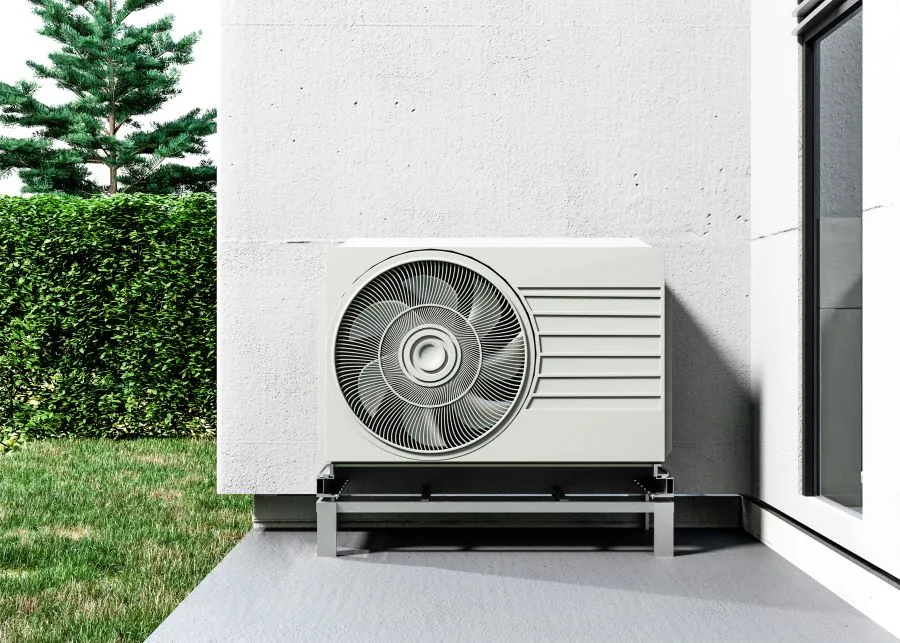
Ductless mini-split systems operate by moving heat between indoor and outdoor units without the need for ductwork. Unlike traditional HVAC systems that rely on ducts to distribute conditioned air, mini-splits use refrigerant lines to connect an outdoor compressor to one or more indoor air handlers. This setup allows for direct heating or cooling of individual rooms or zones. Imagine a mini-split as a targeted climate control system. Instead of cooling or heating an entire house through ducts, it treats each space independently. This approach reduces energy loss common in ducted systems, where air can escape through leaks or poorly insulated ducts. For residents in Las Vegas, where temperatures can swing dramatically, this precise control means comfort without wasting energy. The global ductless HVAC market’s rapid growth, projected to reach $145 billion by 2026 with a CAGR over 8%, reflects the increasing demand for such efficient systems (Ferguson). Additionally, the ability to customize settings for different areas of the home enhances overall comfort. For example, during the hottest parts of the day, you can focus cooling efforts in the living room while keeping the bedrooms at a more moderate temperature. This flexibility not only improves comfort but also promotes energy savings, making it a win-win for homeowners.Component Overview
A typical mini-split system includes an outdoor compressor/condenser and one or more indoor air handlers. The outdoor unit compresses refrigerant, which then travels through insulated copper tubing to the indoor units. Each indoor unit contains an evaporator coil and a fan to distribute conditioned air. Additional components include the thermostat or remote control, refrigerant lines, and sometimes a drain line for condensation. The modular design allows for flexibility in system size and configuration, making it ideal for both small apartments and larger homes. Moreover, the compact size of mini-split components means they can be installed in various locations, providing options for homeowners who may have space constraints. This adaptability is particularly beneficial in urban environments where space is at a premium, allowing for efficient climate control without compromising on living space.Inverter Technology Benefits
Inverter technology in mini-splits enables the compressor to adjust its speed dynamically rather than cycling on and off at full power. This results in more consistent temperatures, reduced energy consumption, and less wear and tear on the system. Consider it like a car that can cruise at different speeds instead of just full throttle or stopped. This modulation means the system uses only the energy necessary to maintain comfort, which translates to lower utility bills and extended equipment lifespan. This technology also contributes to a more environmentally friendly operation. By consuming less energy, inverter-driven mini-splits can help reduce greenhouse gas emissions, aligning with the growing trend towards sustainable living. Homeowners can enjoy comfort while also being conscious of their environmental footprint.Efficiency Advantages
Mini-split systems are renowned for their energy efficiency. They avoid the significant losses associated with ductwork and leverage inverter technology to optimize power use. A 2024 study by the Pacific Northwest National Laboratory found that ductless mini-split heat pumps can save between 62% and 77% of heating energy compared to electric resistance baseboard heaters (a PNNL study). For homeowners concerned about energy costs in Las Vegas, where cooling demands are high, these savings are significant. The ability to heat and cool efficiently without duct losses makes mini-splits a smart investment. Furthermore, many utility companies offer rebates and incentives for homeowners who choose energy-efficient systems like mini-splits. This financial assistance can significantly offset the initial investment, making the transition to ductless technology even more appealing.Zone Control Capabilities
One of the standout features of mini-splits is zone control. Each indoor unit can be controlled independently, allowing different rooms to be set at different temperatures. This is especially useful in homes with varying occupancy or preferences. For example, a bedroom can be cooled overnight while the living room remains off, conserving energy. This level of control enhances comfort and reduces unnecessary usage, a benefit traditional single-zone systems cannot match. Additionally, this zoned approach can be particularly advantageous in multi-story homes where temperature variations can occur between floors. Homeowners can ensure that each level is maintained at a comfortable temperature, enhancing the overall living experience.Installation Simplicity
Installing a ductless mini-split is generally less invasive and faster than installing or retrofitting ductwork. For homeowners exploring options for full-home cooling without existing ducts, check out our AC installation in homes without ducts guide to learn how The Cooling Company can help design and install the perfect system. The indoor units mount on walls or ceilings, and only a small hole is needed to connect refrigerant lines to the outdoor unit. This simplicity is particularly advantageous in older homes or buildings without existing ducts. Contractors often recommend mini-splits for renovations where duct installation would be costly or impractical. Moreover, the reduced installation time means homeowners can enjoy their new climate control system sooner, minimizing disruption to their daily lives. This quick turnaround is a significant benefit for those looking to upgrade their HVAC system without extensive renovations.Aesthetic Options
Modern mini-split indoor units come in various styles and finishes, including wall-mounted, ceiling cassette, floor-mounted, and concealed duct options. This variety allows homeowners to select units that blend with their interior décor. For example, a slim wall-mounted unit can be discreetly placed above a doorway, while ceiling cassettes distribute air evenly in larger rooms without occupying wall space. Additionally, some manufacturers offer customizable covers and colors, allowing homeowners to match the units to their existing interior design. For homeowners considering a premium ductless option, explore Daikin Ductless Heat Pump options to see how advanced technology can enhance comfort and efficiency. This attention to aesthetics ensures that energy efficiency does not come at the cost of style.Smart Controls
Many mini-split systems now integrate with smart home technology, enabling control via smartphone apps, voice assistants, or programmable schedules. This connectivity offers convenience and the ability to optimize energy use remotely. Imagine arriving home on a hot Las Vegas day and turning on your air conditioner from the car. Smart controls make this possible, enhancing comfort and efficiency. Furthermore, these smart systems can provide valuable insights into energy usage patterns, allowing homeowners to make informed decisions about their heating and cooling habits. This data-driven approach can further enhance energy savings and comfort levels.Heat Pump Functionality
Mini-splits often function as heat pumps, providing both heating and cooling. This dual functionality is energy-efficient and eliminates the need for separate heating systems. Learn more about heat pump options in our Ductless Mini Split Heat Pump Guide In climates like Las Vegas, where winters are mild but occasional heating is necessary, mini-split heat pumps offer year-round comfort with lower operating costs compared to electric resistance or gas heating. Moreover, the ability to reverse the refrigeration cycle allows mini-splits to provide efficient heating even in colder temperatures, making them versatile solutions for various climates. This adaptability ensures that homeowners can rely on their mini-split systems throughout the year.Quiet Operation
Mini-splits are designed for quiet operation. The noisy compressor is located outside, while indoor units operate with minimal sound. This feature is ideal for bedrooms, offices, or any space where noise could be disruptive. For homeowners seeking the ultimate in comfort and silence, check out our ultra-quiet AC solutions in Las Vegas to explore advanced noise-reduction technologies and quiet-performing systems. For homeowners sensitive to sound, mini-splits offer a peaceful alternative to traditional HVAC systems, which often generate more noise indoors. Additionally, the quiet operation of mini-splits can enhance the overall ambiance of a home, allowing for a more serene environment. Whether it's enjoying a movie night or a peaceful evening, the unobtrusive nature of mini-splits contributes to a more enjoyable living experience.Ductless vs Traditional Systems
Installation Comparison
Traditional HVAC systems require extensive ductwork, which can be costly and disruptive to install, especially in existing homes. Ductless mini-splits bypass this by using refrigerant lines, making installation faster and less invasive. For example, a homeowner replacing a window AC unit with a mini-split can often complete installation in a day or two, whereas duct installation may take weeks and involve significant construction. Mike Young, an HVAC contractor, emphasizes the importance of considering mini-splits, stating, "If you’re not at least considering offering mini-splits, you’ve got your head in the sand" (Ferguson).Efficiency Differences
Mini-splits generally outperform traditional systems in efficiency due to the elimination of duct losses and the use of inverter-driven compressors. The North America Air Conditioning Systems Market Report shows that ductless mini-splits led the market with a 40.2% revenue share in 2024, largely because of their energy efficiency (Grand View Research). Traditional systems may lose 20-30% of energy through ducts, whereas mini-splits deliver conditioned air directly to the room, maximizing energy use. Homeowners considering traditional ducted systems can also explore our central air conditioning options guide to understand installation processes, efficiency benefits, and maintenance tips.Cost Analysis
Initial costs for mini-split systems can be higher per unit compared to traditional central systems, especially for multi-zone setups. However, savings on duct installation and lower operating costs often offset upfront expenses. Homeowners should consider the long-term value: mini-splits can reduce energy bills significantly, with some studies suggesting heating energy savings of up to 77% compared to electric baseboard heaters (a PNNL study).Comfort Control
Mini-splits offer superior comfort control through zoning and precise temperature management. Traditional systems often struggle with uneven temperatures due to duct design and airflow limitations. For example, a two-story home with a traditional system might have hot and cold spots, while a mini-split system can tailor conditions room-by-room, enhancing overall comfort.Maintenance Requirements
Maintenance for mini-splits is generally straightforward: regular cleaning of filters, checking refrigerant levels, and ensuring outdoor units are clear of debris. Unlike ducted systems, there is no duct cleaning required. DIY maintenance is safe for filter cleaning, but refrigerant servicing should be handled by licensed HVAC professionals to avoid warranty voids and ensure system longevity. Regular upkeep helps maintain efficiency and quiet operation, extending the system’s lifespan.
Single vs Multi-Zone Systems
Single-Zone Applications
Single-zone mini-splits serve one indoor unit connected to an outdoor compressor. This setup is ideal for small spaces like studios, individual rooms, or offices. For example, a homeowner might install a single-zone system to cool a detached garage or a sunroom without modifying the entire home’s HVAC.Multi-Zone Capabilities
Multi-zone systems connect multiple indoor units to a single outdoor compressor, allowing independent control across several rooms or zones. This flexibility suits larger homes or buildings with diverse comfort needs. For instance, a multi-zone system can cool bedrooms separately from living areas, optimizing energy use and comfort.Outdoor Unit Sizing
Outdoor unit size depends on the combined capacity of the indoor units it supports. Proper sizing is critical to ensure efficient operation and prevent premature wear. HVAC contractors use load calculations to determine the correct capacity, balancing performance and energy consumption.Control Strategies
Each indoor unit in a multi-zone system typically has its own thermostat or remote control, allowing occupants to set temperatures individually. Some systems integrate centralized control panels or smartphone apps for convenience. This granular control reduces energy waste by conditioning only occupied spaces.Expansion Options
Multi-zone systems offer scalability. Homeowners can start with a few zones and add more indoor units later as needs evolve, provided the outdoor unit has capacity. This phased approach can spread out costs and adapt to changing household layouts or preferences.Cost Scaling
Costs increase with the number of zones due to additional indoor units and installation complexity. Single-zone systems typically range from $2,000 to $5,000 installed, while multi-zone setups can exceed $10,000 depending on size and features. Despite higher initial costs, energy savings and comfort improvements often justify the investment.Installation Planning
Planning for multi-zone installations requires careful consideration of refrigerant line routing, electrical supply, and placement of indoor units for optimal airflow. Professional design and installation ensure system efficiency and longevity. DIY installation is not recommended for multi-zone systems due to complexity and warranty considerations. Floyd Nealey, an HVAC contractor, notes that about 40% of his calls involve customers interested in switching to mini-split systems, highlighting their growing popularity (Ferguson).Decision Checklist: Choosing Ductless Mini-Splits
Use this checklist to determine if mini-splits are right for your Las Vegas home:
- Best For: Homes without ducts, room additions, individual room control, high efficiency needs
- Considerations: Number of zones needed, outdoor unit placement, electrical capacity, insulation quality
- Professional Assessment: Manual J load calculation, zone requirements, electrical inspection, installation planning
- Cost Factors: Number of indoor units, system capacity, installation complexity, rebate availability
Cost Drivers: Ductless Mini-Split Pricing
Understanding costs helps you budget for mini-split installation:
- Single-Zone Systems: $5,000-$9,000 installed for one indoor unit and outdoor compressor
- Multi-Zone Systems: $10,000-$25,000+ depending on number of indoor units and capacity
- Installation Complexity: Electrical upgrades, wall mounting, refrigerant line routing affect labor costs
- Efficiency Level: Higher SEER ratings cost more upfront but save on energy bills
- Features: Smart controls, heat pump capability, advanced filtration add to costs
- Rebates: Federal tax credits, utility rebates, manufacturer incentives can reduce upfront costs
Prevention and Maintenance Tips
Regular maintenance prevents costly repairs and extends system life:
- Filter Cleaning: Clean or replace filters every 1-3 months, more frequently during high-use periods
- Coil Cleaning: Clean indoor and outdoor coils annually to maintain efficiency
- Clear Outdoor Units: Keep 2-3 feet clearance around outdoor units, trim vegetation, remove debris
- Professional Tune-ups: Schedule annual maintenance in spring before cooling season
- Thermostat Programming: Use smart controls with proper setbacks to reduce runtime
- Monitor Performance: Watch for reduced cooling, unusual noises, or rising energy bills
Ready for Efficient Comfort with Mini-Splits?
Las Vegas area homeowners can call The Cooling Company at (702) 567-0707 for ductless mini-split installation, repair, and maintenance. Our licensed, NATE-certified technicians perform proper sizing, installation, and commissioning to ensure your system operates efficiently in extreme desert conditions. We serve Las Vegas, Henderson, and North Las Vegas with same-day service available for urgent needs.
For installation estimates, system upgrades, or maintenance plans, Schedule Now today or call (702) 567-0707. We provide written estimates, warranty protection, and rebate assistance to help make your mini-split investment affordable.
You may qualify for federal tax credits that reduce your upfront cost.
Share This Page
Need HVAC Service in Las Vegas?
The Cooling Company provides expert HVAC service throughout Las Vegas, Henderson, and North Las Vegas. Our licensed technicians deliver honest assessments, upfront pricing, and reliable results.
Call (702) 567-0707 or visit ductwork, duct repair, duct cleaning, or duct inspection for details.