


Emergency AC Repair Guide: 5 Fast Steps
Short answer: Emergency AC repair requires quick safety checks, proper triage, and calling certified technicians for electrical or refrigerant issues. Start with safe DIY checks (thermostat, breaker, filter), then call a licensed pro for burning smells, smoke, refrigerant leaks, or compressor failures. In Las Vegas, where summer temperatures regularly exceed 110°F and AC systems run 10-11 months per year, fast response is critical for comfort and safety. Desert heat, dust storms, and high energy costs make proper diagnosis and quality repairs essential for avoiding repeat failures.
See why homeowners trust us — view our industry awards and certifications.

Las Vegas Emergency AC Repair Context
Las Vegas homeowners face unique challenges with emergency AC repairs due to extreme desert heat. The Las Vegas Valley experiences 310+ days of direct sunlight annually, with summer highs regularly reaching 110-115°F. Unlike moderate climates, AC systems here operate nearly year-round, which increases wear and the likelihood of failures during peak heat. Desert dust storms can clog filters and coils faster, leading to airflow issues and compressor strain that trigger emergency calls.
During peak summer months (June through September), repair demand surges, and same-day service becomes critical for comfort and safety. After-hours and weekend calls typically add 20-50% surcharges to labor rates. Neighborhoods across the valley—from Summerlin and Henderson to North Las Vegas, Paradise, and Enterprise—all face similar heat challenges, but system age, maintenance history, and equipment type vary significantly. Older systems (12+ years) are more prone to failures, while newer systems may only need minor repairs if maintained properly.
Key Takeaways
- Prioritize safety: shut off system for burning smells, smoke, or electrical issues
- Do safe DIY checks first: thermostat, breaker, filter
- Call certified technicians for electrical or refrigerant work
- Expect after-hours premiums during peak heat
- Regular maintenance prevents most emergency calls
What is an AC emergency?
An AC emergency is any failure that risks health, safety, or critical operations. Examples include loss of cooling during extreme heat, visible smoke from equipment, or repeated electrical arcing. These events need quick triage to protect people and property. Acting fast can reduce damage and lower AC repair costs. Take immediate steps to protect occupants. Move vulnerable people to a cooler place if needed. Turn off equipment if you see burning smells or smoke. Use simple, safe checks first. Do not attempt electrical or refrigerant work by yourself. For certified work, call a licensed technician.What counts as an emergency AC failure?
An emergency failure is one that threatens people or property. Total loss of cooling in extreme heat, smoke, or repeated circuit trips are clear emergencies. For businesses, loss of cooling in server rooms, labs, or stores can be costly. Treat those outages as urgent and follow your continuity plan. In all cases, prioritize safety. If occupants are at risk, move them and call for help. If equipment shows fire signs, shut power off and keep a safe distance. Emergency designation speeds response and justifies after-hours service.When is indoor temperature dangerous?
Indoor heat above 90°F for several hours can be unsafe. Small children, older adults, and people with chronic illness are at higher risk. Even temperatures in the low 80s can be dangerous for vulnerable people over time. Humidity increases danger because it makes the body less able to cool itself. If you cannot restore cooling, use fans and temporary cooling or relocate people. Monitor occupants and seek medical help if anyone shows signs of heat stress.Which systems are most at risk?
Residential split systems often fail at capacitors, contactors, and control boards. Rooftop packaged units face fan and compressor issues due to weather and debris. Large chillers may fail at pumps or complex controls. Older and poorly maintained equipment fails faster. Units with large refrigerant charges or complex controls need certified techs. These systems can be dangerous to handle without training. Put critical systems on a maintenance plan to reduce surprise failures and improve reliability.How to triage an AC emergency?
Triage is a short ordered check to protect life and limit property damage. Start with safety checks. Confirm power at the main breaker or disconnect next. Inspect airflow by checking filters and fans. Take basic readings only if you have the right tools and training. The goal is to stabilize the situation and avoid harm. Fix only small, safe issues yourself. Anything electrical or involving refrigerant needs a certified technician. Good triage gives clear information to the technician and often cuts repair time and cost.What quick checks can onsite staff do?
Onsite staff can verify power, check for tripped breakers, and confirm thermostat mode. Look for water pooling near the unit and for error codes or blinking lights. Photograph control panels and any visible damage for later review. Keep a simple incident form to record key facts: time of failure, symptoms, and steps taken. These quick actions give technicians a head start and reduce time on site.How to inspect air filters safely?
Always turn off the unit at the thermostat or a disconnect before opening access panels. Remove the filter and inspect for heavy dust, pet hair, or blockages. Replace disposable filters with the correct size and MERV rating for your system. A clean filter often restores airflow and improves cooling fast. Do not use wet or damaged filters. Record the filter size and replacement date in your maintenance log to track performance.Can temporary power resets help?
A controlled power reset can clear latched faults in controls or compressors. Turn off the thermostat, wait thirty seconds, and toggle the breaker or disconnect for about sixty seconds before restoring power. Watch for a normal startup. Avoid repeated resets. If the breaker trips again or faults return, shut the system off and call a technician. Repeated resets can hide serious problems and may cause further equipment damage.How to document failures for contractors?
Create a short incident record with time of failure, symptoms, and steps taken. Note thermostat setpoint, breaker identity, filter condition, and any alarms. Include timestamps on photos and videos of unusual sounds or error codes. Organize all information in one file for quick sharing. Technicians diagnose faster with good notes. These records also help with warranty and insurance claims after repairs are done.When should you call a certified technician?
Call a certified technician for electrical faults, refrigerant leaks, compressor failure, smoke, or burning smells. These hazards require licensed work and often legal documentation. Prompt professional response reduces risk and may lower future costs. If you manage critical facilities, trigger your contingency plan immediately. Ask for emergency SLAs and on-call technicians. For regular homes, you can try safe fixes first but do not delay a call when problems persist or when safety is in doubt.How to recognize compressor failure?
Compressor failure often shows as loud clanking, a humming motor that will not start, or frequent overload trips. High head pressure with little or no cooling also points to compressor problems. You may see oil near the compressor enclosure. If your unit is making unusual sounds, our guide to fixing loud AC noises can help you identify the cause. Do not try to power a locked compressor directly. That can burn out the motor and raise replacement costs. Photograph the compressor nameplate and surrounding area for technician use.What signs mean a refrigerant leak?
Refrigerant leaks show as reduced cooling, frost on evaporator coils, or hissing near lines. Look for oily residue at fittings or stains on insulation. Gauges showing low suction and low head pressure support a leak diagnosis. Do not add refrigerant unless you hold EPA certification. Many refrigerants are regulated. Take photos and note pressures to speed repair and compliance paperwork for your technician.When is the condenser unsafe to access?
Do not access the condenser if guards are missing, covers are open, or fan blades are loose. Rooftop access adds fall hazards. Damaged wiring or exposed terminals make work unsafe without lockout procedures and PPE. Call a technician with the right equipment and fall protection. For rooftop units, technicians may need lifts or cranes. Waiting for proper safety gear is safer than risking injury or more damage.Can DIY fixes void warranties?
Yes. Major repairs and refrigerant handling often require factory-authorized service to keep warranties valid. Electrical and refrigerant work are common exclusions if done by unqualified people. Small tasks like changing filters usually do not void coverage. Keep receipts and photos of any DIY work. These records help clarify warranty questions with the manufacturer if an issue arises later.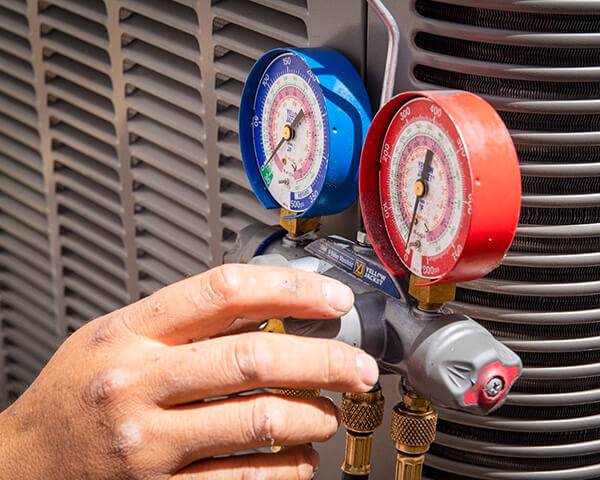
What temporary fixes can you try now?
Temporary fixes stabilize conditions until a technician arrives. Swap a dirty filter for a clean one, reset a breaker once when safe, and run the fan-only mode to move air. Portable fans and rental spot coolers help protect occupants and contents. Do not attempt refrigerant charging or major electrical repairs yourself. Record every action you take so technicians can trace steps during diagnostics. Proper notes reduce diagnostic time and improve repair accuracy.Can you reset a tripped breaker safely?
Yes, if you see no burning smell or visible damage. Turn the thermostat off first, wait thirty seconds, and reset the breaker. If it holds, monitor the system closely for any abnormal noise or repeated trips. If the breaker trips again quickly, leave the system off and call a technician. Repeated resets increase the risk of fire and further equipment damage. Note breaker identity and times of resets for the service call.How to change a clogged air filter?
Turn the system off at the thermostat before opening return grilles. Remove the filter and inspect it. Replace with the correct size and the recommended MERV level for your system. A fresh filter often restores airflow and improves cooling right away. Record the change in your maintenance log and note filter size so you can buy correct replacements next time. Keep spare filters on hand for fast swaps during peak season.Will fan-only mode buy time?
Fan-only mode moves air and helps people feel cooler for a short time. Fans reduce hot spots and help evaporative cooling from occupants. This method works best in mild heat and low humidity. In severe heat or high humidity, fan-only mode does not lower core body temperatures. Use fans with temporary cooling or relocate vulnerable people if conditions remain dangerous.How to avoid common emergency costs?
Preventive maintenance and seasonal checks cut emergency calls and costs. Regular tune-ups find problems early and keep systems efficient. A maintenance program reduces surprise failures during peak demand. Service agreements with clear SLAs reduce premium fees and speed response. Stock a small cache of common spare parts to allow quick repairs and avoid long wait times for deliveries.What preventive maintenance reduces risk?
A yearly tune-up that checks electrical connections, refrigerant charge, coils, and controls is the best defense against failures. Schedule routine AC maintenance before each cooling season. For commercial units, add seasonal checks before peak loads and verify condensate drains and airflow. Document maintenance and findings to spot trends. Include filter changes, belt checks, and calibration. A logged PM program can cut emergency calls substantially.How often should coils be cleaned?
Residential coils usually need cleaning at least once a year. Units in dirty or oily environments may need quarterly cleaning. Dirty coils raise head pressure and lower cooling capacity. Use manufacturer-recommended cleaners and avoid bending fins. Note coil condition in maintenance records so you can set the right cleaning schedule for your site.Can smart thermostats cut emergency calls?
Smart thermostats provide alerts and remote access that speed problem detection. They can display basic diagnostic codes and let you confirm operation from anywhere. These tools help technicians triage before arrival. Smart devices do not replace scheduled maintenance. Poor installation can cause control problems. Pair smart thermostats with a PM plan and set sensible alarm thresholds to avoid false alarms.What HVAC parts most often fail?
Common failures include run and start capacitors, contactors, fan motors, compressors, and control boards. Filters and belts wear out frequently. Knowing common failures helps decide which spares to keep. High-use systems need more spare parts. Talk with your contractor to build a spares list tailored to your equipment and failure history.Choosing repair, replacement, and SLAs
Deciding between repair and replacement depends on system age, repair cost, and lead times for parts. Sometimes AC replacement restores cooling faster and with fewer future failures. Other times a repair holds for a season and keeps cost down. For a detailed look at typical expenses, see our post on emergency AC repair costs in Las Vegas. For critical systems, prioritize speed and reliability. For noncritical areas, balance short-term repairs against long-term savings. Use technician lifecycle estimates to guide choices.When is replacement faster than repair?
Replacement is often faster when parts are obsolete or have long lead times. If a unit is old and failures recur, replacing it may reduce downtime and future emergency calls. Large compressors and control boards can take days or weeks to source. Ask for both a temporary repair option and a replacement estimate. For critical facilities, a temporary fix plus rapid replacement planning may be the best path.How to negotiate emergency SLAs?
Negotiate phone triage windows, onsite response times, and parts policies. An example SLA might promise phone triage within one to two hours and onsite arrival within four to eight hours for non-life-safety issues. Agree on after-hours rates and parts markups in advance. Pre-authorize routine spend limits so repairs can start quickly during an emergency.What to expect from after hours service?
After-hours service often has higher labor rates and limited parts availability. Contractors usually provide basic triage and temporary fixes first. Major replacements may wait for next-day parts unless stocked. Ask about emergency parts caches and rental options. Keep a backup vendor on call if your first choice cannot meet your SLA during peak season.What can change total emergency repair cost
- After-hours, weekend, or holiday timing
- Parts availability and system age
- Electrical vs refrigerant-related issues
- Access to attic or rooftop equipment
- Multiple failures discovered in one visit
- Peak summer demand surcharges
Emergency AC Repair Cost Ranges (Las Vegas)
Emergency repair costs vary by component, timing, and system age. In Las Vegas, expect these ranges:
- Diagnostic fee: $75-$200 (after-hours may add $50-$100)
- Capacitor replacement: $150-$350 (common failure in heat)
- Contactor replacement: $200-$500
- Fan motor replacement: $300-$700
- Control board: $400-$1,500
- Refrigerant leak repair: $400-$1,200
- Compressor replacement: $2,500-$5,000
- Full system replacement: $3,500-$7,500+
Las Vegas cost drivers: Peak summer demand (June-September) increases labor rates 20-50%. After-hours, weekend, and holiday calls add premiums. Older systems may need hard-to-find parts. Desert dust requires more frequent maintenance.

Emergency AC Repair Decision Checklist
- ✓ Is this a true emergency (burning smell, smoke, no cooling with vulnerable occupants)?
- ✓ Have you done safe DIY checks (thermostat, breaker, filter)?
- ✓ Is the system older than 10-12 years (consider replacement)?
- ✓ Does repair cost approach 50% of replacement cost?
- ✓ Have you asked for written estimate before work begins?
- ✓ Is the contractor licensed, insured, and EPA-certified?
- ✓ Have you compared multiple quotes (if time allows)?
Prevention Tips for Las Vegas Homeowners
Preventive maintenance reduces emergency calls and costs, especially in Las Vegas heat:
- Annual tune-ups: Schedule spring maintenance before temperatures exceed 90°F
- Filter changes: Replace filters every 1-3 months, especially during dust storms
- Coil cleaning: Clean indoor and outdoor coils annually
- Drain line maintenance: Clear drain lines quarterly
- Monitor energy bills: Track costs to spot efficiency declines
- Outdoor unit care: Keep condenser clear of debris and plants
- Listen for unusual sounds: Grinding, squealing, or rattling indicate problems
- Check refrigerant levels: Low refrigerant reduces efficiency
Ready to call The Cooling Company?
If you are in Las Vegas, Henderson, or North Las Vegas, call The Cooling Company at (702) 567-0707 for emergency AC repair. The team includes NATE-certified technicians and EPA-certified refrigerant handlers available for after-hours response. They offer rental chiller coordination and emergency SLAs for fast service. We offer:- 24/7 emergency response with fast dispatch
- NATE-certified and EPA-certified technicians
- Parts-on-truck for common failures
- Clear, upfront pricing with written estimates
- Rental equipment coordination when needed
Where to find a certified technician?
For Las Vegas area service call The Cooling Company at (702) 567-0707. The company serves Las Vegas, Henderson, and North Las Vegas and dispatches technicians with NATE and EPA credentials. Emergency dispatch and parts coordination help speed onsite repairs. If you are elsewhere, ask contractors for NATE certification, EPA 608 license, and proof of insurance. Request references for similar rooftop and commercial work before hiring.How to prepare for the service visit?
Gather photos, model and serial numbers, maintenance records, and a short failure timeline before the technician arrives. Clear safe access to rooftops and mechanical rooms and secure pets during service. These steps reduce diagnostic time. When you call The Cooling Company at (702) 567-0707, describe symptoms and any checks you ran. That helps dispatch the right truck and technician with likely parts and tools.Final notes
What you do in the first hour matters. Prioritize safety, check power, filters, and breakers, and use fan-only mode where safe. Document photos and readings and share them with the technician. Proper triage often saves money and time. Call a certified technician for electrical faults, refrigerant leaks, compressor issues, smoke, or burning smells. Keep preventive maintenance contracts and an emergency parts list to reduce emergency costs. For Las Vegas area residents and businesses call The Cooling Company at (702) 567-0707 for fast, certified emergency service. If you are outside the area, insist on NATE-certified techs and EPA 608 certification for refrigerant work. Related services: AC Repair | AC Installation | AC MaintenanceRelated Guides
Below are related guides you may find helpful. These pages cover urgent, 24-hour, and same-day AC repair in the Las Vegas area and can help you find immediate options and local resources.How does this affect homeowners?
Homeowners should act quickly on signs of failure. Simple steps like changing filters and resetting breakers may restore operation. For electrical or refrigerant issues, call a certified technician to avoid safety risks and warranty problems. Work with local contractors who show credentials and provide written estimates. Keep service records so technicians can diagnose faster in future emergencies.About The Cooling Company
The Cooling Company has been serving the Las Vegas valley with professional HVAC services for over a decade. Our team of licensed, NATE-certified technicians specializes in air conditioning repair, heating system maintenance, and complete HVAC installations. We're committed to providing honest, reliable service with upfront pricing and a 100% satisfaction guarantee on all work performed.- Phone: (702) 567-0707
- Reviews: 4.8/5 stars (780+ reviews) - See reviews
Service Areas
We proudly serve homeowners and businesses throughout the Las Vegas metropolitan area, including Las Vegas, Henderson, and North Las Vegas. Our service technicians are available for same-day appointments in most areas, with emergency service available 24/7 for urgent HVAC issues.Share This Page
Sources and further reading
Trusted sources provide background on HVAC efficiency, indoor air quality, and technical standards. Use these to inform maintenance plans and compliance work.- Energy.gov – HVAC Efficiency Basics
- EPA Indoor Air Quality (IAQ)
- ASHRAE Technical Resources
- DOE Better Buildings – HVAC
Need HVAC Service in Las Vegas?
The Cooling Company provides expert HVAC service throughout Las Vegas, Henderson, and North Las Vegas. Our licensed technicians deliver honest assessments, upfront pricing, and reliable results.
Call (702) 567-0707 or visit AC repair, maintenance, heating, or installation for details.