

Short answer: On a chilly desert evening, when the heater finally kicks in, the last thing you want is a furnace that keeps starting and stopping without warming your home. This rapid on-off pattern, known as short cycling, is more than just an inconvenience; it can damage your equipment, increase energy bills, and pose safety risks over time.
Understanding Short Cycling: When Your Furnace Keeps Turning On and Off
Short cycling is essentially a miscommunication between the furnace and your home. The furnace tries to respond to a call for heat but shuts down before completing its job, only to start again shortly after. Understanding how this manifests, what a normal cycle looks like, and why it matters can help distinguish between harmless quirks and issues that need attention. This section explains how short cycling appears in everyday use, what normal timing should be, and why this pattern affects comfort, efficiency, and safety in a dry desert climate like Las Vegas.Signs of Short Cycling on Cold Nights
Short cycling often becomes noticeable on the first cold nights of the season. The thermostat clicks, the furnace starts, warm air blows briefly, and then everything stops before the rooms feel comfortable. This cycle repeats every few minutes, leading to temperature swings and a living area that never quite warms. This early-season pattern indicates something in the system is out of balance.Normal Furnace Cycles vs. Problematic Short Cycling
In a properly functioning forced-air system, experts say healthy furnaces cycle three to eight times per hour, with each cycle lasting between ten and twenty minutes. This allows the equipment to reach stable, efficient operation. Duct systems should facilitate this process as noted by Action News Jax. When a furnace short cycles, the number of cycles per hour increases, and each run time decreases, indicating a problem that needs addressing.Impact of Frequent Cycling on Comfort and Safety
Frequent cycling affects comfort first. The air feels warm only while the furnace runs, then quickly cools off, creating drafts and uneven temperatures. Behind the scenes, repeated stops and starts can signal safety controls intervening to prevent overheating or improper fuel burning. These safety devices are doing their job, but they also warn that conditions inside the furnace or duct system are not normal, potentially leading to breakdowns or unsafe operation.How Short Cycling Increases Heating Costs
Every start-up requires extra electricity for the blower and ignition components and additional fuel to bring the heat exchanger up to temperature. When short cycling prevents the unit from staying in its efficient operating range, it can waste 15–25% of fuel during the heating season. This pattern also accelerates wear on key parts like igniters and motors as reported by The Cooling Company. Over time, these extra costs and repair needs can exceed the cost of fixing the root cause.Las Vegas Climate and Duct Design's Role in Short Cycling
Las Vegas homes are primarily designed for cooling, with supply registers sized and located to handle intense summer heat. This cooling-first design can leave heating distribution as an afterthought. If the furnace is sized to match a powerful air conditioner but ducts are restrictive or uneven, the system may deliver heat too quickly near the thermostat, causing short bursts of operation and quick shutoffs. Rapid temperature changes near the thermostat can lead to short cycling, especially when the dry desert air allows heat to dissipate quickly through poorly insulated attics and walls.Debunking Myths About Frequent Furnace Cycling
Some homeowners assume frequent cycling is normal because "the unit is just working harder on cold nights." Others believe a larger furnace that runs in short bursts is better because it heats the house quickly. Both assumptions are incorrect. A properly sized and tuned furnace should run in long, steady cycles and then rest, not pulse repeatedly. Treating constant starts and stops as normal often delays needed service until comfort, costs, or safety become pressing issues.Understanding Safety Terms: High Limit and Lockout
Modern furnaces use several layers of protection to prevent unsafe operation. A high-limit switch is a temperature sensor that shuts the burners off if the furnace cabinet gets too hot, similar to a car's engine overheating light. Lockout is a control mode where the furnace stops trying to light after repeated failed ignition attempts, much like a computer going into safe mode. When short cycling is tied to these devices, it often means the furnace is overheating or struggling to light reliably, requiring a technician's investigation.Short Cycling as a Sign of Deeper Issues
While sometimes caused by simple issues like a dirty filter or incorrect thermostat settings, short cycling can also indicate deeper design problems. An oversized furnace, undersized duct system, or poorly placed thermostat might create fast temperature swings that constantly satisfy and restart the call for heat. In such cases, tuning or repairing individual parts helps, but the long-term solution may involve addressing the entire heating system layout. When the furnace runs but the home never really feels warm, our “furnace not heating the house” guide digs deeper into ductwork, heat loss, and comfort problems.DIY vs. Professional Help: Deciding When to Call a Pro
Determining which short cycling issues are safe to investigate and which require a licensed HVAC technician can be daunting. This guide highlights quick visual checks and adjustments homeowners can perform safely, such as checking filters and thermostat settings, while also flagging symptoms that point to combustion, wiring, or control problems best left to a professional. The goal is to help identify when a simple fix may be available and when expert help is the best investment. If you are seeing other issues beyond short cycling, our “furnace troubleshooting in Las Vegas” guide walks through common no-heat and low-heat problems in more detail. Common questions include "Isn't my furnace just saving energy by not running as long?" or "If it still heats eventually, why should I care?" Short cycling is inefficient and mechanically stressful because it forces the furnace to repeat the most energy-intensive part of operation repeatedly. If the furnace is constantly starting and stopping, it needs attention. If your bigger issue is that the system will not start at all on cold nights, our “furnace not kicking on when the temperature drops” guide focuses on that pattern.
Common Causes of a Furnace That Keeps Turning On and Off
Not every short cycling furnace has a serious defect; many cases are due to airflow restrictions or control settings that are relatively straightforward to correct. Other times, the pattern exposes issues with how the system was sized or installed originally. Understanding the most common triggers makes it easier to rule out simple problems before assuming the worst. This section focuses on typical causes seen in Las Vegas homes, from clogged filters and closed vents to thermostat location and built-in safety controls that shut a furnace down when temperatures get too high inside the cabinet.Restricted Airflow from Dirty Filters and Blocked Returns
Airflow is crucial for a forced-air furnace. When filters are clogged with dust or pet hair, or when return grilles are blocked by furniture, the blower struggles to move enough air across the heat exchanger. This trapped heat raises internal temperatures until the high-limit switch shuts the burners off to protect the equipment. The furnace cools briefly, restarts, and the pattern repeats. Restoring clear airflow often returns the system to longer, steadier cycles and improves comfort immediately. If the burners seem to fire but you are not feeling much air at the vents, our “furnace blower not working” guide explains how blower and airflow issues show up in Las Vegas homes.Closed Supply Vents Increasing System Pressure
Closing supply vents in unused rooms may seem like a way to "push more heat" into the rest of the house, but it increases pressure inside the duct system, known as high static pressure. The blower must work harder against that pressure, and the reduced airflow allows heat to build up too quickly inside the furnace. When enough vents are closed or obstructed, this can mimic the effects of a dirty filter, causing the high-limit switch to shut the furnace down repeatedly and leading to short cycling.Thermostat Settings Causing Frequent Cycling
Thermostats control more than just the temperature setpoint. Cycle rate, differential, and fan mode settings all influence how often the furnace starts and stops. If the cycle rate is set too aggressively, or if the temperature differential is too tight, the thermostat may call for heat in short bursts that satisfy quickly and then re-trigger almost immediately. Adjusting these settings to match the furnace and the home's insulation level can lengthen each cycle and reduce the feeling that the unit is constantly turning on and off.Thermostat Placement Issues in Las Vegas Homes
Many Las Vegas homes place the thermostat on an interior wall near a central hallway, sometimes directly across from a supply register. In these layouts, the air blowing from that nearby vent can warm the thermostat faster than the rest of the house. An oversized furnace heats the supply air quickly, reaches the thermostat setpoint near the unit, and shuts off before the rest of the home warms, leading to short, frequent cycles and uneven temperatures as explained in our heating guide. Relocating the thermostat or adjusting airflow near it can sometimes reduce these rapid swings.Safety Switches Protecting Against Overheating
When internal temperatures get too high or ignition does not occur correctly, safety switches step in. The high-limit switch responds to overheating, while flame sensors and other safety devices monitor whether fuel is burning correctly. Frequent trips of these controls lead to short cycling, indicating the furnace is protecting the home from a more serious hazard. Utility guidance notes that furnace cycle counts above four cycles per hour are inefficient and often point to issues worth investigating according to Xcel Energy. When safety switches are involved, a licensed technician should verify the underlying cause and confirm that combustion and venting remain safe.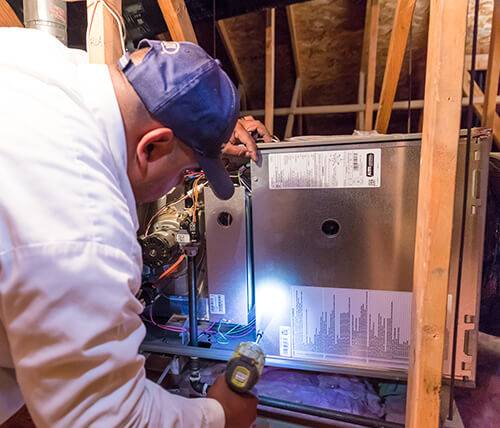
Safe Checks Homeowners Can Try When the Furnace Short Cycles
While short cycling deserves attention, not every case requires an emergency service call. There are several safe, no-tools checks that most homeowners can perform to either resolve simple issues or gather clear information for a technician. The key is to respect the limits of DIY work: anything involving gas lines, internal wiring, or adjustment of burner controls should be left to a qualified professional. The following steps focus on airflow, thermostat operation, and basic observation, all performed with doors and panels in place so safety interlocks remain intact.Step One: Check Filters, Vents, and Returns for Airflow Issues
The first step when facing short cycling is to ensure air can move freely through the system. Inspect the furnace filter and replace it if it's heavily loaded with dust or debris. Walk through the home and confirm that supply registers and return grilles are open and not blocked by rugs, curtains, or furniture. Restoring proper airflow is one of the simplest and safest ways to address short cycling, often providing immediate improvement in both run time and comfort.Step Two: Confirm Thermostat Mode, Fan Setting, and Schedule
Next, check the thermostat. Ensure it's set to heat mode and that any programmable schedule matches the household's real occupancy. Check whether the fan is set to "auto" rather than "on," as a continuously running fan can mask what the furnace itself is doing and make short cycling harder to recognize. If the thermostat has selectable cycle rate or comfort settings, choosing a mode intended for forced-air furnaces can help avoid overly aggressive cycling behavior.Step Three: Observe Cycle Length and Temperature Changes
After checking basic settings and airflow, observe how the system behaves during a few cycles. Note how long the furnace runs before shutting off, how often it restarts, and whether certain rooms lag far behind others in warming up. There's no need to time these patterns with a stopwatch, but developing a clear picture of how the system is acting helps distinguish between a single odd cycle and a consistent short cycling problem that may need professional attention.Step Four: Safely Observe Ignition Flame and Burner Behavior
If access is safe and doesn't require removing sealed burner covers, a homeowner can sometimes look through a viewing port to see whether the burners light cleanly and stay lit during each call for heat. Short bursts of flame, repeated ignition attempts, or flames that lift or flicker away from the burners are signs the furnace is struggling. Industry reports warn that short cycling wastes energy because the furnace uses extra fuel and electricity to start up repeatedly without reaching steady operation, while also creating temperature swings and drafts around the home as noted in our furnace troubleshooting guide. Any irregular flame behavior should be evaluated by a professional.Step Five: Note Any Error Lights or Fault Codes
Many modern furnaces include an indicator light that flashes in patterns to signal different fault codes. Without opening panels, observe whether a steady light, slow flash, or repeated pattern appears when the furnace shuts down unexpectedly. Taking a brief video or writing down the pattern can be invaluable to a technician, who can compare it with the furnace's diagnostic chart. Clear fault information often shortens troubleshooting time and helps ensure the real cause of short cycling is addressed, not just the most obvious symptom.When a One-Time Reset Is Reasonable
Some thermostats and furnaces allow a simple reset, such as cycling power at the switch or breaker after a fault. Doing this once, after checking filters and verifying nothing obvious is wrong, can sometimes clear a nuisance lockout caused by a brief power interruption. Repeatedly resetting a furnace that continues to short cycle, however, is not advisable, as those resets may override safety lockouts trying to prevent unsafe operation. As a rule of thumb, if a reset doesn't restore normal, steady cycles, a service call is the wiser choice.Documenting Symptoms Before Calling a Technician
Before contacting an HVAC company, gather simple, factual observations: how often the furnace starts and stops, whether the blower runs without heat, any flashing lights or error messages seen, and what has already been checked or changed. Note whether the issue began suddenly or has been getting gradually worse over several weeks. Clear, concise information helps the dispatcher prioritize the call correctly and allows the technician to arrive with a more focused plan for diagnosing the short cycling behavior.Staying Comfortable While Waiting for Service
While waiting for a technician, small adjustments can improve comfort without stressing the furnace further. Use interior doors strategically to concentrate heat in the most-used areas, close curtains at night to reduce heat loss through windows, and supplement with safe, properly used portable heaters in occupied rooms. Avoid raising the thermostat dramatically to "force" longer cycles; instead, let the furnace operate within a modest range and rely on these comfort tweaks. The practical takeaway is that short cycling should be treated as a fix-now issue, but there are safe ways to stay comfortable until help arrives.Ready to End the Short Cycling Struggle?
You may qualify for federal tax credits that reduce your upfront cost.
Share This Page
Need Heating Service in Las Vegas?
The Cooling Company provides expert heating service throughout Las Vegas, Henderson, and North Las Vegas. Our licensed technicians deliver honest assessments, upfront pricing, and reliable results.
Call (702) 567-0707 or visit heating, furnace repair, heat pump installation, or heating maintenance for details.