

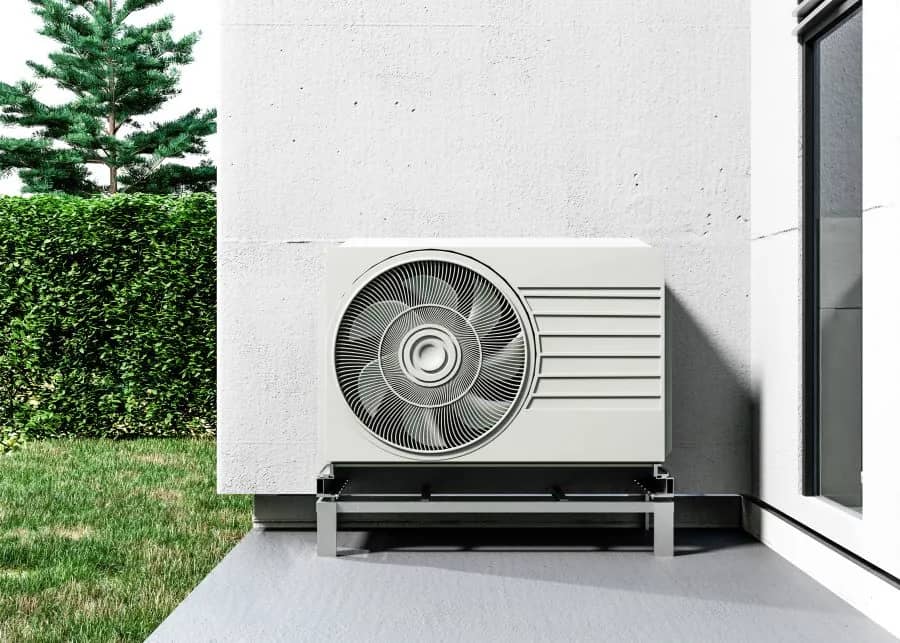
Short answer: A well-designed heating system can make the difference between a home that quietly stays comfortable through desert nights and one that swings from chilly to stuffy while energy bills climb. That difference rarely comes down to brand alone. It is usually the result of careful design, correct sizing, and meticulous installation carried out with local conditions and codes in mind.
Understanding Heating System Installation
What Heating Installation Involves
Heating installation is not simply swapping one metal box for another. A complete job includes assessing the building envelope, calculating heating loads, selecting and sizing equipment, laying out or modifying ductwork, verifying electrical and gas supply, and setting up controls. Each step affects comfort, operating cost, and system lifespan. If you want a plain-language overview of the major system types before choosing equipment, our types of heating systems guide compares furnaces, heat pumps, boilers, radiant systems, and ductless options side by side. Modern systems often integrate with smart thermostats, indoor air quality accessories, and sometimes home automation platforms. That connectivity makes the installation process more like setting up a small, dedicated building system than a single appliance. When done correctly, the result is even temperatures, quiet operation, and predictable bills.Why Proper Design Matters
Design is where many installations go wrong. A system sized just “by tonnage guess” or copied from a neighbor’s home may short-cycle, leave rooms cold, or strain ductwork. Proper design starts with a room-by-room load analysis, accounts for window quality and orientation, and anticipates how the home will actually be used. As the U.S. residential heating market is projected to reach a value of $13,975.68 million by 2028 with a steady compound annual growth rate of 4.39%, according to a market report summarized by ResearchAndMarkets.com, more money is flowing into increasingly complex equipment. Design mistakes on that kind of investment quickly become expensive to live with.Common Installation Mistakes
Certain errors appear again and again in service calls. Oversized furnaces and heat pumps are common, leading to short run times, higher wear, and uneven temperatures. Undersized or poorly sealed ductwork can leave distant rooms uncomfortable and force blowers to work harder than intended. Other frequent issues include missing combustion air provisions on gas equipment, incorrectly sloped flue piping, lack of surge protection on sensitive electronics, and thermostats installed in poor locations such as near supply registers or exterior doors. Each of these problems erodes efficiency and comfort in small but persistent ways.Signs Your Old System Was Poorly Installed
Homeowners often suspect something is wrong long before a technician confirms it. Warning signs include constant temperature complaints in specific rooms, high noise levels at supply registers, and systems that seem to run for only short bursts before shutting off again. Uneven dust accumulation or dark streaks at duct joints can reveal leakage. If you’re unsure what type of heating system you currently have, our what type of heating you have guide walks you through simple room-by-room clues. Frequent breakdowns, especially involving cracked heat exchangers or failed blower motors, may reflect years of operating outside design conditions. When those patterns show up, replacing the equipment without correcting the underlying installation issues simply resets the clock on the same problems.Role of Permits and Inspections
Permits and inspections are not bureaucratic formalities; they are safety backstops. Local codes govern flue clearances, gas piping, electrical protection, condensate disposal, and combustion air. Passing inspection helps ensure the system is not only efficient but also safe to operate in an occupied home. Some steps, such as pulling permits and making gas or high-voltage connections, are reserved for licensed contractors. Homeowners can safely handle preparation tasks-clearing access, confirming attic decking is secure, or planning thermostat locations-but the actual installation should be overseen by someone who understands both manufacturer instructions and local code requirements.Choosing Between Replacement and Retrofit
When a system fails, there are usually three paths: direct replacement of equipment with minimal changes, retrofit of existing ductwork or controls to support a new technology, or a more substantial redesign. Direct replacement costs less up front but may lock in the limitations of the current layout. For a breakdown of typical equipment costs, installation factors, and fair pricing, our furnace replacement cost in Las Vegas guide outlines the ranges most homeowners can expect. Retrofits-such as adding zoning dampers, upgrading duct insulation, or converting from a gas furnace to a heat pump-can greatly improve comfort and efficiency if the underlying structure is sound. A careful evaluation of the existing system’s airflow and distribution is essential before deciding how far to go.Benefits of Professional Installation
Professional installation adds value in several dimensions: accurate sizing, clean workmanship, thorough commissioning, and documentation that protects warranties. Contractors working with high-efficiency equipment report installing these systems more frequently and expect demand to keep rising over the next few years, according to a survey highlighted by ACHR News. That experience helps technicians anticipate issues before they become callbacks. Professionals also own the tools needed for proper commissioning-such as static pressure gauges, combustion analyzers, and flow hoods-and know how to interpret the results. That step often separates systems that merely “run” from those that meet their design targets.Local Considerations in Las Vegas
Las Vegas presents an unusual heating profile: short but sometimes sharp winter cold spells layered onto a predominantly cooling-dominated climate. Many homes lean heavily on heat pumps or dual-fuel configurations, with gas backup covering the rare extremes. Ductwork often runs in hot attics, which affects both cooling and heating performance. Desert dust, low humidity, and large temperature swings between day and night also influence equipment selection and placement. A design tuned for a colder, more humid region may not perform well here without adjustments to defrost strategies, filtration, and airflow.Project Timeline Overview
A typical replacement project follows a predictable sequence. It begins with an in-home assessment and load calculation, followed by equipment and ductwork design, permitting, and scheduling. On installation day, removal of old equipment, setting new components, making connections, and testing usually happen in a continuous block. Commissioning, thermostat setup, and homeowner orientation close out the job. While each home is different, most standard replacements are measured in days, not weeks, provided the design work has been completed in advance and permits are in place.Preparing Your Home for Installation
Home preparation can significantly speed up installation and reduce disruption. Clear pathways to the equipment location, attic access, and electrical panel. Identify where vehicles and disposal bins can be placed, and arrange for pets or children to be kept away from work areas. It also helps to gather prior service records, note any persistent comfort issues by room, and confirm where thermostats and returns are currently located. That context guides the design team and ensures the new system addresses long-standing concerns rather than merely replacing hardware.Common Questions or Objections
Homeowners often ask whether professional installation is worth the cost, especially when the old system “mostly worked.” The answer usually rests on operating expenses and comfort. An incorrectly sized or poorly commissioned system can quietly waste energy every hour it runs, erasing any savings from a lower installation price. Another concern is disruption. Careful scheduling, clear communication about access and noise, and thorough site protection typically limit the inconvenience to a short, predictable window. For most homes, the trade-off is a few days of activity for years of steadier comfort and more predictable utility bills. Homeowner takeaway: Installation is not just a one-day event; it is a design, permitting, and commissioning process that sets the tone for comfort and costs over the life of the system.
Design and Planning Stage
Manual J Load Calculation Basics
Manual J is the industry-standard method for calculating how much heating a home actually needs. Instead of guessing based on square footage alone, it accounts for insulation levels, window area and orientation, air leakage, and occupancy patterns. The goal is to size equipment to match the building’s real heat loss on a design winter day. A properly performed Manual J often surprises homeowners who expected a much larger system. Right-sizing based on data, not rules of thumb, is one of the most effective ways to improve comfort and efficiency at the same time.Manual S Equipment Selection
Once the heating load is known, Manual S guides equipment selection. This process lines up the manufacturer’s performance data with the calculated load, factoring in how capacity changes with outdoor temperature, indoor setpoints, and airflow. The target is a system that can handle peak conditions without significant oversizing. For variable-speed heat pumps and furnaces, this step also includes examining modulation ranges so the system can run steadily at part load instead of cycling on and off. Matching those characteristics to the home’s behavior is fundamental to quiet, consistent comfort.Manual D Duct Design
Manual D addresses the often-overlooked side of the system: the ducts. It lays out trunk and branch sizes, fitting types, and balancing strategies based on the airflow each room needs and the resistance of the duct system. When ducts are correctly sized and sealed, equipment can deliver its rated capacity without excess noise or energy use. In many existing homes, a new system is connected to old ductwork that was never designed to modern standards. Adjusting key runs, adding returns, or improving sealing can transform how the home feels without visibly changing much inside the living space.Zoning and Airflow Balance
Zoning divides a home into separate temperature-control areas, each regulated by its own thermostat and dampers. In multi-story homes or layouts with large solar gains on one side, zoning can solve chronic hot-and-cold complaints and reduce the need for oversized equipment. Advanced zoning and control strategies are evolving quickly. A field study of a predictive control system for an air-to-air heat pump found that it reduced daily heating energy use by 19% and backup heat consumption by 38% while keeping occupants comfortable, according to research posted on arXiv. Thoughtful planning for controls during design, rather than after the fact, helps capture those kinds of savings.Selecting Gas vs Electric Systems
Choosing between gas and electric heating is no longer a simple question of fuel price. Efficiency, grid mix, local incentives, and building characteristics all play roles. For a homeowner-level breakdown of costs, comfort, and safety trade-offs, our electric vs gas heating guide compares how each option performs in Las Vegas homes. Modern electric heat pumps can provide both heating and cooling, often replacing separate furnace and air conditioner setups. New construction trends highlight this shift. In 2023, electric heat pumps were installed in 46% of new single-family homes, while gas furnaces accounted for 44% of completions, according to an analysis by the American Gas Association in its 2024 Building for Efficiency report. That near-parity illustrates how both options remain viable, with the best choice depending on climate, utility rates, and homeowner priorities. Homeowner takeaway: Careful design work-Manual J, S, and D, paired with a thoughtful fuel choice-creates a system that fits the home rather than forcing the home to adapt to the equipment.Choosing the Right Heating Equipment
Furnaces
Gas furnaces remain a strong option where natural gas is available and reasonably priced. They provide high-temperature supply air, which many people associate with a “cozy” feel, and pair well with existing ducted systems. Modern models often include variable-speed blowers and multi-stage burners that temper temperature swings and reduce noise. For Las Vegas homes that primarily cool most of the year, a furnace is often combined with a separate air conditioner. That arrangement can work well if both components are sized to the same design conditions and installed with balanced airflow in mind.Heat Pumps
Heat pumps move heat rather than generating it from combustion, which can make them very efficient, especially in milder winter climates like southern Nevada. A single system can provide both heating and cooling, simplifying equipment and potentially reducing maintenance points. As global sales of heat pumps grow and more are installed in residential applications, manufacturers have focused on cold-climate performance, smart defrost strategies, and integration with advanced controls. Those features are most effective when the installation supports proper refrigerant charge, airflow, and condensate management.Hybrid Dual-Fuel Systems
Hybrid or dual-fuel systems combine an electric heat pump with a gas furnace, automatically switching between them based on outdoor temperature or utility rates. In climates with occasional cold snaps but generally mild winters, this configuration can balance operating cost, comfort, and resilience during unusual weather. Designing a dual-fuel system requires setting thoughtful changeover points and ensuring both pieces of equipment share ductwork and controls without fighting each other. When done well, homeowners often report barely noticing when the system transitions between fuels.Mini-Split Options
Ductless or ducted mini-split heat pumps have become popular for additions, retrofits, and homes with limited existing ductwork. Their modular nature allows for room-by-room or zone-by-zone control, and many models modulate capacity over a wide range for steady, quiet operation. If you’re considering a ductless setup, our ductless mini split heat pump Las Vegas guide breaks down costs, sizing, and ideal use-cases for our climate. In Las Vegas, mini-splits can be effective for spaces such as casitas, converted garages, or upper stories that are difficult to serve from a central system. Proper placement of indoor heads and outdoor units, along with carefully routed refrigerant lines, is key to achieving both comfort and aesthetics.Energy Ratings Explained (AFUE, HSPF2, SEER2)
Energy ratings attempt to translate complex engineering behavior into single numbers that homeowners can compare. AFUE (Annual Fuel Utilization Efficiency) expresses how much of a furnace’s fuel actually turns into useful heat over a season. HSPF2 and SEER2 are updated metrics for heat pumps and air conditioners that better account for real-world conditions and installation effects. Rather than chasing the absolute highest rating available, it often makes sense to aim for a level that matches how long the equipment will be used, local energy prices, and budget. A moderately higher rating, correctly installed, usually outperforms a top-tier unit that is oversized or poorly commissioned.Brand Differences vs Installation Quality
Brand differences exist-noise characteristics, control interfaces, and accessory ecosystems can vary noticeably-but installation quality often matters more than the logo on the cabinet. Two identical systems, one correctly sized and commissioned and the other simply powered on without adjustment, will perform very differently over time. When evaluating proposals, it is wise to pay as much attention to design notes, commissioning steps, and scope of work as to equipment brand and model. The most reliable setup tends to be a reputable brand installed by a team that documents its design assumptions and tests its work.Matching System Size to Home Demand
Correct sizing ties together everything in the installation process. A system that is too large for the home will heat quickly but unevenly, cycling frequently and putting extra wear on components. One that is too small may struggle on the coldest nights, relying heavily on backup heat or running continuously without quite catching up. Research on a predictive control system for a 120 V heat-pump water heater found that it reduced energy costs by 23% under time-of-use pricing and 28% under hourly pricing compared with a standard 240 V system, according to a study hosted on arXiv. While that work focused on water heating, it illustrates a broader point: when capacity, controls, and demand are well matched, systems can shift operation to more favorable times and use less energy overall. For space heating, that same principle applies through Manual J sizing, careful equipment selection, and commissioning that verifies airflow and capacity. When demand and supply align, homeowners usually notice fewer temperature swings, quieter operation, and bills that match expectations. Homeowner takeaway: The “right” equipment is not just about fuel type or brand; it is the system whose capacity, controls, and installation quality match the home’s real heating needs.Local essentials and challenges for Las Vegas installations
Las Vegas installations face unique factors: duct runs in super-heated attics, desert dust that can load filters quickly, and sharp day-night swings that expose sizing errors. Many homes combine gas heat with electric cooling, so proper venting, combustion air, and electrical protection all matter. HOA rules and city permits can also affect timelines, so a local contractor should plan those steps early.Cost drivers that change an installation quote
Beyond equipment price, costs rise with duct modifications, electrical panel upgrades, new gas lines, rooftop or tight-attic access, and added zoning controls. High-efficiency systems often require better airflow, which can mean additional return ducts or larger supply runs. Permit fees and inspection scheduling can also affect the timeline in Clark County.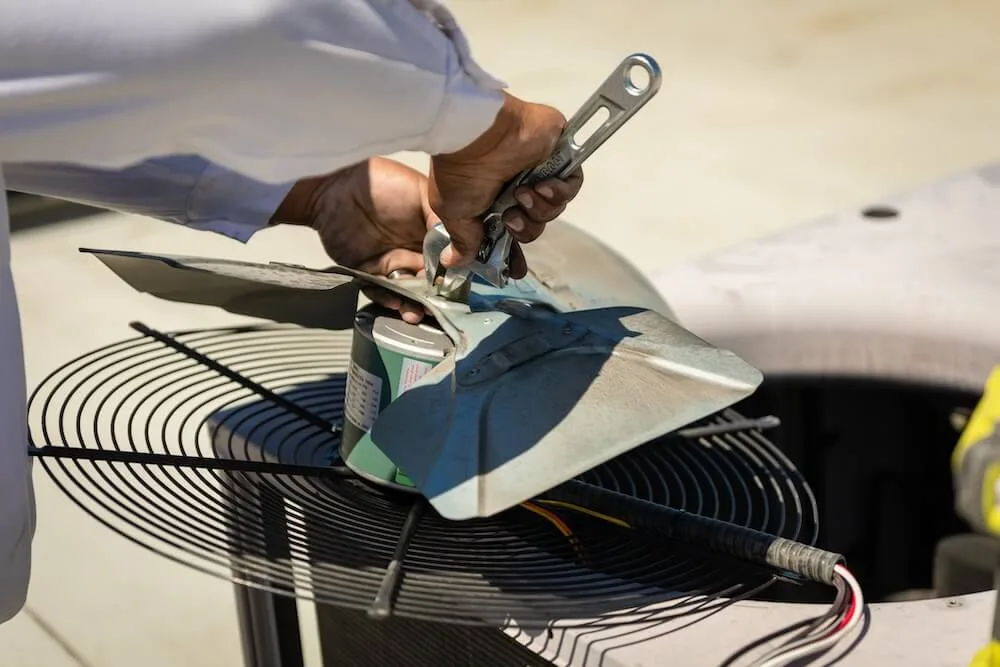
Decision guidance before you choose a contractor
Ask for a Manual J load calculation and a written scope that lists ductwork changes, thermostat setup, and commissioning steps. Compare at least two bids that show projected operating costs, not just equipment ratings. If your home has hot-and-cold rooms today, require a plan to address airflow or zoning rather than simply replacing the box.Prevention: protect your new installation
Once installed, protect performance with regular filter changes, clear return airflow paths, and seasonal tune-ups. Keep outdoor units free of windblown debris and plan a pre-winter inspection to confirm ignition, airflow, and temperature rise. Good maintenance preserves efficiency and avoids warranty disputes.Neighborhoods we serve in the Las Vegas Valley
- Summerlin
- The Lakes
- Desert Shores
- Aliante
- Lone Mountain
- Seven Hills
- Inspirada
- Mountains Edge
Trust and guarantees from The Cooling Company
- Serving Las Vegas since 2011 with 55+ years of combined experience
- Licensed, EPA-certified technicians and code-compliant installations
- BBB A+ rated and Lennox Premier Dealer
- 100% satisfaction guarantee with documented commissioning
Service area map
Ready for a Heating System Upgrade?
See why homeowners trust us -- visit our About Us page.
You may qualify for federal tax credits that reduce your upfront cost. Learn about available energy-efficiency tax credits.
Need Heating Installation in Las Vegas?
The Cooling Company provides expert heating installation throughout Las Vegas, Henderson, and North Las Vegas. Our licensed technicians deliver honest assessments, upfront pricing, and reliable results.
Call (702) 567-0707 or visit heating, furnace repair, heat pump installation, or HVAC services for details.