


Short answer: The first cold snap usually exposes every weak link in a heating system at once. Thermostats misbehave, burners fail to light, and what sounded “a little noisy” last year suddenly becomes loud enough to drown out a conversation. At the same time, demand for professional help surges, because heating is not a luxury when temperatures drop. Industry analysts note that the global HVAC services market reached $71.1 billion in 2022 and is projected to grow at a 6.2% compound annual rate through 2032, driven in part by the need to keep existing systems running efficiently (Fact.MR analysis). For a homeowner, that growth translates into one clear priority: knowing when to call for help, and what to expect when a qualified technician arrives.
Do I Need Heating Repair? Signs To Watch
Most heating failures do not appear out of nowhere. Systems usually send early warning signals, sometimes weeks before a complete shutdown. Paying attention to those signs and scheduling repair quickly often prevents secondary damage, keeps the home safer, and reduces wasted energy. Regular inspections have a measurable impact on energy use. Reviews of energy audits show that identifying and correcting building and system issues often cuts overall consumption by roughly 10–25%, largely by finding problems such as miscalibrated controls and airflow restrictions (ZipDo energy reports). A heating checkup prompted by the following symptoms can function like a targeted energy audit for the system itself. Takeaway: if your heat feels different, sounds different, or costs more to run, treat that as an early maintenance opportunity, not just an annoyance.No Heat Or System Will Not Start
A complete lack of heat is the most obvious sign that repair is needed. When the thermostat calls for heat but the system does nothing-no burner ignition, no fan, no pump-the issue can range from a simple control problem to a failed safety component or power supply. Modern furnaces and boilers have multiple protective switches that intentionally lock the system out when they sense unsafe conditions, such as overheating or a blocked vent. That lockout prevents damage or unsafe operation, but it also means that repeated attempts to restart the system without diagnosis can make matters worse. For a step-by-step look at why a heater fails to start and what patterns point to specific causes, check our Heating System Will Not Turn On guide.Vents Blowing Cold Or Barely Warm Air
Airflow from vents at a normal speed but with air that feels cool or only slightly warm often points to a problem with the heat source rather than the fan. On gas furnaces, this might be a burner that lights briefly and shuts down, or a flame that never establishes properly. On heat pumps in heating mode, it may indicate a refrigerant or defrost issue that keeps the unit from extracting enough heat from outside air. The danger in running a system under these conditions is twofold: comfort obviously suffers, but the equipment may run for long periods without ever reaching the setpoint, stressing components and driving up energy use. If your vents are moving air but never feel fully warm, our Heating System Blowing Cold Air guide breaks down the most common causes and simple checks to try before scheduling service.Strange Noises Or New Smells
Unfamiliar sounds-grinding, screeching, booming at startup, or rattling that starts and stops with the blower-are often mechanical warning signs. They may indicate a blower motor bearing beginning to fail, a loose fan wheel, or delayed ignition inside a furnace. Odors matter just as much. A brief, dusty smell at first startup of the season can be normal as settled dust burns off heat exchangers. Persistent burning smells, sharp chemical odors, or any hint of gas should be treated as urgent safety issues. For a plain-language explanation of which heater smells are harmless and which are true red flags, see our Heating System Smells Bad guide. Shutting the system off at the switch and calling a professional is the appropriate next step for those conditions. If you want a breakdown of what each specific noise usually means, visit our Heating System Making Strange Noises Las Vegas guide.Short Cycling Or High Energy Bills
Short cycling describes a system that turns on and off frequently rather than running long enough to stabilize temperatures. For a full breakdown of why heaters keep shutting off in short bursts and how to fix it, visit our Heating System Keeps Shutting Off (Short Cycling) guide. This pattern often shows up as rapid bursts of heat followed by quick shutdowns, and it is hard on motors, controls, and ignition components. It can be caused by overheating, restricted airflow, or control problems. A related warning sign is an unexplained increase in energy bills compared with prior seasons, even if usage habits remain similar. When the equipment has to work harder to do the same job, it wastes energy and typically fails earlier. Takeaway: unusual operating patterns or cost spikes are a strong signal to schedule a diagnostic visit before the system fails outright.
Systems We Repair
Most homes in Las Vegas rely on one of a handful of common heating system types. Each technology has its own failure patterns, maintenance needs, and repair strategies. Knowing which category your system falls into helps set realistic expectations about what a technician will inspect and what kinds of solutions are likely. If you are not sure whether you have a furnace, boiler, heat pump, or something else entirely, our what type of heating you have guide walks through simple room-by-room clues so you can name your system before you schedule repair. Industry shipment data shows how much of the installed base is now aging in place. In 2023, shipments of unitary air conditioners and heat pumps fell by 16.7% compared with 2022, a trend noted by analysts as one factor pushing contractors toward more repair and fewer full system replacements (ACHR News). As that installed equipment continues to operate, skilled repair on existing systems becomes increasingly important. Takeaway: whatever type of system you own, timely repairs are central to stretching its useful life. For a plain-language overview of how all the major system types compare, our types of heating systems guide lines up furnaces, boilers, radiant setups, heat pumps, and ductless systems side by sideGas Furnaces
Gas furnaces remain a primary heat source in many regions. Key components include the gas valve, igniter, burners, flame sensor, heat exchanger, inducer fan, and main blower. Typical repair issues range from relatively straightforward parts such as pressure switches and igniters to more complex concerns like failed inducer motors or compromised heat exchangers. Because gas combustion involves carbon monoxide and flue gases, any suspected crack in the heat exchanger or issue with venting must be handled by a licensed technician. DIY work on gas lines or internal furnace components is not only unsafe but also typically prohibited by local codes and manufacturer instructions. If you ever see water pooling around the furnace or notice persistent musty or sour smells when it runs, our Heating System Leaking Water guide can give you the why and help you understand how to fix these issues.Electric Furnaces And Air Handlers
Electric furnaces and air handlers use electric resistance heating elements paired with a blower to move air through ductwork. Although they avoid combustion-related risks, they still carry high-voltage electrical hazards. Common repairs include replacing failed heating elements, high‑limit switches, sequencers, and blower motors. Because electric resistance heat can be expensive to operate, many homes pair these units with heat pumps; in those cases, the electric heater often serves as backup or “emergency” heat. Persistent reliance on that backup mode can indicate a heat pump issue that deserves investigation.Heat Pumps In Heating Mode
Heat pumps in heating mode transfer heat from outside air into the home, even in cold weather. Repair work often focuses on defrost controls, refrigerant charge, reversing valves, outdoor fan motors, and sensors. Symptoms like heavy ice build‑up on the outdoor unit, loud compressor noises, or extended periods when only backup electric heat runs all point to heat pump problems. Because the refrigeration cycle is sealed and specialized, any repair involving refrigerant must be handled by a properly certified technician with appropriate tools, not as a DIY project.Boilers And Radiant (Where Applicable)
Hydronic systems-boilers feeding radiators, baseboards, or radiant floor loops-heat spaces by circulating hot water instead of warm air. Repairs may involve circulator pumps, zone valves, air separators, expansion tanks, and controls such as aquastats and thermostats. Leaks, banging noises in piping (water hammer), or radiators that stay cold while others heat well all point to issues in distribution rather than the boiler alone. Because these systems combine pressurized hot water with gas or oil combustion in many installations, annual professional inspection is recommended for both safety and longevity.What Happens On A TCC Repair Visit
Knowing what to expect from a professional repair visit takes much of the anxiety out of calling for help. A methodical, safety‑first process protects the home, clarifies options, and reduces the risk of repeat failures. While each technician has a personal style, a thorough visit tends to follow a consistent structure from the first phone contact to final cleanup. Modern controls and diagnostics also give technicians better tools than ever. In a recent field test in Indiana during winter 2023, a predictive heating control system reduced daily heating energy use by 19% and cut backup heat usage by 38%, simply by managing equipment operation more intelligently (arXiv field study). When a technician checks thermostat settings, control logic, and equipment coordination during a repair visit, they are tapping into that same principle: smart control often prevents wasted energy and unnecessary wear. Takeaway: a quality visit is as much about careful diagnostics and optimization as it is about swapping parts.Quick Phone Triage And Scheduling
The process usually starts with a brief conversation to clarify symptoms, system type, and basic safety questions. Dispatch staff or the technician will ask about the age of the system, whether any breakers have tripped, and if there are obvious hazards such as gas odors. This step helps prioritize emergencies-no heat in sub‑freezing weather or concerns about combustion safety-while also ensuring that the technician arrives with appropriate parts and diagnostic tools. Clear information at this stage often shortens the onsite visit and avoids unnecessary return trips.On-Site Safety Check And Diagnosis
Once onsite, the first priority is safety: verifying power shutoffs, checking for gas leaks, inspecting venting, and confirming that emergency switches and safety devices function properly. Only after that does the technician move into systematic diagnosis-observing system startup, measuring key parameters such as temperature rise or pressure, and testing individual components. This structured approach prevents “parts‑changing” guesswork and focuses instead on identifying root causes, whether they are mechanical, electrical, or airflow‑related.Clear Findings And Repair Options
Good communication is central to a worthwhile repair visit. The technician should explain what was found in straightforward language, ideally showing failed parts or pointing out problem areas. When multiple solutions are possible-such as a quick repair that may buy a few seasons versus a more comprehensive fix-the trade‑offs in cost, reliability, and efficiency should be outlined clearly. Homeowners benefit from asking questions here, especially about whether a problem is likely to recur or whether there are underlying issues such as improper installation or duct design.Upfront Pricing For Parts And Labor
Transparent pricing removes uncertainty. Before work proceeds, the homeowner should receive a clear description of recommended repairs, associated parts, and labor charges. Some companies use flat‑rate pricing for common tasks, while others bill time and materials. Either way, the estimate should spell out what is included and any conditions that could change the price-for example, discovering additional failed components once the system is opened. This is also a good moment to ask about warranties on both parts and labor for the proposed repair.Repair, Test, And Clean Up
After approval, the technician completes the repair, then tests the system through several operating cycles. That testing phase should verify not only that the immediate symptom is resolved, but also that safety controls respond correctly and that air or water distribution appears normal. Any thermostat adjustments, filter changes, or basic maintenance steps performed during the visit should be explained. Finally, work areas should be cleaned, with old parts removed and access panels properly secured.Common Heating Problems We Solve
Certain problems appear again and again across different brands and system types. Recognizing these patterns helps homeowners understand why a technician focuses on specific checks and why seemingly small issues, such as a dirty filter, receive serious attention. It also highlights which tasks are appropriate for homeowners and which belong firmly in the hands of trained professionals. The rising demand for skilled diagnosis and repair is reflected in contractor market forecasts. The plumbing, heating, and air‑conditioning contractors sector is projected to grow at a 6.3% compound annual rate through 2029, driven in part by expanding service and maintenance needs (EIN Presswire industry report). Takeaway: as systems become more complex, resolving common problems quickly and correctly becomes one of the best ways to control long‑term ownership costs.Thermostat Or Control Issues
Thermostats act as the brain for most residential heating systems, and many “no heat” calls ultimately trace back to control problems rather than failed furnaces or boilers. Miswired thermostats, incorrect system settings, weak batteries, or software glitches on smart devices can all prevent proper operation. DIY tasks here include replacing thermostat batteries, verifying that the mode is set to “Heat,” and checking the programmed schedule. Anything involving low‑voltage wiring changes, integration with heat pumps, or advanced control logic is best left to a technician familiar with the specific equipment and controls.Ignition And Flame Sensor Failures
Our guide to furnace ignitor problems in Las Vegas covers the specific failure modes, error codes, and repair costs.
Modern gas furnaces typically use electronic ignition systems and flame sensors to light burners safely and verify that combustion is stable. Over time, igniters can crack or wear out, and flame sensors can become coated with oxidation that interferes with their ability to detect flame. Symptoms include burners that light and shut off quickly, multiple failed ignition attempts, or fault codes indicating ignition lockout. Although cleaning a flame sensor can look simple in online videos, repeated failures may indicate deeper issues such as improper gas pressure, venting problems, or burner alignment, all of which require professional evaluation.Airflow Problems And Dirty Filters
Restricted airflow is one of the most common and easily preventable causes of heating trouble. Clogged filters, blocked return grilles, and closed supply registers can lead to overheating, short cycling, and noisy operation. In ducted systems, homeowners can safely check and replace filters on the recommended schedule and ensure that furniture or rugs are not obstructing vents. When symptoms persist despite clean filters-such as rooms that never warm up, or equipment that overheats and shuts down-attention turns to duct design, internal blower condition, and coil cleanliness, which often require professional tools and training to assess.Blower Motors, Belts, And Bearings
The blower assembly is responsible for moving heated air through the duct system. Worn belts, failing motor bearings, and imbalanced fan wheels can all cause squealing, grinding, or rumbling sounds, especially at startup. Left unaddressed, these problems can cascade into motor burnout or cracked fan housings. Because modern blower motors often involve complex electronics and precise balancing, repairs usually go beyond what is practical or safe for a homeowner. What owners can do, in many cases, is listen early for new sounds and schedule service before complete failure strands the home without heat.Duct Leaks And Uneven Heating
Even when the furnace or heat pump operates correctly, poorly sealed or undersized ductwork can leave some rooms cold and others overheated. Leaks in attics, crawlspaces, or basements waste conditioned air and draw in dust and unconditioned air, affecting both comfort and indoor air quality. Uneven heating, low airflow at distant registers, or visible gaps in duct joints all warrant investigation. While homeowners can sometimes seal small accessible leaks with appropriate duct mastic, a comprehensive duct assessment and balancing should be performed by professionals with equipment to measure airflow and pressure.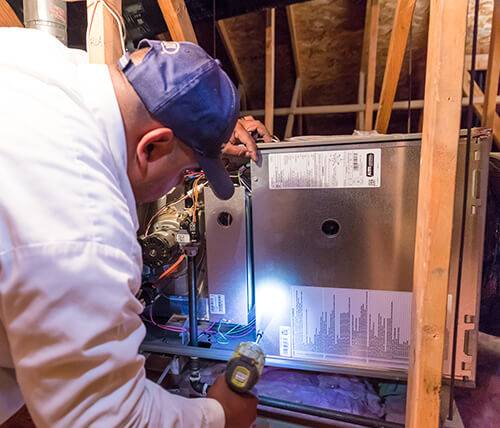
Costs And When We Talk About Replacement
The natural question after any diagnosis is what it will cost and whether the money is better spent on repair or replacement. There is no universal rule, but a thoughtful decision weighs repair price, system age, reliability history, and the safety and comfort implications of continued operation. The broader industry context is also shifting: as one experienced contractor put it when discussing the growing repair market, “Contractors cannot replace what was never installed,” highlighting how much of today’s work centers on preserving existing systems as long as it is sensible to do so (ACHR News commentary). Takeaway: view each repair estimate not just as a bill, but as a data point in a longer‑term plan for the system.Typical Furnace Repair Ranges And What Affects Them
Furnace repair costs span a wide spectrum, from modest service visits to address simple issues up through more substantial repairs involving critical components. Several factors drive where a particular repair lands in that range: the price and availability of parts for the specific brand and model, the amount of labor required to access and replace those parts, and whether additional work (such as correcting venting or electrical issues) is necessary to make the repair safe and code‑compliant. Geography and seasonal timing also play roles; peak‑season emergency calls can carry higher dispatch or overtime charges than off‑season maintenance repairs. For real-world numbers, our heater repair service cost breakdown shows typical price ranges for common fixes in Las Vegas and which issues usually push repair totals higher.High-Ticket Parts That Change The Math
Some components are expensive enough that their failure often triggers a serious discussion about replacement. On furnaces, these typically include heat exchangers, main control boards, and variable‑speed blower assemblies. On heat pumps, compressor or reversing‑valve replacement can approach a significant fraction of the cost of new equipment once labor and refrigerant handling are included. When a major component fails on an older system with a history of frequent repairs, many homeowners elect to invest in replacement rather than continually funding high‑ticket fixes on worn equipment. A careful technician will explain not just the immediate cost, but also the likely remaining life of the system given its age, installation quality, and maintenance record. If your technician is recommending replacement, our furnace replacement cost in Las Vegas guide breaks down equipment tiers, install factors, and what a fair quote usually includes.Local essentials and challenges in Las Vegas
- Desert dust: Fine dust can clog filters and burners faster than expected, leading to airflow issues and short cycling.
- Big temperature swings: Cold mornings and mild afternoons stress controls and can expose ignition or sensor issues.
- Mixed housing stock: Older homes with aging ducts sit alongside newer heat-pump installs, so diagnostics must fit the system type.
- Storm-related surges: Monsoon power fluctuations can damage control boards and igniters.
Cost drivers for heating repair in Las Vegas
- System type (gas furnace vs. heat pump) and required safety testing.
- Part availability and whether OEM parts must be ordered.
- Access issues in attics, closets, or rooftops.
- After-hours or cold-snap demand surcharges.
- Permit needs for major replacements or gas work.
Decision guidance: repair now vs. plan replacement
- Repair now: The unit is under 10–12 years old and the fault is isolated.
- Plan replacement: Repair cost approaches 40–50% of a new system or the unit has repeated failures.
- Safety first: Cracked heat exchangers, persistent CO readings, or gas leaks require immediate professional action.
Prevention checklist for Las Vegas homeowners
- Replace filters every 1–3 months during heating season.
- Schedule a fall safety and combustion tune-up before cold snaps.
- Keep return grilles and vents clear to reduce short cycling.
- Test CO alarms monthly and replace batteries twice per year.
Neighborhoods we serve for heating repair
- Summerlin, Spring Valley, and Southwest Ranch
- Paradise, Winchester, and UNLV area
- North Las Vegas, Aliante, and Craig Ranch
- Henderson, Green Valley, and Anthem
Why homeowners trust The Cooling Company
- Serving Las Vegas since 2011 with 55+ years combined experience
- Licensed, EPA-certified technicians and safety-first inspections
- BBB A+ rated with a 100% satisfaction guarantee
- Lennox Premier Dealer with local parts support
Service area map
Ready for Reliable Heating Repair? Schedule with The Cooling Company Now
Need HVAC Service in Las Vegas?
The Cooling Company provides expert HVAC service throughout Las Vegas, Henderson, and North Las Vegas. Our licensed technicians deliver honest assessments, upfront pricing, and reliable results.
Call (702) 567-0707 or visit heating services, furnace repair, heating maintenance, or heat pump installation for details.