

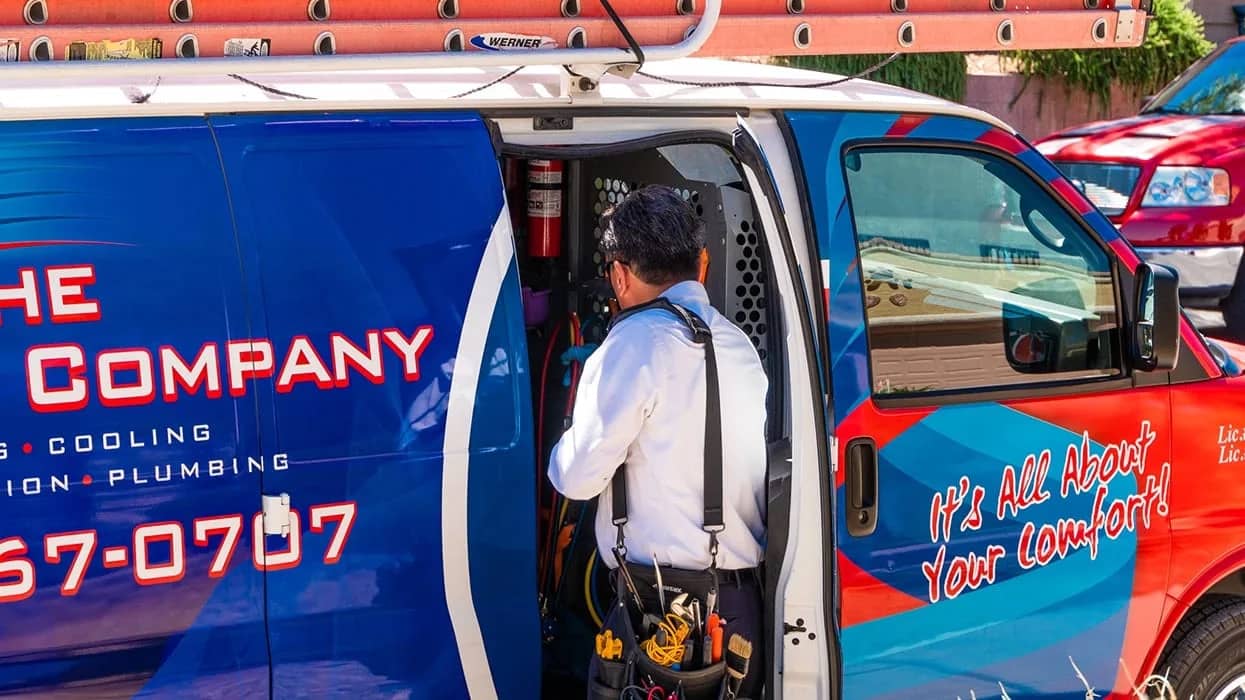
Short answer: On a cold desert night, a failed furnace in Las Vegas is more than an inconvenience. It is a safety risk, a budget shock, and a stress test for every decision about home comfort. National survey data shows that more than one in five households reported repairing or replacing a heating unit in a single recent year according to ConsumerAffairs, so this is not a rare dilemma. The real question is how to decide, calmly and strategically, whether to repair or replace when it happens.
Check our average cost of heating repair guide for current cost estimates.
Las Vegas local essentials and challenges
Las Vegas homes face wide day-night temperature swings, dusty wind events, and a heavy reliance on gas furnaces in older neighborhoods. These factors shape how quickly parts fail and how urgently repairs need to be scheduled.
- Desert dust: Dirty filters and coils reduce airflow and trigger short cycling.
- Age mix: Older furnaces in central Las Vegas often need safety reviews.
- Permit requirements: Full replacements typically require permits and inspections.
- Seasonal demand: Peak heating calls in December and January can extend lead times.

Cost drivers for repair vs replacement in Las Vegas
- System age and type: Older gas furnaces and boilers cost more to keep running.
- Parts lead time: Control boards and blower motors are common price drivers.
- Ductwork condition: Leaks or undersized ducts increase total project cost.
- Efficiency upgrades: High-AFUE units cost more up front but reduce fuel bills.
Decision guidance for Las Vegas homeowners
- Replace immediately if there is a cracked heat exchanger or failed CO test.
- Repair is often best for systems under 10 years old with a single failure.
- Use the 40–60% rule when a repair is a large portion of replacement cost. Our detailed guide covers when it makes sense to replace your heating and air conditioning rather than continuing to repair.
- Factor in comfort issues like uneven heat, noise, or humidity problems.
Prevention to reduce surprise breakdowns
- Schedule a pre-winter tune-up and combustion check in October.
- Replace filters every 30–60 days during dusty months.
- Keep return vents open and clear for proper airflow.
- Track repair history so you can spot repeat failures early.
Neighborhoods we serve across Las Vegas
- Downtown Las Vegas
- Spring Valley
- Summerlin
- Centennial Hills
- Sunrise Manor
- Enterprise
- Henderson
- North Las Vegas
Why local homeowners trust The Cooling Company
- Serving Las Vegas since 2011 with 55+ years combined experience.
- Licensed, EPA-certified technicians with honest diagnostics.
- BBB A+ rated and clear, written estimates.
- 100% satisfaction guarantee on service and workmanship.
- Lennox Premier Dealer for high-efficiency options.
Understanding the Decision
Choosing between repair and replacement is not just a price comparison. It is a judgment call that combines safety, remaining lifespan, operating costs, and comfort expectations. Thinking through these pieces systematically keeps emotion and sales pressure from driving the outcome.When This Choice Comes Up
The repair-versus-replacement debate usually starts after one of a few trigger events: a no-heat situation, repeated shutdowns, loud new noises, or rising winter gas bills despite similar usage. Sometimes it is prompted during routine maintenance, when a technician spots a failing component or a safety concern such as a deteriorating heat exchanger.What Counts as a Repair
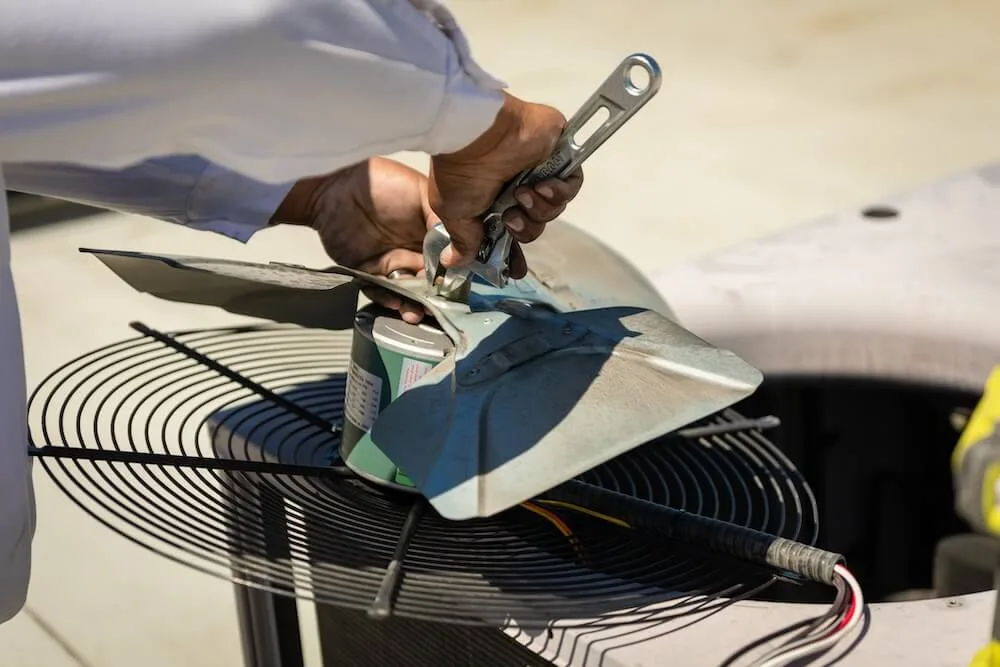
A repair generally means restoring the existing heating system to safe, normal operation without replacing the entire furnace or air handler. That can range from inexpensive fixes like replacing a thermostat or flame sensor up to more involved work like a blower motor, ignition system, or control board. In Las Vegas, typical heating repair bills span a wide cost range, from modest service visits to more serious interventions as summarized by cost data on Manta.What Counts as a Replacement
Replacement means installing a new furnace or complete HVAC system, often including new controls and, when needed, modifications to venting or ductwork. A “system” can include both heating and cooling equipment; industry analysis for a 3- to 5-ton system with installation in 2025 places that package in the several-thousand-dollar range , with Las Vegas replacements sometimes trending higher for premium systems.How Pros Weigh the Factors
Competent technicians look first at safety, then at age, repair history, and efficiency. A dangerous furnace with carbon monoxide risk is a replacement candidate even if it technically “runs.” For non-dangerous issues, they compare the repair bill against system age and the probability of other components failing soon. They also factor in comfort complaints such as room-to-room temperature swings or excessive noise that a simple repair cannot fully address.When to Get a Second Opinion
A second opinion is wise when a relatively young system is labeled “unfixable,” when recommended repairs feel vaguely explained, or when a salesperson pushes top-tier replacement equipment without walking through alternatives. Another licensed contractor can confirm safety diagnoses, estimate remaining life, and help validate whether the recommendations and pricing are proportionate.System Lifespan and Costs
Understanding normal lifespan and realistic cost ranges is central to deciding whether more money into an existing system is rational. Without those benchmarks, it is easy to either over-spend on an aging unit or replace too early.Typical Furnace Lifespan
Many gas furnaces in Las Vegas fall into a practical lifespan range of roughly 15 to 20 years, depending on build quality, maintenance, and installation conditions. Industry guidance often flags systems over 10–15 years old that are breaking down often or running inefficiently as candidates for replacement rather than repeated repair, a threshold echoed by heating specialists in the region who caution that repairs on very old equipment may not be cost-effective over time. If you are not completely sure whether you are working with a furnace, heat pump, or another type of heater, our types of heating systems guide gives a plain-language overview of the major system categories and how long each one typically lasts.Warning Signs by Age Band
For furnaces under 10 years old, repeated failures or comfort problems may point to installation or design issues rather than simple old age. Between about 10 and 15 years, mounting repair costs, odd smells, or inconsistent heating should prompt a serious conversation about remaining life. Past that window, any major part failure-heat exchanger, blower, control board-can be a signal that the system is nearing the end of its reliable service life.National and Vegas Cost Ranges
On the repair side, heating repair costs in Las Vegas span from about $110 on the low end to high-end repairs approaching $900 based on 2025 cost estimates compiled by Manta. Routine HVAC maintenance visits in the area typically run in the low hundreds of dollars per visit, with annual maintenance plans commonly a few hundred dollars per year according to local cost reporting. On the replacement side, one Las Vegas provider notes that a full HVAC replacement now often falls between $14,000 and $16,000, up from roughly $5,000 to $9,000 about fifteen years ago, highlighting how significantly equipment and installation costs have risen over time.Hidden Costs to Watch
Sticker price is only part of the story. Older, inefficient furnaces can quietly add hundreds of dollars in extra fuel costs over a few heating seasons, particularly if duct leakage or poor controls compound the waste. Emergency after-hours repairs, temporary space heaters, or even hotel stays during failures can turn a “cheap” decision into a costly one once all collateral expenses are counted.Financing and Rebates Snapshot
Many manufacturers and utilities periodically offer low-interest financing or rebates for higher-efficiency heating systems, especially when replacing older, inefficient units. While specific incentive amounts change frequently, homeowners in Las Vegas should review current programs from their gas utility and regional energy-efficiency organizations before deciding, because these incentives can narrow the price gap between mid-range and high-efficiency equipment. Key takeaway: compare any major repair against the system’s age, likely remaining life, and the full financial picture over several years.Safety and Code Red Flags
Safety questions override every other consideration. A furnace that threatens occupants with carbon monoxide, fire, or gas-leak risks is not a candidate for “wait and see.” Recognizing those red flags helps prevent dangerous delays.Carbon Monoxide and Heat Exchanger
The heat exchanger is the metal component that separates combustion gases from the air circulating through the home. Cracks or holes can allow carbon monoxide to enter living spaces, which is why reliable technicians treat a confirmed cracked heat exchanger as a serious hazard. In many cases, replacing the furnace is the only responsible remedy, because patching or ignoring damage exposes occupants to life-threatening risk.Gas Leaks and Venting Issues
Any suspected gas leak-rotten-egg smell, hissing sound near gas piping-warrants an immediate call to the gas utility or emergency services and shutting the system off. Improper venting, backdrafting, or visible rust-through on flue pipes can also allow combustion products into the home. These are not DIY situations; a licensed professional must evaluate and, if necessary, bring the system up to current code.Electrical Hazards
Signs like scorching on the furnace cabinet, tripping breakers, buzzing from electrical panels, or melted wire insulation indicate potential fire hazards. Even though heating is a gas process, modern furnaces rely on complex electrical controls and blowers. Any work beyond simple thermostat batteries should be performed by a trained technician who can verify grounding, wiring integrity, and safe operation.Combustion and Flame Quality
A healthy gas flame on most furnaces burns steady and mostly blue. Persistent yellow, orange, or wildly flickering flames, soot deposits around vent terminations, or strong combustion odors can signal incomplete combustion, contamination, or improper air–fuel mixture. These conditions not only reduce efficiency but also increase carbon monoxide risk and justify prompt professional diagnosis.Permit and Code Compliance
Full furnace or HVAC replacements in Las Vegas typically require permits and final inspections to confirm compliance with mechanical and fuel-gas codes. Proper clearances to combustibles, correct vent sizing, adequate combustion air, and seismic or support requirements are all reviewed at this stage. Skipping permits might seem faster but can create liability issues and safety risks, especially if the home is sold or an insurance claim arises. Key takeaway: any confirmed safety defect-especially involving gas, carbon monoxide, or fire risk-pushes the decision strongly toward replacement or major correction, not minimal repair.Efficiency and Bills
Even when a furnace is technically safe and operable, poor efficiency can make it expensive to live with. Efficiency affects not only gas bills but also comfort, noise, and how often the system cycles on and off.AFUE Basics Explained
AFUE, or Annual Fuel Utilization Efficiency, is a rating that describes how much of the fuel a furnace uses actually becomes heat in the home. For example, an 80% AFUE unit converts most of its gas into usable heat but still wastes a noticeable portion up the flue, while a 95% AFUE model turns nearly all of its fuel into indoor heat. That percentage difference translates directly into fuel savings over seasons of use.Bill Impact of Low AFUE
If a furnace is significantly less efficient than modern options, homeowners pay for gas that literally goes out the vent. A study of consumer attitudes found that “energy efficiency/lower energy costs” was the single most common concern when replacing heating and cooling equipment, cited by 35% of respondents in research published by ACEEE. That concern reflects real money: over the remaining life of an old furnace, fuel waste can rival or exceed the up-front cost difference to a more efficient replacement. For a closer look at how gas furnaces compare with modern electric options like heat pumps in real Las Vegas homes, our electric heating vs gas guide breaks down comfort, costs, and long-term trendsWhen High Efficiency Pays
High-efficiency furnaces tend to pay off fastest in homes with longer heating seasons or high gas rates, but they can still be a smart choice in Las Vegas when replacing very old, inefficient units. The math often favors high efficiency when the existing furnace is near the end of its life, repair costs are mounting, and the homeowner plans to stay in the property long enough to capture several years of energy savings.Comfort and Noise Improvements
Efficiency upgrades often coincide with comfort upgrades. Modern furnaces commonly offer variable-speed blowers and modulating burners that maintain steadier indoor temperatures and run more quietly than older single-stage units. For homes with hot and cold spots, equipment with better airflow control can significantly improve day-to-day comfort beyond any utility-bill savings.IAQ and Filtration Considerations
Heating systems act as the lungs of the home, circulating air through filters and ductwork. When replacing an older furnace, many homeowners choose to improve filtration and indoor air quality at the same time by upgrading filter cabinets, adding higher-performance filters compatible with the blower, or integrating air cleaners. Those choices can reduce dust and allergens, making the upgrade about health and comfort as well as efficiency. Key takeaway: efficiency and comfort gains from a modern furnace often compound over time, making replacement more attractive when an older system is already on borrowed time.Repair vs Replace Framework
Turning all of this information into a clear action plan helps prevent regret. A simple framework-used consistently-allows homeowners to weigh repair bids and replacement proposals side by side.Step 1: Check Safety First
Start with a direct question for the technician: “Is this system safe to operate, and if not, why?” Any confirmed issues involving the heat exchanger, venting, gas leaks, or serious electrical hazards push replacement or major corrective work to the top of the list. Minor issues like dirty sensors or clogged filters are repair territory, but only after safety-critical parts are cleared. If you are still unsure which tasks are safe to handle yourself before you call a pro, our DIY heating repair vs hiring a professional guide spells out where to draw the line for Las Vegas homes.Step 2: Factor in Age and Reliability
Next, align the system’s age with its track record. A 5-year-old furnace with one failed igniter is usually a repair candidate. A 17-year-old furnace that has needed multiple major components in the last few years is closer to replacement territory. Industry advice commonly flags systems over 10–15 years old with frequent breakdowns or poor efficiency as better candidates for replacement than for repeated repair cycles.Step 3: Compare Costs Over Time
Take recent and proposed repair bills and compare them to the cost of a new system over a multiyear horizon. Average repair costs in Las Vegas, which can run from around $110 up to high-end repairs near $900 per Manta’s 2025 data, add up quickly if they become annual events. When major repairs start to exceed a substantial fraction of a new system’s installed cost, replacement becomes financially rational.Step 4: Align With Comfort and Efficiency Goals
Consider whether the existing furnace can ever meet your comfort and efficiency expectations, even if repaired. If there are chronic issues-uneven temperatures, noise, dust, or dry air-that stem from old technology or system design, a new system may be the only way to fully resolve them. A basic repair may fix immediate symptoms but not the underlying mismatch between the equipment and the home’s needs.Step 5: Good / Better / Best Options
When soliciting bids, ask for “good, better, best” scenarios. A “good” plan might involve repairing the current furnace and adding a maintenance agreement. A “better” plan could pair modest repairs with targeted upgrades such as improved controls. A “best” plan might include full replacement with a high-efficiency furnace and upgraded filtration. Seeing these side by side clarifies what each dollar of additional investment actually buys.Common Questions or Objections
Homeowners often worry that technicians recommend replacement just to sell equipment. Asking for a clear explanation of failure points, seeing photos of damaged parts, and comparing at least two bids help address that concern. Others hesitate to replace a furnace that “still runs,” but national survey data showing that over 20% of households face heating repairs or replacements in a given year as reported by ConsumerAffairs illustrates that waiting until total failure is common-and often more stressful and expensive than planning a controlled replacement. Final takeaway: use a structured, safety-first framework-clarifying age, reliability, total costs, and comfort goals-to decide whether repairing or replacing your Las Vegas heating system will deliver the best long-term value for your home.Ready for Reliable Heating? Schedule with The Cooling Company
Learn about available current promotions and rebates for energy-efficient HVAC equipment.
Map: The Cooling Company in Las Vegas
Use the map to confirm our location and plan a service visit.
Need HVAC Service in Las Vegas?
The Cooling Company provides expert HVAC service throughout Las Vegas, Henderson, and North Las Vegas. Our licensed technicians deliver honest assessments, upfront pricing, and reliable results.
Call (702) 567-0707 or visit heating services, furnace repair, heating maintenance, or heat pump installation for details.