

Short answer: Winter nights in Las Vegas can drop fast, and a heating system that keeps shutting off in short bursts creates more than discomfort. It can hint at safety risks, wasted fuel, and premature equipment failure. Many homeowners describe the same pattern: the furnace starts, runs for a couple of minutes, shuts off, then starts again, over and over, without ever really warming the home.
Understanding Short Cycling
Short cycling describes a furnace or heating system that turns on and off much more frequently than it should. Instead of longer, steady runs that gradually warm the home, the equipment fires up, shuts down quickly, then restarts again within a few minutes. In some cases, this pattern can repeat most of the hour. This behavior is especially noticeable in Las Vegas, where desert evenings can feel chilly but daytime temperatures may still be mild. The result is a lot of “on-off-on-off” activity as the system reacts to small temperature swings, any equipment problems, or installation issues. That extra cycling does not produce more usable heat; it instead places mechanical stress on burners, ignition components, blower motors, and control boards. Research-based guides estimate that short cycling can waste 15–25% of fuel and accelerates component wear. In practical terms, that means paying more on gas or electric bills over the season while also shortening the life of an expensive system. The key takeaway: short cycling is not a minor quirk; it is a symptom that the system needs attention.What Short Cycling Looks Like
A short-cycling furnace follows a recognizable pattern. The thermostat calls for heat, the furnace starts, ignition occurs, and warm air may begin to blow. Instead of running long enough to bring the indoor temperature up several degrees, the system shuts down within a few minutes. Then, without significant temperature change, it starts up again and repeats the sequence. Homeowners sometimes describe this as the heater “never quite getting going.” Rooms feel unevenly heated, and airflow from registers may feel warm for only a short burst before going cool again. In a quiet house, that frequent click of relays and the sound of the blower turning on and off every few minutes can be an early warning sign.Why It Matters For Safety And Costs
Short cycling raises both cost and safety concerns. Each start-up uses extra energy and puts stress on ignition and fan components, which explains the wasted fuel and added wear noted in research-based guidance on winter HVAC maintenance. That repeated strain can cause earlier failures, including failures of safety-related parts such as pressure switches and flame sensors. On the safety side, short cycling can be the visible result of the furnace protecting itself. Modern furnaces shut down automatically if sensors detect overheating, venting problems, or unstable flames. Those protective shutoffs are essential, but when they happen regularly, they signal that the underlying cause needs prompt diagnosis by a qualified technician. If you’re deciding whether the underlying issue is worth repairing or whether it signals end-of-life equipment, our heating repair vs replacement guide outlines how to make the call with confidence.Typical Cycle Length Vs Short Bursts
In a well-sized, properly functioning system, a heating cycle usually runs long enough to raise indoor temperature by several degrees and then stays off for a noticeable interval. The furnace may run more often during a cold snap or less on milder desert days, but the pattern still tends toward steady, reasonably long cycles rather than rapid starts and stops. By contrast, a furnace that runs for only a couple of minutes at a time, repeatedly, is almost always cycling too quickly. Occasional short runs may occur when the thermostat setpoint is changed by just a degree, yet a repeated pattern throughout the evening is a sign that something is wrong-ranging from a dirty filter to more serious airflow, control, or safety issues.
Quick DIY Checks (Safe Only)
Some short-cycling triggers are simple and safe to check without tools. These steps do not replace professional service, but they can correct easy issues and provide useful information to share with an HVAC technician. Any time there is a gas smell, burning odor, or a carbon monoxide (CO) alarm involved, skip DIY and move directly to the safety section about red flags. Safety devices shutting the system down are doing their job and should not be bypassed.Replace Or Clean Filter
A clogged air filter is one of the most common and easily corrected causes of short cycling. When the filter is packed with dust and debris, the blower has to work harder to pull air through the system. Restricted airflow allows the heat exchanger-the metal component that actually warms the air-to get too hot, which can trigger a high-limit safety switch and shut the furnace down prematurely to avoid damage. Major manufacturers emphasize that regularly replacing or cleaning filters is essential specifically to prevent short cycling and overheating according to Lennox’s maintenance guidance. In Las Vegas, with its fine desert dust, filters may need replacement more frequently than in cooler, more humid climates. After installing a fresh filter, monitor whether cycle length improves, but if very short cycles persist, additional diagnosis is needed.Open All Supply And Return Vents
Closed or blocked vents can create the same airflow restriction as a dirty filter. When too many supply registers are shut or furniture and rugs block them, warm air cannot move freely through the duct system. The furnace may then overheat and shut off repeatedly as a protective response. Checking that all supply registers are open and that large items are not pressed against return grilles helps restore correct airflow. This is a simple step, but it often reveals that comfort complaints in some rooms are caused by blocked vents rather than a failing furnace.Thermostat Batteries And Settings
Short cycling sometimes starts with something as basic as weak thermostat batteries or accidental changes in settings. A thermostat losing power intermittently, or switching modes unexpectedly, can cause the furnace to start and stop in irregular patterns that resemble equipment failure. Replacing batteries, confirming the system is set to “Heat,” and checking that temperature setbacks are reasonable can rule out these simple issues. If the thermostat is mounted in a poor location-such as in direct sun or directly above a supply vent-that misplacement can also contribute to cycling problems covered in a later section.Note Run Time Before Shutoff
While observing the system, it helps to time how long the furnace runs before each shutoff. Even a rough estimate (for example, “about two minutes” versus “around ten minutes”) gives an HVAC technician valuable diagnostic clues. Noting whether the thermostat has reached its setpoint when the furnace shuts off is equally important. A system that stops repeatedly before the set temperature is reached is almost always responding to a problem, not simply finishing a normal heating cycle. For a clearer breakdown of what’s safe to handle yourself versus what requires a licensed expert, our DIY heating repair vs professional guide offers simple decision rules.Stop And Call A Pro (Red Flags)
Some signs around short cycling point directly to potential safety issues and call for immediate professional evaluation. When these red flags appear, the priority shifts from comfort to protection of occupants and property. DIY troubleshooting should pause at this stage. It is worth remembering that modern furnaces are designed to shut down quickly when serious faults occur. Experts note that a system may deliberately shut itself down prematurely to protect against overheating damage. That behavior may feel inconvenient, but it is a critical safety feature.Burning Or Gas Smells
Persistent burning smells, metallic or electrical odors, or any detectable gas odor should stop all further homeowner troubleshooting. A faint dusty smell the first time the furnace runs in the season can be normal as settled dust burns off, but anything more intense or long-lasting should be treated cautiously. If there is suspicion of a gas leak, everyone should leave the building, avoid using switches or phones inside the space, and contact the utility’s emergency line or fire department from outside. The furnace should remain off until inspected.CO Alarm Activity
A sounding or flashing carbon monoxide alarm is a non-negotiable sign to shut the system down and ventilate the space. Carbon monoxide is colorless and odorless, and CO alarms are the primary early warning that combustion products are entering the living area. No attempt should be made to reset or ignore the alarm and continue running the furnace. Instead, ventilate, evacuate if advised, and have both the CO alarm and the heating system professionally checked before operating again.Shuts Off Seconds After Ignition
If the furnace lights, burns for only a few seconds, and then shuts off repeatedly, this pattern often indicates a flame sensor or ignition safety issue. The furnace’s control board is likely not “seeing” a stable flame and is shutting the gas valve to prevent unburned gas from entering the system. Because this involves the flame safety circuit and gas controls, it is not a DIY repair. A technician will clean or replace the flame sensor, check grounding, and confirm proper ignition behavior.Visible Flame Issues Or Soot
A normal gas furnace flame is steady and mostly blue, with perhaps small yellow tips. Flames that lift off the burner, roll out of the burner area, or burn solid yellow or orange suggest combustion or venting trouble. Dark streaks or soot around the furnace or nearby walls add to this concern. These patterns can indicate incomplete combustion or vent blockages. Operating a furnace under those conditions can increase CO production and damage heat exchangers, so a professional shut-down and inspection are warranted.Repeated Breaker Trips
Short cycling coupled with a circuit breaker that trips repeatedly is another strong sign to stop using the system. Frequent tripping can indicate an electrical short, a failing blower motor, or other problems that risk overheating wires and components. Simply resetting the breaker again and again is unsafe. The circuit should remain off until an electrician or HVAC technician identifies and resolves the cause.Common Causes
While only a licensed technician can fully diagnose the specific cause of short cycling, understanding the most common culprits helps homeowners communicate what they observe and set realistic expectations. In Las Vegas homes, these causes often interact with each other and with the unique climate, especially in houses that combine older furnaces with newer thermostats or duct additions. If you’re not fully sure whether your home uses a furnace, heat pump, or air handler, our what type of heating system you have guide walks through simple clues so you can identify your equipment before diagnosing short cycling. One structural contributor is equipment sizing. A federal review of residential HVAC installation practices notes that oversizing central systems can be beneficial when using advanced variable-speed equipment, but that relationship is more complex with traditional single-stage furnaces according to the U.S. Department of Energy. In many existing homes, furnaces are oversized relative to the actual heating load, which can encourage shorter cycles.Restricted Airflow (Dirty Filter Or Closed Vents)
Airflow restrictions sit near the top of almost every short-cycling checklist. If air cannot move freely across the heat exchanger, temperatures in the furnace cabinet climb quickly and activate the high-limit safety switch. The system then shuts off to cool down, restarts, overheats again, and repeats the process. In addition to dirty filters and closed vents, crushed or undersized ductwork, debris in return ducts, and blocked return grilles can all contribute. In attics common to Las Vegas construction, ducts may also be kinked or partially disconnected, further complicating airflow and increasing the short-cycling tendency.Thermostat Malfunction Or Bad Location
A thermostat that misreads room temperature or reacts too quickly to localized conditions can cause rapid cycling. Faulty temperature sensors, loose wiring connections, or incompatible smart thermostats installed on older two-wire systems can all disrupt normal control logic and cause the furnace to turn on and off erratically. Location matters as much as hardware. A thermostat mounted near a supply register, in direct sunlight, on an exterior wall, or in a hallway with unique drafts may “think” the home has reached the setpoint long before living spaces do. Relocating the thermostat to a more representative area can significantly smooth out run times.Overheating And High Limit Trips
High-limit switches are temperature-sensitive safety devices mounted inside the furnace. When they detect air leaving the heat exchanger is too hot, they open the electrical circuit and shut the burners off. This prevents the furnace from damaging itself, warping metal components, or creating fire risks. Overheating can result from airflow problems, incorrect gas pressure, failed blower motors, or even dust accumulation on heat exchanger surfaces. Experts in residential heating note that furnaces often shut themselves down prematurely as a self-protection measure when overheating is detected. Once high-limit trips become frequent, professional inspection becomes urgent.Flame Sensor Or Ignition Problems
The flame sensor is a metal rod that confirms the burner flame is present. If it becomes coated with oxidation or soot, or if grounding is poor, the control board may conclude that no flame exists and shut the gas valve within seconds. That sequence leads to very short run times and repeated attempts to restart. Similarly, issues with hot-surface ignitors, spark ignitors, or pilot assemblies can cause delayed ignition, noisy lighting, or failed starts. Because all of these involve gas and ignition safety, a technician should handle cleaning, testing, and replacement of these components.Blocked Flue Or Venting Issues
A furnace flue that is partially blocked by debris, corrosion, or nesting animals can interfere with safe exhaust of combustion gases. Modern furnaces monitor this through pressure switches that confirm proper draft and vent operation. When venting is compromised, those switches prevent or terminate firing, creating short or failed cycles. In Las Vegas, rooftop terminations exposed to wind and dust may accumulate debris faster than in other regions. Homeowners should never attempt to disconnect or modify vent piping themselves; vent integrity is central to safe furnace operation and must meet both code and manufacturer standards.Oversized Furnace Or Duct Mismatch
An oversized furnace can bring the thermostat to setpoint so quickly that the system shuts down before air has fully mixed throughout the home. The result can be hot and cold spots, wider temperature swings, and more on-off cycles. When oversized equipment is paired with undersized or poorly balanced ducts, the short-cycling effect becomes even stronger. While research from the Department of Energy indicates that oversizing can offer some benefits when paired with sophisticated variable-speed technology, many existing furnaces in Las Vegas are single-stage or two-stage systems that do not modulate output in the way advanced systems do. Correcting major sizing or duct mismatches may require design changes, but even adjustments like improved duct balancing and airflow tuning can reduce short cycling.Professional Diagnostic Process
When an HVAC technician responds to a short-cycling complaint, the visit typically involves more than simply replacing a part. A structured diagnostic process helps separate symptoms from root causes and ensures that repairs meaningfully improve safety, comfort, and efficiency. Some advanced service approaches now incorporate predictive controls and data logging. One recent study on predictive heating control found that optimized control strategies reduced daily heating energy use by 19% on average across tests according to a 2024 control-system study. While most homes do not yet use that level of automation, the research underscores how careful tuning and diagnosis-rather than guesswork-can significantly reduce wasted heating energy.Airflow And Static Pressure Tests
The technician will often begin by measuring airflow and static pressure in the duct system. Static pressure is essentially the “blood pressure” of the HVAC system; readings that are too high indicate restrictions, while readings that are too low can point to duct leaks or fan issues. By combining these measurements with visual inspection of filters, ducts, and vents, the technician can determine whether overheating and short cycling are being driven by airflow problems. This is also a common point to recommend duct repairs or balancing, or to refer back to design if sizing issues appear significant. For homeowners who want to understand broader airflow concepts, a more detailed airflow and duct design explainer can be a useful supplemental resource.Safety Switch And Sensor Testing
Next, attention typically turns to the various safety switches and sensors that control furnace operation: high-limit switches, pressure switches, flame sensors, and rollout switches. Each component is tested to confirm it responds correctly under normal and fault conditions. A component that trips too early or too late can both contribute to short cycling and undermine safety. Cleaning and adjustment may restore normal behavior in some cases, while in others, replacement is recommended. Technicians also verify that control boards interpret sensor signals correctly and that wiring and grounding are secure. This step-by-step approach ensures that if the furnace shuts down early, it does so only for valid reasons, not due to a failing safety device. Common Questions or Objections Homeowners often ask whether short cycling can simply be ignored if the house still feels warm. The answer is no: even if comfort seems acceptable, the documented fuel waste and added wear on components make short cycling an issue worth addressing. Another frequent concern is cost; many fear that calling a professional automatically means replacing the entire furnace. In practice, a significant share of short-cycling problems stem from correctable issues such as airflow restrictions, sensor faults, or thermostat misplacement, which can often be resolved without full system replacement. For those planning future upgrades, reviewing a concise Las Vegas furnace replacement guide in advance can clarify long-term options and timing. For Las Vegas homeowners, the key takeaway is that short cycling is both a warning sign and an opportunity. Addressing it promptly with the right mix of safe DIY checks and professional diagnostics improves comfort, protects safety, and can meaningfully reduce wasted heating energy over the life of the system.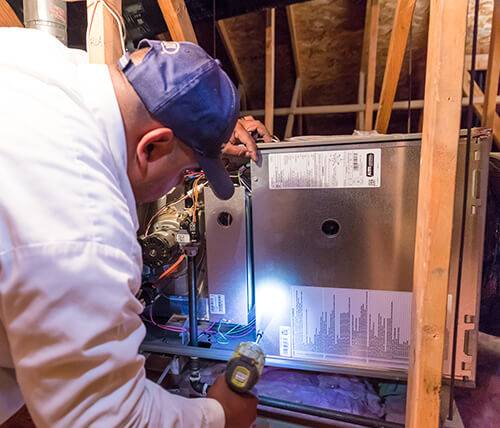
Local essentials and challenges in Las Vegas
- Desert dust: Filters clog quickly and raise static pressure.
- Mild days, cold nights: Frequent cycling stresses ignition parts.
- Attic ductwork: Heat gain and leaks can confuse thermostat control.
- Monsoon power events: Surges can damage control boards.
Cost drivers when short cycling leads to repairs
- Root cause location (thermostat, airflow, or safety sensors).
- Parts availability for older furnaces and heat pumps.
- Access difficulty in tight closets or attic platforms.
- Emergency scheduling during cold snaps.
Decision guidance: fix now or plan replacement
- Fix now: Airflow or sensor issue on a system under 12 years old.
- Plan replacement: Repeat limit trips or multiple major failures.
- Safety first: Gas odors or CO alarms mean immediate shutdown.
Prevention checklist for short cycling
- Replace filters on schedule and keep vents fully open.
- Keep thermostat away from supply vents and direct sun.
- Schedule annual combustion and airflow checks.
- Seal duct leaks to stabilize temperature swings.
Neighborhoods we serve across Las Vegas
- Summerlin, Spring Valley, and The Lakes
- Paradise, Winchester, and the UNLV area
- Henderson, Green Valley, and Anthem
- North Las Vegas, Aliante, and Craig Ranch
Why homeowners trust The Cooling Company
- Serving Las Vegas since 2011 with 55+ years combined experience
- Licensed, EPA-certified technicians and safety-first inspections
- BBB A+ rated with a 100% satisfaction guarantee
- Lennox Premier Dealer with local parts support
Service area map
Ready to End Short Cycling? Schedule Your Service Today
Learn about available current promotions and rebates for energy-efficient HVAC equipment.
Need HVAC Service in Las Vegas?
The Cooling Company provides expert HVAC service throughout Las Vegas, Henderson, and North Las Vegas. Our licensed technicians deliver honest assessments, upfront pricing, and reliable results.
Call (702) 567-0707 or visit heating services, furnace repair, heating maintenance, or heat pump installation for details.