

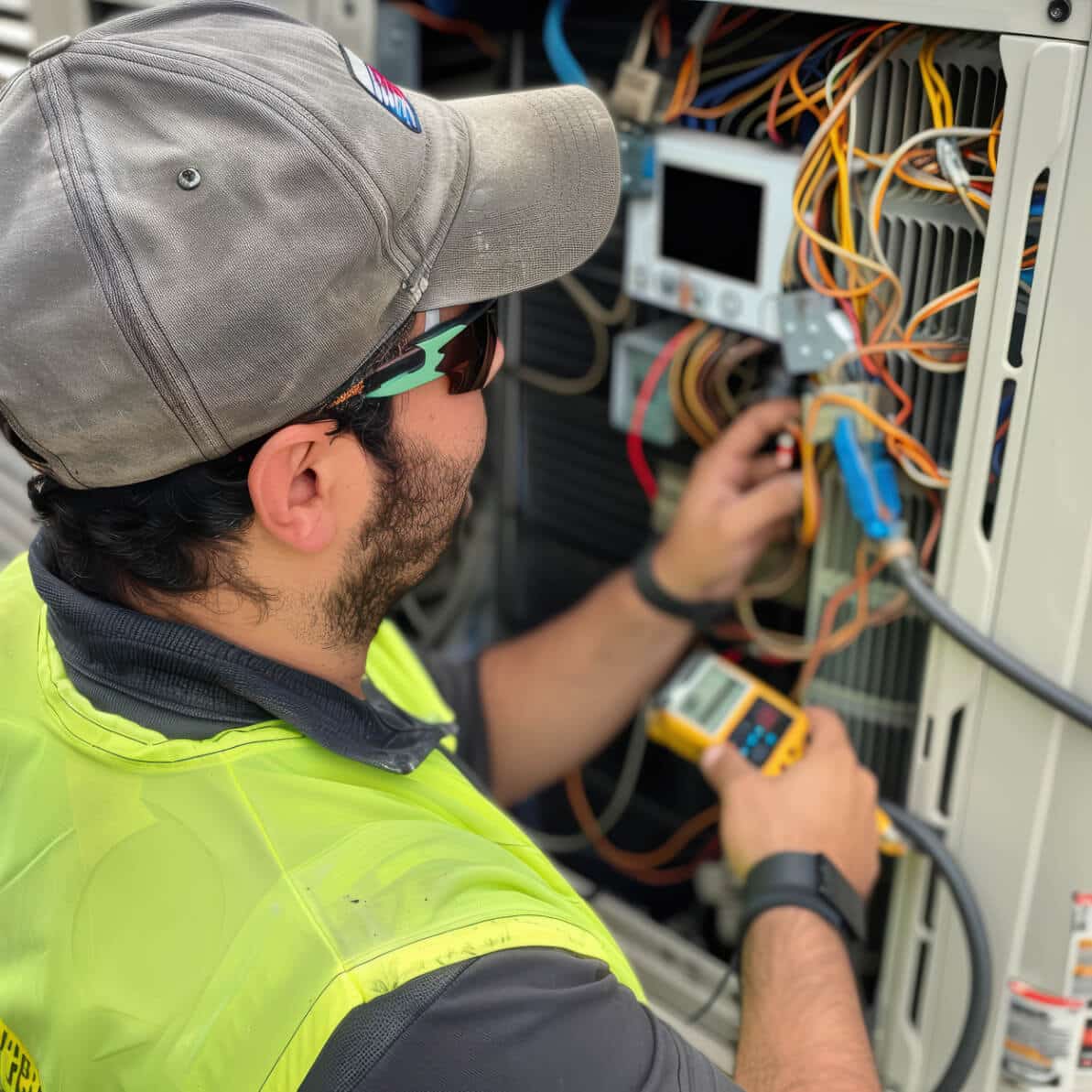
Short answer: Desert nights in Las Vegas can drop sharply, and when they do, the furnace either quietly does its job or becomes the weak link that keeps a home uncomfortable. Many homeowners assume that buying a “good brand” solves the problem. What actually matters just as much is how that furnace is sized, installed, and set up in the home’s specific conditions.
What makes a good furnace installation contractor
A strong furnace contractor blends technical skill, attention to detail, and clear communication. In Las Vegas, where homes often rely on combined heating and cooling systems, the installer also has to understand how the furnace interacts with air conditioning equipment, duct design, and the local desert climate. Industry guidance stresses that a licensed company demonstrates it has met the state’s requirements to operate, and that proper insurance protects homeowners from accidents or damage during installation (Dig This Design). These basics create the foundation; design skills and customer-centered practices build on top of that.Why installer choice matters as much as furnace brand
Brand names and efficiency ratings only tell part of the story. A high-end furnace can perform poorly if it is oversized, connected to undersized ductwork, or not tuned correctly during startup. Because so many systems nationally are installed below their rated performance (U.S. Department of Energy), the installer’s methods often determine whether a homeowner actually receives the comfort and efficiency they paid for. If your furnace is already installed and just not performing the way it should, our local furnace services guide for Las Vegas homeowners explains how tune ups, repairs, and replacements fit together before you commit to a new system.How a quality installation protects comfort and safety
A careful installer checks for gas leaks, verifies that the venting safely carries combustion gases outside, and confirms that the furnace has adequate combustion air. These steps protect against carbon monoxide risks and nuisance shutdowns. On the comfort side, a good installer balances airflow so that distant rooms receive enough warm air, which reduces common complaints like cold bedrooms and hot hallways.Typical steps in a professional furnace replacement
Professional replacements usually follow a predictable sequence: evaluating the existing equipment, performing load and duct checks, selecting an appropriately sized furnace, removing the old unit, installing the new one, connecting gas and electrical lines, and then commissioning the system. Commissioning includes measuring temperature rise, checking static pressure, confirming safe ignition, and adjusting fan speeds. When these steps are methodical, surprises after installation are rare.Risks of a rushed or careless furnace install
Rushed installations often skip diagnostic tests, reuse flawed duct connections, or leave venting slightly misaligned. Those shortcuts can lead to noisy operation, early component failures, higher utility bills, or, in the worst cases, unsafe combustion conditions. Homeowners sometimes only discover the problem years later when comfort is never quite right or repair bills mount steadily. If a rushed install has already left you with chronic issues or repeat breakdowns, our 24 hour emergency furnace repair guide for Las Vegas explains what truly calls for an overnight visit and what can safely wait for a scheduled repair.How furnace installs in Las Vegas differ from colder climates
Las Vegas furnaces typically run fewer hours than those in very cold regions, but they share ducts with high-capacity air conditioners. That means the contractor has to think carefully about airflow that serves both heating and cooling. Return grilles, duct sizes, and filter choices may be driven as much by summer cooling loads as by winter heating needs, so a competent installer designs for both seasons, not just the colder nights. If your home relies on a tank outside instead of a natural gas line, our propane furnace service guide for Las Vegas covers the extra safety checks and maintenance steps that go along with a new propane furnace install.Your main options for furnace installation help
Most homeowners choose between full-service HVAC companies, smaller specialty shops, and big-box retailers that subcontract installations. Full-service firms may offer better diagnostic and design capabilities, while smaller contractors sometimes provide more direct communication with the person actually doing the work. The key is not the business model but whether the company follows sound design and installation practices and is willing to explain them clearly. If you are still at the “just searching furnace near me” stage, our Las Vegas furnace near me guide shows how to turn those search results into a short list of installers you can actually trust.Quick pre call checklist before you request bids
Before calling contractors, it helps to gather a few details: the age and model of the current furnace, recent comfort or noise problems, utility bill patterns, and any planned changes like additions or new windows. Having a simple list of questions-about design calculations, ductwork checks, warranties, and maintenance plans-also keeps conversations focused and makes it easier to compare different contractors’ approaches.Common myths about furnace installers
Several myths can lead homeowners astray. One is that “all installers do basically the same work,” which ignores large differences in training and design skill. Another is that the city inspection alone guarantees quality; inspections typically confirm code minimums, not optimized performance. A third myth is that a long equipment warranty makes installation quality less important, when in reality poor installation can limit or void warranty coverage.Early warning signs of a contractor you should not hire
Warning signs include contractors who quote a furnace size after only a quick glance at the existing unit, those who dismiss questions about ductwork as unimportant, or anyone who hesitates when asked about licensing and insurance. High-pressure tactics, vague written proposals, and reluctance to put promises in writing also suggest that service after installation may be difficult.Key installation terms homeowners should recognize
During proposals, several technical terms often appear. “Load calculation” refers to estimating how much heating a home actually needs. “Static pressure” describes the resistance to airflow in the duct system. “Commissioning” means testing and adjusting the new equipment so it operates as designed. Recognizing these terms makes it easier to ask informed follow-up questions and to see whether a contractor is skipping important steps.
Licensing permits and legal requirements in Nevada
Furnace installation in Nevada is not just a technical task; it is a regulated construction activity. State authorities require HVAC contractors to be licensed, and this requirement applies regardless of project cost (Today’s Homeowner summary of Nevada rules). For homeowners, that means choosing a licensed contractor is not optional-it is a basic part of staying on the right side of state law. Reputable guidance also emphasizes the importance of both licensing and insurance as a package: licensing shows the company has met state standards to operate, while insurance protects homeowners from financial exposure if something goes wrong during installation (Dig This Design). Taken together, these requirements help filter out the riskiest operators.Why furnace installers must be properly licensed
Licensing verifies that an installer has met baseline experience, testing, and financial-responsibility criteria set by the state. For gas-fired furnaces, those criteria matter because improper installation can affect combustion safety, electrical wiring, and the structural integrity of venting systems. A licensed contractor is also subject to disciplinary action by the state board, giving homeowners a formal channel for complaints if serious problems arise.What the Nevada C 21 HVAC license actually covers
In Nevada, HVAC contractors typically hold a C‑21 classification, which covers the installation, alteration, and repair of heating and cooling systems. That license scope includes furnaces, air conditioners, ductwork, and many related components. When a contractor holds the correct classification, homeowners can be more confident that the company is authorized to handle the full scope of a furnace replacement, not just part of it.How to look up a contractor on the Nevada board website
Before signing any agreement, homeowners can look up the contractor by name or license number on the Nevada State Contractors Board website. The listing usually shows whether the license is active, what classifications the company holds, and whether there have been disciplinary actions. Taking a few minutes to verify this information often prevents unpleasant surprises later.When a permit is required for furnace replacement
Local jurisdictions in the Las Vegas area generally require a permit when replacing a gas furnace, especially when gas lines, venting, or electrical circuits are modified. A permit triggers an inspection by the building department, which checks for basic code compliance. While the permit does not guarantee high performance, it adds an extra layer of oversight that unpermitted work lacks.Why insurance and bonding protect you as a homeowner
General liability insurance helps cover accidental damage to the home during installation, such as a leak that stains ceilings or walls. Workers’ compensation insurance protects homeowners from being held responsible if a worker is injured on site. Bonding, where required, provides additional financial security if a contractor fails to complete the job as contracted. Together, these protections reduce the risk that a furnace project turns into an unexpected financial burden.Consequences of using unlicensed or unpermitted installers
Hiring an unlicensed or unpermitted installer exposes homeowners to several risks: local authorities may require corrective work, manufacturers may deny warranty claims, and insurance companies may scrutinize coverage if a loss is traced back to unpermitted work. In some cases, homeowners may also have fewer legal remedies because unlicensed operators fall outside normal regulatory oversight. For any work involving gas, venting, or electrical changes, do-it-yourself efforts and unlicensed side jobs quickly cross into unsafe territory and should be avoided.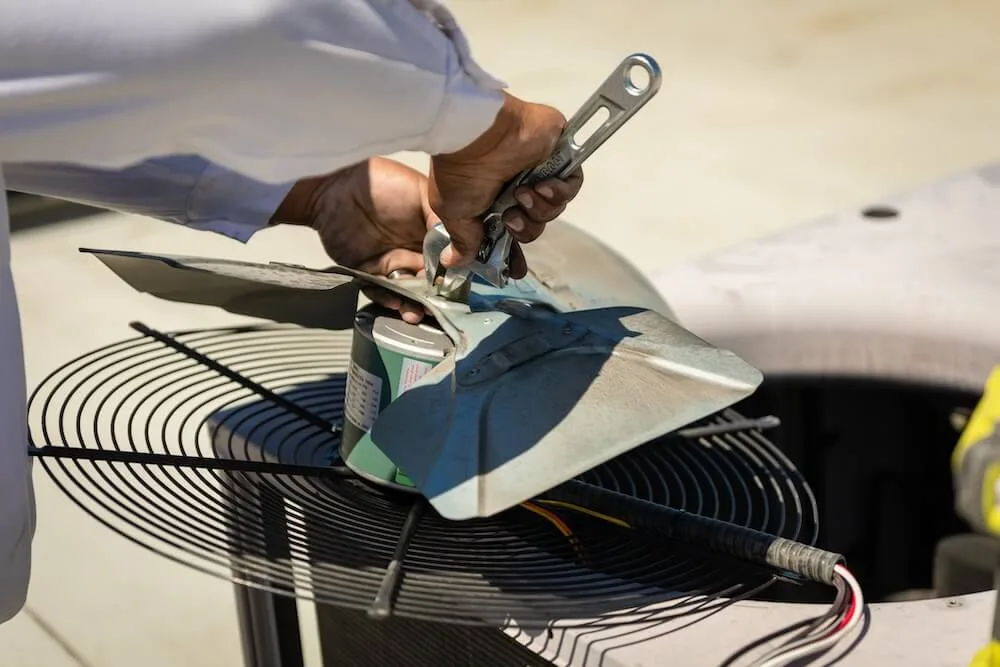
Design load calculations ducts and airflow
Even the best furnace cannot compensate for poor design. Calculating the heating needs of a home, sizing the equipment accordingly, and ensuring that ductwork can deliver the required airflow are all as important as the furnace brand. National research has shown that many systems fail to meet their rated performance when installed without proper design and commissioning (U.S. Department of Energy), and Las Vegas homes are no exception.What a Manual J load calculation means in plain language
“Manual J” is a standard method for calculating how much heating and cooling a home actually needs. The contractor measures or estimates insulation levels, window sizes and orientations, air leakage, and local weather data. The result is a number that tells how much heat the furnace must provide on a cold design day. In everyday terms, it is similar to a tailor taking precise measurements before sewing a suit instead of guessing the size from across the room.Why rule of thumb sizing fails in many Las Vegas homes
Rule-of-thumb sizing-such as basing furnace size only on square footage or matching the size of the old unit-ignores improvements like better windows, air sealing, or added insulation. In Las Vegas, some homes have been upgraded in ways that reduce heating needs, while others have large west-facing glass that increases them. Without calculation, a furnace can easily end up too large, cycling on and off more than necessary and never operating at its most stable, efficient point.How ductwork and airflow design affect each room
Ducts are the highway system that carries warm air to every room. Undersized ducts can choke airflow, while oversized returns without adequate supplies can create pressure imbalances that pull in dusty or unconditioned air. In multi-story Las Vegas homes, duct layout also influences temperature differences between floors. A thoughtful design takes room-by-room needs into account rather than relying on a single central thermostat to paper over design flaws.Questions to ask about load calculations during a quote
During estimates, homeowners can ask simple but revealing questions: “Will you perform a Manual J load calculation?” “How will you check whether my ducts can handle the new furnace’s airflow?” and “Will you provide any of those calculations in writing?” Industry guidance on furnace replacement suggests comparing at least three estimates from experienced installers to see how different companies approach design and sizing (HomeGuide furnace installation guidance). Common questions or objections-such as “Isn’t that overkill?”-are often a sign that a contractor is attempting to explain design steps, which is generally a positive indicator.How to tell if a contractor is skipping design work
Signs that design is being skipped include a contractor who never measures rooms or windows, does not look in the attic at the ducts, or dismisses sizing questions with phrases like “We always use this size in houses like yours.” A quote that lists only the furnace model and price, without any mention of airflow, duct condition, or calculations, usually reflects minimal design effort. When this happens, the risk of comfort problems or noisy operation after installation rises substantially.How good design supports efficiency and equipment life
When a furnace is properly sized and paired with ducts that can deliver the right airflow, it runs steadier cycles, reaches its intended efficiency, and experiences less mechanical stress. Research highlighting that many U.S. systems never achieve their rated capacity or efficiency when installed poorly (U.S. Department of Energy) underscores this point: design quality and installation practices directly affect utility costs and how long the equipment lasts. For Las Vegas homeowners, that means spending a little more attention on calculations and duct checks can pay back in quieter operation, more even comfort, and fewer premature replacements.Ready for Unmatched Furnace Installation?
You may qualify for federal tax credits that reduce your upfront cost.
Related service: Planning a furnace installation in Las Vegas? Explore our furnace installation and heating installation services for Las Vegas homeowners.
Need Heating Service in Las Vegas?
The Cooling Company provides expert heating service throughout Las Vegas, Henderson, and North Las Vegas. Our licensed technicians deliver honest assessments, upfront pricing, and reliable results.
Call (702) 567-0707 or visit heating, furnace repair, furnace installation, or heating maintenance for details.