
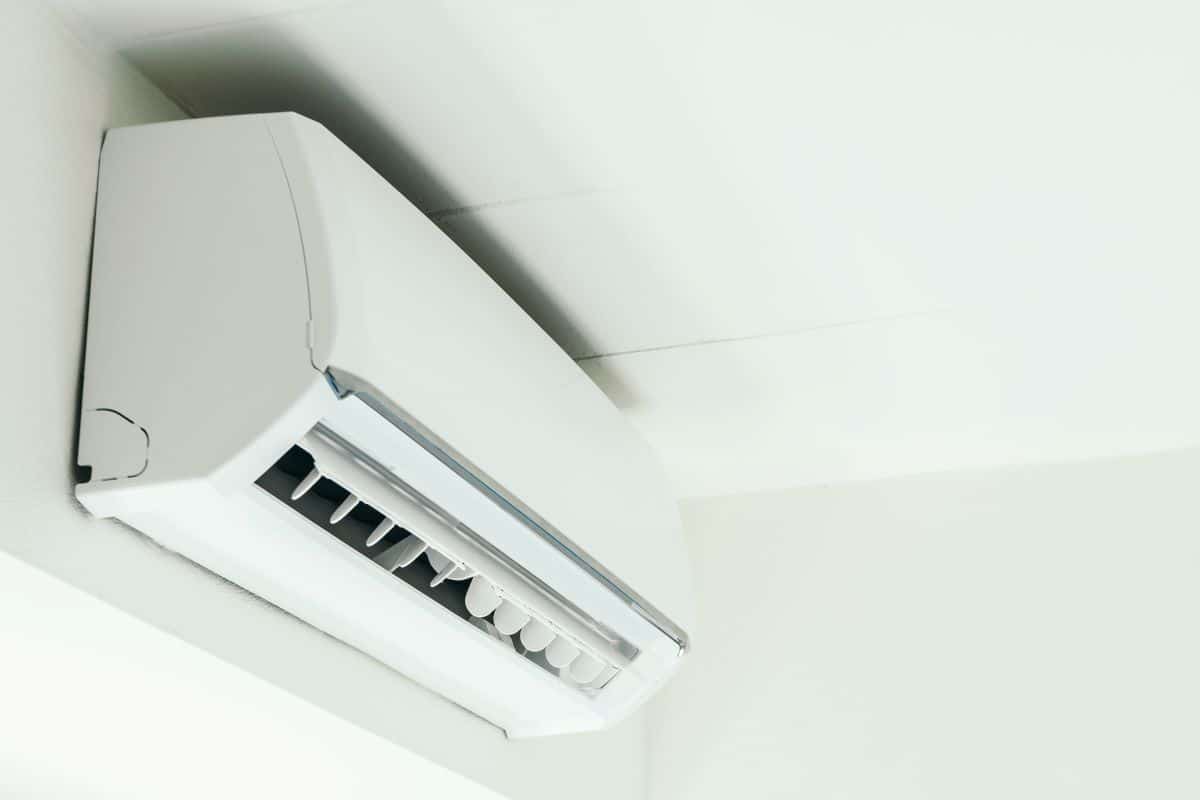
Short answer: Cleaning or replacing your AC filter is one of the simplest and most effective ways to maintain cooling efficiency, reduce energy costs, and improve indoor air quality. Regardless of whether you own a central air system, a split (ductless) AC, or a window unit, your filter is essential for protecting your air conditioner from dust, dirt, and debris while keeping your home’s air cleaner and healthier.
Use our energy savings guide to estimate your potential savings.
Cleaning or replacing your AC filter is one of the simplest and most effective ways to maintain cooling efficiency, reduce energy costs, and improve indoor air quality. Regardless of whether you own a central air system, a split (ductless) AC, or a window unit, your filter directly affects protecting your air conditioner from dust, dirt, and debris while keeping your home’s air cleaner and healthier.
This step-by-step guide covers everything from what an AC filter is and why it matters to specific cleaning instructions for different AC types. It also explains how to recognize when a filter needs replacement, outlines maintenance schedules, and offers troubleshooting tips. For a complete AC cleaning plan that covers every component, visit our How to Clean Air Conditioner guide.
What Is an AC Filter and Why It Matters
The AC filter sits in your system’s airflow path, catching airborne particles such as dust, pollen, mold spores, pet dander, and even some bacteria. By filtering the air before it passes over your evaporator coil, it prevents debris from clogging sensitive parts and keeps the air you breathe cleaner.When the filter becomes clogged, your AC must work harder to move air, which can cause:
- Higher energy bills due to increased runtime
- Reduced cooling efficiency
- Increased wear and tear on components
- Potential coil freezing from restricted airflow
Signs Your AC Filter Needs Cleaning or Replacement
- Visible layers of dust and debris on the filter
- Weak airflow from vents
- Unpleasant odors when the AC runs
- Increased allergy or asthma symptoms indoors
- Unexplained spikes in energy bills
Types of AC Filters
Knowing your filter type helps determine how to maintain it properly:- Washable (Reusable) Filters: Usually made from mesh or foam. Designed to be rinsed and reused for several years if maintained properly.
- Disposable Filters: Made from fiberglass or pleated paper. Intended for single use—must be replaced, not washed.
- HEPA and High-MERV Filters: Capture very fine particles. Most are disposable, though some premium models are washable.
Step-by-Step Instructions for Different AC Types
1. Central AC Filters
- Turn off your system at the thermostat and breaker.
- Locate the filter—usually behind a return air grille or inside the air handler.
- Slide out the filter and inspect its condition.
- If washable, clean with mild detergent and lukewarm water, rinse thoroughly, and allow to dry completely before reinserting.
- If disposable, replace with one of the same size and rating.
- Reinstall the filter and restore power.
2. Split (Ductless) AC Filters
- Turn off and unplug the unit if possible.
- Lift the indoor unit’s front panel to access the filter screens.
- Remove filters and vacuum off loose dust before washing with water.
- Let the filters air dry completely—never use heat to speed the process.
- Reinsert filters, close the panel, and power the unit back on.
3. Window AC Filters
- Unplug the unit from the wall.
- Remove the front grille to access the filter.
- Vacuum dust buildup, then wash with warm, soapy water if reusable.
- Dry the filter fully before reinstalling.
- Replace with a new filter if it’s disposable or too damaged to clean.
Maintenance Frequency
Filter maintenance frequency depends on factors like location, usage, and whether you have pets:- Heavy summer use: Check monthly, clean or replace as needed.
- Moderate use: Every 1–2 months.
- Dusty or high-pollen environments: Every 2–3 weeks.
Preventative Tips for Longer Filter Life
- Keep windows and doors closed when the AC is running to reduce dust intake.
- Vacuum and dust your home regularly to limit airborne particles.
- Check for air leaks around doors and windows that may bring in unfiltered air.
- If you have pets, groom them regularly to reduce shedding.
Troubleshooting Filter-Related Issues
- Weak Airflow: Likely a clogged filter—clean or replace immediately.
- Strange Odors: May indicate mold growth on the filter—replace it and clean the surrounding components.
- Excess Dust in Home: Could mean the filter is too low in MERV rating or improperly fitted.
- Frequent Filter Clogging: May require sealing air leaks or upgrading to a higher-quality filter.
Las Vegas Filter Maintenance: Special Considerations
Las Vegas's desert environment creates unique filter challenges that require more frequent attention than recommended for other climates. Understanding these local factors helps you maintain optimal system performance.
Desert Dust and Monsoon Season: Las Vegas experiences intense dust storms, especially during spring winds (March-May) and monsoon season (July-September). Fine desert dust penetrates standard filters within 2-3 weeks instead of the typical 30-60 days in moderate climates. During dust storm season, inspect filters weekly and replace when visibly dirty—waiting the full month can reduce airflow by 30-50%, forcing your AC to work harder and run longer during the hottest months.
Extended Cooling Season: Las Vegas needs AC from March through October (8+ months), compared to 4-6 months in moderate climates. This extended runtime accelerates filter loading—what might last 3 months elsewhere may only last 4-6 weeks here. Plan on 8-12 filter changes annually instead of the typical 4-6 in other regions. Buy filters in bulk (6-12 at a time) to reduce per-unit cost and ensure you always have spares.
High-Efficiency Filter Options: Standard 1-inch fiberglass filters (MERV 1-4) are inadequate for Las Vegas's dusty environment. Upgrade to pleated filters (MERV 8-11) that capture smaller particles and last longer. For even better performance, consider 4-inch media filters that last 6-12 months and provide superior filtration. Check your system's specifications before upgrading—higher MERV ratings restrict airflow more, and some older systems can't handle the resistance without reducing efficiency.
Filter Maintenance Schedule by Season
Adjust your filter maintenance based on Las Vegas seasonal challenges:
Spring (March-May): Check filters every 2 weeks during spring wind season. Replace at first sign of heavy dust loading. Spring storms bring fine dust that clogs filters quickly, reducing airflow when your AC begins running daily.
Summer (June-August): Inspect filters monthly during peak cooling season when AC runs 12-16 hours daily. Extended runtime loads filters faster even without dust storms. Replace monthly at minimum—bi-weekly if you have pets or allergies.
Monsoon Season (July-September): Monitor filters weekly during monsoon season when humidity and dust storms combine. Moisture can cause filter media to compress, reducing airflow further. Replace immediately if filters feel damp or show signs of mold.
Fall (September-November): Continue monthly inspections as AC usage decreases. Fall dust from landscaping and leaf cleanup can load filters quickly. Final filter change in late October or early November sets you up for winter heating season.
Winter (December-February): Check filters every 6-8 weeks during heating season when system usage drops. While heating doesn't run as constantly as cooling, filters still protect your system and improve indoor air quality during winter months.
Cost-Benefit Analysis: Filter Maintenance Investment
Regular filter maintenance delivers measurable returns in Las Vegas's climate:
Filter Costs vs. Energy Savings: Quality disposable filters cost $8-15 each, or $100-180 annually for monthly changes. However, clean filters reduce energy consumption by 10-15%—on a typical $400 summer bill, that's $40-60 monthly savings, or $240-360 over a 6-month cooling season. The energy savings alone pay for filters 2-3 times over.
Prevented Repairs: Dirty filters cause expensive failures. Restricted airflow freezes evaporator coils ($200-500 to fix), overworks blower motors ($400-800 to replace), and allows dust to coat coils requiring professional cleaning ($150-300). A single avoided repair pays for 2-3 years of proper filter maintenance.
System Lifespan Extension: AC systems with clean filters last 12-15 years in Las Vegas instead of 8-10 years with neglected maintenance. Replacing a system costs $5,000-12,000. Extending lifespan by 3-5 years through proper filter maintenance saves $1,000-2,000 annually in avoided replacement costs.
Make Filter Maintenance Part of Your Routine
Maintaining your AC filter is an easy yet essential step in keeping your cooling system efficient, reliable, and healthy for your home. Whether it's a washable or disposable filter, regular maintenance prevents costly repairs, keeps energy bills down, and improves indoor air quality.Now that you know how to clean and replace filters for central, split, and window ACs, make it part of your routine. For guidance on cleaning every part of your system, read our complete AC cleaning guide.
Related service: Stay ahead of costly breakdowns. Explore our AC maintenance and AC repair services for Las Vegas homeowners.
Need HVAC Service in Las Vegas?
The Cooling Company provides expert HVAC service throughout Las Vegas, Henderson, and North Las Vegas. Our licensed technicians deliver honest assessments, upfront pricing, and reliable results.
Call (702) 567-0707 or visit AC repair, maintenance, heating, or installation for details.

