


Short answer: HVAC preventive maintenance is essential in Las Vegas because systems run 2,500–3,000 hours per year in extreme heat. An $89 maintenance visit can prevent $385+ emergency repairs, extend system lifespan by 3–5 years, and reduce energy bills by 10–15%. Most manufacturer warranties also require documented annual maintenance to remain valid.
Last summer, we got a call from a homeowner in Henderson whose AC died on a 117°F day. The house was already 94°F inside. She had a one-year-old and an elderly mother staying with her. We dispatched a tech immediately — this was an emergency by any measure. The culprit? A $23 capacitor that had been flagging weak for months. The total bill was $385 for emergency weekend service. If she'd had a maintenance visit the previous April, a tech would have caught that capacitor reading low and replaced it on the spot for under $80. That's the Las Vegas HVAC math nobody talks about when they're deciding whether to skip their annual tune-up.
We see this story repeat itself every July and August, dozens of times over. The names and neighborhoods change — Summerlin, North Las Vegas, Green Valley — but the situation is always the same. A system that hasn't been serviced in 12, 18, or 24 months finally gives out when the load is highest and the outside temperature is least forgiving.
HVAC preventive maintenance is not optional in the desert. Here's the honest case for why.

What happens when you skip maintenance in Las Vegas
Las Vegas is not a normal climate for HVAC systems. The valley regularly sees 110°F-plus days from June through September, and residential AC units can run 14 to 18 hours a day during those stretches. That is more annual operating stress than most systems in the country face.
When maintenance gets skipped, here is what accumulates:
Condenser coils clog with desert dust. The fine silica dust that blows across the valley coats condenser fins and restricts airflow to the coil. A dirty condenser works harder to reject heat, which drives up head pressure, which stresses the compressor. A compressor replacement runs $1,800 to $2,800 depending on the unit. The cleaning that prevents it costs $89.
Evaporator coils freeze. Low refrigerant and restricted airflow cause the indoor coil to drop below freezing. Ice blocks airflow entirely. The system blows warm air, and if the homeowner keeps running it trying to cool the house, the compressor floods with liquid refrigerant and fails. We have seen this happen in under six hours on a 115°F afternoon.
Capacitors run weak until they fail completely. Capacitors degrade over time, especially under the voltage spikes and heat load common in Nevada summers. A tech with a capacitor tester can flag one reading marginal and swap it in ten minutes. The same failure at 11pm on a Saturday costs you $385 or more in emergency fees, plus the part.
Drain lines clog and overflow. In a high-humidity period — monsoon season in August — condensate drains can back up and overflow into the air handler, the ceiling, or the attic. We have written estimates for $4,000 to $8,000 in water damage repairs after a clogged condensate line was left unaddressed.
Energy bills climb 20 to 40 percent. A dirty, low-refrigerant system runs longer cycles to reach the same setpoint temperature. Nevada Energy bills during summer already hurt. A neglected system makes them significantly worse.
The cost breakdown: maintenance vs. emergency repairs
Let's put concrete numbers on this. These are real-world figures from Las Vegas service calls, not national averages:
| Scenario | Cost |
|---|---|
| Annual preventive maintenance visit | $89–$149 |
| Annual maintenance plan (2 visits + priority service) | $159–$229/year |
| Capacitor replacement (routine, caught during maintenance) | $75–$120 |
| Capacitor replacement (emergency weekend call) | $280–$420 |
| Refrigerant recharge — caught early, small top-off | $150–$220 |
| Refrigerant recharge + leak repair — neglected system | $450–$900 |
| Compressor replacement — preventable with maintenance | $1,800–$2,800 |
| Full system replacement — accelerated by neglect | $5,500–$10,000+ |
| Water damage from overflowed condensate drain | $4,000–$8,000 |
One emergency compressor replacement costs more than 15 years of annual maintenance visits. That is not a metaphor. That is arithmetic.
Beyond repairs, consider energy costs. The Department of Energy estimates that a well-maintained AC system runs 15 to 25 percent more efficiently than a neglected one. For a Las Vegas home running a 5-ton unit for eight months a year, that difference can exceed $300 annually on Nevada Energy bills. Over five years, you're looking at $1,500 in electricity savings alone — more than enough to cover the maintenance visits many times over.
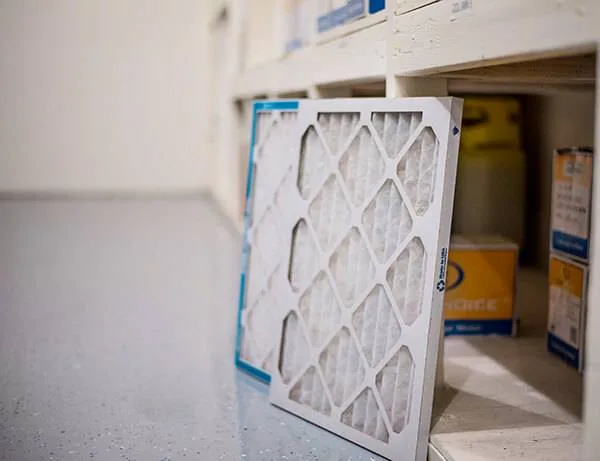
What a professional maintenance visit actually covers
A proper AC maintenance visit is not a 20-minute visual inspection and a changed filter. Here is what a thorough Las Vegas tune-up looks like:
Electrical components:
- Test and measure capacitor microfarad ratings (flag anything reading below 90% of rating)
- Inspect and tighten electrical connections at the contactor, disconnect, and control board
- Measure amperage draw on the compressor and blower motor against nameplate ratings
- Inspect wiring for signs of heat damage, rodent activity (common in desert neighborhoods), or arcing
Refrigerant circuit:
- Measure suction and discharge pressures against manufacturer specs for current conditions
- Calculate superheat and subcooling to verify proper charge
- Inspect refrigerant lines and fittings for oil staining (sign of a slow leak)
- Check for icing at the indoor coil
Coils and airflow:
- Clean condenser coils with appropriate coil cleaner — rinse thoroughly
- Inspect evaporator coil for dust buildup, microbial growth, or damage
- Measure static pressure across the filter and coil to verify airflow
- Check blower wheel for buildup that throws off balance and airflow
Drainage:
- Flush condensate drain line with appropriate cleaner
- Inspect drain pan for standing water, rust, or algae
- Verify float switch operation if equipped (safety shutoff on overflow)
Mechanical:
- Lubricate motor bearings where applicable
- Inspect fan blades for damage or imbalance
- Check belt tension on systems with belts
- Verify thermostat calibration and operation
Filter and ductwork:
- Replace or inspect filter
- Check accessible duct connections at the air handler for leaks
- Verify return air is not restricted
This is the difference between real maintenance and a "maintenance" visit that's really a sales call. Ask what is included before you schedule.
How often does your system need service
In most of the country, the standard recommendation is once a year. In Las Vegas, the correct answer is twice a year — minimum.
Spring (March–April): AC tune-up before the heat season starts. This is the most important visit. You want everything checked, cleaned, and verified before your system has to run 16 hours a day.
Fall (October–November): Heating check before winter. Less critical from a survival standpoint — you're not going to die in a 55°F house the way you might in a 95°F one — but still important for efficiency and catching any damage the summer left behind.
Homes with specific risk factors should consider additional attention:
- Systems older than 10 years: Capacitors, contactors, and motors all become more failure-prone with age. Older systems benefit from more frequent monitoring.
- High-desert dust exposure: Properties near open desert, construction zones, or unpaved areas see dramatically faster coil fouling.
- Systems running with animals in the home: Pet dander clogs filters and coils faster than dust alone.
- Package units on the roof: Las Vegas homes with rooftop package units face more UV exposure and faster refrigerant line degradation. These units should not go longer than 12 months between service visits.
Your warranty may already be void
This is the part that catches homeowners off guard. Most major HVAC manufacturers — Carrier, Lennox, Trane, Rheem — require documented annual professional maintenance as a condition of the extended parts warranty. The exact language varies by manufacturer, but the common thread is consistent: if you cannot show proof of maintenance, your warranty claim can be denied.
We have seen this happen. A homeowner with a 4-year-old Lennox system needs a $2,100 compressor. The unit is under a 10-year parts warranty. The claim gets denied because there are no maintenance records. The homeowner pays out of pocket.
The maintenance records you accumulate with every professional visit are not just receipts. They are warranty documentation. Keep every invoice, every inspection report, every service ticket. If your system is under manufacturer warranty, verify the maintenance requirements in your warranty documents and make sure you are meeting them.
The ROI of preventive maintenance
Let's build a five-year comparison for a typical Las Vegas household with a 4-ton split system (roughly 2,000 square feet, installed around 2019):
With maintenance (2 visits per year at $130 average):
- 5 years of maintenance: $1,300
- Proactive capacitor replacement (year 3): $95
- Refrigerant top-off (year 4, caught early): $175
- Energy savings vs. unmaintained system (est. $280/year): -$1,400 savings
- Net 5-year cost: approximately $170 net savings after maintenance costs
Without maintenance:
- Emergency capacitor failure (year 3, weekend call): $390
- Emergency compressor failure (year 5): $2,400
- Higher energy bills over 5 years (est. $280/year extra): $1,400
- Net 5-year cost: approximately $4,190
That $4,000-plus difference does not include the cost of one day of heat exposure for your family, the hotel stay if the house is uninhabitable, or the accelerated system replacement timeline that comes with a neglected compressor.
If you want to avoid a $4,000 emergency call in July and still have your system limping into year 8 instead of failing at year 10, preventive maintenance is the clearest investment you can make in your home comfort.
Maintenance plans vs. one-off tune-ups
You have two options when it comes to scheduling service: book tune-ups individually each season, or enroll in a maintenance plan that covers both visits and typically includes additional benefits.
One-off tune-ups work fine if you are disciplined about scheduling them every spring and fall. The risk is that life gets busy and you push the spring visit to June, which means you're scheduling into the busiest part of the season — longer wait times, less technician availability.
Maintenance plans solve the scheduling problem and usually include:
- Priority scheduling (you go to the front of the line when something breaks)
- Discounts on parts and labor for any repairs needed
- Reminder calls so you do not have to remember to schedule
- Both spring and fall visits included in the annual price
For most Las Vegas homeowners, a maintenance plan is the better value — not just financially, but operationally. When your AC goes down at 2pm on a 113°F Tuesday, knowing you have priority service because you're a plan member is worth more than the $30 you might save by booking visits individually.
If you do find yourself on the wrong side of a breakdown despite your best planning, our team handles emergency HVAC service 24 hours a day, and we also offer AC repair with same-day appointments for non-emergency situations throughout the Las Vegas valley.
Frequently Asked Questions
How much does HVAC preventive maintenance cost in Las Vegas?
A single professional tune-up in the Las Vegas area typically runs $89 to $149 for a standard residential system. Annual maintenance plans covering two visits (spring AC check and fall heating check) generally cost $159 to $229 per year and often include benefits like priority scheduling and repair discounts. These costs represent a small fraction of what a single emergency repair call costs — capacitor failures alone run $280 to $420 on a weekend emergency call, versus $75 to $120 when caught during a routine visit.
How often should I service my AC in Las Vegas?
Twice a year is the right answer for Las Vegas — not the once-a-year standard most of the country follows. Schedule a full AC tune-up in March or April before the heat season begins, and a heating system check in October or November. Las Vegas systems run far more hours annually than systems in moderate climates, and the fine desert dust accelerates coil fouling and component wear significantly. Systems older than 10 years may benefit from additional monitoring between scheduled visits.
Will skipping maintenance void my HVAC warranty?
Possibly, yes. Most major manufacturers — including Carrier, Lennox, Trane, and Rheem — include annual professional maintenance requirements in their extended warranty terms. If you need a warranty repair and cannot produce documented maintenance records, the claim may be denied. This is not a hypothetical risk; it happens regularly. Keep every maintenance invoice and inspection report. They are your proof of compliance and your protection against a four-figure out-of-pocket repair bill.
What does an HVAC tune-up actually include?
A thorough tune-up covers electrical component testing (capacitors, contactors, wiring), refrigerant pressure measurement and leak inspection, condenser and evaporator coil cleaning, condensate drain flushing, blower motor amp draw testing, filter replacement, and a thermostat calibration check. If a company's tune-up does not include measuring refrigerant pressures and testing capacitors with a meter, you are paying for a visual inspection — not a real maintenance visit. Ask specifically what instruments the technician uses before you book.
Can I do HVAC maintenance myself?
Homeowners can and should handle a few tasks: changing filters every 30 to 60 days in summer, keeping the area around the outdoor condenser clear of debris, and flushing the condensate drain with diluted vinegar at the start of cooling season. However, the diagnostic work — measuring refrigerant charge, testing capacitor ratings, checking electrical connections, and cleaning coils properly — requires tools and certifications that fall outside DIY territory. Attempting refrigerant work without an EPA Section 608 certification is also a federal violation. Leave the technical work to a licensed technician.
What is the most common HVAC failure in Las Vegas summer?
Capacitor failure is the single most common breakdown call we run in July and August. Capacitors help start and run the compressor and fan motors, and they degrade faster under the high-voltage summer conditions in Nevada. A capacitor reading weak on a meter is a $95 fix. One that fails completely — especially if it damages the compressor motor in the process — can turn into a $2,400 repair. This is exactly the kind of finding a properly trained technician flags during a spring tune-up, saving you from a sweltering house and an emergency service call.
Related service: Stay ahead of costly breakdowns. Explore our AC maintenance and AC repair services for Las Vegas homeowners, or see our maintenance plans for priority scheduling and year-round coverage.
Need HVAC Service in Las Vegas?
The Cooling Company provides expert HVAC service throughout Las Vegas, Henderson, and North Las Vegas. Our licensed technicians deliver honest assessments, upfront pricing, and reliable results.
Call (702) 567-0707 or visit AC repair, maintenance, HVAC maintenance, or emergency HVAC for details.