

Understanding Your Options
Short answer: Older homes or those built without ductwork present a unique challenge installing central air conditioning. Las Vegas’ intense summer heat demands efficient cooling, but retrofitting ducts can be costly and disruptive. Fortunately, several alternatives exist, each with distinct advantages and trade-offs. Understanding these options helps homeowners make informed decisions tailored to their budget, home layout, and comfort needs.
See our AC installation cost guide for current cost estimates.
Traditional Duct Installation
This is the classic approach where new ducts are installed throughout the home to distribute cooled air. It usually involves significant construction but offers uniform cooling and compatibility with standard central air units. While effective, traditional ductwork can be invasive and costly, especially in homes without existing ducts. However, it remains the most straightforward method for whole-house cooling. Homeowners should also consider the potential for future upgrades or modifications, as traditional duct systems can be easier to adapt for additional heating and cooling needs in the long run.High-Velocity Systems
High-velocity systems use smaller, flexible ducts that can snake through walls and ceilings with minimal demolition. They deliver cooled air at higher pressure, allowing for smaller ducts and easier installation in tight spaces. This option suits older homes where installing full-sized ducts is impractical. It balances efficiency with less invasive construction. Additionally, high-velocity systems often come equipped with advanced technology that allows for better humidity control, making them an excellent choice for maintaining comfort during the sweltering summer months.Ductless Multi-Zone
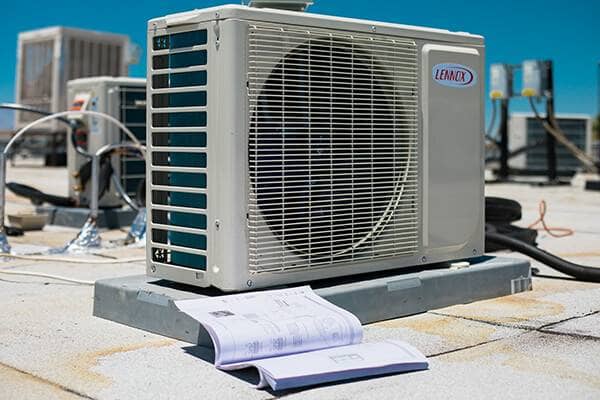
Ductless mini-split systems provide cooling through wall-mounted indoor units connected to an outdoor compressor. Each indoor unit can be controlled independently, allowing for customized comfort in different rooms. These systems avoid duct losses entirely, making them highly efficient for homes without ducts. They also reduce installation time and disruption. Moreover, many ductless systems offer heating capabilities as well, providing year-round climate control without the need for additional equipment. For homeowners considering a Daikin Ductless Heat Pump, it’s worth exploring this premium mini-split system. The system’s efficiency, reliability, and flexible installation options make it a standout choice for homes without ducts. You can refer to our Central Air Installation Options Guide to see how it compares to other solutions and find the right fit for your home.Hybrid Approaches
Some homes benefit from a combination of ducted and ductless solutions. For example, a central air unit with limited ductwork supplemented by ductless units in hard-to-reach areas. This approach offers flexibility and cost control, adapting to the home’s layout and homeowner preferences. Homeowners can strategically place ductless units in areas that require more cooling, ensuring that energy is used efficiently and effectively throughout the home.Window Unit Upgrades
Window air conditioners are a low-cost, DIY-friendly option for spot cooling. Modern units offer improved energy efficiency and quieter operation compared to older models. While not a whole-house solution, upgrading window units can provide immediate relief in specific rooms without ductwork. Furthermore, many new models come with smart technology features, allowing users to control settings remotely, which can enhance convenience and energy management.Portable Solutions
Portable air conditioners offer mobility and ease of installation but tend to be less efficient and noisier than other options. They require venting through a window or wall opening. These units are best for temporary or supplemental cooling rather than primary systems. They can be particularly useful for renters or those who may not want to invest in permanent installations, providing a flexible cooling solution that can be moved from room to room as needed.Evaporative Alternatives
Evaporative coolers, or swamp coolers, use water evaporation to cool air. They work best in dry climates like Las Vegas but are less effective in humid conditions. They consume less electricity but do not provide the same level of cooling as traditional air conditioners. Additionally, evaporative coolers can also improve indoor air quality by adding moisture to the air, which can be beneficial in arid environments.Cost Comparisons
Installation costs vary widely. Traditional duct installation in Las Vegas averages between $14,000 and $16,000 due to labor and equipment expenses . Ductless systems and high-velocity installations often cost less upfront but may have higher equipment prices. Window and portable units are the most affordable but come with limitations in efficiency and coverage. It's essential for homeowners to consider not only the initial investment but also the long-term operational costs associated with each cooling solution.Efficiency Differences
Duct leakage rates in Las Vegas typically hover around 10%, with some installations achieving as low as 5% leakage (achrnews.com). This leakage can drastically reduce system efficiency, making ductless or high-velocity systems attractive for minimizing losses. Energy efficiency ratings like SEER2 and HSPF2 translate directly into energy savings and comfort. For example, a higher SEER2 rating means lower electricity bills during hot months. Homeowners should also explore available rebates and incentives for energy-efficient systems, which can significantly offset initial costs.Installation Timeframes
Traditional duct installation can take several weeks, especially if walls or ceilings require modification. High-velocity and ductless systems typically install faster, sometimes within a few days. Window and portable units offer instant installation but limited cooling scope. Time considerations often influence homeowners’ choices as much as cost and efficiency. Additionally, scheduling installations during off-peak seasons can lead to better pricing and availability of skilled technicians.
Traditional Duct Installation Details
Traditional ductwork remains the gold standard for whole-home central air conditioning, but it requires careful planning and construction. The process involves installing large, rigid ducts throughout the home to distribute air evenly. Despite its effectiveness, duct installation can be disruptive, especially in homes without pre-existing ductwork. It’s important to weigh the long-term benefits against upfront costs and construction impact.Space Requirements
Installing ducts requires sufficient space in ceilings, walls, or floors. In older homes, this can mean removing drywall or accessing crawl spaces. The ducts themselves can be bulky, requiring careful routing to avoid interference with electrical wiring or plumbing. Homeowners often worry about losing living space, but soffits and chases can conceal ducts without sacrificing room. Additionally, the strategic placement of ducts can enhance airflow efficiency, ensuring that every corner of the home receives adequate heating or cooling. This can lead to improved comfort levels and energy savings over time, making the initial space sacrifice worthwhile.Construction Process
The construction phase involves framing, sealing, insulating, and testing ducts. Proper sealing is critical to prevent leakage, which can cause up to a 33% loss in cooling capacity (energy.gov). Permitting is another important step. In California, only about 10% of HVAC replacements are permitted, leading to inefficiencies and health risks (nrdc.org). Las Vegas homeowners should ensure permits are secured for safety and warranty compliance. Furthermore, engaging a licensed contractor can help navigate local regulations, ensuring that the installation meets all building codes and standards, ultimately safeguarding the homeowner's investment.Soffit Installation
Soffits are boxed enclosures built below ceilings to hide ducts. They can be designed to blend with architectural features, minimizing aesthetic impact. While soffits reduce ceiling height slightly, they provide a practical solution for duct concealment without major reconstruction. Additionally, soffits can be customized with lighting fixtures or decorative elements, enhancing the overall design of the room while serving a functional purpose. This dual benefit can make soffits an attractive option for homeowners looking to maintain a stylish interior while accommodating necessary HVAC components.Chase Construction
Chases are vertical shafts or boxed spaces that allow ducts to run between floors or through walls. Building chases requires framing and drywall work but is often necessary in multi-story homes. Proper insulation and sealing within chases prevent energy loss and noise transmission. Moreover, chases can be designed to accommodate future upgrades or changes in HVAC systems, providing flexibility for homeowners who may wish to enhance their heating and cooling solutions down the line. This foresight can save time and resources in future renovations, making chases a smart investment in the home’s infrastructure.Ceiling Drops
Ceiling drops involve lowering a portion of the ceiling to accommodate ducts. This method is common in rooms with high ceilings and allows for easier duct routing. Though it alters ceiling height, ceiling drops can be integrated with lighting and design elements to maintain room aesthetics. For instance, recessed lighting can be installed within the drop, creating a modern look while ensuring that the room remains well-lit. Additionally, ceiling drops can be used to delineate spaces within open floor plans, adding visual interest and functionality without the need for permanent walls.High-Velocity System Benefits
High-velocity HVAC systems use smaller diameter ducts and deliver air at higher pressures. This technology suits homes without existing ductwork by minimizing space requirements and installation disruption. The innovative design of these systems allows for efficient climate control, making them an increasingly popular choice among homeowners seeking modern solutions to heating and cooling challenges. Retrofitting older properties may involve wall and ceiling modifications, increasing labor and time. High-velocity systems reduce this burden, enabling homeowners to enjoy enhanced comfort without the hassle of extensive renovations. Additionally, these systems can be integrated with smart home technology, allowing for more precise temperature control and energy management.Small Duct Advantages
Smaller ducts fit into tight spaces, walls, or ceilings without major demolition. This reduces both material and labor costs compared to traditional ducts. The compact size also means less air volume is lost to leakage, improving overall efficiency. Furthermore, the reduced size of the ducts allows for a more streamlined aesthetic, which can be particularly appealing in contemporary home designs where visible ductwork is often considered an eyesore. Moreover, the efficiency of high-velocity systems can lead to lower energy bills, as they are designed to operate with minimal energy loss. Homeowners can enjoy a more comfortable living environment while also contributing to energy conservation efforts.Minimal Demolition
Because ducts are flexible and smaller, installation requires fewer structural changes. This is ideal for historic homes or those with limited access. The ability to install these systems with minimal disruption means that families can continue their daily routines without the inconvenience of extensive construction work. Homeowners benefit from shorter installation times and less mess, which is particularly advantageous for those with busy lifestyles. Additionally, the reduced need for demolition can help preserve the integrity and character of older homes, allowing owners to maintain their property's historical value while upgrading their HVAC systems.Flexible Routing
High-velocity systems allow ducts to bend and curve around obstacles, making routing easier in complex layouts. This flexibility can mean fewer drywall repairs and less disruption to the home’s interior. By accommodating the unique architecture of a home, these systems can be installed in ways that traditional ductwork simply cannot achieve, ensuring that every corner of the house receives adequate airflow. This adaptability not only enhances the system's efficiency but also provides homeowners with the peace of mind that their HVAC system can be tailored to their specific needs, regardless of the challenges posed by the home’s design.Outlet Options
These systems use small, discreet outlets that blend with decor. They can be installed in ceilings, walls, or floors, offering design versatility. The unobtrusive nature of these outlets allows homeowners to maintain their desired aesthetic without compromising on comfort. Adjustable outlets also allow homeowners to direct airflow precisely where it’s needed, enhancing comfort in specific areas of the home. This targeted airflow can be particularly beneficial in multi-story homes or larger spaces where temperature variations are common, ensuring that every room remains comfortable regardless of its location.Pressure Requirements
High-velocity systems operate at higher static pressures, requiring specialized blowers and components. This ensures air reaches all outlets effectively. Proper design and installation are critical to avoid noise and maintain comfort. The engineering behind these systems is sophisticated, with components designed to work in harmony to deliver optimal performance. Additionally, understanding the pressure dynamics involved can help homeowners appreciate the technology's complexity, reinforcing the importance of hiring skilled professionals for installation and maintenance to maximize system longevity and efficiency.Sound Considerations
Though modern high-velocity systems are quieter than older models, the higher airspeed can produce some noise. Proper insulation and outlet design help mitigate this. Homeowners sensitive to noise should discuss options with their installer, as various sound-dampening techniques can be employed to further reduce any potential disturbances. Incorporating sound-absorbing materials during installation can significantly enhance the overall comfort of the living space, allowing families to enjoy a peaceful environment while still benefiting from effective heating and cooling solutions.Cost Premiums
High-velocity systems often carry a cost premium over traditional ductwork due to specialized equipment. However, savings in labor and reduced demolition can offset this. Considering lifespan and efficiency, many find the investment worthwhile. Additionally, the long-term benefits of improved air quality and energy savings can further justify the initial costs. Maintenance takeaway: Regular inspection of duct connections and outlets ensures the system maintains pressure and efficiency over time. Homeowners should also be aware of the potential for additional features, such as advanced filtration systems, which can enhance indoor air quality and provide even greater value over the lifespan of their high-velocity HVAC system.Ready for a Cool, Comfortable Home?
Learn about available federal tax credits for energy-efficient HVAC equipment.
Related service: Need ductwork service in Las Vegas? Explore our AC repair and AC maintenance services for Las Vegas homeowners.
Need HVAC Service in Las Vegas?
The Cooling Company provides expert HVAC service throughout Las Vegas, Henderson, and North Las Vegas. Our licensed technicians deliver honest assessments, upfront pricing, and reliable results.
Call (702) 567-0707 or visit AC repair, maintenance, heating, or installation for details.