

Understanding Ducted Mini Splits
System Components
Short answer: Ducted mini split systems combine the compactness of traditional mini splits with the flexibility of ducted air distribution. At their core, these systems consist of an outdoor compressor/condenser unit and an indoor air handler connected by refrigerant lines. Unlike ductless mini splits that blow air directly into the room, ducted versions use a network of ducts to distribute conditioned air evenly across multiple rooms or zones. For homeowners considering a ductless mini-split system, our Mini-Split System Complete Guide walks you through all the options and benefits for homes without ducts This setup allows homeowners to enjoy the energy efficiency of mini splits while maintaining the clean aesthetics of concealed ductwork.
For help choosing the right mini split size, see our mini split energy consumption calculator guide.
How They Work
Ducted mini splits operate on the same principles as traditional HVAC systems but with enhanced control and efficiency. The outdoor unit compresses refrigerant, which cycles through the indoor air handler to absorb heat from or release heat into the indoor air, depending on the mode-cooling or heating. The air handler then pushes conditioned air through ducts to various rooms. This zoned approach means homeowners can heat or cool only the areas they use, avoiding wasted energy on unoccupied spaces. Such precision is a key reason why mini splits are growing in popularity. According to Research and Markets, mini-split systems are favored for their high SEER ratings and ability to cool specific zones efficiently.Efficiency Advantages
One of the standout benefits of ducted mini splits is their energy efficiency. These systems often feature high Seasonal Energy Efficiency Ratio (SEER) ratings, sometimes exceeding 20, which translates to lower electricity bills. Because they avoid the energy losses typical of traditional central HVAC ductwork, they are more efficient at delivering conditioned air. For those interested in high-efficiency options, see our Daikin Ductless Heat Pump Las Vegas guide for premium mini-split technology. Moreover, mini splits eliminate the need for large duct runs, which often leak air and reduce system efficiency. This is especially relevant in hot climates like Las Vegas, where cooling demand is high. A 2024 study by the California Energy Commission found that 94% of respondents reported increased comfort after installing mini-split heat pumps, underscoring their efficiency and user satisfaction source.Installation Flexibility
Ducted mini splits offer remarkable installation flexibility. They can be integrated into existing ductwork or installed with new duct runs tailored to the home’s layout. If you’re exploring different ways to install central air without ducts, check out our Installing Central Air in a House Without Ducts Las Vegas guide for detailed options and cost considerations. This adaptability is a major selling point for homeowners who want the benefits of ducted air without the extensive renovations traditional HVAC systems require. For instance, in a Las Vegas home with limited wall space, the air handler can be tucked away in an attic or ceiling cavity, with ducts running discreetly to bedrooms and living areas. This flexibility extends to both residential and commercial applications, as seen with new product lines like the Bravo Single Zone Mini Splits introduced by Mr. Mini Split in Oklahoma City source.Aesthetic Benefits
Ducted mini splits maintain the clean, uncluttered look many homeowners desire. Unlike wall-mounted ductless units, which can be visually intrusive, ducted systems keep the indoor air handler hidden behind ceilings or walls. This allows for uninterrupted interior design and furniture placement. For homeowners concerned about the appearance of HVAC equipment, ducted mini splits offer a discreet solution that blends seamlessly into the home’s architecture. This is especially appealing in modern or minimalist homes where visible units could detract from the aesthetic.Zone Capabilities
Zone control is a hallmark of mini split technology. Ducted mini splits can be configured to serve multiple zones, each with independent temperature settings. This means different rooms or floors can be heated or cooled to different temperatures based on individual preferences or usage patterns. For example, a homeowner might keep bedrooms cooler at night while maintaining a warmer temperature in living spaces during the day. This zoned approach not only enhances comfort but also reduces energy waste. The U.S. mini-split market shows strong growth in multi-zone systems, with year-on-year increases of approximately 20% source.Filtration Options
Many ducted mini split air handlers come equipped with advanced filtration systems that improve indoor air quality. These filters can capture dust, allergens, and even some airborne pathogens, making them ideal for households with allergy sufferers or pets. Upgrading to HEPA or activated carbon filters is often possible, providing further protection against odors and volatile organic compounds (VOCs). For more on improving the air you breathe, see our guide on pets and indoor air quality. Regular filter maintenance is essential to maintain airflow and system efficiency. Homeowners should plan to check filters every 3 to 6 months and replace or clean them as needed.Sound Levels
Noise is a common concern with HVAC systems, but ducted mini splits are designed for quiet operation. If noise is a priority, our noiseless AC guide for Las Vegas covers the quietest options available. The indoor air handler typically produces sound levels below 30 decibels, roughly equivalent to a whisper. This low noise level makes them suitable for bedrooms, offices, and other quiet spaces. Outdoor units are also engineered to minimize noise, with vibration dampening and aerodynamic fan blades. For those sensitive to sound, selecting models with variable-speed compressors can further reduce noise during low-demand periods.Control Systems
Modern ducted mini splits come with sophisticated control options. Many include wireless thermostats, smartphone apps, and integration with smart home systems. This allows homeowners to adjust temperatures remotely, set schedules, and monitor energy usage. For example, a Las Vegas homeowner can pre-cool their home before arriving from work on a hot summer day, ensuring immediate comfort. These controls also support zoning, enabling precise management of each area served by the system.Cost Factors
The upfront cost of ducted mini splits varies widely depending on system size, number of zones, and installation complexity. On average, homeowners can expect to pay between $3,500 and $7,500 for a complete system, including installation. This compares favorably to traditional central HVAC installations, especially when factoring in energy savings over time. While DIY installation might seem tempting, ducted mini splits require professional expertise to ensure proper refrigerant charge, duct sizing, and system calibration. Incorrect installation can lead to reduced efficiency and voided warranties. A 2024 study by the Energy Policy Research Institute highlights that 68% of optimized HVAC systems still suffer from refrigerant charge errors, underscoring the importance of skilled technicians. Maintenance takeaway: Schedule annual professional inspections to maintain refrigerant levels and system performance.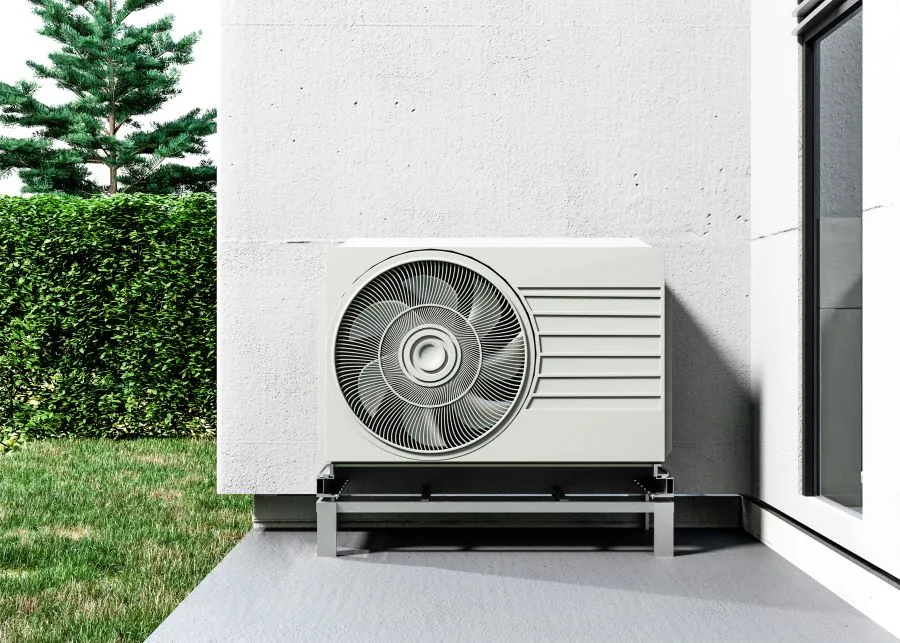
Air Handler Configurations
Horizontal Units
Horizontal air handlers are designed to be installed in tight spaces such as attics or crawl spaces, where vertical clearance is limited. Their slim profile allows them to fit between joists, making them ideal for homes with constrained mechanical rooms. These units typically connect to low-profile ductwork that runs through ceiling cavities. Their compactness does not compromise airflow capacity, and they often include features like variable-speed blowers for quiet, efficient operation. Homeowners with limited space but a desire for ducted comfort find horizontal units an excellent fit. Installation should always be performed by licensed HVAC professionals to ensure proper airflow and refrigerant handling.Vertical Options
Vertical air handlers are commonly installed in closets or utility rooms with adequate floor-to-ceiling height. Their upright design facilitates easier access for maintenance and filter changes. These units often provide higher airflow rates and larger filtration options, making them suitable for larger homes or commercial spaces. Vertical air handlers also simplify duct routing to multiple floors, enhancing zoning capabilities. For example, a multi-story home in Las Vegas might use vertical air handlers to serve both the main and upper floors efficiently.Ceiling Mount
Ceiling-mounted air handlers are favored for their ability to distribute air evenly across large spaces. Mounted flush with the ceiling, these units are nearly invisible and maintain clean interior aesthetics. They are particularly popular in open-concept homes and commercial settings where wall space is limited. Ceiling mounts also reduce noise perception since sound dissipates upward and away from occupants.Closet Installation
Installing air handlers in closets is a practical solution for homes lacking dedicated mechanical rooms. This option keeps equipment out of sight while providing easy access for maintenance. Proper ventilation and clearance are critical in closet installations to prevent overheating and ensure efficient operation. Homeowners should verify that the closet meets manufacturer specifications before installation.Attic Placement
Attic installations maximize living space by relocating equipment to unused areas. This is common in warmer climates like Las Vegas, where attics are often insulated and ventilated to reduce heat buildup. Attic placement requires careful duct design to minimize thermal losses. Insulated ducts and vapor barriers are essential to maintain efficiency and prevent condensation issues. Maintenance takeaway: Regular attic inspections help detect duct leaks or insulation damage early.Ductwork Design Principles
Pressure Limitations
Proper duct design begins with understanding pressure limitations. Mini split air handlers are designed for low static pressure, typically under 0.5 inches of water column. Exceeding this can reduce airflow and strain the blower motor. Designers must select ducts and fittings that minimize resistance. For example, using smooth, round ducts instead of flexible or rectangular ones reduces friction losses. This ensures the system delivers the intended airflow without excessive noise or wear.Run Length Guidelines
Long duct runs increase pressure drop, reducing system efficiency. Best practice limits individual duct runs to 25-50 feet depending on duct diameter and airflow requirements. In a Las Vegas home, keeping duct runs short helps maintain cooling performance during hot summer months. When longer runs are unavoidable, upsizing ducts or adding booster fans may be necessary.Sizing Calculations
Accurate duct sizing balances airflow needs with space constraints. Oversized ducts waste space and increase costs, while undersized ducts cause noise and poor air distribution. HVAC professionals use Manual D calculations to determine optimal duct dimensions based on airflow (CFM), velocity, and static pressure. This ensures each room receives the correct volume of conditioned air for comfort and efficiency.Turn Radius Rules
Sharp duct bends increase turbulence and pressure loss. Maintaining turn radii at least 1.5 times the duct diameter helps preserve airflow. For instance, a 6-inch duct should have bends with a radius of at least 9 inches. Gradual turns reduce noise and extend system lifespan by lowering blower strain.Register Selection
Registers control airflow delivery into rooms. Choosing the right size and type affects comfort and noise levels. Larger registers reduce velocity and noise but require adequate duct sizing. Adjustable registers allow homeowners to fine-tune airflow, balancing comfort across zones. For bedrooms, low-velocity registers are preferred to minimize drafts.Return Requirements
Return air pathways are as important as supply ducts. Properly sized returns prevent negative pressure, which can draw in dust and reduce system efficiency. Returns should be located near supply registers but away from obstructions. In multi-zone systems, dedicated returns for each zone improve performance and balance.Insulation Needs
Insulating ducts is critical in hot climates to prevent energy loss and condensation. R-6 insulation is standard for ducts in unconditioned spaces like attics. Proper insulation maintains air temperature, reducing the load on the mini split system and preventing moisture problems that can lead to mold growth. Maintenance takeaway: Inspect duct insulation annually and repair any damage promptly to sustain system efficiency.Ready for Efficient Comfort? The Cooling Company Can Help!
Learn about available rebates and incentives for new HVAC systems.
Need HVAC Service in Las Vegas?
The Cooling Company provides expert HVAC service throughout Las Vegas, Henderson, and North Las Vegas. Our licensed technicians deliver honest assessments, upfront pricing, and reliable results.
Call (702) 567-0707 or visit AC repair, maintenance, heating, or installation for details.