


Short answer: Las Vegas dust storms can push indoor PM10 levels to 185 micrograms per cubic meter — nearly 4x the EPA's 24-hour standard — even with windows closed. Upgrading to a MERV 13 filter, adding a standalone HEPA air purifier, and sealing duct connections are the three most effective steps to reduce indoor particulate matter in desert homes.
What Is Particulate Matter and Why Does It Matter?
Particulate matter (PM) refers to tiny solid particles and liquid droplets suspended in the air. Two categories matter most for indoor air quality:- PM10 — Particles 10 micrometers or smaller. These include visible dust, pollen, and mold spores. They irritate your nose, throat, and upper airways.
- PM2.5 — Particles 2.5 micrometers or smaller, roughly 30 times thinner than a human hair. These are the dangerous ones. They bypass your nose and throat and lodge deep in lung tissue. Long-term exposure is linked to asthma, cardiovascular disease, and premature death.
Where Las Vegas Particulate Matter Comes From
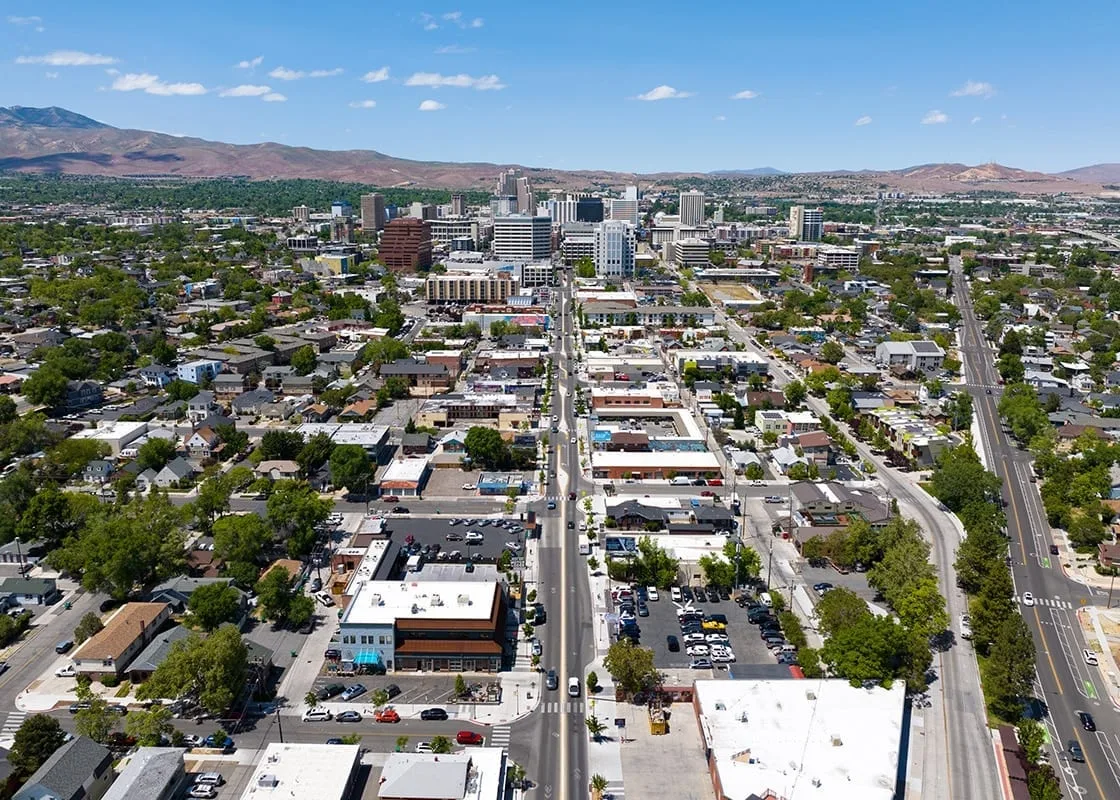
Every metro area has particulate sources, but the Mojave Desert adds problems you will not find in Houston or Charlotte. Here are the primary contributors: Dust storms and wind events. Las Vegas sits in a basin surrounded by mountains, and when spring and summer winds pick up, they carry fine desert soil across miles of undeveloped land. A moderate dust storm can push outdoor PM10 above 300 micrograms per cubic meter in under an hour. That dust does not stay outside. It enters through door seals, garage connections, and return air intakes. Construction activity. The Las Vegas valley added over 14,000 new housing units in 2023 alone. Every grading operation, concrete pour, and demolition sends silica-rich dust into the surrounding neighborhoods. Homes within a half-mile of an active construction site consistently show indoor PM10 levels 40-60% higher than homes in established neighborhoods with the same HVAC equipment. Wildfire smoke. Western wildfire seasons have grown longer and more intense. When fires burn in California, Utah, or northern Nevada, prevailing winds carry PM2.5-heavy smoke directly into the Las Vegas valley. During the 2020 and 2021 fire seasons, Las Vegas AQI readings exceeded 200 on multiple days, pushing dangerous fine particulate deep into homes through every air exchange. Vehicle exhaust and road dust. The I-15 corridor, Las Vegas Boulevard, and surface streets produce a steady stream of PM2.5 from diesel exhaust, tire wear, and brake dust. Homes near major roadways — particularly those within 500 feet of the freeway — face chronic fine particulate exposure that does not depend on weather events. Indoor sources. Cooking (especially gas stoves and high-heat frying), candles, incense, tobacco smoke, and even vacuuming with a non-HEPA vacuum all generate particulate matter that adds to whatever the desert is already sending through your walls.How Particulate Matter Gets Inside Your Home
Even with doors and windows shut, your home exchanges air with the outdoors constantly. The average Las Vegas home has 0.5 to 1.0 air changes per hour through gaps in the building envelope — door frames, window seals, recessed lighting penetrations, and plumbing and electrical chases. Your HVAC system accelerates the process. Most residential systems pull return air from inside the home, but the ductwork that runs through your attic or crawlspace can develop leaks at joints and connections. In a Las Vegas attic that hits 150 degrees in July, duct tape adhesive fails, mastic cracks, and those leaks pull attic air — loaded with dust — directly into your supply stream. A duct leakage rate of 20-30% is common in homes that have never had their ductwork sealed, and every cubic foot of leaked air carries desert particulate with it.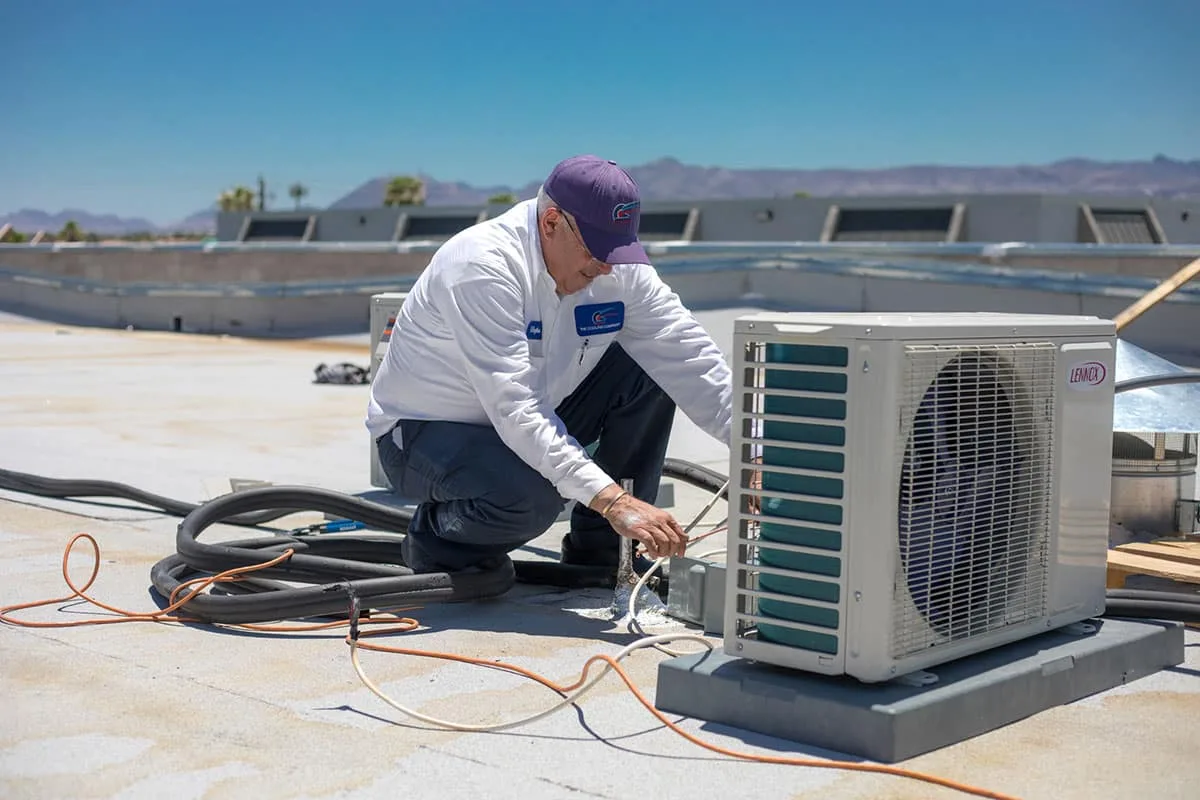
HVAC Filtration: Your First Line of Defense
Your HVAC filter is the single most important tool for controlling indoor particulate matter, and it is the one most Las Vegas homeowners get wrong. The key metric is the MERV rating — Minimum Efficiency Reporting Value — which measures how effectively a filter captures particles of different sizes. Here is a practical breakdown:- MERV 1-4 (basic fiberglass) — Catches large debris like lint and carpet fibers. Stops almost nothing in the PM10 range and zero PM2.5. This is the filter most builders install at move-in. It protects the equipment, not your lungs.
- MERV 8 (pleated) — Captures about 70% of PM10 and 20% of PM2.5. A significant improvement over fiberglass and a reasonable minimum for Las Vegas homes.
- MERV 11 (high-capacity pleated) — Captures 85% of PM10 and roughly 65% of PM2.5. This is the sweet spot for most residential systems in our market. It provides strong filtration without choking airflow on standard equipment.
- MERV 13 (hospital-grade residential) — Captures over 90% of PM10 and about 85% of PM2.5. Outstanding performance, but your blower motor and ductwork need to support the added resistance. Not every system can handle it.
- MERV 16+ / HEPA — Used in hospitals and clean rooms. These filters create too much static pressure for most residential HVAC systems and can damage your blower motor or freeze your evaporator coil if installed without system modifications.
Air Purifiers: Catching What Your Filter Misses
Even a MERV 13 filter will not capture everything. PM2.5 from wildfire smoke, cooking, and vehicle exhaust is small enough to pass through many pleated filters, especially as the filter loads and air bypasses around the edges. A whole-home air purifier installed in your ductwork provides a second stage of filtration that targets these fine particles. The most effective residential systems use one of three technologies: Media air cleaners. These are essentially oversized, high-efficiency filters housed in a cabinet mounted on your return duct. They hold more surface area than a standard 1-inch filter slot, which means they can capture more particulate without restricting airflow. A 4-inch or 5-inch media filter rated MERV 16 can catch over 95% of PM2.5 while maintaining acceptable static pressure. Electronic air cleaners. These use an electrical charge to attract and capture particles onto metal collector plates. They are effective down to 0.1 micrometers and do not restrict airflow the way dense media filters can. The trade-off is maintenance — the collector plates need to be cleaned every 1-3 months, and some models produce trace amounts of ozone. UV-C and photocatalytic systems. These target biological particulate — mold spores, bacteria, and viruses — rather than mineral dust. They are a useful complement to mechanical filtration in Las Vegas homes, particularly during monsoon season when humidity spikes can encourage biological growth in ductwork. For wildfire smoke events, a portable HEPA air purifier in the bedroom provides immediate relief. Look for units rated for at least 200 square feet with a CADR (Clean Air Delivery Rate) of 150 or higher for smoke. Run it on high during active smoke events and on low overnight.Ventilation: Balancing Fresh Air and Filtration
Ventilation is a balancing act in the desert. You need fresh air exchange to dilute indoor pollutants like CO2, VOCs, and cooking emissions. But every cubic foot of outdoor air you bring in carries desert particulate with it. The wrong approach: opening windows during a dust storm or on a high-AQI day. The right approach: controlled mechanical ventilation with filtration. An energy recovery ventilator (ERV) or heat recovery ventilator (HRV) pulls in filtered outdoor air while exhausting stale indoor air, and it recovers 70-80% of the energy from the outgoing air stream. In Las Vegas, an ERV is the better choice because it also manages humidity transfer, which matters during monsoon season. If a full ERV installation is not in the budget, these ventilation practices will help:- Run kitchen and bathroom exhaust fans during and for 15 minutes after cooking or showering. This removes particulate at the source before it spreads through your ductwork.
- Check the Clark County AQI forecast before opening windows. Open windows only when AQI is below 50 (Good) and there is no active dust advisory.
- Set your HVAC fan to "on" rather than "auto" during dust events. This keeps air circulating through your filter continuously, even when the system is not actively heating or cooling. On a MERV 11 filter, continuous fan operation can reduce indoor PM2.5 by 30-50% compared to running the fan only during cooling cycles.
- Seal the garage-to-house door. Vehicle exhaust, stored chemicals, and dust tracked in on tires make the garage one of the dirtiest air spaces in the house. A weatherstripped, self-closing door between the garage and living space blocks a major particulate pathway.
Duct Cleaning and Sealing: Stopping the Hidden Source
Your ductwork is both a distribution system for conditioned air and, if neglected, a reservoir for years of accumulated dust. In Las Vegas attics, where summer temperatures bake ductwork for months, dust bonds to interior surfaces and becomes difficult to remove with airflow alone. Professional duct cleaning uses negative-pressure vacuums and rotary brushes to physically remove this buildup. For Las Vegas homes, we recommend duct cleaning every 3-5 years, or sooner if you notice visible dust at your registers, musty odors when the system starts up, or if you have completed a remodel that generated drywall or concrete dust. Equally important is duct sealing. Leaky ducts in an attic pull in unfiltered attic air — air that contains insulation fibers, rodent dander, and concentrated desert dust. Sealing duct joints with mastic or aerosol sealant can reduce duct leakage from 30% to under 5%, which improves both air quality and energy efficiency. Most homeowners see a 15-20% reduction in cooling costs after a professional duct sealing job, on top of the air quality improvement.Practical Steps You Can Take This Week
You do not need to overhaul your entire HVAC system to see improvement. Start with these steps:- Check your current filter. Pull it out and look at the MERV rating printed on the frame. If it says MERV 1-4 or has no rating, replace it with a MERV 8 or MERV 11 pleated filter today. Cost: $8-$20 at any hardware store.
- Set a filter reminder. Put a recurring monthly reminder on your phone. In Las Vegas, you will almost certainly need to replace every 30-60 days from March through November.
- Inspect your registers. Remove a supply register and look inside the duct with a flashlight. If you see a visible layer of dust or debris, schedule a professional duct cleaning.
- Seal obvious gaps. Run your hand along the garage-to-house door, attic access panel, and window frames. If you feel air movement, apply weatherstripping or caulk. A $15 roll of weatherstripping can block a surprising amount of particulate infiltration.
- Monitor your air. A portable PM2.5 monitor costs $80-$200 and gives you real-time data on your indoor air quality. Knowing your baseline helps you measure whether upgrades are working.
Frequently Asked Questions
What MERV rating should I use in my Las Vegas home?
MERV 11 is the best starting point for most Las Vegas residential systems. It captures 85% of PM10 and roughly 65% of PM2.5 without excessive airflow restriction. If your system has a variable-speed blower and properly sized ductwork, you may be able to run MERV 13, but have a technician check your static pressure first. Running a filter that is too restrictive can damage your compressor and freeze your evaporator coil.
How often should I change my air filter in the Las Vegas desert?
Every 30-45 days during peak dust season (March through June and September through November). During calmer winter months, you may get 60-90 days from a pleated filter. Check it monthly regardless — if it is visibly gray or dark, replace it. A clogged filter reduces airflow, increases energy costs, and can actually make your indoor air worse by forcing air to bypass the filter entirely.
Do portable air purifiers help during wildfire smoke events?
Yes, significantly. A portable HEPA air purifier with a CADR of 150 or higher for smoke can reduce PM2.5 in a bedroom-sized room by 80% or more within 30 minutes. During active wildfire smoke events, close all windows, set your HVAC fan to "on" for continuous filtration, and run a portable HEPA unit in the room where you spend the most time — usually the bedroom.
Is duct cleaning worth it in Las Vegas?
Yes, particularly if your ducts have not been cleaned in five or more years, if you have completed a home renovation, or if you see visible dust buildup at your supply registers. Las Vegas ductwork accumulates mineral dust faster than homes in humid climates because the dry, fine desert soil does not clump — it stays airborne longer and penetrates deeper into duct interiors. Professional duct cleaning typically costs $300-$600 for a whole home and removes pounds of accumulated particulate.
Can I reduce indoor particulate matter without replacing my HVAC system?
Absolutely. The biggest gains come from three low-cost changes: upgrading your filter from fiberglass to MERV 11 pleated ($8-$20), sealing air leaks around doors and attic access points ($15-$50 in weatherstripping), and running your HVAC fan continuously during dust events (no cost beyond a modest increase in electricity). These three steps alone can cut indoor PM2.5 levels by 40-60% without any equipment changes.
Need HVAC Service in Las Vegas?
The Cooling Company provides expert HVAC service throughout Las Vegas, Henderson, and North Las Vegas. Our licensed technicians deliver honest assessments, upfront pricing, and reliable results.
Call (702) 567-0707 or visit indoor air quality, air filtration, air purification, or duct cleaning for details.