

Short answer: Learn HVAC maintenance tips for Boulder City furnace installations and get fast local quotes from vetted pros, then compare bids today.
Expect mid-efficiency gas furnaces to often deliver the best upfront value for Boulder City climate. In many homes here, annual heating hours are modest, so the extra cost of a high-end condensing furnace does not always return its premium in fuel savings.
Key Takeaways
- Use a room-by-room Manual J load calculation (not a square-foot rule).
- Select equipment with Manual S and verify ducts with Manual D for comfort and efficiency.
- Avoid oversizing: short-cycling wastes fuel and can create uneven temperatures.

Why replace your furnace now?
Planned replacement reduces the chance of emergency failure on a freezing night. Older furnaces often fail at the worst times and in costly ways. Replacing on a planned schedule lets you choose timing, manage permits, and avoid urgent labor premiums. A planned job also lets you schedule tests and corrections instead of paying for temporary heaters or rush service.
A correctly installed new furnace improves comfort and safety. Modern units run quieter, cycle less, and have improved controls. When combustion appliances are installed and set up correctly, the risk of carbon monoxide events drops. Homeowners gain peace of mind when they receive written combustion testing and a clear warranty packet.
What signs indicate you need replacement?
Watch for rising fuel bills, uneven heating between rooms, frequent pilot or ignition failures, and repeated component repairs. If a unit requires frequent service or shows diminishing performance across seasons, replacement often costs less over the next several years than continued repairs.
If a heat exchanger shows corrosion, rust through, or cracking, stop using the unit and get an inspection immediately. Heat exchanger failure can allow combustion gases into the living space and is a serious safety issue.
How does unit age affect safety?
As furnaces age, controls and draft mechanisms can wear out. Safety interlocks may fail intermittently. Worn burners and venting can increase the chance of spillage or reduced draft, which raises CO risk. Older units lack modern safety interlocks and efficient combustion designs.
Replace units older than 15 to 20 years or those with recurring safety faults. If you see soot, rust, or persistent odors, arrange for a combustion test and an evaluation by a licensed pro. Written testing records help document condition for resale or insurance purposes.
Benefits of planned replacement and documentation
A planned replacement allows you to select equipment to match your long-term goals and to complete all required permit work. You will receive commissioning documents, analyzer outputs, and a signed inspection that support warranties and future service needs.
Keeping those documents with other appliance records makes future troubleshooting and resale easier. Buyers and inspectors will value a clear paper trail showing proper design and testing.
How much does installation cost?
Installed furnace costs vary by equipment choice, labor, and site-specific work. Typical ranges for this region fall roughly between three thousand and seven thousand five hundred dollars. Mid-efficiency gas furnaces commonly sit near the lower end, while condensing furnaces with Category III or IV venting and condensate routing push costs higher.
Final price depends on duct work, gas line updates, venting type, and permit fees. Older homes may need gas piping upgrades, new plenums, or duct modifications that add labor and material. Ask for an itemized quote that lists model numbers, labor hours, and each line item so you can compare offers accurately.
What affects furnace cost in Boulder City?
Local labor rates, seasonal demand, and part availability all influence price. Extra materials like corrosion-resistant venting or condensate drains for condensing units add cost. Duct sealing or replacement and gas meter or piping upgrades can add several hundred to several thousand dollars depending on scope.
If your home is older, expect higher retrofit costs. Older framing and unusual vent routes can require custom metalwork or additional insulation. Request documented allowances for unknowns in the estimate so change orders are predictable.
How do heating degree days affect choice?
Heating degree days measure how much heating a location typically needs. Fewer heating degree days mean lower annual run hours, and that reduces the fuel savings available from higher AFUE equipment. In mild climates, the payback period for a premium condensing furnace can extend beyond the appliance service life.
Use local HDD values and your recent bills to estimate seasonal run hours and the dollar savings between options. That practical estimate helps decide whether higher initial costs are justified by operating savings.
When does high AFUE pay back?
High AFUE models pay back faster when a house uses lots of heat because they save more fuel each hour of operation. Poor insulation, large single-pane windows, or a large volume to heat increase run hours and shorten payback. Rising gas prices also improve payback math.
If you plan to stay in the home long term or if you are already taking other envelope measures, a high-AFUE unit may be a better choice. Otherwise, a mid-efficiency unit may give better total value for this climate.
How to size a furnace correctly?
Correct sizing prevents short cycling and poor comfort. Oversized units short cycle, which wastes fuel and increases wear. Undersized units run continuously and may not meet comfort needs on the coldest nights. Use established load calculation methods and avoid rule-of-thumb sizing.
Manual J is the industry standard for heat-loss calculations. Manual S uses the load to select equipment, and Manual D covers duct design. Require contractors to provide signed load calculations and equipment selection reports to avoid guesswork and to protect your investment.
What is Manual J and why ask for it?
Manual J calculates heat loss for each room and for the entire house. It accounts for insulation, windows, orientation, and local design temperatures. A signed Manual J report shows the design BTU per hour load and reduces the chance of oversizing.
Having the Manual J helps you compare bids and ensures equipment is sized to actual loss rather than installer habit or marketing claims. Treat a missing Manual J as a significant omission in a proposal.
How does Manual S select equipment?
Manual S takes the Manual J load and matches it to specific equipment models and part-load performance. It factors in blower selections, staging, and part-load efficiency to pick a unit that will run well at typical conditions.
Using Manual S helps avoid short cycling and improves comfort. It also informs decisions about two-stage or modulating units when load variation is wide.
How to avoid oversizing and short cycling?
Require temperature-based load results and the exact calculated peak load, not rules of thumb. Compare recommended capacity to the Manual J peak load. If the recommended capacity is much higher than the load, ask why.
Choose two-stage or modulating equipment in homes with wide load swings. These units match output to demand and reduce short cycling, improving efficiency and comfort.
Who performs a load calculation?
A licensed HVAC contractor or a certified load-calculation professional performs Manual J. Some firms use third-party engineers or software tools like Wrightsoft or Cool Calc to create the report. Ask for the software or the professional who signed the report.
Include the full report with any written quote. If a contractor resists including the load report, obtain another bid that provides it in writing.
Can a contractor skip Manual J?
Some contractors skip Manual J to speed sales or to push larger units. Skipping the load calculation risks oversizing, poor comfort, and warranty disputes. If a contractor resists, get at least one bid that includes the full Manual J report.
Documenting the load calculation is a key part of responsible design and helps avoid later disputes about performance.
Ask a qualified HVAC pro to document the sizing calculation and assumptions
Ask a qualified HVAC pro to document the sizing calculation and assumptions involves several important factors that homeowners should understand. Working with a qualified HVAC professional ensures you get accurate information tailored to your specific situation and local requirements.
Request written documentation of the sizing assumptions and design temperatures. Keep the report with your home records. Clear documentation protects you and helps when future service or resale occurs.
What installation steps do contractors follow?
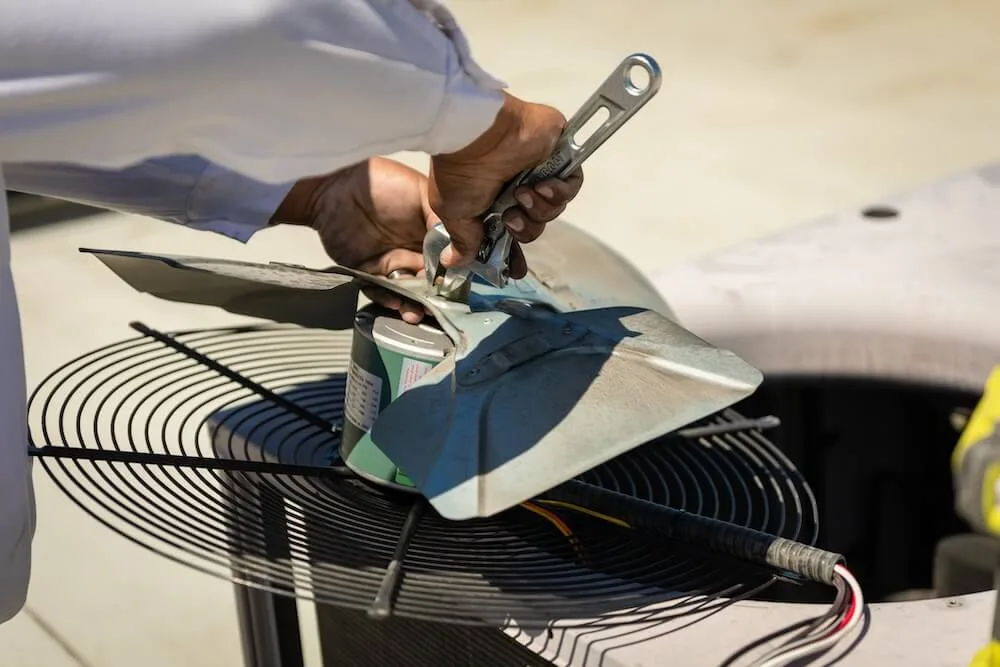
A professional install follows a standard sequence: site assessment, permit pull, old unit removal, system modifications, installation, startup, and commissioning. Each step should comply with local code and the manufacturer installation instructions.
Technicians record combustion safety numbers, airflow measurements, static pressure, and thermostat wiring during commissioning. These measured values should be provided to the homeowner in a commissioning packet that becomes part of the appliance record.
What permits are required in Boulder City?
Mechanical, gas, and electrical permits are typically required for furnace replacements in Boulder City and Clark County. Permits ensure that installations meet local code and safety standards. Fees and inspection schedules vary based on scope.
Contractors should obtain permits and arrange inspections. Ask for permit numbers before work begins and keep signed inspection reports with your home files when the job completes.
How long does installation usually take?
A straight replacement typically takes one to two workdays. Complex installs that require new ducts, gas piping, or vent reroutes often take three to five days. Allow extra time for required inspections and for seasonal contractor backlogs.
Plan accordingly so you are not left without heat while waiting for remedial work or inspector availability.
What ventilation and combustion checks are done?
Technicians test draft, vent integrity, combustion air supply, and combustion analysis at high and low fire. They confirm sealed combustion operation when present and verify that vent terminations and clearances follow code and manufacturer guidance.
Combustion analyzer outputs and CO meter checks are standard results. Request those documents in writing and keep them with other system records.
Which furnace type is right?
The right furnace depends on fuel prices, your home envelope, and long-term goals like electrification. In Boulder City, lower heating hours often make mid-efficiency gas furnaces attractive for upfront value. Energy-efficiency upgrades to insulation and ducts can change the best equipment choice for your home.
Heat pumps have improved and may beat gas on operating cost where electricity rates or rebates favor them. Consider life-cycle costs that include local HDD, rebate programs, and expected maintenance when deciding between gas, electric, or hybrid systems.
Learn about available rebates and incentives for energy-efficient HVAC equipment.
Gas condensing vs mid efficiency: which is better?
Condensing furnaces reach higher AFUE but need specialized venting and condensate drainage. Those requirements raise installation cost and add material complexity. For homes with low heating hours, the premium for condensing technology may not recoup before replacement becomes necessary.
For typical system costs, see our HVAC cost guide.
Mid-efficiency furnaces often offer lower upfront cost and simpler venting. They can be the best choice where annual heating use is modest and first-cost is a priority.
When does an electric heat pump make sense?
Heat pumps make sense when electricity rates, rebates, or a policy to electrify reduce operating cost. Modern cold-climate heat pumps can perform well in mild winters, but duct leakage and insulation quality strongly affect performance.
If you are considering a heat pump, assess duct condition and consider integrating a backup heat source for very low temperatures if your climate requires it.
How to evaluate contractor bids
Choose a contractor who documents every design decision and testing result. Compare bids that include Manual J and Manual S reports, permit handling, combustion testing, and a commissioning checklist. Look for clearly stated warranty terms and payment schedules.
Request three on-site bids with written reports. Make sure each contractor uses the same design conditions and equipment options. That makes it possible to identify missing items and hidden costs between proposals.
How do you get multiple local quotes?
Ask neighbors and local community groups for referrals and call three contractors to request on-site assessments. On-site visits reveal duct issues, vent routes, and gas line needs that affect price and scope. Avoid accepting online-only estimates without a site survey.
Make appointments close in time so each contractor sees the same conditions and timing.
What must an itemized estimate show?
An itemized estimate should list model numbers, AFUE, labor hours, permit fees, and all major parts such as plenums, gas piping, condensate routing, and venting materials. It must show a clear payment schedule and allowances for unknown conditions.
Require change orders to be written and signed before extra work begins. That prevents disputes and keeps project costs transparent.
How to compare equipment and labor costs?
Compare total installed price and included services, not just the headline number. Note differences in blower motors, controls, venting material, and included commissioning tasks. Ask each bidder for lifecycle cost estimates using local HDD and your recent bills to see long-term value.
Confirm whether permits and inspection fees are included or billed separately and request proof of licensing and insurance. A reliable contractor will provide license numbers and insurance certificates without delay.
Call The Cooling Company at (702) 567-0707 for fast, on-site assessments and written quotes if you are in the Las Vegas area. We serve Las Vegas, Henderson, and North Las Vegas and can help with permit handling, NV Energy rebate applications, and financing options. Our crews provide commissioning checklists and leave analyzer outputs and permit sign-offs.
If you live outside our service area, ask contractors for NATE-certified technicians and require Manual J, combustion testing, and permit pulls. Always get combustion analyzer outputs and signed inspection reports before final payment.
Related reading: Residential Furnace Installation Las Vegas Guide | Residential Furnace Installation Spring Valley | Furnace Installation Las Vegas
Related service: Planning a furnace installation in Las Vegas? Explore our furnace repair and heating services for Las Vegas homeowners.
Need HVAC service help in Las Vegas?
If you're facing an HVAC emergency in Las Vegas, Henderson, or North Las Vegas, The Cooling Company offers fast, reliable service from licensed technicians. We understand that heating and cooling emergencies don't wait for business hours.
Call us now at (702) 567-0707 for emergency service. Our team is ready to help restore your comfort quickly and safely.
About The Cooling Company
The Cooling Company has been serving the Las Vegas valley with professional HVAC services for over a decade. Our team of licensed, NATE-certified technicians specializes in air conditioning repair, heating system maintenance, and complete HVAC installations. We're committed to providing honest, reliable service with upfront pricing and a 100% satisfaction guarantee on all work performed.
- Phone: (702) 567-0707
- Reviews: 4.8/5 stars (780+ reviews) - See reviews
Service Areas
We proudly serve homeowners and businesses throughout the Las Vegas metropolitan area, including Las Vegas, Henderson, and North Las Vegas. Our service technicians are available for same-day appointments in most areas, with emergency service available 24/7 for urgent HVAC issues.
Sources and further reading
- Energy.gov – HVAC Efficiency Basics
- EPA Indoor Air Quality (IAQ)
- ASHRAE Technical Resources
- For local product failure examples see this resource on specific brand concerns: ruud furnace problems
- For troubleshooting smells and diagnostic steps, see troubleshooting hvac odors
- For local repair and Trane service options, see trane furnace repair henderson
- U.S. Department of Energy (Energy.gov) (accessed 2026-01-02)
- U.S. Environmental Protection Agency (EPA) (accessed 2026-01-02)
- ASHRAE (Standards and guidance) (accessed 2026-01-02)
- ENERGY STAR (Heating & cooling) (accessed 2026-01-02)
Need HVAC Service in Las Vegas?
The Cooling Company provides expert HVAC service throughout Las Vegas, Henderson, and North Las Vegas. Our licensed technicians deliver honest assessments, upfront pricing, and reliable results.
Call (702) 567-0707 or visit heating, furnace repair, heating maintenance, or heat pump installation for details.