

Key Takeaways
- Mount thermostats 48 to 60 inches above the finished floor on a shaded interior wall for the best reading.
- Keep devices at least 3 feet from supply vents and 6–10 feet from ovens or direct sun.
- Add remote sensors or zoning for west-facing rooms, multi-level homes, and large open plans.
- Expect roughly 8–12% combined heating and cooling savings from better controls, placement, and good scheduling.
Where should you place a thermostat in Las Vegas?
Short answer: Pick a central living area that reflects where people spend most time. Avoid hallways that see short air pulses from many rooms. Choose a wall that stays shaded during the hottest afternoon sun in Las Vegas.
Why is placement critical in Las Vegas?
Las Vegas summers create long runs for air conditioners and big solar loads on west walls. Small sensor biases can add many runtime hours over the season. That raises energy costs and speeds wear on the compressor. Even two or three degrees of bias can matter. That extra runtime translates into higher bills and a higher chance of mid-summer failures. Correct siting cuts those risks and improves comfort where people live.What height is ideal for thermostats?
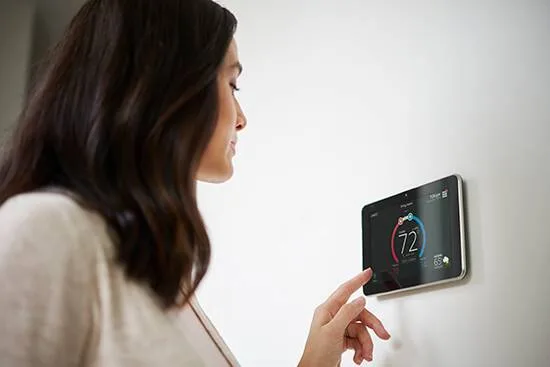
Mount thermostats 48 to 60 inches above the finished floor. That height sits in the occupied zone where people feel temperature most. It avoids reading the warmer air near the ceiling or the cooler air at floor level. Aim for a middle height on a flat wall and keep the sensor free of furniture or curtains. A consistent height across installations helps techs and homeowners compare readings and tune the system reliably.How far from windows and doors should it be?
Keep the thermostat at least 6 to 10 feet from sun-facing glass and 3 to 6 feet from exterior doors. Direct sun or door drafts cause quick swings that confuse the controller. That leads to unnecessary cooling cycles and comfort issues. If your floor plan forces closer placement, add a shade or consider a remote sensor. Blocking direct sun or averaging sensors reduces the impact of brief heat pulses from doors or windows in use.Should thermostats be on interior or exterior walls?
Interior walls usually give the best, most stable readings. Exterior walls face thermal bridges, insulation gaps, and direct solar gain. Those factors make an exterior-mounted thermostat read too hot or too cold for the room core. If you must use an exterior wall, pick a north- or east-facing side. Those faces get less intense afternoon sun in this climate. Also add sensor averaging if the wall is thin or under-insulated.Can direct sun or heat lamps bias readings?
Yes. Direct sun hitting the stat or a nearby lamp can raise the local air and surface temperature quickly. That makes the thermostat call for extra cooling even when the rest of the room is fine. Shade the area or move the thermostat to a shaded interior wall to prevent bias. Small changes like blinds or a different wall often fix persistent comfort complaints without major cost. (ASHRAE Technical Resources)How does placement affect cooling bills?
Wrong placement makes the AC work harder and longer than needed. In Las Vegas, longer runtime directly adds to electric use and peak demand. That can show up as higher monthly bills and higher summer peaks. Correct placement cuts false calls for cooling and trims runtime. Those savings also reduce start-stop cycles on the compressor. Fewer cycles usually mean lower repair costs and a longer service life.How much can placement cut cooling costs per DOE?
DOE and ENERGY STAR research suggests smart control and good placement yield about 8–12% combined heating and cooling savings. That range includes proper siting, setback schedules, and smarter runtime control. In many homes a 10% target is reasonable. In Las Vegas most of that benefit shows up on cooling bills, since summers dominate energy use. Actual savings vary by house, insulation, and occupant habits.What are realistic energy savings estimates?
Fixing a badly placed stat often yields 5–10% cooling savings in typical homes. Adding sensor averaging or zoning for tough sun loads can push savings higher. Equipment efficiency and occupant habits shape the final number. If a home has oversize AC or many west-facing rooms, savings tend to be larger. Always compare estimated savings to upgrade costs before making a major change like zoning.How do CDD65 and Las Vegas climate affect sizing?
Las Vegas has high cooling degree days near 3,200–3,600 CDD65. That means long, hot summers and lots of AC hours. Poor thermostat placement worsens this heavy load and raises bills. Design choices must reflect local climate. In high CDD areas, sensor averaging and zoning help keep one sunny room from driving whole-home cooling. Local data guides sensible upgrades.When should you choose a smart thermostat?
Pick a smart thermostat when you want better schedules, remote sensors, or cloud-based control. Smart units often include adaptive recovery, geofencing, and multi-sensor support. These features fit long Las Vegas cooling seasons. Make sure the model supports the number of remote sensors you need. Also confirm wiring compatibility and any utility rebate rules before buying. That avoids wasted cost and fit issues.Which features matter for hot climates?
Look for multi-sensor averaging, compressor protection, and adaptive pre-cooling. These settings help prevent a single hot spot from causing extra whole-home cooling. Humidity sensing also helps comfort without overcooling. A clear deadband control and the ability to set minimum runtimes protect compressors. That reduces short cycling and keeps repairs and energy use lower over time.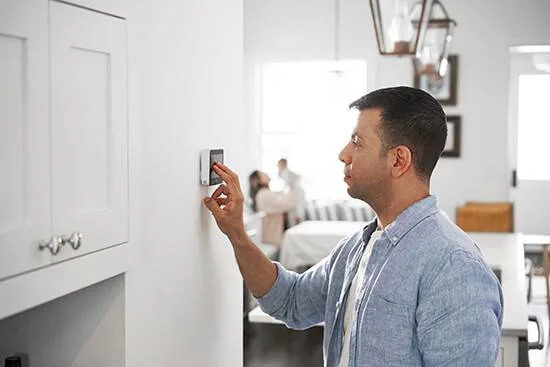
When should you add remote sensors or zoning?
Add remote sensors if one thermostat cannot represent multiple occupied areas. Large open plans, multi-level homes, and west-facing rooms benefit most. Sensors give a blended input that avoids overcooling one spot. Choose zoning when rooms have distinctly different loads and use patterns. Zoning lets you cool only the rooms in use. That reduces total runtime and lowers peak demand during summer heat.Do remote sensors improve comfort in big homes?
Yes. Remote sensors placed in key rooms give the controller a realistic average of occupied spaces. That reduces hot and cold spots and keeps the most-used rooms comfortable. Wireless sensors are common and usually simple to add. Check thermostat specs for supported sensor count and the method used to average or prioritize readings.How to place sensors for balanced readings?
Place sensors at about 48 to 60 inches high in the main occupied area of each room. Keep them away from vents, windows, and direct sun. Center placements often work best for even sensing. Avoid corners and locations behind furniture where air can stagnate. Spread sensors in rooms that see different sun loads, such as a west-facing living room and a shaded bedroom. (ASHRAE Technical Resources)Can zoning reduce runtime in Las Vegas?
Zoning can cut runtime by cooling only occupied areas during hot months. That lowers electricity use and peak load. In Las Vegas this often gives a good payback because cooling dominates use. Design zones around daily routines: living areas by day and bedrooms by night. Proper damper sizing and control logic are essential to avoid airflow imbalance and comfort issues.What wiring or power options are required?
Many smart thermostats require a common C wire for reliable power. Wireless sensors usually run on batteries. Zoning needs low-voltage control wiring to zone dampers and a control board. If your home lacks a C wire, you can add one or use a power adapter. A pro can run new conductors if walls are finished and wiring access is limited.Should you use existing thermostat wiring?
Use existing wiring if it meets the new thermostat's power and signal needs. Older stats often have only two or four wires. Confirm compatibility before purchasing a smart model to avoid surprises. Label wires before disconnecting and test with a low-voltage meter. That makes a swap smoother and reduces the chance of miswiring the equipment.When is pro relocation recommended?
Hire a licensed HVAC tech when you need new low-voltage routes, zoning dampers, or when you are uncomfortable with wiring. Professionals handle code, wire routing, and proper equipment matching. Call a pro for complex integration like building automation or commercial controls. Licensed contractors reduce risk of damage and ensure the system meets local rules.What are common placement mistakes?
Common mistakes include mounting over return grilles, on west exterior walls, or above ovens. Those spots bias the sensor and force extra cooling. Installers sometimes choose the easiest wall instead of the best one. Another error is placing the thermostat too close to supply vents or direct sun. Both make the controller misread room conditions. Fixing placement often resolves many comfort complaints quickly.How to test if current placement is wrong?
Use a calibrated thermometer to compare the thermostat reading to the main living area. Record readings at peak heat times in the afternoon. Large consistent differences suggest placement bias. Also watch HVAC behavior for short cycles or long runs at odd hours. Those patterns point to a sensor mismatch between the stat and the occupied zones.What simple DIY checks can homeowners do?
Check for heat sources near the thermostat such as lamps, appliances, or sun on the wall. Note if hallways feel different from living rooms during the day. A quick visual check can reveal obvious problems. Use an infrared thermometer or a small room thermometer to compare readings at 48 to 60 inches in key rooms. Differences over 2–3°F often mean the thermostat is in a biased spot.How to use a thermometer for spot checks?
Place a reliable digital thermometer at the thermostat height in the living area and beside the stat. Close doors and let readings stabilize for 15 to 30 minutes. Record values during the afternoon peak. If the stat reads several degrees higher or lower than the living area consistently, consider moving the stat or adding sensors. Use the data when discussing fixes with a contractor.How to check and test placement?
Start with spot checks across rooms at peak load times. Note system cycling and room comfort. Use those notes to choose a new, representative location for the stat or to plan sensors. Retest after any change such as adding sensors or moving the stat. Confirm that readings align better and that cycling behavior improves. Document before-and-after values for rebate or warranty needs. (ASHRAE Technical Resources)How many remote sensors might a home need?
Small homes often only need one extra sensor beyond the main stat. Large open plans or homes with many sun-facing rooms commonly use three to six sensors. More sensors give finer control at higher cost. Prioritize sensors for rooms with distinct loads. For Las Vegas, give first priority to west-facing living rooms and upstairs zones that overheat in the afternoon.Where to place sensors for even coverage?
Place sensors about 48 to 60 inches high in the center of the main occupied zone. Keep them away from vents, direct sun, and corners that trap air. Even spacing across large spaces works best. In bedrooms, place sensors at the head-of-bed height if possible. Avoid locations behind curtains or where furniture blocks airflow to prevent misleading readings.Do smart thermostats need a C wire?
Many smart thermostats need a C wire for steady power. Without it, some units rely on batteries or power stealing. That can lead to intermittent operation or Wi-Fi dropouts. If your home lacks a C wire, consider having a pro run one. A reliable power source prevents resets and keeps advanced features functioning properly.How do learning thermostats adapt to bad placement?
Learning thermostats try to meet setpoints by adjusting runtimes. If the sensor reads wrongly, the unit will learn the wrong baseline. That can leave occupied rooms uncomfortable. Combine learning features with correct siting or remote sensors. That ensures the learning algorithm optimizes true comfort, not a biased reading.What role does calibration play?
Thermostats should read within about ±1°F of a calibrated reference. Sensors drift slowly with age. Calibration or replacement restores accuracy before considering major changes. Some smart models allow small user calibration tweaks. Use those options after verifying with a separate thermometer to ensure values match the lived space.Can placement reduce HVAC cycling?
Yes. Proper placement reduces false calls and short cycling. Setting minimum runtimes and compressor protection further cuts starts and stops. That saves wear on the compressor and lowers repair risk. If cycling continues after moving the stat, check for oversized equipment or airflow problems. Those issues often require pro diagnosis and fixes such as duct balancing.When should you trust a professional reading?
Trust a pro when you need airflow tests, load calculations, or thermal imaging. HVAC pros have tools like manometers and airflow meters that homeowners usually do not own. These tests identify issues beyond simple siting. Hire a licensed contractor for zoning, damper installation, or major rewiring. Certified techs ensure the work meets code and manufacturer requirements.What are signs of inaccurate thermostat readings?
Common signs include rooms that feel warm while the stat reads cool and frequent short on-off cycles. High bills without visible causes also point to sensor misreadings. Watch for rapid swings around the thermostat. A thermometer check helps confirm suspected errors. Use that evidence when planning relocation, sensors, or pro service.How to interpret temperature variance across rooms?
Expect some variance, but steady differences above 2–3°F need action. Map temperatures by room at peak times and note patterns such as consistent upstairs heat or west-room spikes. That map guides fixes. Use the map to decide on sensors, zoning, or duct corrections. Persistent west-room heat usually responds well to either sensor averaging or a dedicated zone. (ASHRAE Technical Resources)Can ENERGY STAR guidance help placement?
Yes. ENERGY STAR recommends interior mounting away from drafts and sun. Their guidance aligns with DOE research on thermostat savings. Following their tips also helps when applying for rebates. Their installer checklists include sensor use and scheduling tips. Use those resources when choosing a smart thermostat and planning an install.How does DOE guidance inform best practice?
DOE guidance highlights energy savings from proper thermostat control and siting. It recommends setbacks, sensor averaging, and good programming to reduce runtime. That fits well in hot climates with long cooling seasons. Use the DOE materials to estimate savings and to prepare documentation for rebates or audits. Their consumer tips are practical and simple to apply.What climate data from NOAA matters here?
NOAA climate normals show Las Vegas has high cooling needs and strong solar radiation. That data explains why correct thermostat placement gives a larger return here than in mild climates. Use local data to guide design choices. Contractors and utilities often use NOAA normals when sizing systems and recommending control strategies. Those numbers help predict payback on sensors and zoning.What maintenance helps sustain accuracy?
Keep the thermostat clean and free of dust and check wiring for loose terminals. Replace batteries yearly if the unit uses them. These small steps keep sensors reading correctly over time. Schedule seasonal HVAC tune-ups that verify calibration and airflow. Regular checks reduce drift and prevent comfort problems before they become costly.Call to action: Need a pro in Las Vegas?
If you live in Las Vegas, Henderson, or North Las Vegas and want a professional thermostat assessment, call The Cooling Company at (702) 567-0707. Our team offers on-site placement checks, sensor installs, zoning upgrades, and wiring work by licensed technicians. Outside our area, ask for NATE-certified technicians and verify smart-thermostat compatibility with your system. For Las Vegas metro service, reach The Cooling Company at (702) 567-0707 to schedule an assessment and discuss rebate-eligible installs.FAQs
Q: How high should a thermostat be mounted? A: Mount it 48 to 60 inches above the finished floor on an interior wall. That height matches the occupied zone where people feel temperature most. Q: Can direct sunlight ruin thermostat readings? A: Yes. Direct sun heats the local air and wall surfaces and causes false cooling calls. Shade the window or move the stat to a shaded wall. Q: Do smart thermostats fix bad placement? A: They help but cannot fully correct a biased sensor. Use remote sensors or relocate the thermostat to get reliable comfort across rooms. Q: How many sensors do I need for an open-plan home? A: Often three to six sensors give good coverage for large open plans. Focus on rooms with different sun loads and heavy occupancy. Q: Do I need a professional to relocate my thermostat? A: Simple moves within existing wiring reach can be DIY. Hire a pro for new wiring, zoning installs, or when you lack confidence with electrical work.About The Cooling Company
The Cooling Company has been serving the Las Vegas valley with professional HVAC services for over a decade. Our team of licensed, NATE-certified technicians specializes in air conditioning repair, heating system maintenance, and complete HVAC installations. We're committed to providing honest, reliable service with upfront pricing and a 100% satisfaction guarantee on all work performed.- Phone: (702) 567-0707
- Reviews: 4.9/5 stars (500 reviews) - See reviews
Service Areas
We proudly serve homeowners and businesses throughout the Las Vegas metropolitan area, including Las Vegas, Henderson, and North Las Vegas. Our service technicians are available for same-day appointments in most areas, with emergency service available 24/7 for urgent HVAC issues.References
Recommendations here align with ASHRAE comfort guidance, DOE and ENERGY STAR thermostat guidance, and NOAA climate normals for Las Vegas. For local design data consult NOAA NCEI normals. For rebate and installer rules check local utility program details.Related reading: Learn the basics in our thermostat placement guide, explore smart thermostat energy savings, or see our thermostat replacement cost and benefits guide.
Need HVAC Service in Las Vegas?
The Cooling Company provides expert HVAC service throughout Las Vegas, Henderson, and North Las Vegas. Our licensed technicians deliver honest assessments, upfront pricing, and reliable results.
Call (702) 567-0707 or visit AC repair, maintenance, heating, or installation for details.