

Short answer: Fast Trane furnace repair in Henderson includes safety checks, diagnostics, and clear written estimates. Technicians test burners, the heat exchanger, venting, and controls. They read error codes and confirm thermostat and filter status. Expect itemized pricing and NATE-certified techs for safe, documented repairs and same-day service. (ASHRAE Technical Resources)
See why homeowners trust us — view our industry awards and certifications.
Key Takeaways
- Expect a diagnostic fee of $75–$150 and parts ranged by type.
- Replace when repair costs exceed half the price of new equipment.
- Always ask for itemized estimates, parts warranty, CO testing, and NATE certification.
- The Cooling Company offers same-day service in Las Vegas, Henderson, and North Las Vegas.
What does a Trane furnace repair include?
A Trane furnace repair visit starts with a quick safety check and visual inspection. The tech will shut power, look for loose wiring, and check the gas valve and venting. They will then run the unit to capture live error codes and verify startup behavior. Next, the technician inspects combustion parts and airflow. They look at the ignitor, flame sensor, burners, and the heat exchanger. The blower, capacitor, and control board get checked. The tech notes any parts that need replacement and explains why each part matters to safety and comfort.How do I know if my Trane furnace needs repair?
No heat is the clearest sign a furnace needs work. Also watch for frequent on/off cycling, weak airflow, or odd smells at startup. If your bills jump without colder weather, that suggests a loss of efficiency or an electrical fault. Keep a short log of symptoms and times. Note error LED flashes and thermostat behavior. These small records help the tech find intermittent faults. A simple note often speeds diagnosis and saves you repair time.Can I check the filter and thermostat myself?
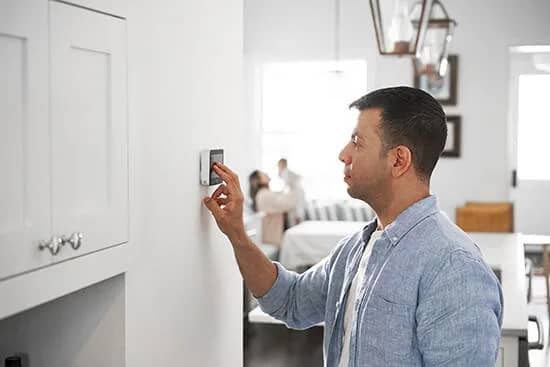
Yes, these are simple checks most homeowners can do safely. Turn the furnace switch off, slide out the filter, and inspect it. Replace very dirty filters with a compatible MERV-rated filter. Clean filters often restore airflow and reduce short cycling. Also check thermostat settings and batteries. Confirm the thermostat is set to heat and has the correct schedule. A loose wire or dead battery can make the furnace look broken when it is not.What common failures affect Trane furnaces?
Ignitors and flame sensors often fail on gas furnaces. Control boards can fail after power surges or age. Blower motors and belts wear and cause low airflow. Inducer motors and pressure switches are common trouble spots on high-efficiency models. Older units may show rust on burners or the heat exchanger. These wear items cause CO risk and lower efficiency. A targeted parts repair is common for units under 12 years old. Full replacement is more common as age passes 15 years.How much will a Trane repair cost in Henderson?
Repair cost depends on parts, labor, and access. Henderson labor rates often fall between $75 and $150 per hour. Diagnostic fees usually run $75–$150. Parts prices vary by model and supply. Your final bill reflects hours and parts used. Common small repairs such as sensors or ignitors usually cost $150–$450. Major parts like blower motors run $450–$1,200 installed. Control boards often run $200–$700. Prices rise for hard-to-reach units or older models that need special parts. (ASHRAE Technical Resources)What are typical Trane furnace repair Henderson prices?
Ignitor or flame sensor jobs often land in the $150–$450 range. Control boards are typically $200–$700. Inducer motors can be $250–$700 depending on the model. Blower motors or assemblies often run $450–$1,200 installed. Expect seasonal price swings and higher labor in extreme winter calls. Older units can cost more due to parts scarcity. Ask the tech for an itemized quote that lists parts, labor hours, and warranties to compare bids fairly.How much to replace a blower motor?
Blower motor replacement in Henderson typically runs $450–$1,200. The cost varies by motor type and whether it is an ECM or PSC motor. If the blower wheel, capacitor, or control module needs work, expect higher prices. Ask for the motor brand and warranty. Confirm whether the price includes testing and balancing the wheel. A quality motor with a good labor warranty saves headaches later.Are diagnostic fees and service calls charged?
Most contractors charge a diagnostic fee to cover travel and testing time. Many companies credit that fee toward the repair if you approve the work. Always confirm this policy before the technician starts the job. Ask what the diagnostic includes and whether written estimates are given on site. Written, itemized estimates reduce surprises on the final invoice. Also confirm any after-hours or emergency call fees.How does age affect repair vs replacement?
Furnaces commonly last 15–20 years with good care. If a unit is older than 15 years, repairs may only delay replacement. When repair costs exceed 50% of replacement, buying new usually makes more sense. Frequent breakdowns, poor heat balance, and rising fuel bills also point to replacement. New high-efficiency units can cut fuel use and often repay part of their cost over time.When is replacement better than repair?
Replacement is often the right choice for repeated failures or safety issues. If the heat exchanger is cracked, replacement is safer than repair. Also consider replacement when anticipated repair costs add up over a year. Comfort and efficiency goals matter too. New units give better control, quieter operation, and higher AFUE ratings. For homes with poor ductwork, replacement can include duct fixes that improve overall system performance.What repair frequency suggests replacement?
Two or more major repairs in a 12–18 month span is a common signal to replace. Rising repair costs and frequent service calls add stress and cost. Track invoices and note the age when talking to a contractor. If each repair is getting pricier, replacement can offer long-term savings. Use the repair history to compare total spend against a quoted replacement price and energy savings.How do I calculate life-cycle cost?
Add yearly fuel cost, expected repair bills, and remaining life to get lifecycle cost. Then compare that to replacement cost minus expected energy savings. Use local fuel rates and estimated heating hours for accuracy. A contractor can run a Manual J load and show expected fuel use. State energy calculators can also help. These numbers make the replace-or-repair choice clearer. Technical Resources](https://www.ashrae.org/technical-resources)) (ashraeDoes Trane warranty influence the decision?
Active factory warranties lower out-of-pocket costs for parts and sometimes labor. If your unit still has transferable warranty coverage, repairs can be far cheaper. Confirm warranty rules before hiring non-authorized techs. Some warranties require OEM parts and certified installers to remain valid. Ask the installer if their work affects warranty status and get that confirmation in writing with the estimate.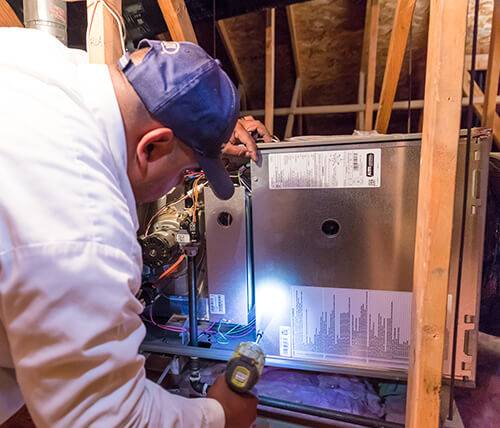
Can repairs extend the life of my Trane furnace?
Targeted repairs and regular tune-ups can add several years to a furnace life. Combustion tuning and airflow balancing reduce stress on parts. Change filters on a schedule and keep vents clear to help longevity. Still, expect diminishing returns after 15 years. Older systems need more parts and may lack modern safety features. Regular maintenance gives the best chance to stretch life while keeping the unit safe.What efficiency gains come with a new furnace?
New high-efficiency furnaces often save 10–30% on fuel versus older 80% AFUE units. Actual savings depend on local fuel prices and heating hours. Homes with long heating seasons see bigger dollar savings. Ask contractors for a projected annual fuel cost and a payback estimate. Those numbers help show whether a new furnace pays back over a realistic time.How will new code requirements affect replacement?
Local codes can change venting, combustion air, and clearance rules. New installs may need vent upgrades or CO alarm hardwiring. Permits and inspections ensure the install meets code and keeps your insurance valid. Your installer should handle permits and inspections. Confirm who pays permit fees and whether the quote includes that cost. Good contractors include permit work in the scope.Are rebates or financing available?
Utility, state, and manufacturer rebates sometimes lower the net cost. Programs vary by season and income. Ask the contractor for help applying to local incentive programs to avoid missed savings. Many HVAC companies offer financing or deferred payment plans. Read the terms and watch interest rates. A finance plan can make a high-efficiency upgrade more affordable.How to find a qualified local technician?
Start by checking licenses, insurance, and certification. In Henderson, confirm Nevada contractor licensing and local business registration. NATE certification shows the technician has system-level knowledge on Trane units. Read local reviews and request references for recent similar jobs. Ask for proof of liability insurance and worker coverage. Compare at least two written, itemized estimates before deciding.What licensing should a Henderson tech hold?
Technicians working in Henderson should be covered under a Nevada HVAC contractor license. Local business registration shows the company is in good standing. Also confirm liability coverage and worker compensation insurance. NATE certification is a technician-level credential that shows knowledge of diagnostics and system repair. It is not a substitute for a state license, but it is a strong plus when hiring. This means ([ASHRAE Technical Resources)What should I ask trane furnace repair henderson pros?
Ask the tech about diagnostic fees, estimated parts cost, and part warranties. Confirm whether the contractor is Trane-authorized and if OEM parts are used. Request references from recent local jobs for similar systems. Also ask how the tech documents error codes, combustion tests, and CO checks. Written test results reduce guesswork and prevent unnecessary parts swaps.How to read a repair estimate?
Look for itemized parts with part numbers, labor hours, and warranty terms. Check for permit fees and disposal charges. Vague line items should be clarified before work starts to avoid surprises. An itemized estimate makes comparing bids easy. Ask the company to write the scope of work, expected timelines, and any cleanup or testing they will perform.What safety and hiring steps should I follow?
Prioritize safety checks, CO testing, and proper permits. Ensure the tech will shut gas off and isolate the system if unsafe conditions exist. Ask for a written safety verification after major repairs. Confirm the company follows local codes for venting and combustion air. They should document tests and leave a copy for your records. These steps protect you and future owners of the home.What pre-repair safety checks must a pro do?
The technician should inspect the gas supply, venting, and the heat exchanger for visible damage. They will check for leaks and proper clearances. Combustion quality and flame shape are also tested for safe operation. Receiving a short written safety report is normal after major repairs. The report should list tests performed, readings taken, and any follow-up actions.How is carbon monoxide testing performed?
Technicians use calibrated CO meters in the flue and around the furnace while it runs. They read ambient CO levels near the utility area and at sleeping areas if requested. Results are recorded on the job sheet. Any unsafe reading leads to shutdown and repair. After fixes, the tech re-tests to confirm safe levels. Keep CO alarm batteries fresh and test alarms monthly.What permits and code checks apply?
Major gas or venting work usually needs a permit in Henderson. Installers pull permits and arrange inspections with local authorities. This step ensures the work meets current code and is inspected for safety. Ask the contractor which permits they will handle and whether permit costs are included in the estimate. Save permit paperwork with your home records for future buyers.Will technicians check venting and combustion?
Yes, proper venting and combustion air are vital for safe operation. The tech will inspect flue paths, check draft, and test pressure switches. They will clear blockages and advise on vent repairs when needed. A balanced vent system keeps CO out of the home and ensures efficient operation. If venting needs extensive work, get a second opinion and a written plan. As a result, (ASHRAE Technical Resources)Does Trane furnace repair Henderson offer emergency service?
Many local contractors offer emergency service for no-heat calls and safety issues. Emergency fees and response windows vary by company. Ask whether same-day diagnostics are available in winter peak times. Confirm what constitutes an emergency and whether the tech can secure the home when they leave. Some companies offer temporary fixes until full parts arrive. Know the cost before the tech starts work.How can I verify technician references?
Ask for local, recent references and call them directly. Inquire about timeliness, cleanliness, and whether the final invoice matched the estimate. Also ask if warranty items were handled well when needed. Check online reviews and the Better Business Bureau. Look for patterns rather than single reviews. A steady record of fair pricing and prompt service matters more than one perfect review.What payment and invoice practices are standard?
Smaller repairs usually require payment on completion. Larger installs often need a deposit with balance at completion. Never pay large sums without a clear written contract and scope of work. Get an itemized invoice showing parts, labor, and permit fees. Keep all receipts for warranty claims. Avoid contractors who demand full payment before work starts.How to get written warranties and work scope?
Require a written contract listing parts, labor, warranty length, and completion date. Make sure safety and CO testing are included in the scope. Keep the signed contract for warranty and resale needs. Ask the contractor how they handle warranty follow-up and whether they provide a job sheet with serial numbers for replaced parts. This paperwork helps when manufacturers require proof for claims.Ready to get a local repair estimate?
Prepare model and serial numbers, note error codes, and list symptoms before you call. Replacing a dirty filter and recording the exact behaviors you see saves diagnostic time. A clear list helps the tech give a better on-site estimate. Ask whether the diagnostic fee is credited to repair, what parts warranties apply, and when the work can be done. Compare at least two itemized quotes and check references before choosing a contractor.How to request a Trane furnace repair Henderson estimate?
Call The Cooling Company at (702) 567-0707 for same-day diagnostics in Las Vegas, Henderson, and North Las Vegas. Ask for a NATE-certified technician, an itemized estimate, and written safety checks before any work begins. Request part numbers and warranty details on the estimate. If you are outside our area, ask local contractors for NATE-certified techs and written CO test results. Use the same checklist of questions and documentation standards any good local company should provide.Contact and service guarantee?
The Cooling Company serves Las Vegas, Henderson, and North Las Vegas with licensed technicians, clear pricing, and written safety reports. For urgent heating safety issues, call (702) 567-0707 and ask for same-day diagnostics. Keep your model and serial numbers handy for faster service. Outside our area, ask for NATE-certified technicians and written combustion test results. A local company that documents tests and gives itemized estimates helps keep your home safe and your repair costs clear.Final action steps?
Write down your furnace model, serial number, and any LED error code before you call. Replace a dirty filter and test thermostat settings. If you smell gas or your CO alarm sounds, leave the home and call emergency services first. For a fast, documented Trane furnace repair in the Las Vegas area, call The Cooling Company at (702) 567-0707. We serve Las Vegas, Henderson, and North Las Vegas with licensed, NATE-certified technicians and clear, itemized estimates. Ask for CO testing and written safety checks before work begins.Related reading: what to explore next?
- Emergency AC Repair Cost Las Vegas: What You Need to Know
- Troubleshooting Gas Furnace Problems: 12 Safe Checks First
- What to Expect During a Professional Furnace Inspection
Need HVAC Service in Las Vegas?
The Cooling Company provides expert HVAC service throughout Las Vegas, Henderson, and North Las Vegas. Our licensed technicians deliver honest assessments, upfront pricing, and reliable results.
Call (702) 567-0707 or visit heating, furnace repair, furnace installation, or heating maintenance for details.