


Short answer: A sudden drop in temperature can quickly reveal the shortcomings of a home's heating system. Uneven room temperatures, a furnace that runs non-stop, or unexpected spikes in utility bills all raise the question: is the current heating system truly suitable for the home?
Understanding heating system fundamentals
Defining a heating system
A home heating system consists of equipment that generates heat, distributes it to living spaces, and regulates when this process occurs. At its core, this includes a heat source (such as a furnace, heat pump, or boiler), a distribution method (ducts, radiators, or radiant floors), and a control device like a thermostat. Imagine it as a biological system: the “heart” produces heat, the “blood vessels” distribute it, and the “brain” (controls) determines when each room requires more warmth. For instance, a small townhouse might utilize a single gas furnace and ductwork to heat every room, while a compact apartment might rely on simple electric baseboard heaters in each space.Heat generation and distribution methods
Most systems either burn fuel to produce heat (combustion), convert electricity directly into heat (resistance), or transfer existing heat from one location to another (heat pumps). Distribution occurs through air (ducts and vents), water (pipes and radiators), or the building structure itself (radiant floors and walls). Consider a typical forced-air gas furnace: it combusts natural gas in a sealed chamber, transfers that heat to air via a heat exchanger, and a blower circulates the warmed air through ducts. Conversely, a hydronic system heats water in a boiler and circulates it through pipes to radiators or radiant floor loops. The choice between air and water distribution impacts comfort, noise levels, and the ease of adding cooling later.Fuel options for home heating
Common fuels include natural gas, propane, heating oil, and electricity. In some rural areas, wood or pellet stoves serve as primary or backup heat sources. Electric systems encompass resistance heaters and heat pumps; the latter transfer heat rather than generating it directly, significantly enhancing efficiency. The International Energy Agency highlights that heat pumps are typically three to four times more energy efficient than fuel-based or electric resistance systems, as they use electricity to transfer heat rather than create it through combustion or resistance coils (IEA analysis). This efficiency advantage becomes crucial when comparing long-term operating costs between fuel types, especially in regions with high electricity prices or limited gas infrastructure.Indicators for upgrading your heating system
Signs that a system may need replacement include frequent repairs, uneven room temperatures, unusual noises or odors, and rising energy bills despite unchanged usage habits. Age is also a factor; older equipment often lacks efficiency, modern safety features, and compatibility with advanced controls or smart thermostats. For a clearer sense of where these warning signs fall on the price spectrum, our heater repair service cost breakdown covers the most common fixes in Las Vegas and what usually drives those repair totals higher. Consider a common scenario: a 20-year-old gas furnace that runs almost constantly on cold days yet still leaves some rooms chilly. A homeowner in this situation might weigh the cost of another major repair against the benefits of a newer, higher-efficiency furnace or a cold-climate heat pump. Even if the old unit technically functions, planning a proactive upgrade can prevent a mid-winter failure and often enhances comfort throughout the home. At this stage, DIY efforts should be limited to observation. Homeowners can track symptoms, change filters, and check thermostat settings, but a licensed HVAC technician should inspect heat exchangers, gas lines, combustion safety, and electrical connections. As a basic maintenance takeaway, an annual professional checkup paired with regular filter changes is the simplest way to extend system life and avoid unexpected breakdowns.
Primary types of home heating systems
Gas furnace systems
Gas furnaces are a prevalent central heating choice in regions with natural gas infrastructure. They combust gas in a sealed chamber, transfer the heat to air via a metal heat exchanger, and distribute that air through ductwork. Thermostat calls for heat initiate a burner and blower cycle that warms the home relatively quickly. The market is evolving, though. In the first half of 2025, electric heat pumps outsold gas furnaces by 25%, according to data from Leads4Build. This trend does not eliminate gas furnaces, but it reflects how homeowners are considering fuel costs, efficiency, and decarbonization goals when selecting new systems. A typical scenario: a suburban home with existing ductwork and reliable gas service often retains a gas furnace for its robust heating output and relatively low upfront cost compared to many alternatives.Electric furnace systems
Electric furnaces resemble gas furnaces in form but utilize electric resistance coils instead of burners. Air passes over hot coils, then moves through ducts to condition each room. Installation is usually straightforward where adequate electrical capacity exists, as there is no gas piping or venting to manage. These systems are effective in areas without gas service or where electricity prices are moderate and winters are mild to moderate. For a compact, well-insulated home, an electric furnace can provide reliable heat without combustion-related safety concerns. Homeowners often argue that electric heat is “too expensive,” and in harsher climates, this can be true, which is why modern guidance often directs all-electric homes toward heat pumps instead of resistance-only systems for primary heat.Heat pump systems
Heat pumps utilize refrigeration technology to transfer heat from outdoors to indoors in winter, and reverse the process for cooling in summer. Air-source heat pumps exchange heat with outdoor air; ground-source (geothermal) systems exchange heat with the ground. They offer both heating and cooling in one package. The IEA notes that these systems are three to four times more energy efficient than traditional fuel-based or electric resistance heaters because each unit of electricity used can deliver multiple units of heat into the home (IEA efficiency insight). A typical example is a two-story home that previously operated both a central air conditioner and a gas furnace; replacing both with a single heat pump can simplify maintenance and reduce energy use, particularly in moderate climates. Homeowners sometimes worry that heat pumps “don’t work in cold weather,” but modern cold-climate models are designed to operate effectively at much lower outdoor temperatures than older units.Ductless mini split heating
Ductless mini split systems are specialized heat pumps that use small refrigerant lines instead of ducts and indoor “heads” mounted on walls or ceilings. Each indoor unit serves a specific area or room, allowing zoning and individual temperature control. They are often installed where running ducts is impractical or where only certain rooms need conditioning. Imagine a finished attic or a sunroom that remains uncomfortable all winter. Adding a ductless mini split avoids tearing into walls or ceilings for new ductwork and provides that space with independent control from the main system. For homeowners concerned about aesthetics or wall space, slim ceiling cassettes or low-wall units can soften the visual impact while preserving the same zoning benefits. If you’re considering a zoned solution for hard-to-condition rooms, our ductless mini split heat pump guide explains comfort, costs, and what to expect in Las Vegas homes.Boiler and radiant heat systems
Boiler systems heat water and circulate it through pipes to radiators, baseboards, or radiant floor loops. Instead of blowing air, these systems radiate heat from surfaces, often creating an even, quiet warmth. Hydronic radiant floors, where warm water flows through tubing embedded in the slab or under the floor, are particularly valued for comfort. For a deeper look at how these systems work and why they feel so different from forced air, our radiant heat in a house guide breaks down the basics in plain language. Hydronic radiant heating systems accounted for 64.8% of the radiant heating market share in 2024, driven by efficiency and versatility, according to Grand View Research. A practical example is a new build where the homeowner chooses radiant floors on the main level and traditional radiators in bedrooms. This mix allows warm, comfortable floors where occupants spend the most time while controlling costs in less frequently used spaces. If you’re specifically weighing warm floors as an upgrade, our radiant floor heating pros and cons guide explains where radiant floors shine in Las Vegas homes and where they can be a tougher fit.Hybrid heating systems
Hybrid or dual-fuel systems pair an electric heat pump with a gas or oil furnace. The system uses the heat pump in milder weather, then switches to the fuel furnace when outdoor temperatures drop below a set point. Controls can base that switch on temperature or energy prices. For a home in a cold climate with existing gas infrastructure, a hybrid configuration can balance energy savings with strong heating capacity during extreme cold. As an example, a homeowner might run the heat pump most of the year and rely on the gas furnace only during the coldest weeks, reducing gas consumption without risking comfort. Concerns about complexity are common, but modern control boards handle switching automatically once properly set up by a technician.Space heaters and supplemental heat
Portable electric space heaters, gas-fired wall heaters, and small pellet stoves fall into the supplemental heat category. They are not typically designed to heat an entire home but to boost comfort in specific rooms or during short-term cold snaps. Many homeowners use them when a bedroom is slightly cooler than the rest of the house or when someone works long hours in a garage or workshop. These units can be helpful when used carefully and in line with manufacturer instructions, but they should not compensate for major issues with the primary system, such as undersized equipment or poor insulation. A safer approach is to address the underlying issue—sealing drafts, rebalancing ductwork, or adding a small ductless unit—rather than relying on multiple space heaters running continuously. For outage planning specifically, our non-electric backup heat guide explains which options stay safe when the power is out and which improvised heaters you should always avoid. Across all these system types, the “Good/Better/Best” spectrum often looks like this: basic electric or gas furnaces as “Good” for budget-conscious homes with simple needs; heat pumps or ductless systems as “Better” for efficiency and comfort; and high-end radiant or hybrid systems as “Best” where long-term performance justifies higher upfront investment. As a maintenance takeaway for this section, cleaning or replacing air filters regularly and bleeding radiators or checking boiler pressure annually keeps both air-based and water-based systems running more efficiently.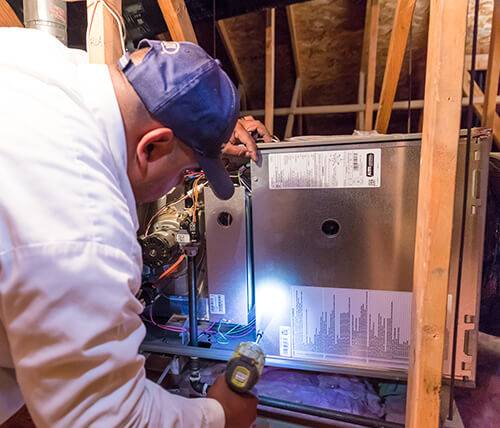
Choosing the right heating type
Climate considerations
Local climate is arguably the most critical factor in selecting a heating system. In mild regions, systems with lower maximum output but high efficiency—such as air-source heat pumps—often make sense. In areas with long, harsh winters, higher-output gas furnaces, cold-climate heat pumps, or hybrid systems tend to perform better. A 2024 study on a predictive heating control system in an all-electric Indiana home demonstrated that smarter controls can reduce daily heating energy use by 19% while maintaining comfort (arXiv case study). This example underscores a key point: in climates with wide temperature swings, pairing the right equipment with intelligent controls can be as important as the equipment choice itself. Homeowners who assume “only gas works here” may find that a combination of a properly sized cold-climate heat pump and smart controls delivers both comfort and savings.Home size and layout
Larger, multi-story homes with many rooms often benefit from central systems—either ducted furnaces or ducted heat pumps—because ducts can efficiently carry air to multiple zones. Smaller homes or those with open layouts may be well served by ductless mini splits or single-zone heat pumps. For example, an older farmhouse with additions and a mix of large and small rooms might use a central heat pump for the main structure and one or two ductless heads for hard-to-condition areas. In a compact bungalow, a single ductless system with two indoor heads might replace multiple baseboard heaters. When layout is complex, zoning—separating the home into areas that can be controlled independently—often pays off in both comfort and control.Existing ductwork
Existing ductwork strongly influences what is practical and cost-effective. Homes with well-designed, properly sealed ducts can usually adopt any ducted system: gas furnace, electric furnace, or heat pump. Where ducts are missing, undersized, or in poor condition, homeowners face a choice between repairing/adding ducts or shifting to ductless or radiant options. Consider a two-story home with aging, leaky ducts running through an unconditioned attic. The homeowner could invest in duct sealing and insulation and then install a modern ducted heat pump. Alternatively, they might bypass the duct issues altogether by installing ductless mini splits on each floor. Concerns about the cost of duct repairs are common, but ignoring duct problems can undermine even the most efficient equipment.Energy efficiency goals
Efficiency labels can seem like alphabet soup: SEER2, HSPF2, AFUE, COP. In practical terms, these metrics describe how much heating or cooling a system delivers for each unit of energy it uses. Higher numbers generally mean lower operating costs, though comparisons must be made within similar system types. As a simple translation, SEER2 and HSPF2 apply mainly to heat pumps and central air conditioners and describe cooling and heating performance over a season. AFUE applies to furnaces and indicates how much of the fuel’s energy becomes usable heat. COP (coefficient of performance) is often used in studies of heat pumps and describes output relative to input; a COP around 3.75, for instance, means the system delivers several times more heat energy than the electrical energy it consumes. Aligning these metrics with household goals—whether minimizing emissions, lowering bills, or both—helps narrow choices.Budget and long-term costs
Upfront budget and lifetime cost do not always align. Some systems are cheaper to install but cost more to run; others require higher initial investment yet pay back over time through lower energy use and longer life. A homeowner might choose a modestly priced gas furnace when cash is tight, even if a heat pump would cost less to run over many years. For a clearer picture of what a new system actually costs, our furnace replacement cost in Las Vegas guide breaks down typical equipment and installation price ranges so you can compare upgrade options with long-term operating costs. One practical strategy is to think in stages. For example, a homeowner might keep an existing furnace but add a small ductless heat pump in the living area where the family spends the most time. That unit can handle most heating and cooling in that zone, reducing use of the older furnace without an immediate full-system replacement. As a maintenance takeaway for this section, regularly reviewing energy bills and runtime patterns—especially after any home upgrades like new windows or added insulation—can signal when it is time to revisit equipment choices.Pros and cons of each heating type
Gas furnace pros and cons
Gas furnaces offer strong heating output and can warm a home quickly, which is a clear advantage in colder climates. Fuel costs are often competitive where natural gas infrastructure exists, and equipment is widely available and familiar to technicians. Integration with existing ductwork is usually straightforward, especially in replacement scenarios. On the downside, gas systems involve combustion, which requires careful venting and regular safety checks. They do not provide cooling on their own, so a separate air conditioner or heat pump is needed. For homeowners concerned about carbon emissions or future fuel price volatility, the long-term appeal of new gas installations may be limited compared with high-efficiency electric options.Electric furnace pros and cons
Electric furnaces eliminate combustion-related risks and venting requirements. Installation tends to be simpler where electrical service can handle the load, and they pair easily with existing ducts. For small, well-insulated homes in milder climates, they can be reliable and comparatively low-stress to own. The primary drawback is operating cost, especially in colder regions where the system runs for long periods. Because electric resistance heat turns electricity directly into heat without the “multiplier effect” seen in heat pumps, energy use can climb quickly. Homeowners who start with electric furnaces sometimes later supplement or replace them with heat pumps to reduce long-term expenses.Heat pump pros and cons
Heat pumps combine heating and cooling in one system and typically deliver more heat energy than the electrical energy they consume. A systematic review of solar-assisted air-source heat pump systems found that PV-ASHP configurations commonly achieve an average COP of about 3.75, indicating strong techno-economic performance among such designs (arXiv PV-ASHP review). Even without solar assistance, conventional heat pumps often provide significantly higher efficiency than resistance or combustion systems. Limitations include reduced heating capacity at very low outdoor temperatures for some models and the need for well-designed installation and refrigerant handling. Initial costs can be higher than basic furnaces, especially for ground-source systems. Still, for many homes, especially in moderate climates, heat pumps represent the “Best” category when long-term operating cost and emissions are weighted heavily.Ductless system pros and cons
Ductless mini splits shine in flexibility and zoning. They can condition additions, finished basements, or isolated rooms without tying into existing ducts, and each indoor unit offers independent temperature control. This zoning capability often improves If you’d like a simple side-by-side look at these options before you decide, our 4 types of heating systems guide walks through where each one fits best in real homes.Types of heating systems: what to do next
Sorting through gas furnaces, boilers, radiant floors, heat pumps, and ductless systems is easier when you focus on a few core questions. What climate you live in, how your home is laid out, which fuels are available, and what you want your bills and comfort to look like over the next ten to fifteen years. Once those pieces are clear, the list of realistic options usually gets much shorter. If you are still unsure which category fits your home best, start by identifying what you already have, then compare it with the alternatives. Use this guide to narrow your choices, tap into our supporting articles when you want deeper detail on a specific system type, and keep an eye on both upfront cost and long term energy use rather than just the sticker price. When you are ready for a professional opinion, **The Cooling Company’s heating services in Las Vegas** team can walk you through repair versus replacement choices, show you what different systems would cost in your specific home, and help you plan the next upgrade on your schedule instead of in the middle of an emergency. Scheduling a visit now often means quieter operation, more even temperatures, and fewer surprises on your winter utility bills.Need HVAC Service in Las Vegas?
The Cooling Company provides expert HVAC service throughout Las Vegas, Henderson, and North Las Vegas. Our licensed technicians deliver honest assessments, upfront pricing, and reliable results.
Call (702) 567-0707 or visit heating, furnace repair, heat pump installation, or heating maintenance for details.