

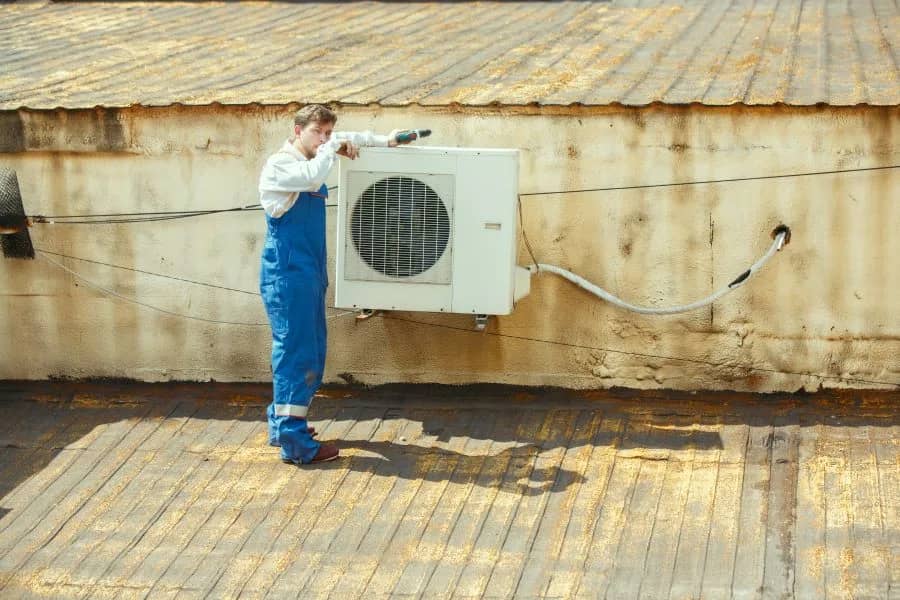
Short answer: Urgent AC repair in Las Vegas means same-day or after-hours dispatch to restore cooling and safety during extreme heat. Call a licensed, EPA-certified technician for no cooling, burning smells, refrigerant leaks, or electrical arcing. Quick action lowers health risks and limits equipment damage. This guide explains when to call, how services work, likely costs, and steps you can take safely.
See why homeowners trust us — view our industry awards and certifications.
Key Takeaways
- Triage first: thermostat, breaker, and filter checks save time.
- Typical urgent fees: dispatch $75–$200; minor repairs $150–$600.
- Ask for written estimates, photos, and measured readings.
- Call The Cooling Company at (702) 567-0707 for Las Vegas emergency service.

Urgent AC repair Las Vegas: urgent ac repair las vegas - When to call
Call for urgent AC repair when cooling is lost during high heat or when systems show signs of danger. Las Vegas summers can reach extreme highs. Vulnerable people, such as seniors and infants, can develop heat illness within hours. If indoor temperatures rise quickly and you cannot restore cooling, call urgent service. Immediate calls are also required for burning smells, visible smoke, refrigerant odors, or electrical arcing. These signs point to safety hazards. Turn the system off and evacuate the area if you detect fire or smoke. Only return when the area is safe or after the technician says so. Homeowners should not attempt risky electrical work. A trained technician has insulated tools and safety gear. They can safely isolate circuits and locate shorts, failed contactors, or wiring faults. If a person has a medical need for a cool environment, tell the dispatcher. That information helps prioritize your service request.How do I triage a failed AC?
Begin with safe, quick checks that take five to ten minutes. Confirm the thermostat is set to cooling mode and the set temperature is below room temperature. Replace thermostat batteries if the display is dim or blank. Check the return air filter and replace it if clogged. A dirty filter often causes poor cooling and reduced airflow. Look at the outdoor unit fan. If it does not spin, note any noises or clunks. Check the main breaker and the AC disconnect near the outdoor unit. Observe for water puddles, ice on coils, or strong chemical smells. Record these observations and the time they began. That log helps the dispatcher and technician diagnose the issue faster.Can I safely reset my thermostat?
A basic thermostat reset is safe when you do not smell burning or see electrical issues. Turn the thermostat off, wait about 30 seconds, then turn it back on. Replace weak batteries and verify the display and mode. If the thermostat does not call for cooling, avoid repeated resets. Repeated attempts can hide a wiring or control fault. Keep a short log of any thermostat readouts, error codes, or odd behavior. Save that log for the technician. Clear symptom records speed the diagnostic and reduce time on-site. If your thermostat is part of a smart system, note any error messages from the app as well.Is it an electrical hazard?
Treat burning smells, visible smoke, or electrical arcing as immediate danger. Cut power at the breaker if you can do so safely. Do not touch internal components, terminals, or wiring. Electrical hazards can ignite fires and injure untrained people. If you do not know which breaker to use, shut off power to the whole home and wait for professional help. Licensed technicians arrive with testers and lockout/tagout gear. They will make the circuit safe and isolate the fault. They can then locate the failed component - capacitor, contactor, compressor starter, or wiring - and recommend repairs. Always follow the dispatcher’s guidance about whether to keep power off until the technician arrives.How do urgent services work?
Urgent AC service begins with a safety triage and focused diagnostic. The technician checks airflow, basic electrical circuits, and outdoor unit operation. They inspect for refrigerant leaks, oil stains, tripped breakers, and visible damage. This first sweep keeps people safe and often finds the simplest fix. After the triage, the technician documents findings and recommends either a temporary fix or a full repair plan. Temporary fixes restore partial cooling or safety until parts arrive. If a part must be ordered, the tech can reduce further damage and schedule a return visit with fewer delays.What does after-hours service include?
After-hours service usually includes priority dispatch, emergency diagnostics, and limited on-site parts swaps. Technicians commonly carry truck-stock emergency parts like capacitors, contactors, fan motors, and fuses. These parts can restore function in many cases until a planned repair is completed the next day. Expect higher rates for nights and weekends. Major replacements that need ordered parts typically require a return visit. Always ask for an estimated cost range for after-hours labor and parts before you authorize work. Knowing the likely cost helps you decide whether to proceed immediately.Are technicians licensed and insured?
Always confirm contractor licensing, EPA certification, and insurance when you book service. Nevada requires licensed HVAC contractors. EPA Section 608 certification is required for refrigerant handling. These credentials reduce the risk of unsafe repairs or improper refrigerant release. Ask the dispatcher for the technician’s license number and proof of insurance. Reputable companies provide written estimates, warranty terms, and documentation. Keep copies of signed documents for future reference or warranty claims. This paperwork protects you if problems reappear.How are emergency rates calculated?
Emergency charges usually include a dispatch fee, overtime labor, parts, and surcharges for urgency. Peak summer demand can add 15–40% to base rates. The rarity of a part and whether it is on the truck also affect the final bill. Labor time and travel distance are additional factors. Request an itemized estimate and the hourly labor rate before work begins. Itemized pricing shows you what you pay for and reduces surprise markups. If the dispatcher cannot provide a range, ask for a clear approval threshold so no work begins without your consent.How quickly can a technician arrive?
Arrival time depends on call volume, location, staff levels, and parts availability. Off-peak calls can see techs arrive in one to three hours. During heat waves, arrival times can extend to six to twenty-four hours. Dispatch centers triage calls so the most urgent cases get priority. Request ETA updates when you call. Ask if your situation qualifies for priority. Vulnerable occupants, critical medicines, or life-safety concerns often move a call up the list. Provide clear access instructions and any gate or pet notes to avoid delays once the tech is on the way.What affects arrival times in Las Vegas?
High temperatures, staffing shortages, and traffic slow down responses. July and August are the busiest months. When many systems fail in a heat wave, parts supply can be strained and waits extend. Distance from the company’s service base also matters. You can reduce risk by scheduling preventive maintenance before summer. Tune-ups often catch failing capacitors, weak fans, or dirty coils before they cause an emergency. That preventive step lowers the chance you will need urgent repair during peak demand.Are after-hours dispatch fees charged?
Yes. After-hours and weekend calls usually include higher dispatch fees and overtime labor rates. Companies should disclose these fees when booking. Some firms use flat emergency pricing; others list dispatch and overtime as separate line items. Balance cost against health and safety risks. If heat puts people or medications at risk, paying the higher fee for faster service is often justified. Ask for a clear price range from the dispatcher before you approve any on-site work.How do I verify technician ETA updates?
Ask for SMS or phone ETA notices when you book the visit. Good companies give a call window, the technician’s name, and the truck number. Keep your phone on and be ready during the window. Provide a photo of the outdoor unit nameplate if possible; it helps techs bring likely parts. Clear directions and gate codes avoid wasted time. If you must change timing, call dispatch as soon as possible. Prompt communication keeps your slot and helps technicians use their time efficiently.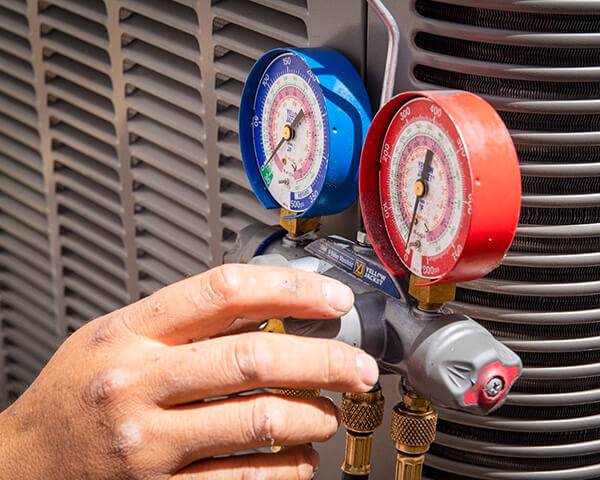
What are emergency repair costs?
Emergency repair costs vary by symptom, required part, and labor time. Dispatch fees commonly run $75–$200. Minor on-site repairs such as replacing a capacitor or contactor are often $150–$600. More complex sealed-system work, like a compressor replacement, usually starts around $1,200 and rises with unit size and brand. Decisions to repair or replace depend on the unit’s age, the total repair cost, and overall system condition. When repair costs near half the price of a new system, replacement can be the smarter long-term choice. Always get an itemized quote, brand names of parts, and warranty details.What are typical urgent AC repair Las Vegas costs?
Minor emergency repairs usually fall between $150 and $600. These jobs include capacitor swaps, contactor changes, and fan motor repairs in some cases. These parts are common on service trucks and can often be installed the same visit. Compressor work and sealed-system repairs are more expensive and may require special handling and longer labor. Compressor replacements commonly start around $1,200 and climb with larger systems or high-end brands. Full system replacements can range from $5,000 to $12,000 or more.How much is a diagnostic fee?
Diagnostic fees commonly range from $75–$200. This fee covers safety checks, electrical testing, refrigerant pressure checks, airflow tests, and the technician’s time. Some companies waive the diagnostic fee if you approve the repair on the same visit. Keep the diagnostic paperwork. It documents the findings and can support warranty or insurance claims. Detailed diagnostic notes reduce disputes over recommended work and help if another tech must review the job later.When is replacement more cost effective?
Consider replacement when repair costs exceed 40–60% of replacement cost or when the system is older than 12–15 years. Frequent failures, low efficiency, or obsolete refrigerants such as R-22 also justify replacement. Modern units may offer better efficiency and lower running costs. Ask for a Manual J load calculation and Manual S equipment selection when replacing a system. These tests size the unit correctly for your home and prevent short cycling. Proper sizing improves comfort and system life.Can emergency repairs prevent bigger bills?
Emergency repairs can stop immediate damage and restore safety. Temporary fixes protect occupants and limit further failures until permanent parts arrive. However, repeated patch repairs on an old system can lead to recurring breakdowns and higher long-term costs. Use the emergency visit to obtain a clear diagnostic and a written plan for permanent repairs. That plan helps you budget and decide whether to repair or replace. It also gives the technician a roadmap for the next visit.Preventive steps and homeowner actions
Preventive maintenance lowers the chance you will need urgent repair in peak heat. Schedule yearly tune-ups in spring. Technicians clean coils, check refrigerant charge, test capacitors, and inspect electrical connections. These checks catch weak parts before they fail under load. Simple homeowner steps also help. Replace or clean filters monthly during heavy use. Keep outdoor unit vents clear of debris. Shade near the outdoor unit reduces load. Small preventive actions extend the system life and reduce the odds of emergency calls.How can I prepare for summer to avoid emergencies?
Start with a professional tune-up in late spring. The technician will test controls, measure pressures, and inspect electrical parts. They will also check airflow and the condition of the ductwork if requested. This inspection finds weak parts before the hot months. At home, change the return filter regularly and keep vents unobstructed. Program the thermostat to avoid extreme setpoints that force long run times. Consider a smart thermostat that learns schedules and reduces peak load. These steps help reduce stress on the system.What should I do while I wait for a technician?
Keep people cool with fans, shades, and cool fluids. Move vulnerable occupants to a cooler area or to a friend’s or public cooling center if necessary. Turn off the AC system if you smell burning or see smoke. If the home is safe, use portable cooling appliances where available. Keep notes for the technician. Record thermostat settings, when the problem began, and any unusual noises. Provide the technician access instructions and gate codes. These actions speed diagnosis and repair when the tech arrives.Can temporary fixes like bypasses cause harm?
Temporary fixes restore function but may not be permanent. Bypasses or temporary wiring can get you through immediate heat but can increase risk if left in place. Always schedule a follow-up for permanent repairs. Do not accept temporary fixes without a clear plan and timeline for completion. Document any temporary work and ask for a written follow-up plan. Good contractors prioritize return visits for permanent repairs and honor warranty terms on both temporary and permanent work.Need urgent ac repair las vegas help in Las Vegas?
If you face an HVAC emergency in Las Vegas, Henderson, or North Las Vegas, The Cooling Company offers fast, licensed service. We respond to same-day and after-hours calls. Our technicians carry common emergency parts and follow safety-first protocols. Call us now at (702) 567-0707 for emergency service. When you call, tell the dispatcher if anyone in the home has health needs or if there are access restrictions. That information helps us prioritize and arrive prepared.What information should I have ready when I call?
Have the unit’s make and model if known, and a photo of the outdoor unit nameplate if you can. Note the symptoms, any smells, and when the problem started. Tell the dispatcher about anyone who is heat-sensitive or has medical needs. Also provide access instructions, gate codes, and pet information. Clear instructions avoid delays. If you have prior service records, have them ready. They help the technician find past repairs and understand recurring problems.What warranty and payment options are typical?
Many companies accept major credit cards, checks, and payment plans for large work. Ask about warranties on parts and labor before you approve major repairs. Reputable firms provide written warranty terms and honor them for covered items. For large replacements, ask about financing options and estimated energy savings. Keep all receipts and signed estimates. These documents are useful for future resale and warranty claims.Sources and compliance
See the industry guidance linked earlier for technical and safety standards. The following resources are relevant to refrigerant handling and consumer guidance:- ASHRAE Technical Resources: ASHRAE Technical Resources
- U.S. Department of Energy – Air Conditioning: Energy Saver - Air Conditioning
- Better Buildings Solution Center – HVAC: HVAC Licensing and Guidance
Related reading: what to explore next?
Expand your knowledge with these related guides from our experts. Each article provides in-depth information to help you make informed decisions about your HVAC system and home comfort needs.About The Cooling Company
The Cooling Company has been serving the Las Vegas valley with professional HVAC services for over a decade. Our team of licensed, NATE-certified technicians specializes in air conditioning repair, heating system maintenance, and complete HVAC installations. We're committed to providing honest, reliable service with upfront pricing and a 100% satisfaction guarantee on all work performed.- Phone: (702) 567-0707
- Reviews: 4.9/5 stars (500 reviews) - See reviews
Service Areas
We proudly serve homeowners and businesses throughout the Las Vegas metropolitan area, including Las Vegas, Henderson, and North Las Vegas. Our service technicians are available for same-day appointments in most areas, with emergency service available 24/7 for urgent HVAC issues.References
- U.S. Department of Energy (Energy.gov) (accessed 2026-01-02)
- U.S. Environmental Protection Agency (EPA) (accessed 2026-01-02)
- ASHRAE (Standards and guidance) (accessed 2026-01-02)
- ENERGY STAR (Heating & cooling) (accessed 2026-01-02)
Need HVAC Service in Las Vegas?
The Cooling Company provides expert HVAC service throughout Las Vegas, Henderson, and North Las Vegas. Our licensed technicians deliver honest assessments, upfront pricing, and reliable results.
Call (702) 567-0707 or visit AC repair, maintenance, heating, or installation for details.