


Short answer: Many homeowners hear the term “AC tune-up” but aren’t entirely sure what it means. Is it just a quick cleaning? Is it the same as an emergency repair? In reality, an AC tune-up is a comprehensive, multi-point inspection and maintenance service designed to keep your air conditioner running at peak performance. It’s the difference between fixing problems as they happen and preventing them altogether. In this guide, we’ll explain exactly what an AC tune-up is, what’s included, why it matters, and how often you should get one.
Many homeowners hear the term “AC tune-up” but aren’t entirely sure what it means. Is it just a quick cleaning? Is it the same as an emergency repair? In reality, an AC tune-up is a comprehensive, multi-point inspection and maintenance service designed to keep your air conditioner running at peak performance. It’s the difference between fixing problems as they happen and preventing them altogether. In this guide, we’ll explain exactly what an AC tune-up is, what’s included, why it matters, and how often you should get one.
AC Tune-Up Definition
An AC tune-up is a professional preventative maintenance service performed by a licensed HVAC technician. It involves inspecting, testing, and adjusting your air conditioning system to ensure it runs efficiently, safely, and reliably. Unlike a basic cleaning, a tune-up is proactive—it focuses on catching minor issues before they escalate into costly repairs or system failures. For a full view of how this fits into long-term care, see our AC maintenance guide.
What’s Included in an AC Tune-Up?
While exact services vary by company, a thorough AC tune-up will generally include:- Inspecting and Tightening Electrical Connections: Loose connections can cause shorts, overheating, and system failure.
- Cleaning the Condenser and Evaporator Coils: Dirty coils reduce heat transfer, making your AC work harder. For step-by-step instructions, see our guide on how to clean air conditioner coils.
- Checking and Adjusting Refrigerant Levels: Low refrigerant reduces cooling power and can damage the compressor.
- Lubricating Moving Parts: Reduces friction, heat buildup, and wear on motors and bearings.
- Testing Thermostat Calibration: Ensures the system responds accurately to your settings.
- Inspecting the Blower Components: Keeps airflow strong and consistent.
- Cleaning the Condensate Drain Line: Prevents clogs, water damage, and mold growth.
- Testing System Performance and Airflow: Confirms the system is cooling effectively and efficiently.
Benefits of an AC Tune-Up
Investing in an annual tune-up provides long-term returns in multiple ways:- Improved Energy Efficiency: A clean, well-tuned system uses less energy to cool your home, lowering utility bills.
- Reduced Breakdowns: Technicians can spot worn parts and small leaks before they cause costly failures.
- Extended Lifespan: Less wear and tear means your AC will last years longer before needing replacement.
- Better Indoor Air Quality: Cleaning coils, drain lines, and filters reduces dust, mold, and allergens in your home.
- Warranty Protection: Many manufacturers require proof of annual maintenance to keep warranties valid.
Why Skipping a Tune-Up Costs More
It’s easy to put off a tune-up, but skipping this annual service can cost you more in the long run. A small refrigerant leak, for example, may go unnoticed until it causes compressor damage—a repair that can run into the thousands. Dirty coils can increase your energy consumption by up to 30%, and clogged drain lines can lead to water damage and mold remediation costs. Regular tune-ups are a fraction of the cost compared to major emergency repairs.How Often Should You Get a Tune-Up?
The industry standard is once a year before the cooling season begins. For most homeowners, that means scheduling in spring. However, in hot or humid climates—or if your system runs year-round—you may benefit from twice-a-year maintenance. This ensures the system is ready before peak demand and minimizes wear from extended use. For help deciding, see our article on signs it’s time for an AC tune-up.Professional vs DIY AC Tune-Ups
While there are small maintenance tasks you can safely handle yourself, a full tune-up requires professional tools and expertise.Homeowner-friendly tasks include:
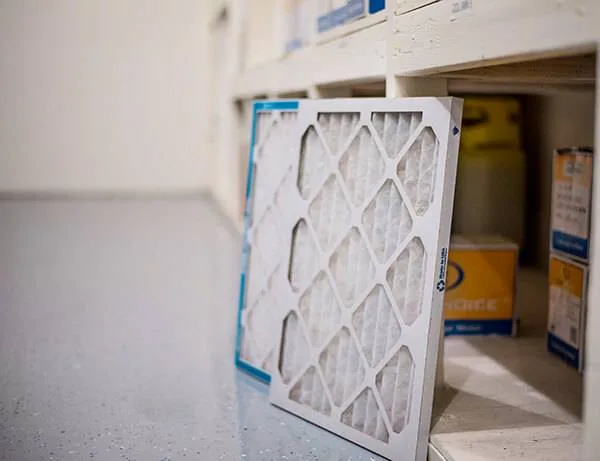
- Replacing or cleaning air filters monthly or bi-monthly — see our filter cleaning guide.
- Keeping the outdoor condenser free of debris
- Visually inspecting refrigerant lines and insulation
- Checking thermostat batteries and settings
- Measuring and recharging refrigerant levels
- Testing electrical components like capacitors and contactors
- Deep cleaning evaporator and condenser coils
- Inspecting and tightening internal electrical connections
Cost of an AC Tune-Up
On average, an AC tune-up costs between $75 and $200, depending on your location, system type, and any extra services needed. Some HVAC companies offer annual maintenance plans that lower the per-visit cost, include priority scheduling, and provide discounts on repairs.Book Your AC Tune-Up and Avoid Costly Surprises
An AC tune-up isn't just another chore—it's a smart investment in your home's comfort and your system's long-term performance. By scheduling annual tune-ups, you ensure your air conditioner operates efficiently, lasts longer, and costs less to run. You also avoid unexpected breakdowns during the hottest days of summer. Don't wait until something goes wrong—book your AC tune-up now or learn more about our professional AC tune-up services.What Happens During a Professional AC Tune-Up Visit
Understanding the tune-up process helps you know what to expect and ensures you're getting thorough service. Here's what a comprehensive professional tune-up includes:
Pre-Service Preparation (5-10 minutes): The technician will introduce themselves, verify the service details, and ask about any specific concerns you've noticed—weak airflow, unusual noises, or rooms that don't cool evenly. They'll also ask when you last changed filters and if you've had any recent service. This conversation helps them prioritize their inspection.
System Performance Testing (15-20 minutes): Before touching anything, good technicians measure baseline performance. They'll record supply and return air temperatures to calculate temperature split (should be 15-20°F for properly charged systems), measure airflow at multiple vents, and check static pressure in the ductwork. These baseline readings help identify problems and verify repairs work.
Electrical System Inspection (15-20 minutes): The technician will inspect and tighten all electrical connections, test voltage at the disconnect and compressor, measure capacitor microfarads (should be within 5-10% of rated value), check contactor condition for pitting or burning, and verify proper amperage draw on motors. Electrical issues cause 60% of AC failures, so this step is critical.
Refrigerant System Check (10-15 minutes): They'll measure refrigerant pressures at both the low and high sides, calculate superheat and subcooling to verify proper charge, inspect refrigerant lines for leaks or damage, check line insulation condition, and look for oily residue that indicates leaks. In Las Vegas's extreme heat, accurate refrigerant charge is essential—even 10% undercharge reduces efficiency by 20% when outdoor temps exceed 110°F.
Cleaning and Maintenance (20-30 minutes): The technician will clean evaporator and condenser coils (coil cleaning often takes longer if neglected), clear and flush the condensate drain line, inspect and clean the blower assembly, check air filter condition and recommend replacement if needed, lubricate motors and bearings if accessible, and inspect ductwork connections for leaks or separation.
Safety and Controls Testing (10-15 minutes): Final checks include verifying thermostat calibration and programming, testing safety switches and limit controls, checking drain pan and overflow switch operation, inspecting outdoor unit for proper clearance and level, and testing system startup, run cycle, and shutdown sequence. They'll also check that the outdoor disconnect is properly rated and secure.
Documentation and Recommendations (10-15 minutes): Before leaving, the technician should provide a written report with all test results and measurements, photographs of any concerns found, prioritized list of recommended repairs or improvements, and estimated costs for any needed work. They should explain findings in plain language and answer your questions. Never accept a tune-up without documented results—you're paying for thorough inspection and testing, not just a visual check.
Total time: Most comprehensive tune-ups take 75-120 minutes depending on system condition and access. Be wary of "tune-ups" completed in 30-45 minutes—they're likely missing critical testing and inspection steps.
Las Vegas-Specific Tune-Up Priorities
Las Vegas's extreme climate requires additional attention to certain components during tune-ups:
Coil Cleaning Frequency: Desert dust and monsoon debris clog coils faster than in other climates. While most regions need coil cleaning annually, Las Vegas systems often benefit from twice-yearly cleaning—once in spring before peak heat and again in fall after monsoon season. Dirty coils reduce capacity by 30% or more, making your AC struggle on 115°F days.
Capacitor Testing: Extreme heat accelerates capacitor degradation. Capacitors that might last 10 years in moderate climates often fail after 5-7 years here. During tune-ups, technicians should test capacitance values, not just verify the unit starts. Weak capacitors cause hard starting, reduced efficiency, and eventual compressor damage.
Refrigerant Charge Verification: Las Vegas's 40-70°F daily temperature swings (from morning lows to afternoon highs) make accurate refrigerant charge critical. Systems slightly undercharged might work fine at 95°F but fail at 115°F. Insist on superheat and subcooling measurements, not just pressure readings—pressures alone don't account for ambient temperature and humidity variations.
Duct Inspection in Attics: Many Las Vegas homes have ductwork in attics where summer temperatures exceed 140-150°F. This extreme heat accelerates duct degradation, causing separation at joints, damaged insulation, and sagging flex duct. Annual duct inspection during tune-ups catches these issues before they waste 20-40% of your cooled air into hot attic spaces.
Blower Motor and Bearings: Extended runtime (12-16 hours daily during summer) wears blower motors faster. Tune-ups should include checking motor amperage draw, listening for bearing noise, verifying belt tension if applicable, and lubricating motors when possible. Catching motor issues early prevents mid-summer failures that cost $600-1,200 to repair.
Need HVAC Service in Las Vegas?
The Cooling Company provides expert HVAC service throughout Las Vegas, Henderson, and North Las Vegas. Our licensed technicians deliver honest assessments, upfront pricing, and reliable results.
Call (702) 567-0707 or visit AC repair, maintenance, heating, or installation for details.