


Short answer: Discover HVAC maintenance tips on why Lennox thermostats cut energy bills when properly commissioned and matched to your system; learn how they save.
Lennox thermostats often match OEM staging and control logic, cut runtime, and raise steady comfort. They give interval data for verification and support BACnet or Modbus on commercial models. For best savings, pick the right model for your system and get dealer commissioning or a qualified tech to set it up. See ASHRAE Technical Resources for standards and guidance when.
Key Takeaways
- Use a room-by-room Manual J load calculation (not a square-foot rule).
- Select equipment with Manual S and verify ducts with Manual D for comfort and efficiency.
- Avoid oversizing: short-cycling wastes fuel and can create uneven temperatures.

Why Are Lennox Thermostats Better: Cut Energy Bills And Boost Comfort
Lennox thermostats are designed to align closely with Lennox HVAC equipment. The control logic is set to match OEM staging tables and response curves. That reduces the need for tuning and minimizes the chance of stage-mapping errors at startup. When staging and anti-short-cycle protections match the equipment, systems run longer and fewer cycles. This improves part-load efficiency and can lower energy use during shoulder seasons.
Matched logic also makes commissioning faster for dealers. When a thermostat speaks the same language as the equipment, contractors spend less time mapping stages. That lowers early service calls and reduces callbacks for incorrect sequencing. For owners who want verified savings, Lennox models often export interval data through BACnet, Modbus, or cloud portals. That data makes measurement and verification (M&V) straightforward for rebates and performance contracts.
What makes Lennox thermostats stand out?
Lennox focuses on OEM alignment and dealer support. The thermostats include factory staging that mirrors Lennox compressors and heat pumps. This design reduces mismatch issues that cause short cycling or wrong stage selection. Built-in features like anti-short-cycle timers, staged compressor control, and adaptive recovery reduce wear and extend component life when set up correctly.
On the commercial side, Lennox controllers often include native BACnet or Modbus support. That removes the need for protocol gateways and preserves full diagnostics in the building automation system (BAS). Native protocol support helps BAS teams access runtime logs, alarm states, and interval trends. For mixed-brand sites, native BACnet or Modbus simplifies fleet management and long-term analytics.
How Lennox thermostats save energy
Lennox thermostats reduce runtime by using staged control and anti-short-cycle logic. They limit frequent starts and match the number of compressor stages to the current load. This reduces energy lost to cycling and improves efficiency in part-load conditions. Many retrofits show measurable savings when the wrong thermostat or simple on/off control is replaced with staged, OEM-matched logic.
Savings depend on baseline equipment, insulation, local climate, and commission quality. Proper schedules and sensor placement matter. A well-commissioned thermostat that uses adaptive recovery and correct deadbands often delivers 10 to 20 percent lower HVAC energy use in typical retrofit cases. For accurate claims, gather interval data before and after installation and use consistent analysis windows.
Browse our project portfolio to see examples of our installation work.
How do Lennox thermostats save energy?
Lennox uses algorithms that reduce compressor starts and manage stage selection. Anti-short-cycle timers keep compressors off long enough to prevent stress. Staging logic selects the smallest effective capacity to meet load. That lowers energy use during mild conditions and reduces mechanical wear.
The thermostats also support smart schedules and remote sensors. Remote sensors help average temperatures across rooms. That avoids overshooting one area while another remains out of band. In commercial systems, interval export and BAS trends allow performance monitoring and optimization over time.
Can they reduce monthly HVAC bills?
Yes, when installed and commissioned correctly. Savings come from setback schedules, smarter fan control, and staged compression. Setbacks reduce runtime when spaces are empty. Fan control reduces energy by limiting continuous fan operation or by using variable fan speeds.
However, measured savings depend on user behavior and building characteristics. Homes with poor insulation or open windows will see less benefit. Also, incorrect commissioning or poor sensor placement can negate savings. Always validate results with post-install interval data or utility meter comparisons.
What accuracy do Lennox sensors offer?
Factory sensors in Lennox thermostats typically meet common HVAC accuracy ranges, often around ±0.5 to ±1.0 degrees Fahrenheit. High-end models allow the use of remote sensors. Remote sensors improve averaging and reduce the impact of a single hot or cold spot.
Good placement matters. Sensors should be away from direct sunlight, vents, and exterior walls. Periodic checks and simple calibrations help keep control tight. For precise M&V, use calibrated data loggers alongside thermostat sensors.
Integration and wiring: how they work with HVAC and BAS
Lennox thermostats are designed to align with standard HVAC terminals. Residential models usually include R, C, W, Y, G, and O/B terminals for heat pump systems. Many units also support common accessories such as remote temperature sensors and additional stage inputs. This terminal layout makes many retrofits straightforward when the wiring is standard and labeled.
Commercial controllers often include Ethernet, BACnet/IP, RS-485, or Modbus options. Native network protocols remove gateway conversions and preserve diagnostic detail for BAS teams. With proper wiring and commissioning, controllers export interval trends and alarm logs, which simplify troubleshooting and support M&V requirements for rebates and performance contracts.
Learn about available federal tax credits for energy-efficient HVAC equipment.
Can they communicate with furnaces and ACs?
Yes. Lennox thermostats use standard control outputs to communicate with furnaces, heat pumps, and air conditioners. Terminal outputs map to OEM command expectations, so equipment responds to staging and calls correctly. This direct mapping reduces the need for custom relays or complex stage mapping during commissioning.
For equipment that uses proprietary communication buses, verify compatibility with the dealer. In most standard wiring setups, Lennox units will communicate with heat/cool stages, fans, and reversing valves as expected.
Do they work with zoning systems?
Lennox supports zoning through compatible zone panels and networked controllers. Residential zoned systems typically use dedicated zone boards that accept multiple thermostat inputs. Each thermostat reports setpoints and calls to the zone board, which coordinates dampers and stages.
Commercial zoning often uses networked zone controllers with BACnet or Modbus reporting. Proper commissioning is critical to ensure even comfort across zones. Airflow balancing, damper calibration, and correct control logic prevent one zone from starving another.
What wiring is required for retrofit?
Typical residential upgrades need R and C power, W for heat, Y for cool compressor stages, G for fan, and O/B for heat pumps. Older homes often lack a C wire. Solutions include installing a new transformer, using an add-a-wire kit, or fitting a compatible power accessory from Lennox.
Commercial installs may require Ethernet or RS-485 cabling for BACnet or Modbus. Confirm network infrastructure and signal routing before procurement. Verify cable runs and labeling to avoid surprises during commissioning.
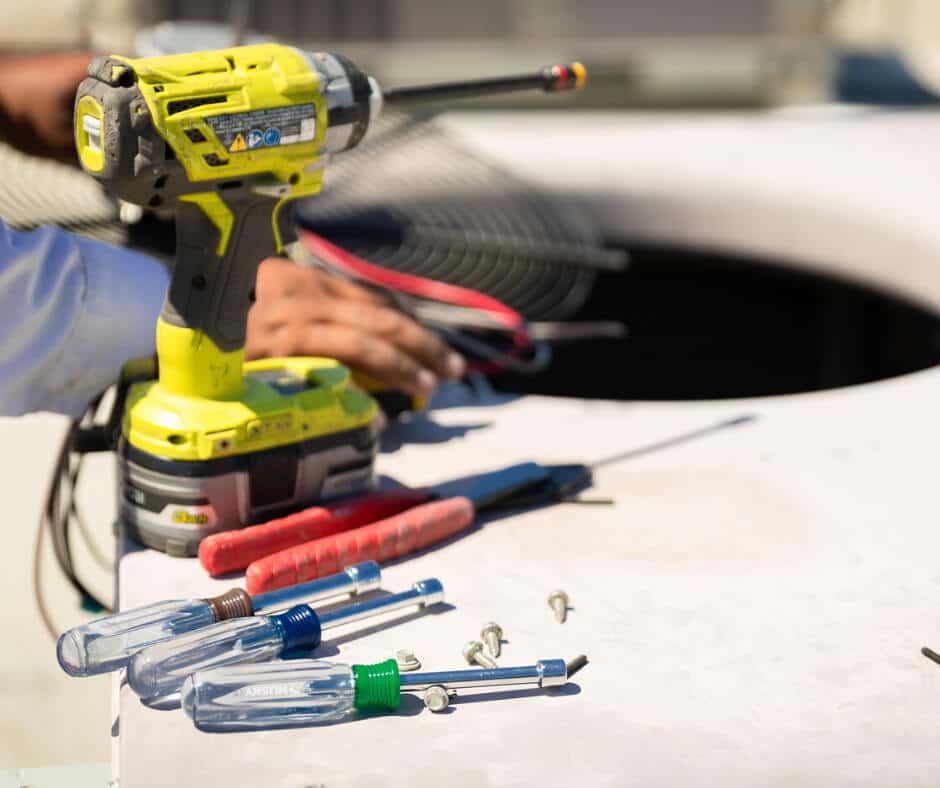
Installation: DIY vs hire a pro
Many basic residential swaps are safe for homeowners who are comfortable with low-voltage wiring. If you can confidently turn off the breaker, label wires, and follow terminal markings, a straight replacement can save labor costs. Always verify that you have a common (C) wire or a recommended power accessory to avoid unpredictable startup behavior.
For multi-stage systems, heat pumps, zoning, or BAS integrations, hire a licensed technician. These systems require stage mapping, sensor relocation, and formal commissioning. Professionals can also validate commissioning results with runtime logs and check refrigerant charge and airflow. Proper commissioning preserves warranties and confirms expected savings.
Can homeowners install residential models?
Yes, many residential Lennox thermostats are installer-friendly. Turn off the HVAC breaker first. Label each wire and match it to the thermostat terminal. Follow the installer guide and confirm Wi-Fi and cloud credentials for connected models.
If wiring looks non-standard or the system includes multiple stages or a reversing valve, stop and call a qualified installer. Miswiring can cause equipment damage or lost warranty coverage.
When is a licensed technician required?
Hire a pro for systems with multiple compressor stages, heat pumps with O/B reversing valves, or active zoning. Also call a licensed tech when BACnet or Modbus integration is needed. These cases require correct protocol configuration and commissioning to avoid miscommunication and to preserve system longevity.
Technicians also handle airflow balancing and sensor moves. They will provide a commissioning report and runtime logs to validate savings and ensure the system meets design intent.
What are common installation pitfalls?
Common errors include missing a C wire, placing sensors near heat sources or vents, and incorrect stage mapping. Skipping commissioning or airflow verification leads to short cycling and poor comfort. Contractors should use a commissioning checklist and hand over runtime logs to the owner for transparency.
Verify firmware versions and ask the dealer how they deliver updates. Firmware fixes can refine recovery timing and anti-short-cycle limits. A proactive dealer will manage updates and document changes in the commissioning report.
Comparing Lennox to rivals
Lennox differentiates with OEM staging and strong commercial protocol support. Competitors often emphasize broad consumer ecosystems and third-party integrations. When choosing a thermostat, compare protocol support, data export options, security update cadence, and dealer commissioning services.
Total cost of ownership includes hardware, commissioning labor, firmware support, and data export. Third-party thermostats may match some features but often need gateways or custom logic for BAS work. Request quotes that include commissioning and a plan to export interval data if M&V matters for rebates or contracts.
How does performance compare to Nest?
Nest focuses on consumer ease and learning-based controls. Its learning algorithm adapts to occupant behavior. Lennox focuses on matched staging and dealer commissioning. For straightforward home use, Nest can feel easier. For sites that need OEM staging or BAS integration, Lennox often performs better and requires less custom mapping.
When evaluation emphasizes M&V or commercial integration, Lennox native protocol support reduces gateway complexity. Choose Nest when consumer UX and minimal commissioning are the priority.
What are differences from ecobee models?
Ecobee emphasizes room sensors and a consumer platform that supports sensor averaging. Lennox trades some consumer bells for tighter OEM matching and commercial controllers. If whole-home sensor averaging and voice integration are top priorities, ecobee is strong.
For matched Lennox equipment, BAS work, and protocol-native commercial controllers, Lennox reduces commissioning time and contractor callbacks. Compare sensor strategy and protocol needs when deciding between brands.
Do Lennox thermostats integrate better with Lennox HVAC?
Yes. OEM matching reduces staging conflicts and eases commissioning. Lennox factory logic and staging tables align thermostat calls with compressor and fan behavior. This alignment often leads to quicker startups and fewer contractor callbacks when equipment and controls share the same brand.
That said, well-programmed third-party controls can achieve similar results. The advantage of Lennox is fewer initial mapping steps and preserved diagnostics in commercial settings.
Ready to upgrade? How can The Cooling Company help?
Las Vegas area readers can get a free site review, model match, and commissioning quote from The Cooling Company. Call (702) 567-0707 to schedule an assessment in Las Vegas, Henderson, or North Las Vegas. Certified technicians will verify wiring, system type, and rebate opportunities before recommending a plan.
If you are outside the service area, seek NATE-certified technicians and controllers with BACnet or Modbus on commercial quotes. Request a written commissioning report and interval data export options so you can compare vendors and verify measurable savings after installation.
How to choose the right Lennox model?
Match the thermostat to your equipment type and data needs. Choose residential Wi-Fi units for simple remote control and scheduling. Pick controllers with BACnet or Modbus for commercial BAS work. Require exported interval data in procurement if you need M&V for rebates or performance contracts.
Also confirm accessory support for remote sensors and power options. If you lack a C wire, include a power accessory or add-a-wire kit in the scope. Ask the dealer about firmware update policies and how they manage fleet devices.
What are next steps to upgrade HVAC?
Start with a short phone consult to scope the job and plan a pilot. For Las Vegas area help, call The Cooling Company at (702) 567-0707. Have system photos and wiring labels ready to speed quoting. Request a written commissioning plan and a timeline for interval data delivery after install.
A pilot installation and measured before/after interval analysis is the best way to validate savings. For larger sites, include a data export requirement in the contract so third-party verification is possible.
Final checklist before buying
Verify wiring and the presence of a C wire or plan for a power kit. Ask the dealer for firmware update policies and interval export formats. Request dealer commissioning and a runtime log to validate savings after install. Confirm available utility rebates before signing the quote.
Get a written commissioning report and test log. Ensure the scope includes sensor placement, deadband settings, and adaptive recovery parameters. That documentation allows you to track performance and confirm whether the system meets your expectations.
You Might Also Like
This aspect deserves careful consideration as you evaluate your options. Understanding the details helps you make more informed decisions. Consulting with qualified professionals provides additional insights specific to your situation. Take time to consider how this information applies to your particular needs and circumstances. Making well-informed choices typically leads to better long-term outcomes and greater satisfaction.
- ac repair costs
- troubleshooting hvac odors
- ruud furnace problems
- trane furnace repair henderson
- how much to install hvac system in old house
Sources and further reading: See ASHRAE Technical Resources for guidance on measurement, verification, and controls.
Critical compliance note: For Las Vegas area service, call The Cooling Company at (702) 567-0707. For commercial BACnet or Modbus requirements, specify protocol and export formats in the procurement documents.
About The Cooling Company
The Cooling Company has been serving the Las Vegas valley with professional HVAC services for over a decade. Our team of licensed, NATE-certified technicians specializes in air conditioning repair, heating system maintenance, and complete HVAC installations. We're committed to providing honest, reliable service with upfront pricing and a 100% satisfaction guarantee on all work performed.
- Phone: (702) 567-0707
- Reviews: 4.8/5 stars (780+ reviews) - See reviews
Service Areas
We proudly serve homeowners and businesses throughout the Las Vegas metropolitan area, including Las Vegas, Henderson, and North Las Vegas. Our service technicians are available for same-day appointments in most areas, with emergency service available 24/7 for urgent HVAC issues.
References
- U.S. Department of Energy (Energy.gov) (accessed 2026-01-02)
- U.S. Environmental Protection Agency (EPA) (accessed 2026-01-02)
- ASHRAE (Standards and guidance) (accessed 2026-01-02)
- ENERGY STAR (Heating & cooling) (accessed 2026-01-02)
Need HVAC Service in Las Vegas?
The Cooling Company provides expert HVAC service throughout Las Vegas, Henderson, and North Las Vegas. Our licensed technicians deliver honest assessments, upfront pricing, and reliable results.
Call (702) 567-0707 or visit AC repair, maintenance, heating, or installation for details.