

Air Handler
An air handler is a critical component of an HVAC system that circulates and regulates air as part of the heating, ventilating, and air conditioning system. Typically housed in a large metal box, it encompasses a blower, heating and/or cooling elements, filter racks or chambers, and dampers. Air handlers connect to ductwork that distributes the conditioned air throughout a building and returns it to the air handler. They are crucial in efficiently maintaining indoor air quality and comfort by ensuring that air moves through the system as intended, often working in tandem with outdoor units in split systems.
💡 Key Takeaways
- ✓An air handler is a critical component of an HVAC system that circulates and regulates air as part of the heating, ventilating, and air conditioning system. Typically housed in a large metal box, it encompasses a blower, heating and/or cooling elements, filter racks or chambers, and dampers. Air handlers connect to ductwork that distributes the conditioned air throughout a building and returns it to the air handler. They are crucial in efficiently maintaining indoor air quality and comfort by ensuring that air moves through the system as intended, often working in tandem with outdoor units in split systems.
- ✓The efficiency of your air handler can significantly impact your HVAC system's overall energy consumption.
- ✓Compatibility with your HVAC system is crucial when replacing or upgrading your air handler.
- ✓Proper sizing of the air handler for your space is key to achieving effective and efficient heating and cooling.
Air Handler
/ˈɛər ˈhændlər/
Definition
An air handler is a critical component of an HVAC system that circulates and regulates air as part of the heating, ventilating, and air conditioning system. Typically housed in a large metal box, it encompasses a blower, heating and/or cooling elements, filter racks or chambers, and dampers. Air handlers connect to ductwork that distributes the conditioned air throughout a building and returns it to the air handler. They are crucial in efficiently maintaining indoor air quality and comfort by ensuring that air moves through the system as intended, often working in tandem with outdoor units in split systems.
What does an air handler do in an HVAC system?
An air handler circulates and conditions air by pushing it through filters, coils, and ductwork. It keeps air moving so every room gets consistent heating or cooling.
Source: The Cooling Company

Quick Facts
How Air Handler Works
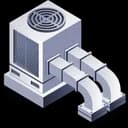
Air handlers move conditioned air through ducts and filters.
Real-World Application
In a residential setting, the air handler ensures that warm or cool air reaches every room, maintaining a comfortable, consistent indoor temperature year-round. In commercial buildings, air handlers can be larger and more complex, often designed to handle more precise air control and filtration needs, essential for maintaining a healthy indoor environment for occupants.
Pro Tip
To extend the life of your HVAC system and ensure optimal performance, schedule regular maintenance checks for your air handler. This includes cleaning or replacing the filters and checking the blower and coils for dirt and damage.
“To extend the life of your HVAC system and ensure optimal performance, schedule regular maintenance checks for your air handler. This includes cleaning or replacing the filters and checking the blower and coils for dirt and damage.”
Important Things to Keep in Mind
- The efficiency of your air handler can significantly impact your HVAC system's overall energy consumption.
- Compatibility with your HVAC system is crucial when replacing or upgrading your air handler.
- Proper sizing of the air handler for your space is key to achieving effective and efficient heating and cooling.
Did You Know?
Modern air handlers can come equipped with advanced features like variable speed fans, which adjust the speed based on the system's needs, resulting in quieter operation and improved energy efficiency.
FAQ
Where is the air handler located?
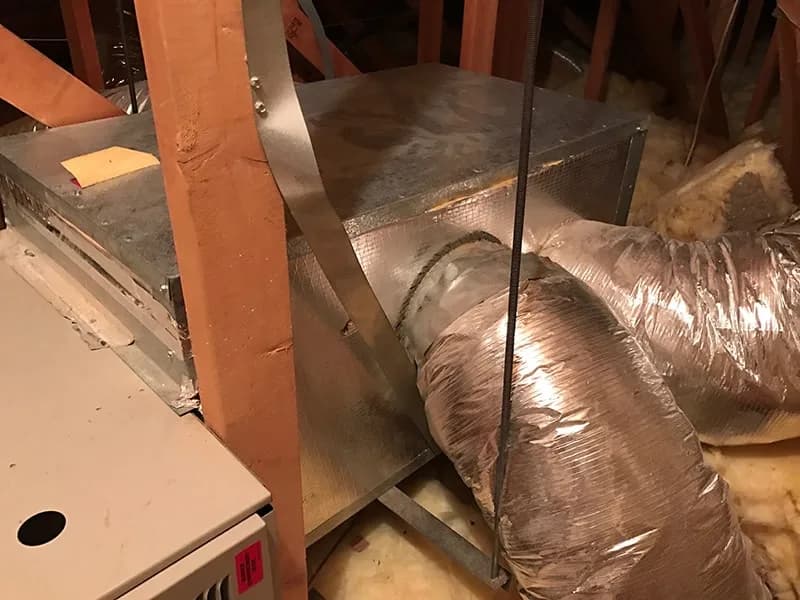
Air handlers are usually in attics, closets, garages, or utility rooms depending on the home’s layout and duct design.
How do I know if my air handler is failing?
Common signs include weak airflow, unusual noises, inconsistent temperatures, or higher energy bills.
Can I replace just the air handler?
Sometimes. A technician will check compatibility with your outdoor unit, coil, and refrigerant type before recommending a swap.
Related Services
Need help with air handler? Our licensed technicians in Las Vegas are ready to assist.
Share This Page
Why Homeowners Trust Us

Ensure Your Comfort with Professional Air Handler Services
Get a Free Estimate
Fill out the form below. Our goal is to reach you within minutes.