

Condenser Coil
The condenser coil is part of the outdoor HVAC unit that releases heat absorbed indoors. The compressor sends hot, high‑pressure refrigerant to the coil, where a fan moves outdoor air across it to dissipate heat and condense the refrigerant back into liquid.
💡 Key Takeaways
- ✓The condenser coil is part of the outdoor HVAC unit that releases heat absorbed indoors. The compressor sends hot, high‑pressure refrigerant to the coil, where a fan moves outdoor air across it to dissipate heat and condense the refrigerant back into liquid.
- ✓Dirty coils reduce heat transfer and raise energy use.
- ✓Corrosion or damage can lead to refrigerant leaks.
- ✓Adequate outdoor airflow is essential for proper heat rejection.
Condenser Coil
/kənˈdɛnsər kɔɪl/
Definition
The condenser coil is part of the outdoor HVAC unit that releases heat absorbed indoors. The compressor sends hot, high‑pressure refrigerant to the coil, where a fan moves outdoor air across it to dissipate heat and condense the refrigerant back into liquid.
What does the condenser coil do?
It releases heat from the refrigerant to the outdoor air, allowing the system to continue cooling.
Source: The Cooling Company

Quick Facts
How Condenser Coil Works
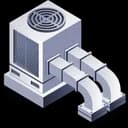
Condenser coils release heat and condense refrigerant.
Real-World Application
On hot days, the condenser coil expels indoor heat to keep the home comfortable. Keeping the coil clean helps the system cool efficiently.
Pro Tip
Clear debris around the outdoor unit and schedule annual maintenance to keep the coil clean and airflow strong.
“Clear debris around the outdoor unit and schedule annual maintenance to keep the coil clean and airflow strong.”
Important Things to Keep in Mind
- Dirty coils reduce heat transfer and raise energy use.
- Corrosion or damage can lead to refrigerant leaks.
- Adequate outdoor airflow is essential for proper heat rejection.
Did You Know?
Modern coils use copper tubes and aluminum fins to boost heat transfer and efficiency.
FAQ
How often should condenser coils be cleaned?
At least once per year, and more often if the unit is in a dusty or leafy area.
Can a damaged condenser coil be repaired?
Minor fin damage can be combed, but leaks usually require professional repair or replacement.
What are signs of a dirty condenser coil?
Longer run times, higher energy bills, and warm air from vents are common signs.
Related Services
Need help with condenser coil? Our licensed technicians in Las Vegas are ready to assist.
Share This Page
Why Homeowners Trust Us
Maximize Your Cooling Efficiency with Expert HVAC Maintenance
Get a Free Estimate
Fill out the form below. Our goal is to reach you within minutes.