

A fresh air intake is an HVAC component that brings outdoor air into a building to improve indoor air quality and maintain healthy ventilation. It helps dilute indoor pollutants, control humidity, and replenish oxygen. Proper placement and filtration ensure incoming air is clean and balanced with exhaust airflow.
/frɛʃ ɛər ˈɪnteɪk/
A fresh air intake is an HVAC component that brings outdoor air into a building to improve indoor air quality and maintain healthy ventilation. It helps dilute indoor pollutants, control humidity, and replenish oxygen. Proper placement and filtration ensure incoming air is clean and balanced with exhaust airflow.
Why is a fresh air intake important?
It brings in clean outdoor air to dilute pollutants and support healthy, comfortable indoor environments.
Source: The Cooling Company

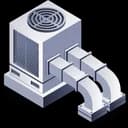
Fresh air intakes balance indoor air quality and comfort.
An office building uses a dedicated outdoor air intake to dilute VOCs and CO2 from occupants and equipment while keeping indoor humidity in a comfortable range.
Keep fresh air intakes away from exhaust vents or loading areas, and clean intake grilles and filters to maintain air quality.
“Keep fresh air intakes away from exhaust vents or loading areas, and clean intake grilles and filters to maintain air quality.”
Improved ventilation has been linked to fewer sick days and better cognitive performance in offices.
Do fresh air intakes increase energy costs?
They can, but ERV/HRV systems help recover energy and reduce the impact.
How often should intake filters be changed?
Typically every 1–3 months, depending on filter type and outdoor conditions.
Can a fresh air intake improve odors indoors?
Yes. Introducing outdoor air helps dilute odors and indoor pollutants.
Need help with fresh air intake? Our licensed technicians in Las Vegas are ready to assist.
Fill out the form below. We typically respond within minutes.


