

Heat Island Effect
The heat island effect is the tendency for urban areas to be warmer than surrounding rural areas due to heat absorbed and re-radiated by buildings, pavement, and reduced vegetation. Added heat from vehicles and HVAC systems can intensify the effect. This raises cooling demand, energy use, and health risks during heat waves.
💡 Key Takeaways
- ✓The heat island effect is the tendency for urban areas to be warmer than surrounding rural areas due to heat absorbed and re-radiated by buildings, pavement, and reduced vegetation. Added heat from vehicles and HVAC systems can intensify the effect. This raises cooling demand, energy use, and health risks during heat waves.
- ✓Dense development and dark surfaces absorb and store heat.
- ✓Heat islands raise cooling loads and peak energy demand.
- ✓Mitigation improves comfort and air quality.
Heat Island Effect
/hiːt ˈaɪlənd ɪˈfɛkt/
Definition
The heat island effect is the tendency for urban areas to be warmer than surrounding rural areas due to heat absorbed and re-radiated by buildings, pavement, and reduced vegetation. Added heat from vehicles and HVAC systems can intensify the effect. This raises cooling demand, energy use, and health risks during heat waves.
Why does the heat island effect matter for HVAC?
It increases outdoor temperatures, which raises cooling load and energy costs.
Source: The Cooling Company

Quick Facts
How Heat Island Effect Works
Green roofs, trees, and cool surfaces reduce urban heat.
Real-World Application
Cities add shade trees, reflective roofs, and cool pavements to lower neighborhood temperatures and reduce AC demand.
Pro Tip
Plant shade trees and use reflective roofing to cut heat gain and cooling costs.
“Plant shade trees and use reflective roofing to cut heat gain and cooling costs.”
Important Things to Keep in Mind
- Dense development and dark surfaces absorb and store heat.
- Heat islands raise cooling loads and peak energy demand.
- Mitigation improves comfort and air quality.
Did You Know?
Urban areas can be 5 C (9 F) or more warmer than nearby rural areas.
FAQ
Does the heat island effect impact utility bills?
Yes. Higher outdoor temps make AC run longer and increase energy use.
Can landscaping reduce heat island effects?
Yes. Trees and green roofs provide shade and evapotranspiration cooling.
Do cool roofs really help?
Yes. Reflective roofs reduce heat absorption and lower indoor temps.
Related Services
Need help with heat island effect? Our licensed technicians in Las Vegas are ready to assist.
Share This Page
Why Homeowners Trust Us

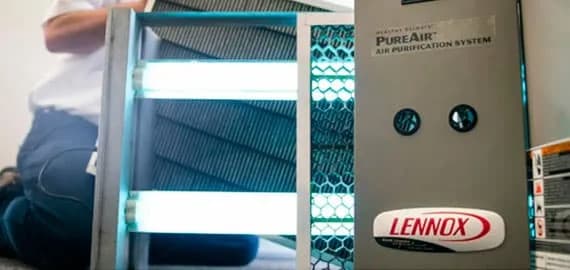
Create Cooler, Greener Urban Spaces
Get a Free Estimate
Fill out the form below. Our goal is to reach you within minutes.