

A HEPA filter meets the High Efficiency Particulate Air standard, capturing at least 99.97% of particles 0.3 microns in size. HEPA filtration is used in HVAC systems, air purifiers, and cleanrooms to reduce dust, pollen, mold, and other airborne particulates. It significantly improves indoor air quality but does not remove gases or odors without additional filtration.
/ˈhɛpə ˈfɪltər/ /haɪ ɪˈfɪʃənsi pɑːrˈtɪkjʊlət ˈɛər/
A HEPA filter meets the High Efficiency Particulate Air standard, capturing at least 99.97% of particles 0.3 microns in size. HEPA filtration is used in HVAC systems, air purifiers, and cleanrooms to reduce dust, pollen, mold, and other airborne particulates. It significantly improves indoor air quality but does not remove gases or odors without additional filtration.
What makes a filter HEPA?
It must capture at least 99.97% of particles at 0.3 microns under standardized testing.
Source: The Cooling Company

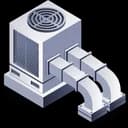
HEPA filters capture 99.97% of 0.3-micron particles.
Homes with allergies use HEPA air purifiers or HVAC upgrades to reduce airborne allergens and improve breathing comfort.
Replace HEPA filters on schedule and confirm your HVAC system can handle the added airflow resistance.
“Replace HEPA filters on schedule and confirm your HVAC system can handle the added airflow resistance.”
HEPA filters were developed in the 1940s to trap radioactive particles.
Do HEPA filters remove viruses?
They capture many virus-sized particles when attached to larger aerosols, but proper system design is key.
Can I use a HEPA filter in any HVAC system?
Not always. HEPA filters add resistance and may require system upgrades.
How often should HEPA filters be replaced?
Follow manufacturer guidance; replacement depends on usage and air quality.
Need help with hepa filter (high efficiency particulate air)? Our licensed technicians in Las Vegas are ready to assist.
Fill out the form below. We typically respond within minutes.


