

Indoor Air Quality (IAQ) describes the health and cleanliness of air inside buildings. IAQ is affected by pollutants like dust, mold, VOCs, and combustion gases, along with ventilation and humidity levels. Good IAQ improves comfort, health, and productivity.
/ˈɪndɔːr ɛr ˈkwɒlɪti/
Indoor Air Quality (IAQ) describes the health and cleanliness of air inside buildings. IAQ is affected by pollutants like dust, mold, VOCs, and combustion gases, along with ventilation and humidity levels. Good IAQ improves comfort, health, and productivity.
Why is indoor air quality important?
Good IAQ reduces allergens and pollutants, supporting healthier, more comfortable indoor spaces.
Source: The Cooling Company

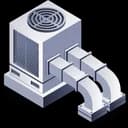
Ventilation, filtration, and humidity control improve IAQ.
Offices improve IAQ with regular HVAC maintenance, upgraded filtration, and fresh air ventilation.
Use IAQ sensors and replace filters on schedule to keep indoor air clean.
“Use IAQ sensors and replace filters on schedule to keep indoor air clean.”
The EPA lists indoor air pollution among the top environmental health risks.
What are common IAQ pollutants?
Dust, mold, VOCs, pet dander, smoke, and combustion gases are common IAQ issues.
Can HVAC systems improve IAQ?
Yes. Proper filtration, ventilation, and humidity control are key to healthy air.
Do plants improve IAQ?
They can help slightly, but ventilation and filtration have a much bigger impact.
Need help with iaq (indoor air quality)? Our licensed technicians in Las Vegas are ready to assist.
Fill out the form below. We typically respond within minutes.


