

Indoor Air Quality (IAQ)
Indoor air quality (IAQ) refers to the condition of the air inside buildings as it relates to the health, comfort, and well-being of occupants. IAQ is affected by pollutants such as dust, pollen, pet dander, mold spores, volatile organic compounds (VOCs), carbon monoxide, and other airborne contaminants. HVAC systems play a central role in managing IAQ through filtration, ventilation, humidity control, and air purification. Poor indoor air quality can trigger allergies, asthma, headaches, fatigue, and other health issues. The EPA has identified indoor air pollution as one of the top environmental health risks, noting that indoor air can be two to five times more polluted than outdoor air.
💡 Key Takeaways
- ✓Indoor air quality (IAQ) refers to the condition of the air inside buildings as it relates to the health, comfort, and well-being of occupants. IAQ is affected by pollutants such as dust, pollen, pet dander, mold spores, volatile organic compounds (VOCs), carbon monoxide, and other airborne contaminants. HVAC systems play a central role in managing IAQ through filtration, ventilation, humidity control, and air purification. Poor indoor air quality can trigger allergies, asthma, headaches, fatigue, and other health issues. The EPA has identified indoor air pollution as one of the top environmental health risks, noting that indoor air can be two to five times more polluted than outdoor air.
- ✓The EPA ranks indoor air pollution among the top five environmental health risks, and Americans spend about 90% of their time indoors.
- ✓Humidity levels between 30% and 50% discourage mold growth and dust mites while keeping respiratory passages comfortable.
- ✓Regular HVAC filter changes, duct cleaning, and proper ventilation are the most effective ways to improve IAQ in any home.
Indoor Air Quality (IAQ)
/ˈɪndɔːr ˈɛər ˈkwɑːlɪti/
Definition
Indoor air quality (IAQ) refers to the condition of the air inside buildings as it relates to the health, comfort, and well-being of occupants. IAQ is affected by pollutants such as dust, pollen, pet dander, mold spores, volatile organic compounds (VOCs), carbon monoxide, and other airborne contaminants. HVAC systems play a central role in managing IAQ through filtration, ventilation, humidity control, and air purification. Poor indoor air quality can trigger allergies, asthma, headaches, fatigue, and other health issues. The EPA has identified indoor air pollution as one of the top environmental health risks, noting that indoor air can be two to five times more polluted than outdoor air.
What is indoor air quality?
Indoor air quality (IAQ) measures how clean and healthy the air inside your home or building is. It is influenced by pollutants, humidity, ventilation, and your HVAC system's filtration capabilities.
Source: The Cooling Company

Quick Facts
How Indoor Air Quality (IAQ) Works
Your HVAC system is your first line of defense for cleaner indoor air.
Real-World Application
Las Vegas homes face unique IAQ challenges. Desert dust, construction debris, and low humidity can introduce fine particulates and dry out nasal passages. Tight home construction for energy efficiency can trap pollutants indoors. A well-maintained HVAC system with proper filtration, fresh air ventilation, and humidity control addresses these desert-specific concerns.
Pro Tip
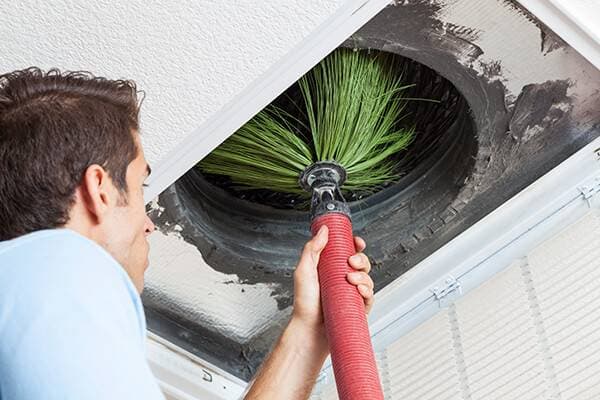
Upgrade to a MERV 11 or higher air filter and consider adding a whole-home air purifier to your HVAC system. Combined with regular duct cleaning and proper ventilation, these steps dramatically improve indoor air quality.
“Upgrade to a MERV 11 or higher air filter and consider adding a whole-home air purifier to your HVAC system. Combined with regular duct cleaning and proper ventilation, these steps dramatically improve indoor air quality.”
Important Things to Keep in Mind
- The EPA ranks indoor air pollution among the top five environmental health risks, and Americans spend about 90% of their time indoors.
- Humidity levels between 30% and 50% discourage mold growth and dust mites while keeping respiratory passages comfortable.
- Regular HVAC filter changes, duct cleaning, and proper ventilation are the most effective ways to improve IAQ in any home.
Did You Know?
According to the EPA, indoor air can contain two to five times more pollutants than outdoor air. In some cases, indoor pollution levels can be up to 100 times higher than outside.
FAQ
How can I test my indoor air quality?
Home IAQ monitors measure particulates, CO2, humidity, and VOCs. For a thorough assessment, hire a professional IAQ testing service.
What HVAC upgrades improve indoor air quality?
Higher-rated filters (MERV 11+), UV germicidal lights, whole-home air purifiers, and energy recovery ventilators all significantly improve IAQ.
Why is indoor air quality worse than outdoor air?
Modern homes are well sealed for energy efficiency, which traps pollutants from cooking, cleaning products, building materials, and occupants inside without adequate ventilation.
Related Services
Need help with indoor air quality (iaq)? Our licensed technicians in Las Vegas are ready to assist.
Share This Page
Why Homeowners Trust Us
Breathe Easier at Home with Professional IAQ Solutions
Get a Free Estimate
Fill out the form below. Our goal is to reach you within minutes.