

Negative Pressure
Negative pressure happens when the air pressure inside your home drops below the air pressure outside. When that occurs, outside air gets pulled in through any gap it can find: door frames, window seams, electrical outlets, and openings around ductwork. It is usually caused by exhaust fans, a clothes dryer, or an HVAC system that pushes out more air than it brings in. A small amount is normal, but too much negative pressure wastes energy and can pull in dust, humidity, or even fumes.
💡 Key Takeaways
- ✓Negative pressure happens when the air pressure inside your home drops below the air pressure outside. When that occurs, outside air gets pulled in through any gap it can find: door frames, window seams, electrical outlets, and openings around ductwork. It is usually caused by exhaust fans, a clothes dryer, or an HVAC system that pushes out more air than it brings in. A small amount is normal, but too much negative pressure wastes energy and can pull in dust, humidity, or even fumes.
- ✓Negative pressure pulls unconditioned outside air into your home through the smallest gaps.
- ✓Common causes include exhaust fans, clothes dryers, and unbalanced HVAC airflow.
- ✓Too much of it raises energy bills and can draw in dust, moisture, or combustion fumes.
Negative Pressure
/ˈnɛɡ.ə.tɪv ˈprɛʃ.ər/
Definition
Negative pressure happens when the air pressure inside your home drops below the air pressure outside. When that occurs, outside air gets pulled in through any gap it can find: door frames, window seams, electrical outlets, and openings around ductwork. It is usually caused by exhaust fans, a clothes dryer, or an HVAC system that pushes out more air than it brings in. A small amount is normal, but too much negative pressure wastes energy and can pull in dust, humidity, or even fumes.
What causes negative air pressure in a house?
Negative pressure occurs when more air leaves your home than enters it, usually from exhaust fans, dryers, or unbalanced HVAC airflow. The low indoor pressure pulls outside air in through gaps around doors, windows, and outlets until the pressure balances out.
Source: The Cooling Company
Quick Facts
Real-World Application
In a real home, you might notice negative pressure as a whistle around a door, a front door that is hard to open, or a musty smell when the bathroom fan runs. In Las Vegas, it often pulls hot, dusty desert air indoors, forcing your AC to work harder and pushing up summer energy bills.
Pro Tip
Run large exhaust fans only as long as you need them, and crack a nearby window when using a range hood or whole-house fan so fresh air can replace what leaves without straining your system.
“Run large exhaust fans only as long as you need them, and crack a nearby window when using a range hood or whole-house fan so fresh air can replace what leaves without straining your system.”
Important Things to Keep in Mind
- Negative pressure pulls unconditioned outside air into your home through the smallest gaps.
- Common causes include exhaust fans, clothes dryers, and unbalanced HVAC airflow.
- Too much of it raises energy bills and can draw in dust, moisture, or combustion fumes.
Did You Know?
Strong negative pressure can cause backdrafting, where a gas water heater or furnace pulls its own exhaust back into the home instead of safely venting it outside.
FAQ
Is negative pressure in my home dangerous?
A small amount is normal and harmless. Strong negative pressure can be risky because it may backdraft a gas furnace or water heater, pulling exhaust gases like carbon monoxide back indoors.
How do I know if my house has negative pressure?
Watch for doors that resist opening or slam shut, whistling around windows, sudden drafts, or a backdraft when you light a gas appliance. A pro can measure it with a manometer during an inspection.
Can my HVAC system cause negative pressure?
Yes. Leaky return ducts or a system that exhausts more air than it supplies can drop indoor pressure. Sealing ducts and adding balanced makeup air usually corrects the problem.
Related Services
Need help with negative pressure? Our licensed technicians in Las Vegas are ready to assist.
Share This Page
Why Homeowners Trust Us

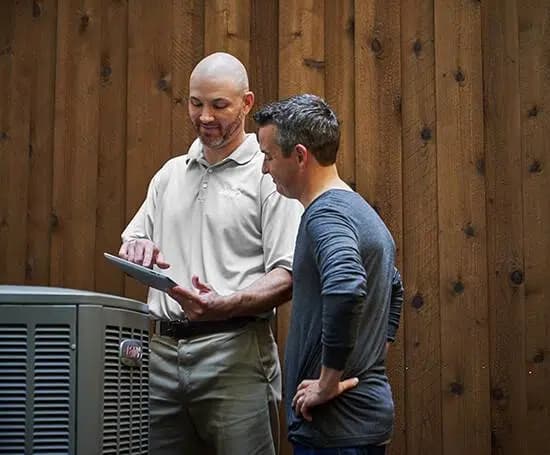
Balance Your Home's Air with a Cooling Company Airflow Check
Get a Free Estimate
Fill out the form below. Our goal is to reach you within minutes.