

Water Heater
A water heater is a plumbing appliance that heats and stores (or heats on demand) domestic hot water for bathing, cooking, cleaning, and other household uses. The two main types are storage tank water heaters, which maintain a reservoir of 30 to 80 gallons of heated water, and tankless (on-demand) water heaters, which heat water only as it flows through the unit. Both types are available in gas-fired and electric models. Water heater efficiency is measured by Uniform Energy Factor (UEF), with higher numbers indicating better efficiency. Proper sizing, maintenance, and temperature settings ensure reliable hot water while minimizing energy costs and safety risks.
💡 Key Takeaways
- ✓A water heater is a plumbing appliance that heats and stores (or heats on demand) domestic hot water for bathing, cooking, cleaning, and other household uses. The two main types are storage tank water heaters, which maintain a reservoir of 30 to 80 gallons of heated water, and tankless (on-demand) water heaters, which heat water only as it flows through the unit. Both types are available in gas-fired and electric models. Water heater efficiency is measured by Uniform Energy Factor (UEF), with higher numbers indicating better efficiency. Proper sizing, maintenance, and temperature settings ensure reliable hot water while minimizing energy costs and safety risks.
- ✓Las Vegas hard water accelerates sediment buildup. Flush your tank water heater at least once per year to maintain efficiency and prevent premature failure.
- ✓The anode rod is a sacrificial component that protects the tank from corrosion. Checking it every two to three years can double your water heater's lifespan.
- ✓Tankless water heaters provide unlimited hot water but require adequate gas line sizing and may need descaling annually in hard water areas.
Water Heater
/ˈwɔːtər ˈhiːtər/
Definition
A water heater is a plumbing appliance that heats and stores (or heats on demand) domestic hot water for bathing, cooking, cleaning, and other household uses. The two main types are storage tank water heaters, which maintain a reservoir of 30 to 80 gallons of heated water, and tankless (on-demand) water heaters, which heat water only as it flows through the unit. Both types are available in gas-fired and electric models. Water heater efficiency is measured by Uniform Energy Factor (UEF), with higher numbers indicating better efficiency. Proper sizing, maintenance, and temperature settings ensure reliable hot water while minimizing energy costs and safety risks.
What are the types of water heaters?
The two main types are tank (storage) water heaters that keep a reservoir of hot water ready, and tankless (on-demand) water heaters that heat water only when you turn on the faucet.
Source: The Cooling Company
Quick Facts
How Water Heater Works
Tank water heaters store hot water; tankless units heat water on demand.
Real-World Application
Las Vegas homes typically use 50 to 80-gallon tank water heaters, though tankless models are growing in popularity. The hard water common in the Las Vegas valley accelerates mineral buildup (scale) inside water heaters, reducing efficiency and shortening lifespan. Annual flushing and anode rod inspection are particularly important here to extend equipment life.
Pro Tip
Set your water heater to 120°F. This prevents scalding, reduces mineral buildup, and saves energy compared to the factory default of 140°F. If you have a dishwasher without a built-in heater, 120°F is still sufficient for most models.
“Set your water heater to 120°F. This prevents scalding, reduces mineral buildup, and saves energy compared to the factory default of 140°F. If you have a dishwasher without a built-in heater, 120°F is still sufficient for most models.”
Important Things to Keep in Mind
- Las Vegas hard water accelerates sediment buildup. Flush your tank water heater at least once per year to maintain efficiency and prevent premature failure.
- The anode rod is a sacrificial component that protects the tank from corrosion. Checking it every two to three years can double your water heater's lifespan.
- Tankless water heaters provide unlimited hot water but require adequate gas line sizing and may need descaling annually in hard water areas.
Did You Know?
Water heating is the second largest energy expense in most American homes, accounting for about 18% of total energy use. In Las Vegas, only air conditioning costs more.
FAQ
How long does a water heater last?
Tank water heaters typically last 8 to 12 years, while tankless models can last 15 to 20 years. Las Vegas hard water may shorten these lifespans without regular maintenance.
Should I choose tank or tankless?
Tank heaters cost less upfront and work well for most homes. Tankless heaters save space, provide endless hot water, and last longer, but cost more initially and need annual descaling in hard water areas.
How do I know when my water heater needs replacing?
Signs include rusty water, rumbling or banging noises, leaks around the base, inconsistent water temperature, and the unit being over 10 years old.
Related Services
Need help with water heater? Our licensed technicians in Las Vegas are ready to assist.
Share This Page
Why Homeowners Trust Us
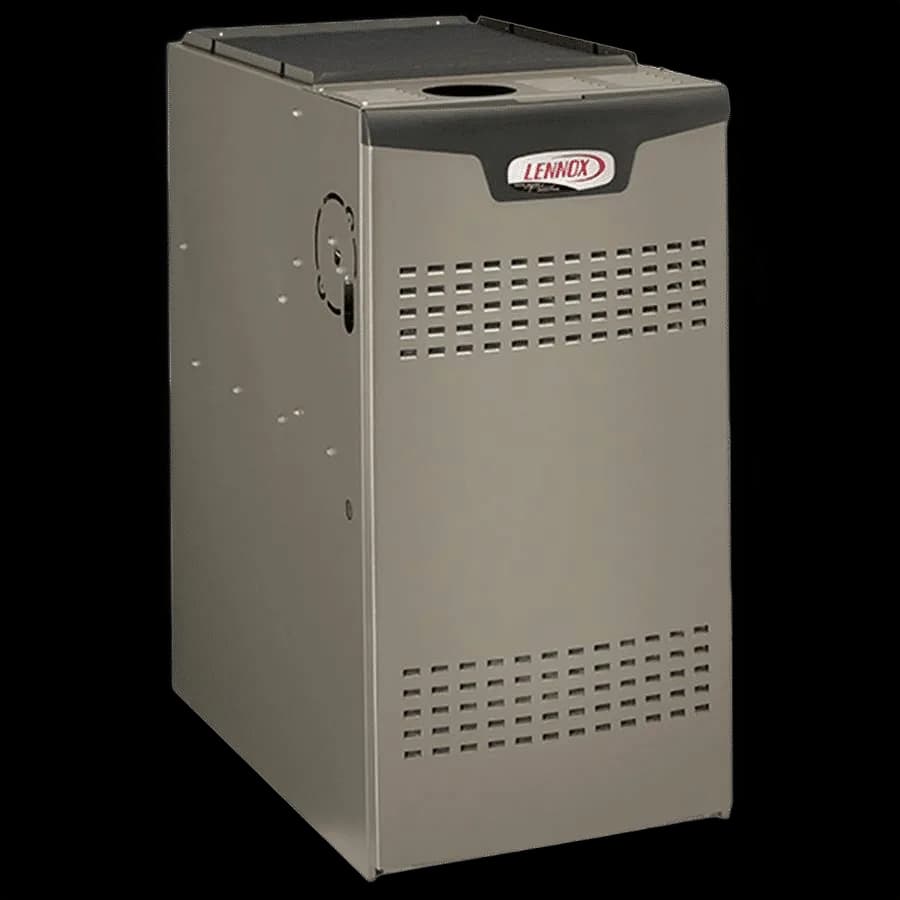
Get Reliable Hot Water with Expert Water Heater Service
Get a Free Estimate
Fill out the form below. Our goal is to reach you within minutes.