

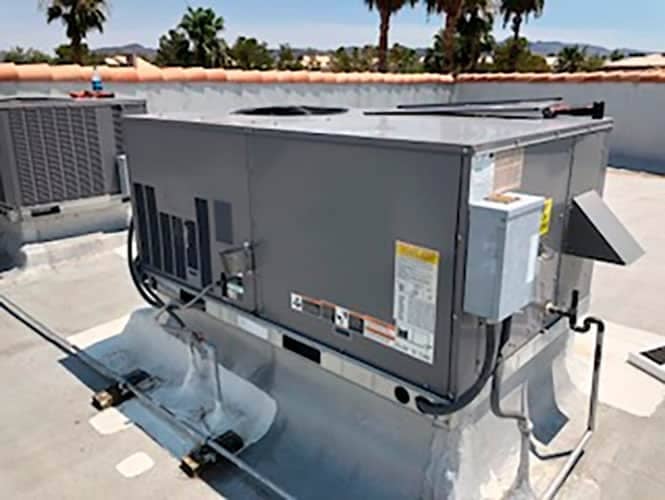
24 Hour Heating Repair in Las Vegas
Short answer: Call 24/7 heating repair in Las Vegas when heat is out, safety alarms are triggered, or vulnerable family members cannot stay warm. Emergency service focuses on safe stabilization first, then completes a permanent repair once parts and daytime scheduling are available.
What can change the emergency repair cost
Emergency heating repair costs vary based on several factors. Understanding these cost drivers helps you budget and compare quotes accurately.
- Time of day and after-hours premium: Calls after 5 PM, on weekends, or holidays typically add 25-100% to standard rates. Peak demand periods during cold snaps may increase premiums further.
- Parts availability and diagnostic complexity: Common parts (ignitors, flame sensors, capacitors) are often stocked on trucks, keeping costs lower. Specialized or discontinued parts require ordering and may delay repairs, adding trip charges.
- Whether a safety shutdown or lockout is involved: Systems with safety lockouts need additional testing and verification, increasing diagnostic time and labor costs.
- Access to the equipment and required testing: Furnaces in tight attics, crawl spaces, or behind stored items take longer to service. Combustion testing, CO checks, and vent inspections add time but are essential for safety.
- Temporary stabilization vs. full repair on site: Emergency techs may provide a safe temporary fix if parts aren't available, requiring a follow-up visit. Full same-night repairs cost more but avoid return trips.
- System type and age: Older systems may need more extensive diagnostics. Heat pumps require refrigerant testing, while gas furnaces need combustion analysis.
- Labor rates and company overhead: Licensed, insured contractors with certified technicians charge more but provide proper documentation, warranties, and code compliance.
When to Call for Emergency Heating Repair
- No heat during cold nights or sudden weather drops
- Gas smells, smoke, or electrical burning odors
- Carbon monoxide alarm is sounding
- Furnace or heat pump keeps shutting down
- Infants, seniors, or medical needs in the home
Emergency checklist: what to do right now
Follow these steps immediately if you have a heating emergency. Your safety comes first.
Immediate safety actions (do these first)
- If you smell gas: Leave the home immediately, do not use phones or switches inside, call 911 or your gas utility from outside, and wait for emergency responders before re-entering.
- If your CO alarm sounds: Evacuate everyone immediately, call 911, open windows if safe to do so, and do not re-enter until emergency services clear the home.
- If you see smoke or sparks: Turn off the system at the breaker immediately, unplug if safe, and call emergency services if fire is present.
- If you hear loud banging or grinding: Turn off the system to prevent further damage and call for emergency service.
Before calling emergency service (if safe)
- Check thermostat: Ensure it's set to HEAT mode and the temperature is set higher than the current room temperature. Replace batteries if the display is blank.
- Check breakers: Look for tripped breakers in your electrical panel. Reset once only—if it trips again, leave it off and call a technician.
- Check power switch: Locate the furnace power switch (usually a wall switch near the unit) and ensure it's in the ON position.
- Check filter: A severely clogged filter can cause shutdowns. Replace if dirty, but only if safe to access.
- Keep doors closed: Retain as much heat as possible by closing doors to unused rooms.
- Document symptoms: Note when the problem started, any error codes on the thermostat, unusual sounds, or odors to share with the dispatcher.
What NOT to do
- Do not attempt to repair gas lines, electrical components, or refrigerant systems yourself.
- Do not repeatedly reset breakers or override safety switches.
- Do not ignore gas odors or CO alarms—these require immediate professional attention.
- Do not use unvented space heaters indoors—they produce dangerous CO.
Safe Steps to Try First
- Check thermostat mode, setpoint, and batteries
- Confirm the breaker and furnace power switch
- Replace clogged air filters
- Make sure supply and return vents are open
What to Tell the Dispatcher
- Your address and the type of system (furnace, heat pump, or both)
- Whether you smell gas or have a CO alarm
- Any error codes or flashing lights
- Who is in the home and any medical concerns
What to have ready for faster triage
- System age or last service date if known.
- Access instructions for gated communities or pets.
- Whether the system short cycles or will not start.
What Emergency Service Typically Includes
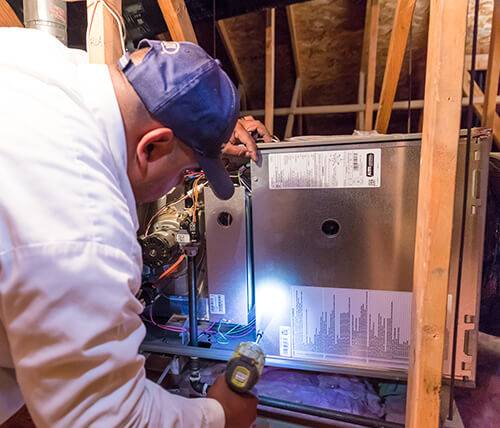
Emergency visits prioritize safety checks, fast diagnostics, and restoring heat if possible. If parts are required, technicians often provide a temporary safe fix and schedule a follow-up repair during normal hours.
What to expect during the visit
- Rapid safety inspection and system shutoff if needed
- Diagnosis with clear explanation of the issue
- Options for immediate repair if parts are available
- Temporary stabilization plan if parts are ordered
After-visit report you should receive
- Safety findings and any shutoff reasons.
- Parts needed and expected timelines.
- Clear pricing for the next repair step.
- Steps to keep the home safe overnight.
After-Hours Heating Repair Cost
After-hours pricing varies by time and issue. Many emergency visits fall between $250 and $800 depending on the diagnosis, parts, and labor. Ask for the trip fee, after-hours premium, and a written estimate before authorizing major work.
Typical emergency repair cost ranges
- Emergency service call/diagnosis: $150-$300 (includes after-hours premium)
- Common quick repairs: $200-$600 (ignitor, flame sensor, capacitor, thermostat)
- Mid-level repairs: $400-$900 (blower motor, control board, inducer motor)
- Major repairs: $900-$2,500+ (heat exchanger, compressor, significant component failures)
Prices reflect Las Vegas market rates and include after-hours premiums. Same-night repairs may cost more than temporary fixes with follow-up visits.
Safety guidance: staying warm while waiting
If you're waiting for emergency service, follow these safety guidelines to stay warm without creating new hazards.
Space heater safety tips
- Use only heaters with tip-over protection and automatic shutoff features
- Keep heaters at least 3 feet away from fabric, furniture, curtains, and bedding
- Plug heaters directly into the wall outlet—never use extension cords or power strips
- Turn heaters off when sleeping or leaving the room
- Place heaters on a level, hard surface away from foot traffic
- Never use unvented propane or kerosene heaters indoors—they produce deadly carbon monoxide
Additional safety measures
- Layer clothing and use blankets to retain body heat
- Close doors to unused rooms to concentrate heat in occupied areas
- Cover windows with blankets or plastic to reduce heat loss
- Stay hydrated—cold weather can be dehydrating
- Check on vulnerable family members (infants, elderly, those with medical conditions) frequently
- If temperatures drop dangerously low, consider relocating to a warmer location until service arrives
Helpful resources for Las Vegas homeowners
- Common heater problems
- Heater not working
- Furnace troubleshooting
- Average heating repair cost
- Heating repair service
Repair or Replace?
If your system is old and repairs are frequent, emergency calls can be the point where replacement makes more sense. A technician can help compare repair cost versus replacement value and outline options for efficiency upgrades.
Our repair vs. replacement guide breaks down the costs you can expect.
Why Choose The Cooling Company
- Serving Las Vegas since 2011 with 55+ years of combined experience
- Licensed, EPA-certified technicians
- Clear options and upfront pricing
- Emergency response across Las Vegas, Henderson, and North Las Vegas
- Maintenance plans to reduce future emergencies
Las Vegas Emergency Triage Notes
- Gas odors, CO alarms, or smoke trigger immediate response.
- No-heat calls with vulnerable residents are prioritized.
- We confirm a safe, realistic arrival window when you call.
FAQs About 24 Hour Heating Repair
How fast can a tech arrive?
Arrival times depend on call volume and safety priority. Calls with safety risks are handled first.
Is it safe to use space heaters?
Use only heaters with tip-over protection, keep them away from fabric, and avoid extension cords.
Will my heat be restored the same night?
Often yes if common parts are available. If not, a safe temporary fix is provided.
Do you service all of Las Vegas?
Yes. We serve Las Vegas, Henderson, and North Las Vegas.
Can I prevent future emergency calls?
Annual heating maintenance and filter changes reduce the risk of sudden breakdowns.
Should I turn the system off if it keeps short cycling?
If you smell gas, see smoke, or hear a CO alarm, shut it down immediately and leave. If it is short cycling without safety symptoms, turn it off and call for service.
Need HVAC Service in Las Vegas?
The Cooling Company provides expert HVAC service throughout Las Vegas, Henderson, and North Las Vegas. Our licensed technicians deliver honest assessments, upfront pricing, and reliable results.
Call (702) 567-0707 or visit heating, furnace repair, heating maintenance, or heat pump installation for details.
Share This Page
Need Emergency Heating Repair Now?
Don't wait when your heat is out or safety alarms are triggered. The Cooling Company provides 24/7 emergency heating repair throughout Las Vegas, Henderson, and North Las Vegas. Our licensed technicians respond quickly to restore safe heat and prevent further damage.
Call (702) 567-0707 now for immediate emergency service. Our dispatchers will triage your call, prioritize safety concerns, and provide an estimated arrival window.
For non-emergency heating issues, Schedule Now online or call during business hours to avoid after-hours premiums.