

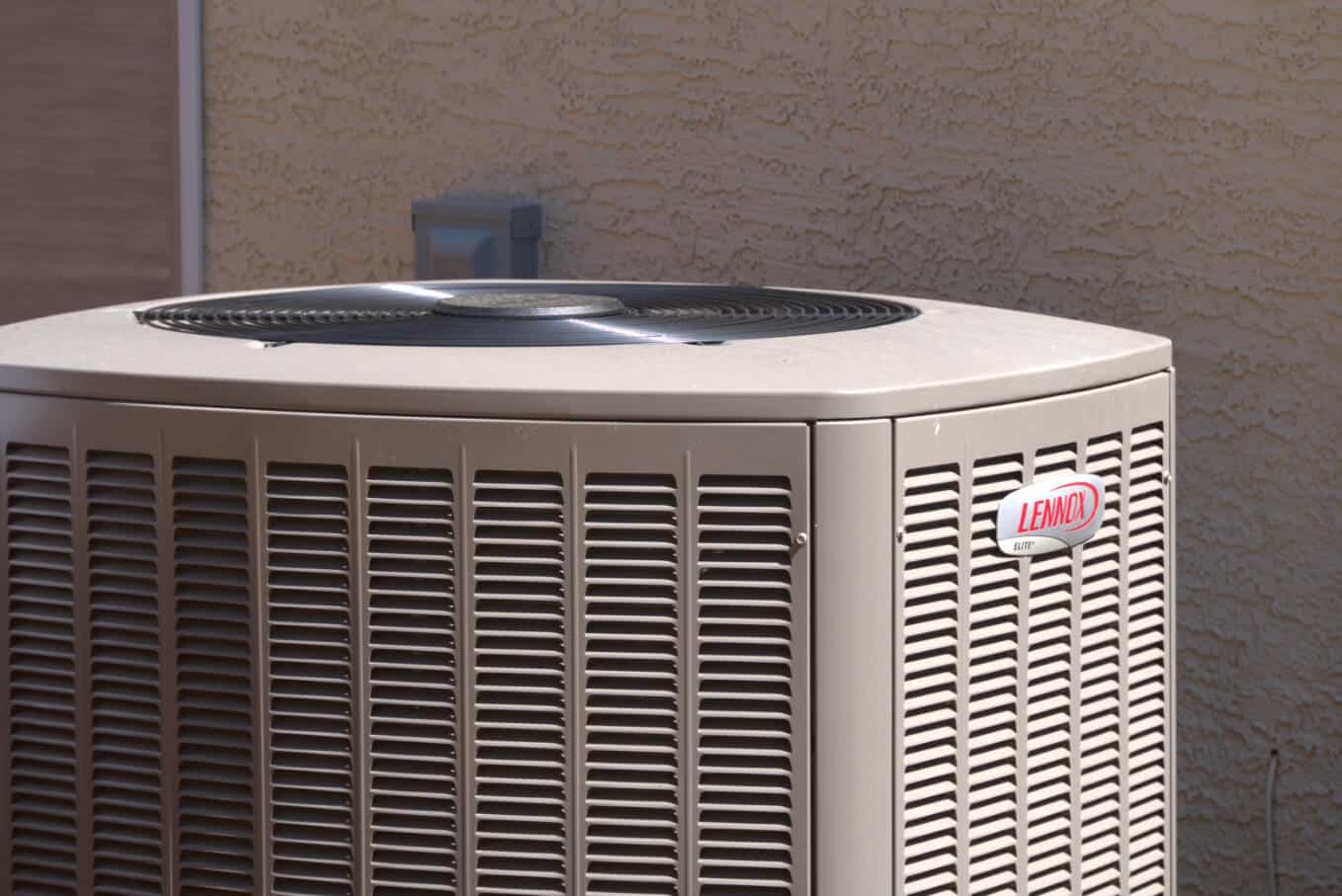
Short answer: Attic insulation reduces heat transfer through your roof, cutting AC runtime and stabilizing indoor temperatures. In Las Vegas, upgraded attic insulation and proper ventilation can noticeably lower summer cooling costs and reduce strain on HVAC equipment. Pair insulation upgrades with air sealing and duct checks for the best return.
Local Essentials & Challenges in Las Vegas
Las Vegas attics see extreme summer heat and intense solar exposure that can overwhelm older insulation. Homes with tile roofs or older venting patterns can trap heat, making air sealing and baffle placement essential. Desert dust also settles in attics and can compress insulation over time, reducing R-value.
Why Is Attic Insulation Important?
Your attic, also known as the roof space, is more than just a storage area. It contains various components like facias, skylights, ventilation ducts, and plumbing pipes. Attic insulation is the process of sealing off cracks and gaps in your attic to prevent hot or cold air from entering or escaping your home. Without proper insulation, your home can become unbearable during extreme weather conditions. An uninsulated attic can lead to increased utility bills as your air conditioning (AC) system works overtime to regulate the temperature inside your home. This constant AC use not only drives up your energy costs but also puts additional strain on your HVAC unit.The Role of Attic Insulation in Energy Efficiency
According to the Environmental Protection Agency (EPA), effective insulation practices can reduce energy use in an average American home by up to 40 percent. This means significant savings on your energy bills and a reduced carbon footprint.How Does Attic Insulation Work?
Attic insulation creates a barrier that helps maintain a stable temperature in your home. Without insulation, your attic becomes a space where air constantly circulates, leading to uncomfortable temperature fluctuations. With insulation, you create a “dead air space” between rafters, preventing warm air from escaping during winter and keeping cool air inside during summer. Additionally, your attic’s insulation is closely linked to your HVAC system’s efficiency. A properly insulated attic ensures that your HVAC system can effectively regulate the temperature in your home, reducing the workload and energy consumption.Types of Attic Insulation
There are several types of attic insulation available, each with its own advantages:- Fiberglass: This is a common and cost-effective option made from tiny glass fibers woven together with cotton batting. It provides good insulation but is less fire-resistant.
- Cellulose: Made from recycled newspapers treated with boric acid, cellulose insulation is less expensive than some options but may not insulate as well.
- Foam Board: Although more expensive, foam board insulation offers better thermal resistance, making it a more efficient insulator.
- Mineral Wool: This type is composed mainly of rock mineral materials and provides excellent thermal resistance, making it ideal for areas with extreme temperatures.
Benefits of Attic Insulation
Proper attic insulation offers several benefits:- Increased Energy Efficiency: Insulation keeps heat in during winter and cool air out during summer, reducing HVAC workload and energy bills.
- Reduced Heat Loss: Insulated attics prevent heat from escaping, ensuring a more comfortable living environment.
- Lower Air Conditioning Costs: By keeping cool air inside, insulation reduces the need for excessive AC use.
- Improved Indoor Air Quality: Insulation acts as a barrier against pests, preventing damage to your roof and walls.
- Enhanced Comfort: Attic insulation helps maintain a consistent temperature throughout the year, increasing comfort in your home.
Signs You Need New Insulation
To determine if you need new insulation, inspect your attic for signs of wear, damage, or inadequate insulation. Look for cracks, water damage, and evidence of pests. Inadequate insulation can result in higher energy bills and discomfort in your home.Preparing for Attic Insulation
Before installing new insulation, inspect the attic for cracks, damage, and cleanliness. Repair any issues such as water leaks or pest infestations, and ensure the space is clean and free of dust and debris.How Much Insulation Do You Need?
The amount of insulation required depends on factors like the attic’s usage and climate zone. The effectiveness of insulation is measured by the R-Value, which varies by region. It’s crucial to achieve the recommended R-Value for your area to ensure proper insulation.Types of Insulation Materials
Selecting the right insulation material is crucial for efficiency and safety. Common options include:- Rolls or Blanket Bats
- Spray Foam
- Blown-In or Loose-Fill
- Foam Board or Rigid Foam Panels
- Reflective or Radiant Barrier
Attic Insulation Tips
Hiring professionals for attic insulation ensures even coverage and proper sealing of gaps, optimizing your investment. They can also recommend the best insulation material for your specific needs.What to Expect During Installation
The installation process can take anywhere from a few days to a couple of weeks, depending on your attic’s size and insulation needs. After installation, you’ll notice a significant reduction in energy bills, improved comfort, and a more consistent temperature in your home. Attic insulation is especially crucial in extreme climates like Las Vegas, where summers are scorching, and winters can be chilly. Proper insulation helps maintain a comfortable home year-round.Cost Drivers for Attic Insulation Projects
- Attic size and access: Low-clearance or tight access raises labor time.
- Material choice: Blown-in, batts, spray foam, or radiant barrier all price differently.
- Air sealing scope: Sealing penetrations adds labor but boosts performance.
- Old insulation removal: Contaminated or compacted material may need removal.
- Ductwork fixes: Leaky attic ducts often need sealing or insulation upgrades.
Decision Guidance: DIY Touch-Ups vs. Pro Installation
- DIY makes sense: Small gaps, attic hatch sealing, or topping off a few low spots.
- Call a pro: You need air sealing, duct fixes, or full-coverage blown-in insulation.
- Replace vs. Add: If insulation is wet, moldy, or pest-damaged, remove and replace.
Prevention: Keep Insulation Performing Over Time
Check the attic yearly for roof leaks, compressed areas, or blocked soffit vents. Keep baffles clear and avoid storing heavy items directly on insulation. If you see dust trails or hot spots on ceilings, schedule a professional assessment before the next cooling season.How We Can Help
Attic insulation is a wise investment that pays off in energy savings, comfort, and improved indoor air quality. Whether you’re looking to reduce your energy bills or make your home more comfortable, attic insulation is a crucial step. Contact professionals like The Cooling Company to assess your attic insulation needs and help you enjoy a more efficient and comfortable living space. Don’t wait; start saving money and enhancing your home’s energy efficiency today!Neighborhood Notes for Insulation Upgrades
Older neighborhoods near Downtown Las Vegas and Paradise often have thinner or uneven attic insulation, while homes in Summerlin and Green Valley may already meet newer code targets but still benefit from air sealing. In North Las Vegas and Sunrise Manor, high wind exposure makes radiant barriers and baffle placement especially helpful for reducing attic heat buildup.Trust & Guarantees
- Serving Las Vegas since 2011 with 55+ years of combined experience
- Licensed, EPA-certified technicians
- 100% satisfaction guarantee and clear, upfront estimates
- BBB A+ rating and Lennox Premier Dealer credentials
Service Area Map
Frequently Asked Questions
How hot does a Las Vegas attic actually get in summer?
On a 115 degree afternoon, attic air temperature in a typical Las Vegas tract home reaches 150 to 165 degrees, and the underside of the roof decking can read 175 degrees on a south-facing tile roof. That superheated air radiates straight down through the ceiling drywall into your bedrooms unless you have enough insulation between you and it. The temperature delta is why Henderson and Summerlin homes with R-19 attics struggle to hold 78 degrees in July, even with a new system. Our tune-up service catches related airflow problems.
How much insulation should I add to my Las Vegas attic?
Bring it to R-38 if you are at R-19, and to R-49 if you have a two-story home with bedrooms over the garage or a west-facing roofline. The Department of Energy targets R-30 to R-60 for Climate Zone 3, where Las Vegas sits. Most 1980s and 1990s homes in Spring Valley and east of the Strip were built to R-19, which Code-of-the-day allowed but no longer suits a market with 110-degree-plus summers and rising NV Energy rates. Blown-in cellulose or fiberglass layered over existing batts is the cleanest retrofit.
Do I need a radiant barrier in addition to insulation in Las Vegas?
For homes with high solar gain on the roof, yes. A radiant barrier (a reflective foil applied to the underside of the rafters) reflects 90-plus percent of incoming radiant heat before it reaches your batt or blown-in layer. On a tile roof in North Las Vegas or Aliante, adding a radiant barrier drops attic temperature 15 to 25 degrees on peak days, which directly cuts AC runtime. Without it, the insulation has to absorb and re-radiate that heat. Combine the barrier with proper baffles at the eaves so the assembly still vents.
Will better attic insulation help my AC last longer?
Yes. An undersized or under-insulated attic forces the compressor to run 14 to 20 hours per day from June through September. Compressors and condenser fan motors fail by total runtime hours more than by calendar age, so cutting runtime 25 percent typically buys you three to five extra years of equipment life. We see this clearly when we replace a system on a Boulder City home with R-19 attic, then watch the new unit struggle the same way. Bundle insulation with AC replacement for the right outcome.
Can desert dust ruin my attic insulation over time?
Caliche dust and fine desert silt that infiltrate through unsealed eaves, dropped soffit lines, and old whole-house fan housings settle into blown-in insulation over the years. The dust compresses the fibers and reduces R-value, sometimes by 20 to 30 percent in attics that are 25 years old or more. Compression matters more than people realize: an R-38 attic that has compressed to four inches of effective coverage is performing closer to R-13. Air sealing penetrations and adding a fresh blown-in cap usually restores performance.
Share This Page