

Climate Zone
Climate zones are geographic regions grouped by typical temperature and precipitation patterns. In building and HVAC design, climate zones guide insulation levels, equipment sizing, and efficiency strategies so homes stay comfortable and energy‑efficient year‑round.
💡 Key Takeaways
- ✓Climate zones are geographic regions grouped by typical temperature and precipitation patterns. In building and HVAC design, climate zones guide insulation levels, equipment sizing, and efficiency strategies so homes stay comfortable and energy‑efficient year‑round.
- ✓Elevation and proximity to water can shift local micro‑climates.
- ✓Building codes often set minimum requirements by climate zone.
- ✓Landscaping and shading strategies can boost comfort and efficiency.
Climate Zone
/ˈklaɪmɪt zoʊn/
Definition
Climate zones are geographic regions grouped by typical temperature and precipitation patterns. In building and HVAC design, climate zones guide insulation levels, equipment sizing, and efficiency strategies so homes stay comfortable and energy‑efficient year‑round.
Why do climate zones matter for HVAC design?
They determine heating and cooling loads, guiding insulation levels and equipment sizing for efficiency and comfort.
Source: The Cooling Company

Quick Facts
How Climate Zone Works
Climate zones influence insulation, HVAC sizing, and energy use.
Real-World Application
Designers in colder zones prioritize high‑performance insulation and efficient heating, while hot‑dry zones focus on cooling, shading, and ventilation.
Pro Tip
When planning a new build or major retrofit, use local climate zone guidance to avoid under‑ or over‑sizing HVAC systems.
“When planning a new build or major retrofit, use local climate zone guidance to avoid under‑ or over‑sizing HVAC systems.”
Important Things to Keep in Mind
- Elevation and proximity to water can shift local micro‑climates.
- Building codes often set minimum requirements by climate zone.
- Landscaping and shading strategies can boost comfort and efficiency.
Did You Know?
Climate zoning concepts date back to ancient Greece and have evolved with modern climate science.
FAQ
How do I find my climate zone?
Local building codes or HVAC professionals can identify your zone based on regional climate data.
Can climate zones change HVAC sizing?
Yes. Hot or cold zones require different capacity and insulation levels to meet loads efficiently.
Do micro‑climates matter?
They can. Elevation, shade, and nearby water can affect local loads and comfort needs.
Related Services
Need help with climate zone? Our licensed technicians in Las Vegas are ready to assist.
Share This Page
Why Homeowners Trust Us


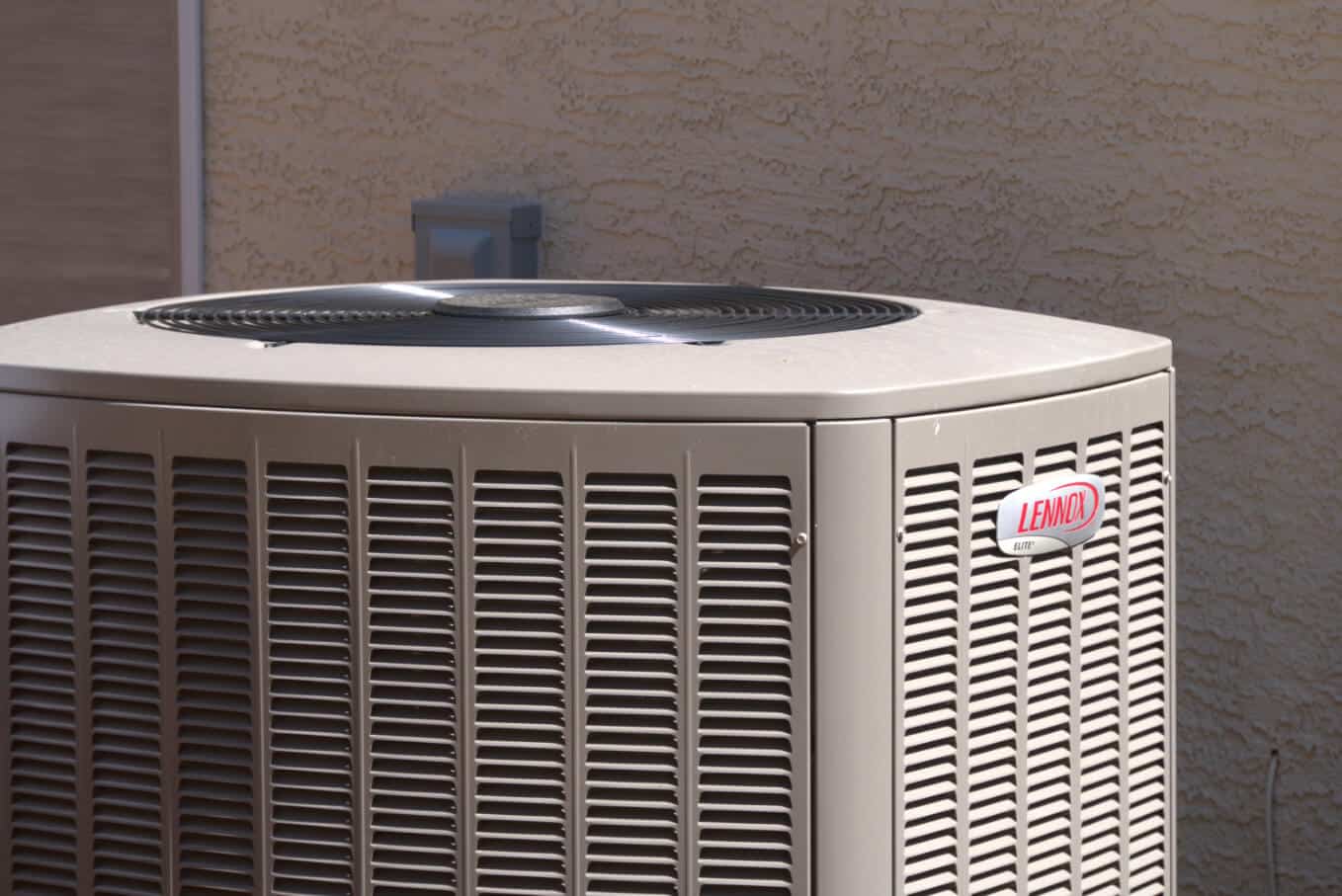
Optimize Your Building for Your Climate Zone
Get a Free Estimate
Fill out the form below. Our goal is to reach you within minutes.