

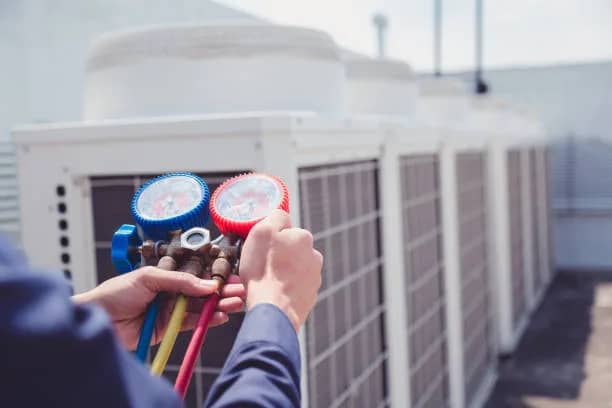
Short answer: In 2025, AC refrigerant choices in Las Vegas are shaped by EPA regulations, system age, and rising summer demand. Most new systems use lower‑GWP refrigerants, while older R‑22 units are increasingly expensive to maintain.
Las Vegas Essentials & Challenges
In Las Vegas, extreme summer runtimes expose refrigerant issues quickly—small leaks show up as weak cooling during the hottest weeks. Supply constraints and regulatory changes can also affect availability and pricing for certain refrigerants. That makes proactive leak detection and maintenance more important in the valley than in milder regions. As summer temperatures continue to rise, having an efficient and reliable air conditioning system is more important than ever. Central to the performance of any AC unit is the refrigerant it uses—a substance that absorbs and releases heat to cool your home. In 2025, understanding AC refrigerants is crucial not only for comfort but also for environmental responsibility and cost-effectiveness. With evolving regulations, new refrigerant types, and fluctuating costs, homeowners and technicians alike need to stay informed. This guide will walk you through everything you need to know about AC refrigerants in 2025, from the basics of how they work to the latest types available, pricing trends, and when it’s time to repair or replace your system. As we look ahead, it's essential to recognize the impact of refrigerants on climate change. Many traditional refrigerants, such as R-22, have been phased out due to their high global warming potential (GWP). In 2025, the focus will shift even more towards eco-friendly alternatives like hydrofluoroolefins (HFOs) and natural refrigerants, which not only provide effective cooling but also minimize environmental harm. Homeowners will need to consider these options not only for compliance with regulations but also for the long-term sustainability of their cooling systems. Moreover, the financial implications of refrigerant choices cannot be overlooked. With the rising costs of energy and the potential for substantial fines associated with the use of banned substances, investing in a modern air conditioning system that utilizes the latest refrigerants can lead to significant savings over time. Understanding the lifecycle costs, including maintenance and efficiency ratings of different refrigerants, will empower homeowners to make informed decisions that benefit both their wallets and the planet.
What Is AC Refrigerant & How Does It Work?
At its core, AC refrigerant is a chemical compound that cycles through your air conditioning system to absorb heat from inside your home and release it outside. It works by transitioning between liquid and gas states within the system’s closed loop, carrying thermal energy away from indoor air. The process begins when the refrigerant evaporates inside the evaporator coil, absorbing heat from the indoor air. It then travels as a gas to the compressor, which pressurizes it and sends it to the condenser coil outside. Here, the refrigerant releases the absorbed heat and turns back into a liquid, ready to repeat the cycle. This continuous loop keeps your home cool and comfortable. Because refrigerants are vital to this heat exchange process, the type and quality of refrigerant used directly impact your AC unit’s efficiency, environmental footprint, and lifespan. There are several types of refrigerants commonly used in air conditioning systems, with R-22 and R-410A being among the most prevalent. R-22, also known as Freon, has been widely used for decades but is being phased out due to its ozone-depleting properties. On the other hand, R-410A is a more environmentally friendly alternative that does not harm the ozone layer, making it a popular choice for modern systems. However, the transition to R-410A has also led to concerns about its global warming potential, prompting ongoing research into even more sustainable refrigerant options. Understanding the refrigerant's role in your AC system is crucial not only for maintaining optimal performance but also for ensuring compliance with environmental regulations. Regular AC maintenance, including checking for leaks and ensuring the refrigerant levels are adequate, can significantly enhance the efficiency of your air conditioning unit. Moreover, advancements in technology have led to the development of smart thermostats and energy-efficient systems that can optimize refrigerant use, further reducing energy consumption and costs while keeping your living space comfortable.Types of Refrigerant Used in 2025
The landscape of refrigerants has changed significantly over the past decade due to environmental concerns and regulatory shifts. In 2025, the most common refrigerants fall into a few key categories:- R-410A: Once the industry standard, R-410A is a hydrofluorocarbon (HFC) refrigerant known for its efficiency and non-ozone-depleting properties. However, it has a relatively high global warming potential (GWP), which has led to its phase-out in many regions.
- R-32: Increasingly popular in new systems, R-32 offers better energy efficiency and a lower GWP compared to R-410A. It’s mildly flammable, so proper handling is essential, but it’s becoming the preferred choice for many manufacturers.
- R-454B and R-466A: These newer blends are designed to replace R-410A with even lower environmental impact. They offer similar performance but with reduced GWP, aligning with stricter regulations.
- R-22 (Freon): Once widely used, R-22 is now largely banned for new systems due to its ozone-depleting properties. Existing systems that still use R-22 are becoming more expensive to maintain as supplies dwindle.
AC Refrigerant Costs in 2025
The cost of AC refrigerant varies widely depending on the type, availability, and market demand. As older refrigerants like R-22 become scarce, their prices have increased dramatically, sometimes costing several times more than newer alternatives. For example, R-410A remains relatively affordable due to mass production, but its phase-out means prices could rise in the coming years. Newer refrigerants like R-32 and R-454B may have higher upfront costs but can offer savings through improved efficiency and lower environmental fees. On average, the cost to recharge an AC system with refrigerant ranges from $150 to $350, depending on the refrigerant type and the amount needed. It’s important to note that simply adding refrigerant is not always a long-term solution, especially if leaks or system damage exist. Budgeting for refrigerant costs should also include potential labor fees for certified technicians, as handling refrigerants requires specialized training and equipment. If you suspect issues, contact our AC repair experts.EPA Regulations, Bans & Homeowner Rules
The Environmental Protection Agency (EPA) continues to tighten regulations around refrigerants to protect the ozone layer and combat climate change. In 2025, several key rules affect homeowners and HVAC professionals:- Phase-Out of High-GWP Refrigerants: The EPA has mandated a gradual phase-out of refrigerants with high global warming potential, such as R-22 and R-410A, encouraging the transition to more eco-friendly alternatives.
- Certification Requirements: Anyone handling refrigerants must be certified under Section 608 of the Clean Air Act. This ensures proper recovery, recycling, and disposal of refrigerants to prevent environmental harm.
- Leak Repair Mandates: For commercial systems and larger residential units, there are strict requirements to detect and repair refrigerant leaks promptly. While smaller home systems have fewer mandates, it’s still best practice to address leaks quickly.
Signs Your AC Is Low on Refrigerant
Recognizing when your AC is low on refrigerant can save you from costly repairs and discomfort. Common signs include:- Reduced Cooling Efficiency: If your home isn’t cooling as effectively as before, or it takes longer to reach the desired temperature, low refrigerant could be the culprit.
- Ice Formation on Coils: When refrigerant levels drop, the evaporator coil can freeze, leading to ice buildup that further hampers cooling performance.
- Hissing or Bubbling Sounds: These noises may indicate a refrigerant leak, which requires immediate attention.
- Increased Energy Bills: An AC system struggling due to low refrigerant often consumes more electricity, resulting in higher utility costs.
Repair vs Replacement: What’s Smarter?
When faced with refrigerant issues, homeowners often wonder whether to repair their existing AC system or invest in a replacement. The answer depends on several factors:- Age of the System: If your AC unit is over 10-15 years old, it may be more cost-effective to replace it with a newer, more efficient model that uses environmentally friendly refrigerants.
- Extent of Damage: Minor leaks and refrigerant top-ups can be repaired easily, but extensive damage to compressors or coils may warrant replacement.
- Energy Efficiency: Newer systems often consume less energy and qualify for rebates or incentives, offsetting the initial investment over time.
- Environmental Impact: Older systems using phased-out refrigerants contribute more to greenhouse gas emissions. Upgrading to a modern system aligns with sustainability goals.
Preventing Refrigerant Problems
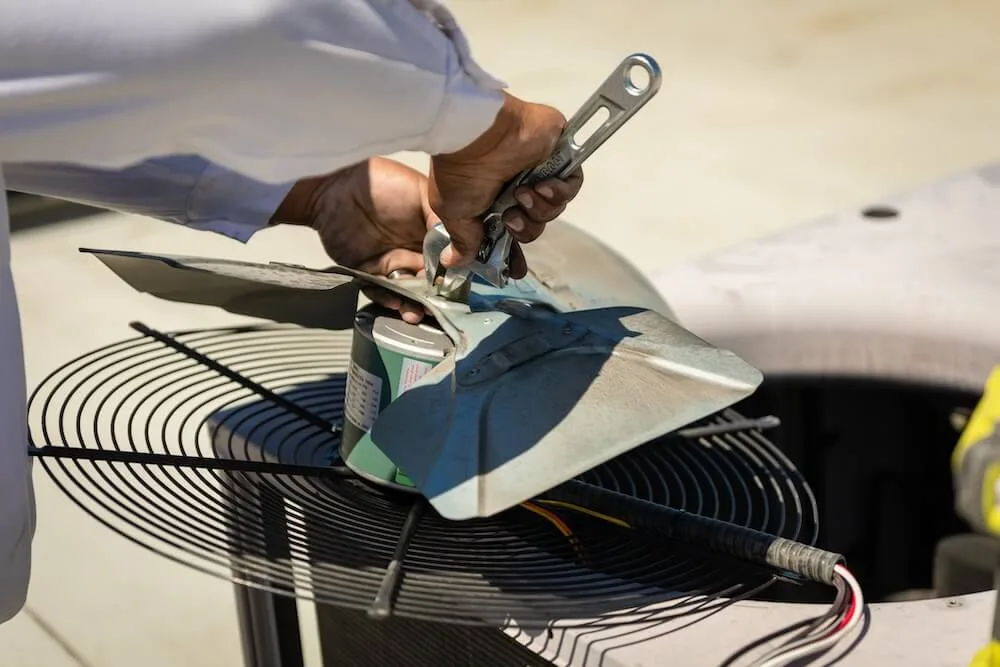
Prevention is key to avoiding refrigerant-related headaches. Regular maintenance and mindful usage can extend your AC system’s life and efficiency. Schedule annual tune-ups with certified technicians who can check refrigerant levels, inspect for leaks, and clean coils. Keeping your system clean and well-maintained reduces strain and prevents leaks. Additionally, sealing your home properly and using programmable thermostats can reduce the workload on your AC, minimizing refrigerant loss. Avoid DIY refrigerant handling; improper techniques can cause leaks or damage. By staying proactive, you can keep your AC running smoothly and avoid costly refrigerant repairs or replacements down the line.Cost Drivers for Refrigerant Service
Costs depend on refrigerant type, system size, and leak severity. Older R‑22 systems often cost more to service because supply is limited. Labor costs rise when leak detection is complex or access is difficult. Coil replacement or compressor damage can add significant expense beyond the refrigerant itself.Decision Guidance: Repair, Retrofit, or Replace
If your system is under 10 years old and uses a current refrigerant, repair and recharge often make sense. For older R‑22 systems with repeated leaks, replacement may provide better long-term value and efficiency. Ask for a clear comparison of repair cost vs. Replacement savings over 3–5 years.Prevention: Reduce Leak Risk
Schedule annual tune-ups, keep coils clean, and avoid pressure-washing outdoor units. Replace filters on schedule so airflow stays strong and coils don’t ice up. If you hear hissing or see ice, shut the system down and call a licensed technician.Neighborhoods We Commonly Serve
- Henderson
- Green Valley
- Summerlin West
- Spring Valley
- North Las Vegas
- Sun City Summerlin
Trust & Guarantees
- Serving Las Vegas since 2011
- 55+ years combined experience
- Licensed, EPA-certified technicians
- 100% satisfaction guarantee
- BBB A+ rated
- Lennox Premier Dealer
Find Us on the Map
Share This Page
FAQs
Can I add refrigerant to my AC myself?
It's strongly recommended to have a certified HVAC technician handle refrigerant charging. Improper handling can be dangerous and illegal due to environmental regulations.
How often should refrigerant be checked?
During annual HVAC maintenance, technicians typically check refrigerant levels to ensure optimal performance.
Is it worth upgrading to a system with newer refrigerants?
Yes, newer refrigerants often mean better efficiency, lower environmental impact, and compliance with current regulations.
What happens if my AC leaks refrigerant?
Leaks reduce cooling efficiency and can damage your system. Prompt repair is essential to avoid higher costs and environmental harm. Check our AC repair services for more info.
Are there any rebates for upgrading to eco-friendly refrigerants?
Many local utilities and governments offer incentives for upgrading to energy-efficient systems using low-GWP refrigerants. Check with your provider.
Final CTA
Staying informed about AC refrigerants in 2025 is essential for maintaining a comfortable, efficient, and environmentally responsible home. Whether you need a refrigerant recharge, leak repair, or are considering a system upgrade, partnering with a qualified HVAC professional ensures the best outcome. Don’t wait until the heatwave hits—schedule a maintenance check today and keep your AC running smoothly all year long. Your comfort, wallet, and the planet will thank you.Schedule Your Service with The Cooling Company
As you understand the complexities of AC refrigerants in 2025, The Cooling Company is here to ensure your air conditioning needs are met with the utmost expertise and care. Our certified technicians in Las Vegas are ready to provide you with the highest quality HVAC services, from routine maintenance to repairs and system upgrades. Embrace a cooler, more sustainable future and Schedule Now with us today to keep your system running at its best.Need HVAC Service in Las Vegas?
The Cooling Company provides expert HVAC service throughout Las Vegas, Henderson, and North Las Vegas. Our licensed technicians deliver honest assessments, upfront pricing, and reliable results.
Call (702) 567-0707 or visit AC repair, maintenance, heating, or installation for details.