

Refrigerant
Refrigerant is the chemical compound that circulates through your air conditioning or heat pump system, absorbing heat from indoor air and releasing it outdoors. It works by changing between liquid and gas states as it moves through the evaporator coil (where it absorbs heat and evaporates) and the condenser coil (where it releases heat and condenses). This continuous cycle of evaporation and condensation is the fundamental process that makes mechanical cooling possible. Common residential refrigerants include R-22 (phased out), R-410A (current standard), and R-454B (next generation). Refrigerant does not get consumed during normal operation, if your system is low, there is a leak that needs repair.
💡 Key Takeaways
- ✓Refrigerant is the chemical compound that circulates through your air conditioning or heat pump system, absorbing heat from indoor air and releasing it outdoors. It works by changing between liquid and gas states as it moves through the evaporator coil (where it absorbs heat and evaporates) and the condenser coil (where it releases heat and condenses). This continuous cycle of evaporation and condensation is the fundamental process that makes mechanical cooling possible. Common residential refrigerants include R-22 (phased out), R-410A (current standard), and R-454B (next generation). Refrigerant does not get consumed during normal operation, if your system is low, there is a leak that needs repair.
- ✓Refrigerant does not get used up. Low refrigerant always means there is a leak somewhere in the system.
- ✓Only EPA-certified technicians are legally allowed to purchase, handle, and recover refrigerants.
- ✓Using the wrong refrigerant type or mixing refrigerants can destroy your compressor and void your warranty.
Refrigerant
/rɪˈfrɪdʒərənt/
Definition
Refrigerant is the chemical compound that circulates through your air conditioning or heat pump system, absorbing heat from indoor air and releasing it outdoors. It works by changing between liquid and gas states as it moves through the evaporator coil (where it absorbs heat and evaporates) and the condenser coil (where it releases heat and condenses). This continuous cycle of evaporation and condensation is the fundamental process that makes mechanical cooling possible. Common residential refrigerants include R-22 (phased out), R-410A (current standard), and R-454B (next generation). Refrigerant does not get consumed during normal operation, if your system is low, there is a leak that needs repair.
What is refrigerant in an air conditioner?
Refrigerant is the heat-carrying chemical that absorbs warmth from indoor air and releases it outside. It cycles between liquid and gas states to continuously move heat out of your home.
Source: The Cooling Company

Quick Facts
How Refrigerant Works

Refrigerant absorbs indoor heat at the evaporator and releases it at the condenser.
Real-World Application
Every time your Las Vegas AC cools your home, refrigerant is doing the actual work. It absorbs heat from the warm indoor air passing over the evaporator coil, carries that heat to the outdoor unit, and releases it through the condenser coil. This happens continuously as long as the system runs, and a properly sealed system should never need a recharge.
Pro Tip
If a technician says your system needs refrigerant, always ask them to find and fix the leak first. Simply adding refrigerant without repairing the leak is a temporary fix that wastes money and harms the environment.
“If a technician says your system needs refrigerant, always ask them to find and fix the leak first. Simply adding refrigerant without repairing the leak is a temporary fix that wastes money and harms the environment.”
Important Things to Keep in Mind
- Refrigerant does not get used up. Low refrigerant always means there is a leak somewhere in the system.
- Only EPA-certified technicians are legally allowed to purchase, handle, and recover refrigerants.
- Using the wrong refrigerant type or mixing refrigerants can destroy your compressor and void your warranty.
Did You Know?
The refrigeration cycle used in your home AC is the same basic principle discovered by Jacob Perkins in 1834. The chemicals have changed, but the physics of absorbing and releasing heat through phase changes remains identical.
FAQ
How often does refrigerant need to be replaced?
Never, under normal conditions. Refrigerant circulates in a sealed system and does not get consumed. A low charge indicates a leak that should be located and repaired.
What happens if my AC runs low on refrigerant?
Low refrigerant causes reduced cooling, longer run times, ice buildup on the evaporator coil, and eventually compressor damage if not addressed.
Can I add refrigerant to my AC myself?
No. Federal law requires EPA Section 608 certification to purchase and handle refrigerants. A licensed HVAC technician must perform any refrigerant work.
Related Services
Need help with refrigerant? Our licensed technicians in Las Vegas are ready to assist.
Share This Page
Why Homeowners Trust Us
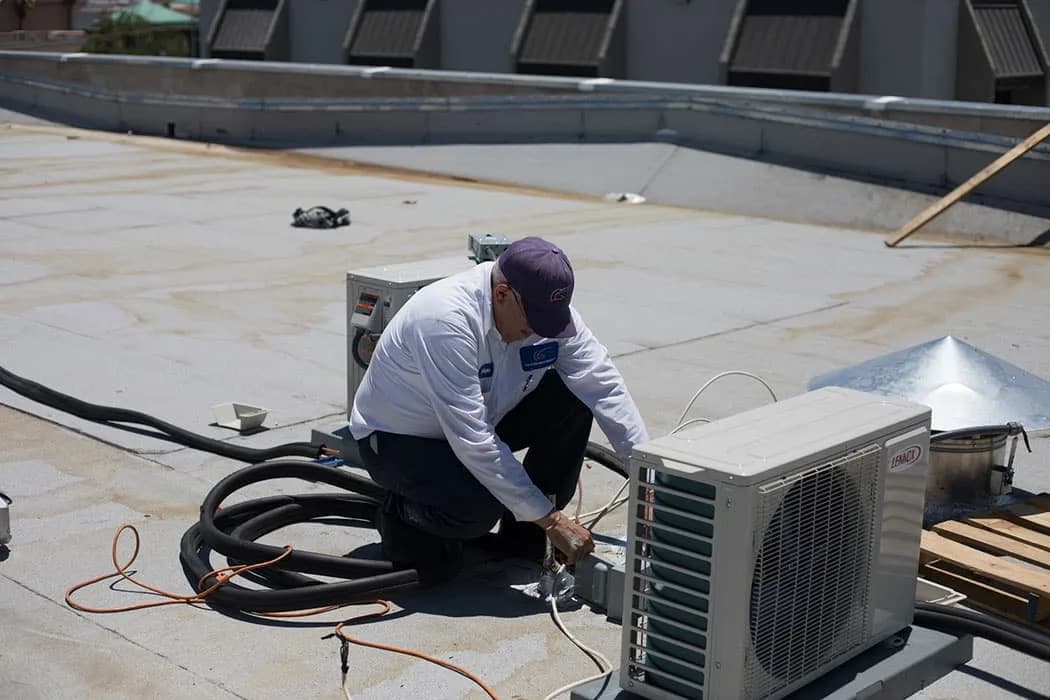

Expert Refrigerant Diagnosis and Leak Repair
Get a Free Estimate
Fill out the form below. Our goal is to reach you within minutes.