

> By: The Cooling Company
Key Takeaways
- Use a room-by-room Manual J load calculation (not a square-foot rule).
- Select equipment with Manual S and verify ducts with Manual D for comfort and efficiency.
- Avoid oversizing: short-cycling wastes fuel and can create uneven temperatures.
If your air conditioner shows recurring breakdowns, rising bills, weak cooling, or frequent leaks, replacement may be near. Watch age, refrigerant type, and repair history. Acting early avoids emergency failures and high costs. This guide lists seven clear warning signs and practical next steps for repair or replacement. For technical guidance, see the ASHRAE Technical Resources.
N/A - How long does each AC type last?
The expected lifespan of an air conditioner depends on the unit type, climate, and how well it has been maintained. Central split systems, ductless mini-splits, heat pumps, and window units each have typical ranges. Hot or dusty climates shorten useful life, while regular filter changes and yearly inspections push many systems to the high end of their range.
When planning replacement, consider both the typical lifespan and local conditions. Workload matters: systems that run constantly in hot areas age faster. Installation quality also matters; poor installation can shave many years off a system. Keep records of all service work to better estimate remaining useful life when you get quotes from contractors.
Central split systems lifespan?
Central split systems commonly last 12 to 20 years with steady service. Annual tune-ups, cleaning coils, and fixing small problems early reduce stress on the compressor and motors. Outdoor condensers face sun, rain, and debris; shielding and regular cleaning extend life.
Technicians use compressor amps and refrigerant pressure readings to predict remaining life. When maintenance is spotty, expect major failures after about a decade. If your system has frequent issues after ten years, start budgeting for replacement and consider higher SEER options for better efficiency.
Window and portable unit lifespans?
Window and portable units usually last 8 to 12 years when maintained. They face more vibration and exposure than protected indoor coils. Frequent filter and coil cleaning prevents early loss of cooling capacity and keeps the compressor from working harder than it should.
If you run a window unit daily in hot months, expect life to drop. Replacing a failing window unit often costs less and gives better value than repeatedly repairing a worn compressor or fan motor.
Heat pump longevity compared to AC?
Heat pumps generally run year-round because they heat and cool. Typical life is 10 to 15 years with steady maintenance. The extra run time for heating can shorten life if service is missed, so plan two annual checks: one before cooling season and one before heating season.
Technicians will check reversing valves and defrost cycles to keep performance steady. Weak heating or cooling often shows wear on key parts after a decade. If repairs mount, replacement may provide better reliability and efficiency.
Ductless mini split expected years?
Ductless mini-splits often last 12 to 20 years with proper care. Indoor heads are easier to keep clean than ducted evaporator coils, which helps longevity. The outdoor compressor still faces weather and needs regular inspection and cleaning.
Correct sizing is crucial. A poorly sized mini-split short-cycles and wears parts faster. Proper installation and regular service are the main drivers of long life for ductless systems.
Factors that shorten equipment life?
Lack of regular service is the top lifespan killer across all system types. Dirty coils and clogged filters restrict airflow and make compressors run longer. Short cycling caused by thermostat problems or oversized equipment increases wear and tear.
Installation mistakes also shorten life. Incorrect refrigerant charge, wrong duct sizing, and poor electrical connections raise run time and stress components. Corrosive air in coastal or industrial areas, and hard water in condensate lines, also accelerate failure.
How does SEER affect lifespan?
Higher SEER units typically use better components and run more efficiently. They cycle less for the same cooling load and so can reduce wear on the compressor. That reduced runtime can add a year or two to the expected life of the HVAC system.
However, upgrading purely to extend life is risky. Proper installation and consistent maintenance still drive most life gains. In hot climates, SEER gains often justify replacement because of energy savings rather than lifespan alone.
Are older refrigerants a risk?
Systems using phased-out refrigerants like R-22 face rising service costs and limited supply. Repairing leaks on those systems can be expensive. Many owners choose replacement rather than ongoing costly service and retrofit work.
Modern refrigerants cost less and are easier to source. If your system uses an older refrigerant, plan early for replacement to avoid surprise expenses and increased downtime when supplies tighten.
What are the 7 warning signs?
Seven common signs point to an aging or failing air conditioner. Watch for these indicators and combine them with system age and repair history. One sign alone may be repairable, but multiple signs together usually mean replacement should be considered.
Keep a simple checklist during inspections: note age, rising bills, refrigerant history, repair frequency, cooling performance, unusual sounds, and visible damage. Share the list with your HVAC pro. Clear notes speed diagnosis and help you compare quotes fairly.
Is your AC over 10-15 years old?
Age is a strong predictor of future trouble. Many central systems show repeated faults after 10 to 15 years, especially with inconsistent maintenance. Compressors and coils wear and become harder to repair as parts age.
If your unit is older and you are making more trips to the technician, start budgeting for replacement now. New units offer SEER improvements that can lower operating costs and often offset some of the upfront replacement cost over time.
Are repair costs rising drastically?
A clear trend of higher repair costs signals deeper problems. Multiple callouts for motors, compressors, or controls quickly add up. Track cumulative yearly repair bills and compare that total to a replacement quote.
Use the 50% rule as a guide: when a single repair nears half the cost of a new system, replacement often saves money over time. Also factor in hidden costs like lost comfort and disruption during breakdowns.
Is cooling performance noticeably worse?
If rooms stay warm, or cooling is uneven, your system may be losing capacity. Dirty coils, low refrigerant, or a failing compressor reduce cooling power. Basic fixes like changing filters might help temporarily, but persistent loss usually points to aging components.
Measure the temperature difference between return and supply vents on a hot day. A low delta-T combined with weak airflow indicates capacity loss and suggests the system may need major work or replacement.
Are energy bills climbing without reason?
Rising energy bills with no change in thermostat behavior often mean reduced efficiency. Old compressors, leaky ducts, and dirty coils make systems run longer to reach set points. Track bills over cooling seasons to spot trends.
When bills spike after years of stability, have a technician inspect the system. They can compare expected energy use to actual performance and provide a payback estimate for replacement.
Is frequent refrigerant loss occurring?
Repeated refrigerant leaks raise service costs and stress compressors. Simply recharging without locating leaks is a temporary fix. Ask your technician for a documented leak test and repair if leaks recur.
When leaks continue on an old system, replacement often becomes the more reliable and cost-effective option. Modern systems use refrigerants that are easier to service and more available.
Are there strange noises or frequent breakdowns?
Grinding, screeching, or loud humming from the outdoor unit usually signal mechanical wear. Frequent breaker trips, constant cycling, or repeated electrical faults suggest stress on control and electrical parts. These symptoms often precede major failures.
Record the sounds, note when they happen, and share the log with your technician. A written history helps identify patterns and supports a replacement recommendation when needed.
Is corrosion or physical damage visible?
Rust on the cabinet, bent fins, oil stains on line sets, or other visible damage point to advanced wear and likely leaks. Corrosion reduces coil efficiency and can damage fittings and electrical connections.
If visible damage is widespread or appears alongside other warning signs, repair may be a short-term fix. Consider replacement when multiple components show age-related wear.
When should you repair vs replace?
Deciding to repair or replace depends on age, repair costs, future reliability, and your plans for the home. Compare short-term repair savings to long-term energy and service costs. Get multiple written quotes listing parts, labor, and warranty terms.
Ask contractors for estimated annual energy use and a payback calculation. Use this data to weigh the likely costs over the next 5 to 10 years. In many cases, a new high-SEER unit offers lower lifetime cost despite higher upfront price.
What is the 50% rule for replacements?
The 50% rule states that if a single repair costs half the price of a new system, replacement is usually the better option. This is most useful for major components like compressors or condensing coils.
Combine this rule with system age and the likelihood of further failures. For older units, even smaller repairs may not be wise if another major part is likely to fail soon after.
How to calculate remaining useful life?
Estimate remaining life by subtracting current age from the expected lifespan for your system type. Adjust for maintenance history and how often recent repairs were required. More repairs lower expected remaining years.
Multiply the remaining years by estimated annual operating and repair costs to see future expense. Compare that sum to the cost of replacement including projected energy savings to guide your decision.
When do efficiency gains justify replacement?
High-SEER units deliver the most savings in hot climates or in homes with long cooling seasons. Calculate annual energy savings from a new unit and compare the net cost to your budget. Short payback times support replacement.
Factor in local rebates and tax credits. Incentives can reduce upfront cost and shorten payback. Also consider reduced service costs with modern refrigerants.
Can a new compressor save an old system?
Replacing a compressor can restore cooling but it may not improve efficiency or long-term reliability if other parts are worn. If coils, controls, or the electrical system show age, a compressor swap may only be a stopgap.
Compare a compressor quote to full replacement quotes. Confirm warranty length and read the fine print on parts and labor to avoid surprises.
What role does refrigerant phase-out play?
Phase-outs of refrigerants like R-22 raise service costs and limit options for repair. Recharging or retrofitting old refrigerant systems can be expensive. Many owners plan replacement rather than ongoing expensive maintenance.
Replacing a system with a modern refrigerant simplifies service and avoids future availability and price issues. Consider timing replacement before seasonal peaks to avoid high replacement demand.
Should you consider SEER ratings now?
SEER affects long-term energy cost. Higher SEER units cost more upfront but often save more energy in hot climates. Choose SEER based on how long you plan to keep the home and your local climate.
Check local utility rebates tied to efficiency. These programs can lower initial cost and improve the economics of a higher-SEER unit.
How do maintenance records affect choices?
A clear maintenance record shows how well the system was cared for and helps predict remaining life. Regular tune-ups, coil cleanings, and documented repairs raise confidence in repair decisions.
Lack of records increases uncertainty about hidden wear. Keep invoices and technician notes to strengthen warranty claims and to justify replacement when needed.
What are upfront vs lifetime costs?
Upfront costs include equipment, labor, and any duct or electrical upgrades. Lifetime costs add energy use, repairs, and routine service. A low-cost unit can cost more over time if it uses significantly more energy or needs frequent repairs.
Use a lifetime cost model based on local energy rates and expected repair frequency to compare options. This approach shows the true cost and helps prevent short-term savings that become long-term expense.
How to choose a licensed HVAC pro?
Pick a licensed, insured contractor with local reviews and clear warranty terms. Ask for NATE certification and proof of insurance. Get at least three written quotes to compare parts, labor, and warranty coverage.
Prefer local firms that size systems for your climate. Ask for references and a written assessment listing compressor amps, refrigerant history, and duct condition. A clear written report helps you compare bids fairly.
How can maintenance extend life?
Good maintenance keeps systems efficient and reliable. Regular tune-ups, cleaning coils, and changing filters reduce stress on the compressor and motors. These practices help systems reach or exceed expected lifespans and keep bills lower.
Keep a maintenance log with service dates, parts replaced, and any technician notes. That record helps future diagnostics and gives you a better picture of remaining life when you receive replacement quotes. It also helps protect warranties.
How often should you service your AC?
Service your cooling system at least once a year before the peak season. Heat pumps need two checks a year because they also provide heating. Annual service catches small faults before they become major failures.
Schedule tune-ups in spring. Technicians will check refrigerant charge, airflow, and electrical systems to ensure the unit is ready for hot weather. Book early to avoid long waits.
Which DIY checks matter most?
Simple owner checks make a difference. Change filters regularly, inspect supply vents, and keep the outdoor unit clear of leaves and debris. Gently brush dirt from condenser fins if visible.
Avoid DIY refrigerant or electrical work. Use simple tasks to support professional service and reduce frequency of paid repairs. Good filter habits and a clear outdoor area cut stress on the system.
When to call a technician for tune-up?
Call a licensed technician when you hear unfamiliar grinding or screeching, smell burning, or see leaking fluid. Also call if cooling is weak or bills spike without explanation. Early service reduces risk of a breakdown during a heat wave.
Technicians measure compressor amps, refrigerant pressure, and inspect safety controls. These checks reveal developing problems and reduce the chance of sudden failure.
How to monitor performance at home?
You can catch many problems early by simple checks. Track room temperatures, listen for odd sounds, and watch energy use. Keep a short log of changes and share it with your technician. Small, consistent changes often point to failing components long before a total breakdown.
Measure supply and return temperatures and note any large swings. Watch for ice on evaporator coils or water near the outdoor unit. These signs help technicians diagnose issues quickly and accurately.
What symptoms indicate compressor failure?
A failing compressor may run but not cool, or it may not start at all. Loud humming or screeching often means mechanical wear. Frequent breaker trips can signal compressor stress or electrical faults.
Ask your technician to measure compressor amps against nameplate ratings. Those numbers confirm whether the compressor is overworking and nearing failure.
How to spot a failing condenser fan?
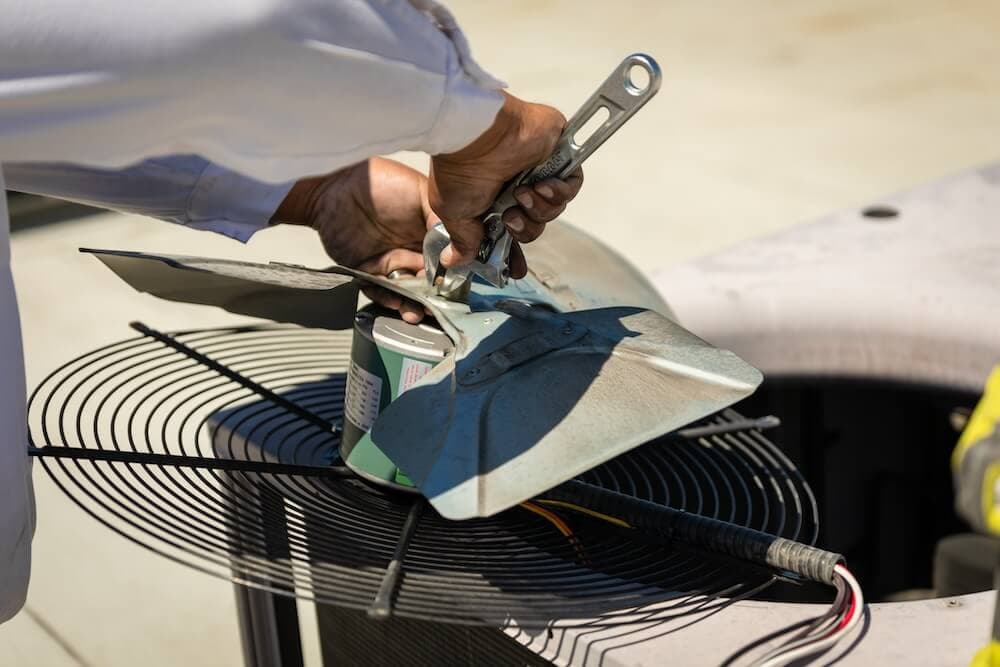
Watch the outdoor fan for wobble, delayed start, or harsh noises. Grinding or scraping points to bearing wear. A fan that stops lets the compressor overheat and risks major damage.
Replace a failing fan promptly. Technicians check blade balance and motor current to confirm fan health and prevent secondary failures.
When does a dirty coil harm lifespan?
Dirty coils reduce heat transfer and force the system to run longer. Over time this extra runtime increases wear on compressors and other parts. Both evaporator and condenser coils need cleaning during service.
Ask technicians to show you coil condition during visits. A visual check helps decide whether cleaning will restore performance or if replacement is a better long-term option.
How often replace air filters?
Replace standard filters every 1 to 3 months during heavy use. High-efficiency filters may last longer but still need monthly checks. Clogged filters cause low airflow and add stress to the system.
Set phone reminders and keep a filter schedule. Good filter habits lower energy use and reduce the chance of coil dirt buildup.
What thermostat issues affect life?
Thermostat faults cause short cycling and increased wear. Faulty sensors or wiring errors prevent the system from reaching set points. Smart thermostats misconfigured can waste runtime and increase stress.
Calibrate or replace faulty thermostats. Proper thermostat setup reduces cycling and extends component life.
How to detect refrigerant leaks?
Look for oily spots on lines, hissing near fittings, or ice on the evaporator coil. Rapid loss of cooling also suggests leaks. Certified technicians use electronic detectors or dye to find leaks reliably.
Do not keep adding refrigerant as a long-term fix. Repeated recharges without repair raise costs and mask the real problem.
When to test system airflow?
Test airflow when rooms are uneven or vents seem weak. Measure the temperature drop across the coil on a hot day. Low static pressure often means duct or filter issues that require repair.
Technicians measure cubic feet per minute (CFM) to find airflow problems. Improving airflow can restore efficiency and reduce wear without full replacement.
How to measure energy use for trends?
Track monthly energy bills and note weather differences. Use a home energy monitor for daily patterns if you want detailed data. Unexplained jumps in energy use point to declining system efficiency.
Bring energy trends to your technician. They help estimate payback for a new system and identify hidden losses like duct leakage or bad controls.
What role does ductwork play?
Leaky or undersized ducts force the system to run longer and lower comfort. Duct leaks in attics or crawlspaces increase bills and stress the system. Dirty ducts reduce coil effectiveness over time.
Seal and insulate ducts to improve delivery and lower runtime. Ask technicians to test duct leakage and static pressure during inspections to reveal hidden losses.
How to log maintenance for decisions?
Keep a binder with service dates, parts changed, and costs. Note technician comments and photos of visible damage. Digital notes work well for backups and alerts.
Share the log with new installers to speed assessments. A good record supports warranty claims and helps you compare quotes on equal footing.
What red flags installers check?
Installers inspect compressor amps, coil condition, and refrigerant history. They look at electrical wear and duct leakage. These checks show if the system will need near-term major repairs.
Ask for a written assessment that lists immediate fixes and long-term risks. Use that report to compare quotes and choose the best option for your home and budget.
Ready to act on your aging AC?
If you live in Las Vegas, Henderson, or North Las Vegas, call The Cooling Company at 17029308411 for a full inspection. Our technicians measure compressor amps, test refrigerant, inspect coils, and check ductwork. We provide written estimates and clear repair-versus-replace advice. Good records and measured data help you avoid poor installations.
Out-of-area readers should demand NATE-certified technicians and written diagnostics. Request measured data such as refrigerant pressures, compressor amps, and CFM. Those specifics help compare quotes fairly and prevent poor work. For Las Vegas area service, schedule with The Cooling Company at 17029308411 for tune-ups, replacements, or refrigerant updates.
You Might Also Like
This aspect deserves careful consideration as you evaluate your options. Understanding the details helps you make informed decisions that match your situation. Consult qualified professionals to get site-specific advice and to verify assumptions.
When choosing between repair and replacement, gather facts: age, repair history, measured performance, and long-term cost estimates. Well-informed choices lead to better outcomes and fewer surprises.
About The Cooling Company
The Cooling Company has been serving the Las Vegas valley with professional HVAC services for over a decade. Our team of licensed, NATE-certified technicians specializes in air conditioning repair, heating system maintenance, and complete HVAC installations. We're committed to providing honest, reliable service with upfront pricing and a 100% satisfaction guarantee on all work performed.
- Phone: (702) 930-8411
- Reviews: 4.9/5 stars (500 reviews) - See reviews
Service Areas
We proudly serve homeowners and businesses throughout the Las Vegas metropolitan area, including Las Vegas, Henderson, and North Las Vegas. Our service technicians are available for same-day appointments in most areas, with emergency service available 24/7 for urgent HVAC issues.
Sources and notes
Primary technical guidance referenced: ASHRAE Technical Resources. Local service options and contact info are provided for homeowners in the Las Vegas area. Keep records of service visits, energy bills, and technician reports to support warranty claims and to guide replacement timing.
Critical compliance note: follow local codes and refrigerant handling rules. Use licensed, insured contractors for any refrigerant or electrical work.