

Air Conditioner Not Cooling in Las Vegas: Top Causes and Fixes
Short answer: Most no-cooling problems come from airflow restrictions, dirty coils, or low refrigerant. Start with filters and thermostat checks, then call a licensed technician if it still blows warm air. In Las Vegas, where summer temperatures regularly exceed 110°F and AC systems run 10-11 months per year, no-cooling issues require immediate attention to prevent dangerous indoor temperatures and system damage.
Las Vegas No-Cooling Context
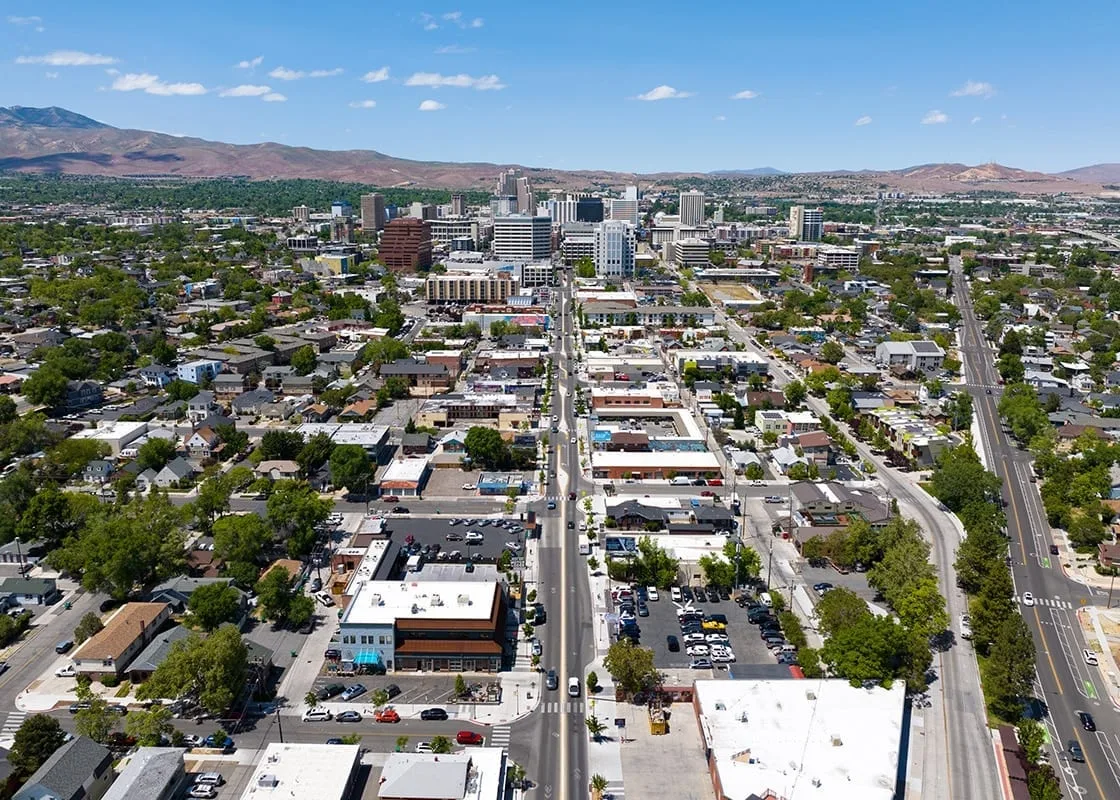
Las Vegas presents unique challenges when AC systems stop cooling. The Las Vegas Valley experiences 310+ days of direct sunlight annually, with summer highs regularly reaching 110-115°F. During peak heat months (June through September), AC systems may run 18+ hours per day, making any cooling failure dangerous and urgent. Unlike moderate climates, Las Vegas homes can become unsafe within hours during extreme heat without working AC.
Desert dust storms can clog filters and coat coils faster than in other climates, leading to airflow restrictions that cause no-cooling conditions. High energy bills during peak demand periods make efficient repairs critical. Neighborhoods across the valley—from Summerlin and Henderson to North Las Vegas, Paradise, and Enterprise—all face similar heat challenges, but system age, maintenance history, and installation location vary significantly. Top-floor units and homes with attic-mounted AC units are especially vulnerable during afternoon heat spikes.
What can cause no-cooling
- Restricted airflow from dirty filters or closed vents
- Dirty coils reducing heat transfer
- Low refrigerant from leaks
- Failed capacitor or contactor
- Thermostat or control issues
Step 1: Verify Thermostat and Settings
- Set to “Cool” and lower the setpoint 2–4 degrees
- Set fan to “Auto,” not “On”
- Replace thermostat batteries if the screen is dim
Step 2: Fix Airflow Issues
- Replace clogged filters
- Open all vents and returns
- Clear dust from registers and grilles
Step 3: Check the Outdoor Unit
- Remove debris around the condenser
- Rinse coils gently with a hose
- Confirm the fan spins when cooling is on
Step 4: Look for Warning Signs
- Ice on the indoor coil or refrigerant line
- Hissing sounds near the unit
- Breaker trips during cooling cycles
Most Common Repair Causes
- Low refrigerant from a leak
- Dirty evaporator or condenser coils
- Failed capacitor or contactor
- Frozen coils from low airflow
Running a Lennox unit? Many of these failures have brand-specific diagnostic steps and parts costs -- our guide to Lennox AC repair in Las Vegas covers the details.
What to Tell the Technician
- When the problem started and how long it lasts
- Any ice, noises, or smells you noticed
- Whether the outdoor fan is running
When to Call a Technician
If you see ice, hear hissing, smell burning, or the breaker trips again, stop the system and Schedule Now. In Las Vegas heat, don't wait—no-cooling conditions can become dangerous quickly, especially for vulnerable populations (elderly, young children, those with health conditions).
Prevention Tips to Avoid No-Cooling Issues
Regular maintenance prevents most no-cooling failures, especially important in Las Vegas conditions:
- Filter replacement: Replace filters every 30-45 days during peak season (June-September) due to dust. Clogged filters are the #1 cause of no-cooling conditions
- Coil cleaning: Schedule professional coil cleaning in spring (April-May) and after major dust storms. Dirty coils reduce efficiency and can cause freezing
- Annual tune-ups: Professional maintenance in spring catches issues before peak heat. Includes refrigerant charge check, electrical testing, and airflow measurement
- Thermostat maintenance: Replace batteries annually and verify accuracy. A faulty thermostat can prevent cooling
- Outdoor unit care: Keep condenser clear of debris, trim vegetation 2 feet away, and ensure proper airflow
- Monitor performance: Watch for warning signs like rising energy bills, longer runtime, or reduced airflow
Las Vegas prevention timing: Schedule spring maintenance before June heat waves. Replace filters more frequently during dust storm season (typically May-July). Plan for coil cleaning after monsoon season (July-August) when humidity and dust combine.
What a quality diagnostic should include
- Airflow measurement and temperature split testing
- Refrigerant pressure check and leak indicators
- Electrical testing for capacitors and contactors
- Thermostat and control verification
Emergency Red Flags
- Burning smell or electrical odors
- Repeated breaker trips at startup
- Ice returns quickly after thawing
Why It Happens More in Las Vegas
Long runtime hours and dust-loaded filters reduce airflow fast. During peak heat, small issues quickly turn into no-cooling failures. Las Vegas systems face additional challenges:
- Extended runtime: Systems running 18+ hours daily during heat waves experience accelerated wear
- Dust accumulation: Desert dust storms clog filters and coat coils faster, reducing efficiency and causing freezing
- Attic heat: Many Las Vegas homes have AC units in attics where temperatures exceed 150°F, accelerating component failure
- Refrigerant leaks: Heat stress can worsen existing leaks, causing rapid refrigerant loss
- Electrical failures: Capacitors and contactors fail more frequently in extreme heat conditions
No-Cooling Repair Cost Drivers
Understanding what affects repair costs helps you budget and recognize fair pricing:
Check our AC repair cost guide for current cost estimates.
- Service timing: After-hours or emergency calls during heat waves typically add $100-$300 to base repair cost
- Peak season pricing: June through September sees highest demand and may carry premium rates
- Root cause complexity: Simple fixes (dirty filter, tripped breaker) cost $50-$150, while refrigerant leaks cost $200-$1,500+
- Parts availability: Common parts like capacitors ($50-$200) vs. compressors ($800-$2,500+)
- Access challenges: Attic or rooftop installations add labor time and cost
- System age: Older systems (12+ years) may need discontinued parts or custom solutions
Typical repair cost ranges:
- Simple fixes: $50-$400 (filter replacement, thermostat issues, breaker reset)
- Moderate repairs: $400-$800 (capacitor replacement, coil cleaning, sensor issues)
- Major repairs: $800-$2,500+ (refrigerant leak repair, compressor issues, control board replacement)
- Emergency premiums: Add $100-$300 for after-hours or same-day emergency service
Las Vegas cost factors: Peak summer demand (June-September) increases labor rates. After-hours, weekend, and holiday calls typically add 20-50% surcharges. Desert dust requires more frequent coil cleaning. Attic installations increase labor time.
Helpful resources for Las Vegas homeowners
- AC breakdown warning signs
- AC not blowing hard
- AC freezing in Las Vegas
- What’s included in an AC diagnostic
- AC repair
Las Vegas No-Cool Priority Notes
- Share gate codes and HOA access rules to avoid dispatch delays.
- Tell us if infants, seniors, or medical equipment are in the home.
- Note if upstairs rooms fail first, which points to airflow issues.
- Document breaker trips or burning smells before shutdown.
No-Cool Evidence Checklist
- Thermostat setpoint and current indoor temperature noted.
- Outdoor fan status confirmed during a cooling call.
- Any ice, water leaks, or error codes photographed.
- Breaker status recorded if it tripped.
After-Repair Performance Report
- Temperature split and airflow readings after the fix.
- Root cause summary and parts replaced.
- Preventive steps to avoid repeat no-cool events.
- Recommended timing for the next maintenance visit.
FAQs About AC Not Cooling
Can a dirty filter cause warm air?
Yes. It restricts airflow and can freeze the coil.
Is low refrigerant just a recharge?
No. Low refrigerant means there is a leak that must be repaired.
Should I keep running the AC?
No. Running without cooling can damage major components.
Do you offer same-day repair?
Yes. Same-day service is available in most areas.
Do you serve Henderson and North Las Vegas?
Yes. We serve the entire Las Vegas Valley.
Should I reset the breaker if it trips?
Reset it once. If it trips again, leave it off and call for service.
Can a bad capacitor cause no cooling?
Yes. A failed capacitor is a common cause of no‑cool conditions.
Need HVAC Service in Las Vegas?
The Cooling Company provides expert HVAC service throughout Las Vegas, Henderson, and North Las Vegas. Our licensed technicians deliver honest assessments, upfront pricing, and reliable results.
Call (702) 567-0707 or visit AC repair, maintenance, heating, or installation for details.
Share This Page
Need Cooling Restored Fast?
Don't wait in Las Vegas heat. The Cooling Company provides fast, reliable no-cooling diagnosis and repair across the Las Vegas Valley. Our licensed technicians are experienced with the unique challenges Las Vegas systems face, from extreme heat to desert dust conditions.
Why choose The Cooling Company for no-cooling repairs:
See why homeowners trust us — view our best HVAC companies in Las Vegas guide.
- Same-day service available in most areas, with priority for heat-sensitive households
- Comprehensive diagnostics to identify root causes, not just symptoms
- Licensed, EPA-certified technicians with experience in Las Vegas conditions
- Transparent pricing with written estimates before work begins
- Experience with all major AC brands and models
- Preventive maintenance plans to avoid future no-cooling issues
- Serving Las Vegas, Henderson, North Las Vegas, Summerlin, and surrounding areas
For same-day no-cooling repair service, call (702) 567-0707 or Schedule Now. We also offer preventive maintenance and AC installation services to keep your system running reliably.